Plum Wood
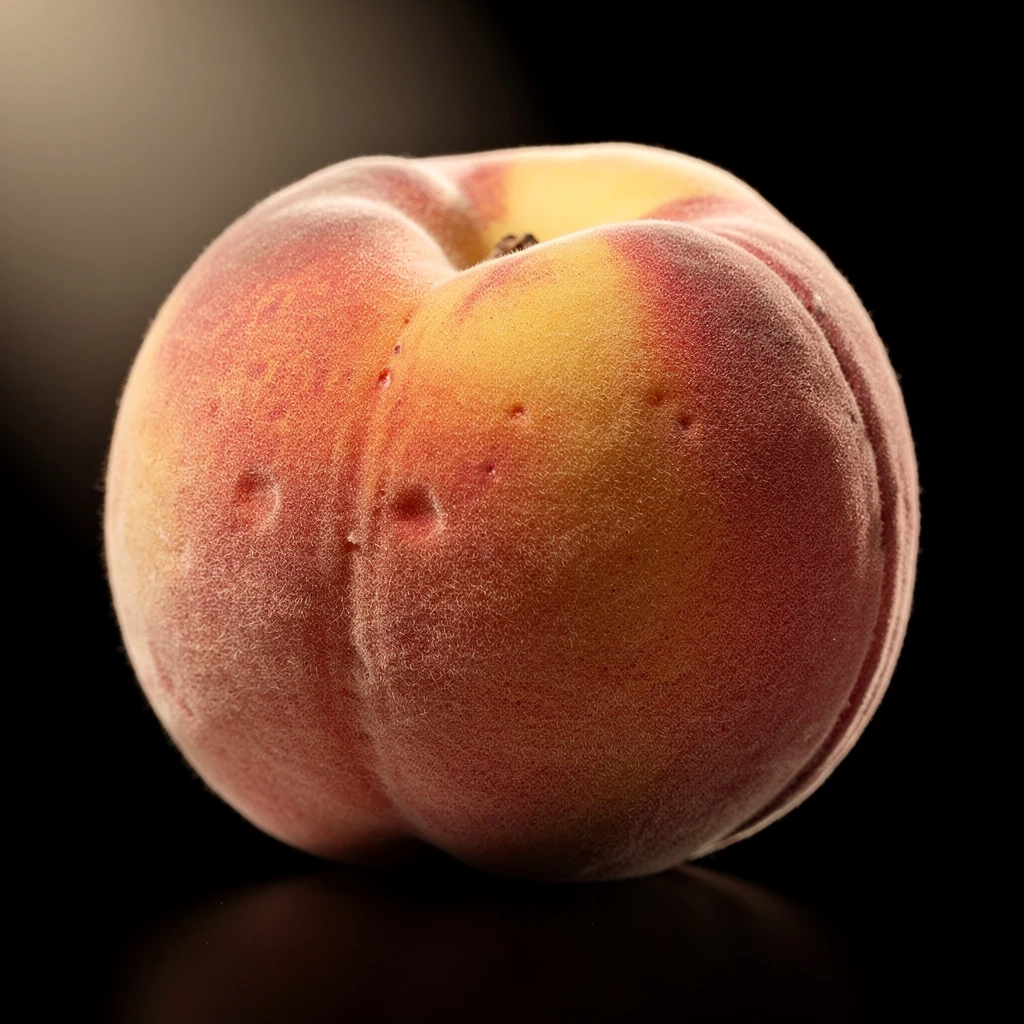
Plum Wood is a modern perfumery accord that captures the velvety sweetness of ripe plum intertwined with warm, grounding woody undertones—a dual-character ingredient prized for adding depth to fruity and oriental compositions.
Character
How it smells
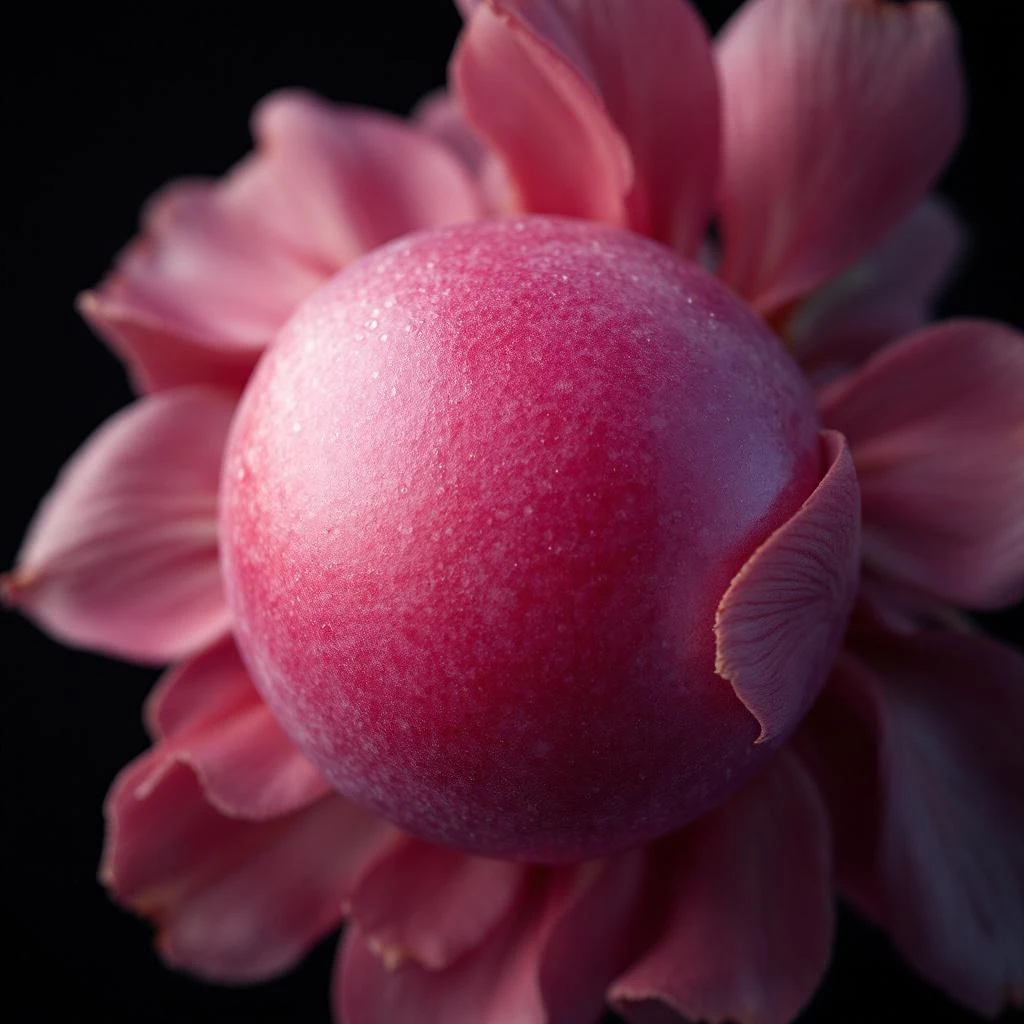
Velvety fruit meets warm timber in a single accord.
Plum notes in perfume are entirely synthetic, recreated using damascone molecules to achieve consistent fruity sweetness without natural fruit extract.





Origin
France
Woody ingredients have anchored perfumery since antiquity—the Greeks and Romans extracted fragrances from woods, roots, and resins, while Islamic perfumers of the medieval period prized precious woods for daily and ritual use. However, true plum notes remained impossible until modern chemistry. The 1874 founding of Haarmann & Reimer as the first synthetic fragrance company marked a turning point, enabling chemists to isolate and reproduce specific molecular structures.
The damascone family, developed through this tradition of molecular innovation, gave perfumers access to the plum's characteristic juicy-floral aroma for the first time. Plum Wood represents a contemporary refinement: an accord that layers these synthetic plum molecules with woody components to create a material that captures both the fruit's velvet sweetness and wood's grounding warmth in a single, ready-to-use form.
Wears it best
Fragrances featuring Plum Wood
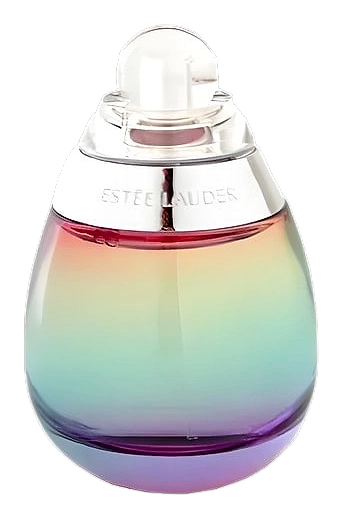
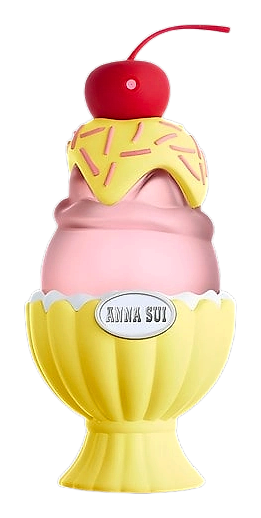
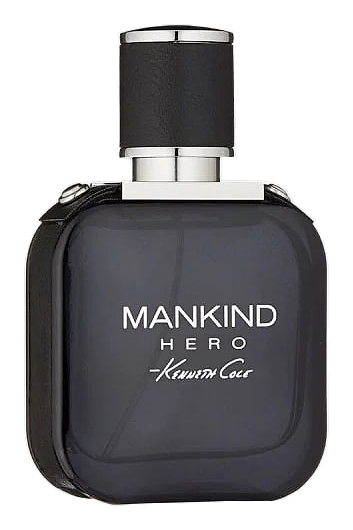
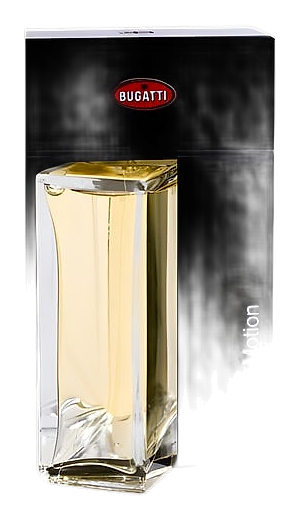
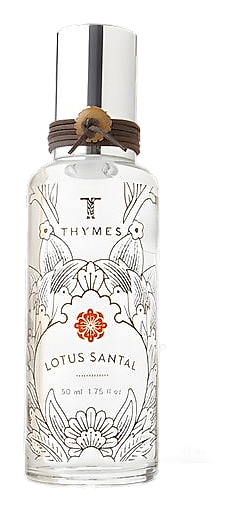
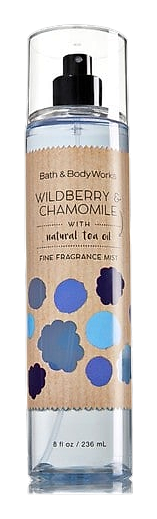

Brands
Brands known for Plum Wood
Good to know
Questions, answered
The essentials on Plum Wood in perfumery: how it smells, where it comes from, and how it behaves on skin.
What is Plum Wood in perfumery?
Plum Wood is a synthetic perfumery accord combining fruity plum molecules (primarily damascones) with woody aromatic compounds. It delivers both the velvety, sweet character of plum and the warm, grounding depth of wood in a single ingredient.
Is Plum Wood a natural ingredient?
No. Plum Wood is entirely synthetic. Natural plum extract does not exist in perfumery; instead, chemists recreate plum's aroma using damascone molecules, combining them with woody synthetics to create the dual-character accord.
What does Plum Wood smell like?
Plum Wood offers a layered sensory experience: soft, sweet, and slightly tart fruity top notes reminiscent of ripe plum flesh, transitioning into warm, slightly balsamic woody undertones that provide lasting depth.
Where does the plum note in perfume come from?
The plum note originates from damascone molecules, synthesized in laboratories starting in the mid-20th century. These compounds mimic the fruity-floral character of fresh plum, allowing consistent reproduction without natural fruit.
What fragrance families pair well with Plum Wood?
Plum Wood harmonizes with fruity, floral, oriental, and chypre compositions. It bridges the gap between bright top notes and deep base notes, making it versatile for both designers and fine fragrances.
At what stage of perfume development is Plum Wood typically used?
Plum Wood functions primarily as a heart or base note material. The damascone component provides fruity presence in the heart, while the woody molecules anchor the fragrance with lasting drydown depth.
Which perfume houses commonly use Plum Wood accords?
Contemporary houses including Bon Parfumeur, Tom Ford (in Plum Japonais), Givenchy (Amarige), and Dior (Diorama) have incorporated plum accords, often paired with woody bases for a modern fruity-woody effect.
Can Plum Wood appear in natural perfumery?
Strictly natural perfumery avoids Plum Wood because no natural plum extract exists for perfumery use. Natural perfumers may achieve similar effects by combining natural absolutes with woody materials like sandalwood or vetiver, though the result differs from the synthetic accord.