Hibiscus
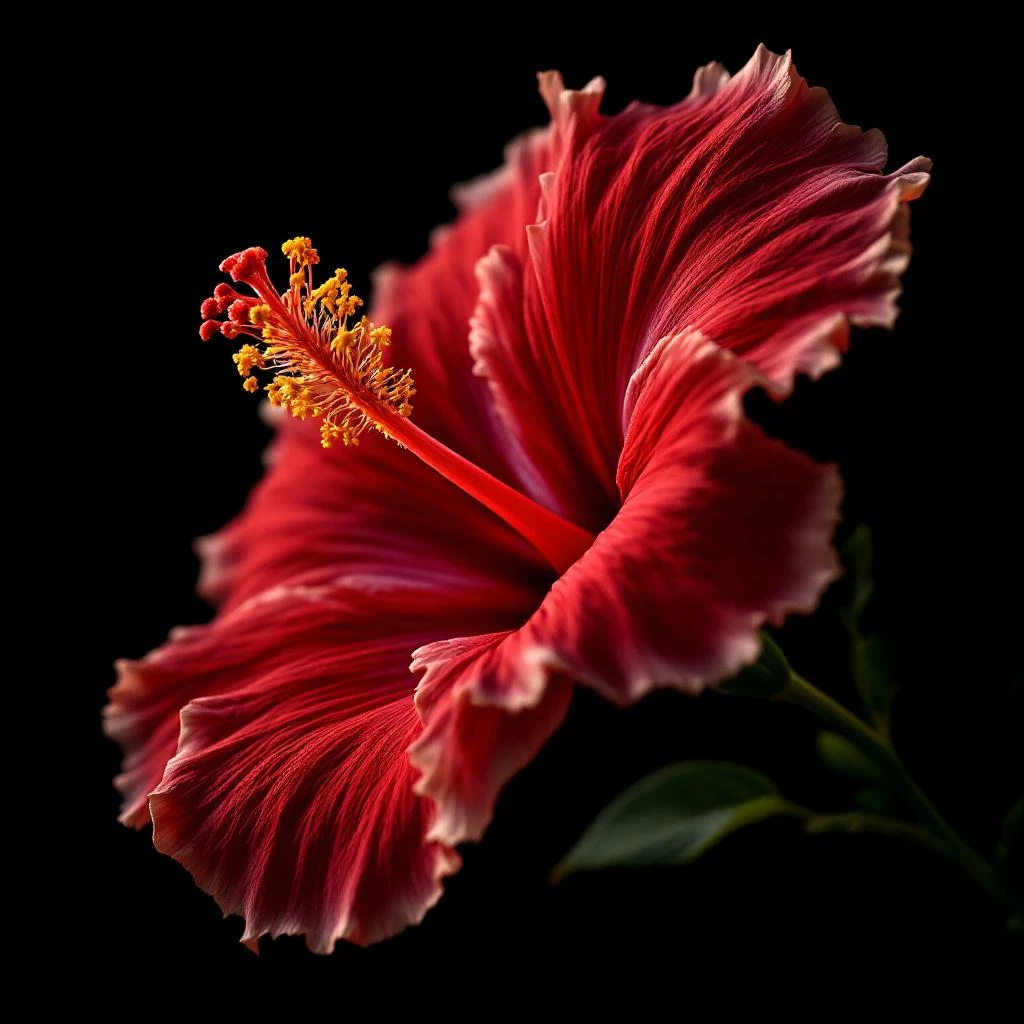
A vivid tropical bloom with silky petals that capture the essence of sun-drenched gardens. Hibiscus brings an intoxicating blend of sweet nectar and tart berry to perfumery, a note that feels like wearing a lei at golden hour.
Character
How it smells
Tropical sweetness with a velvety floral soul.
In Tahiti, red hibiscus flowers traditionally signal a woman's openness to marriage proposals when worn in her hair.









Origin
India
Hibiscus flowers have accompanied human culture for millennia across tropical Asia, the Pacific, and Africa, where they held ceremonial, medicinal, and decorative purposes. South Korea adopted Hibiscus syriacus as its national emblem, while in Hawaii, Hibiscus rosa-sinensis carries deep cultural weight. Tahitian traditions assigned specific meanings to hibiscus colors, with red flowers traditionally indicating a woman's marital availability.
The flower's presence in perfumery grew as global trade expanded, though it remained a challenging material due to its delicate nature and low yield. Ambrette seed, derived from a hibiscus species, emerged as the more practical aromatic material, valued since antiquity for its musky, fruity character. Persian physician Ibn Sina's refinement of distillation techniques in the eleventh century opened possibilities for capturing floral essences, though hibiscus resisted easy transformation.
Modern perfumers now construct hibiscus accords with precision, blending natural and synthetic elements to evoke the flower's intoxicating tropical presence consistently.
Wears it best
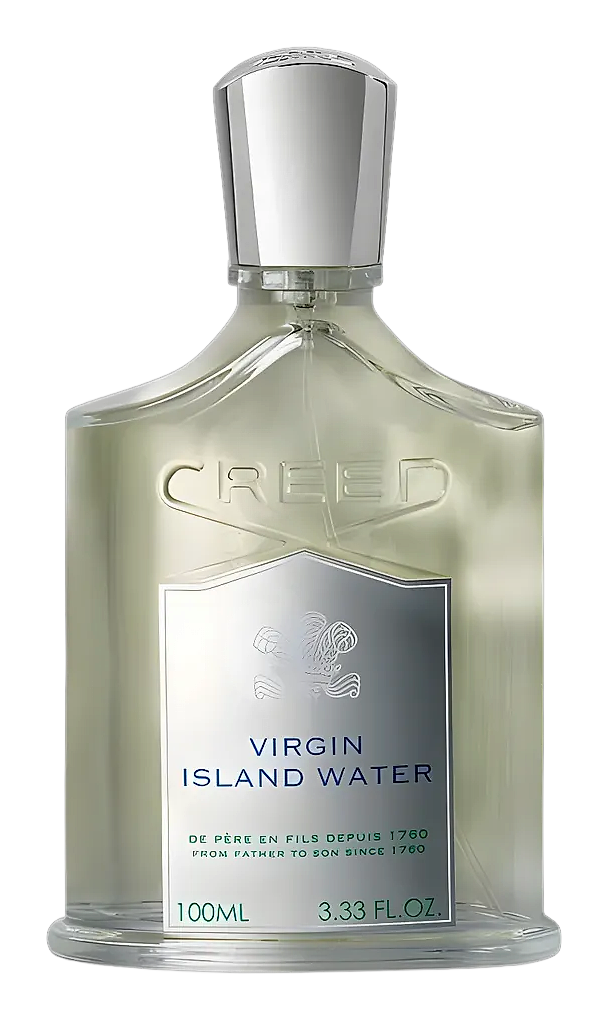
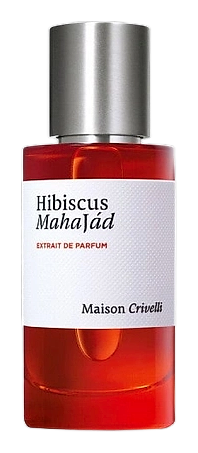
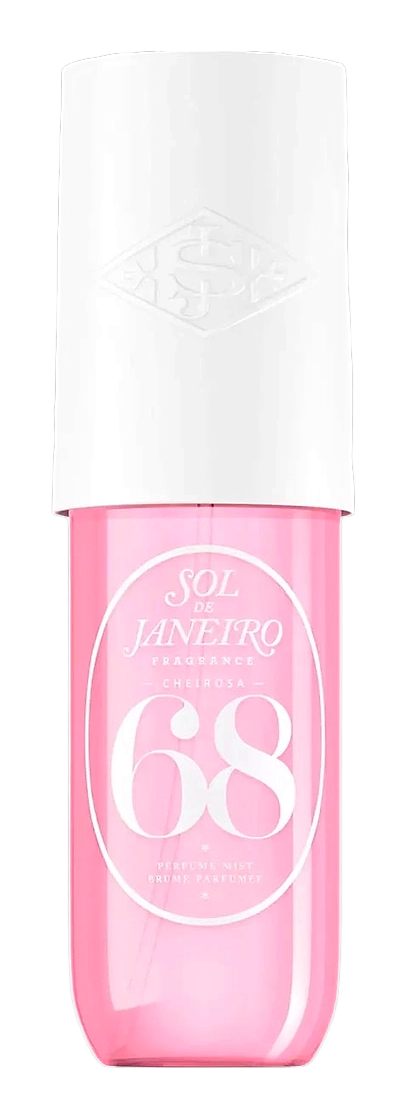
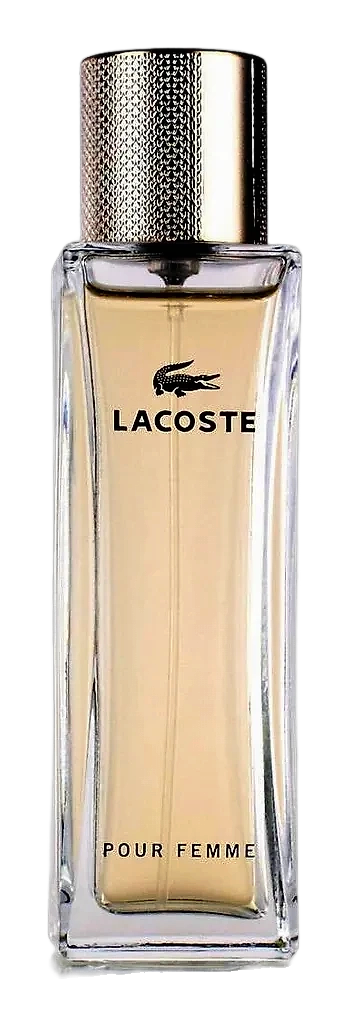
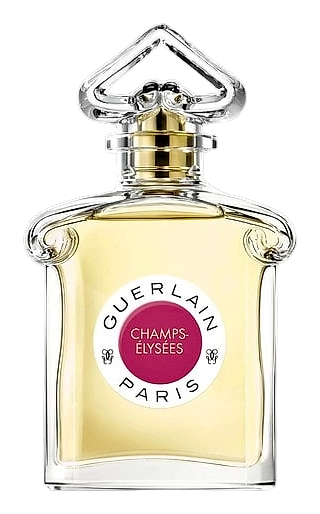
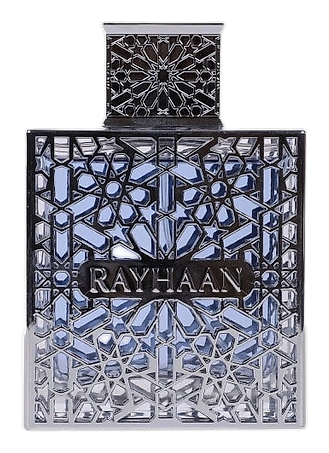
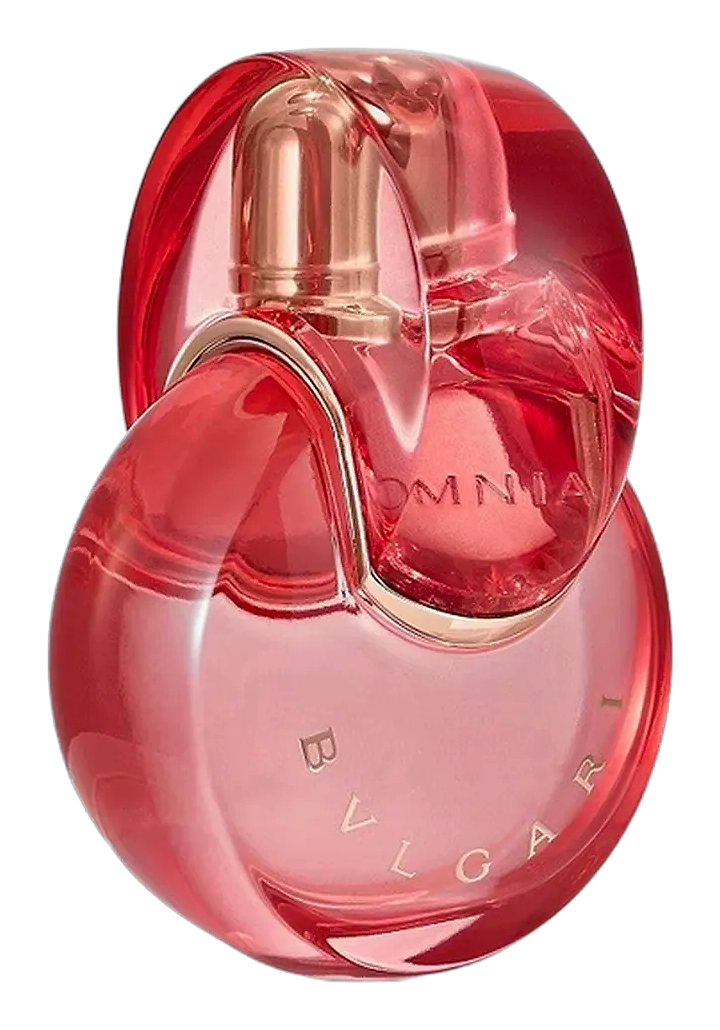
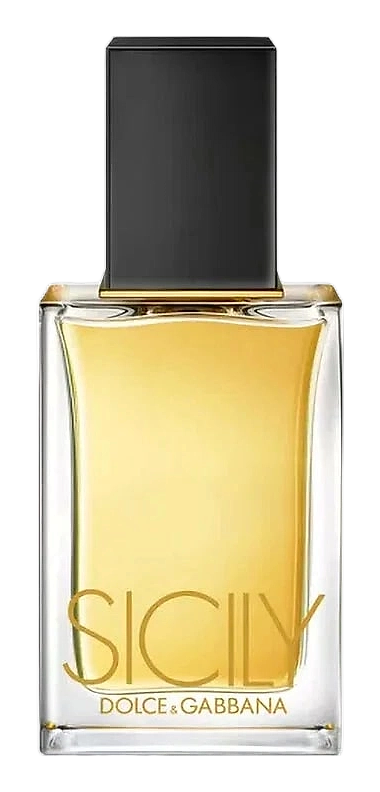
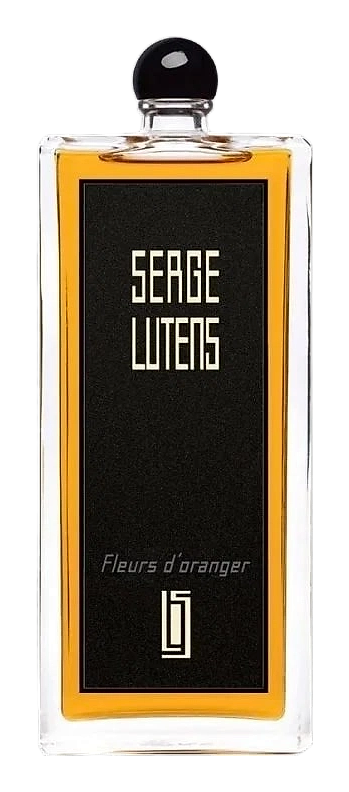
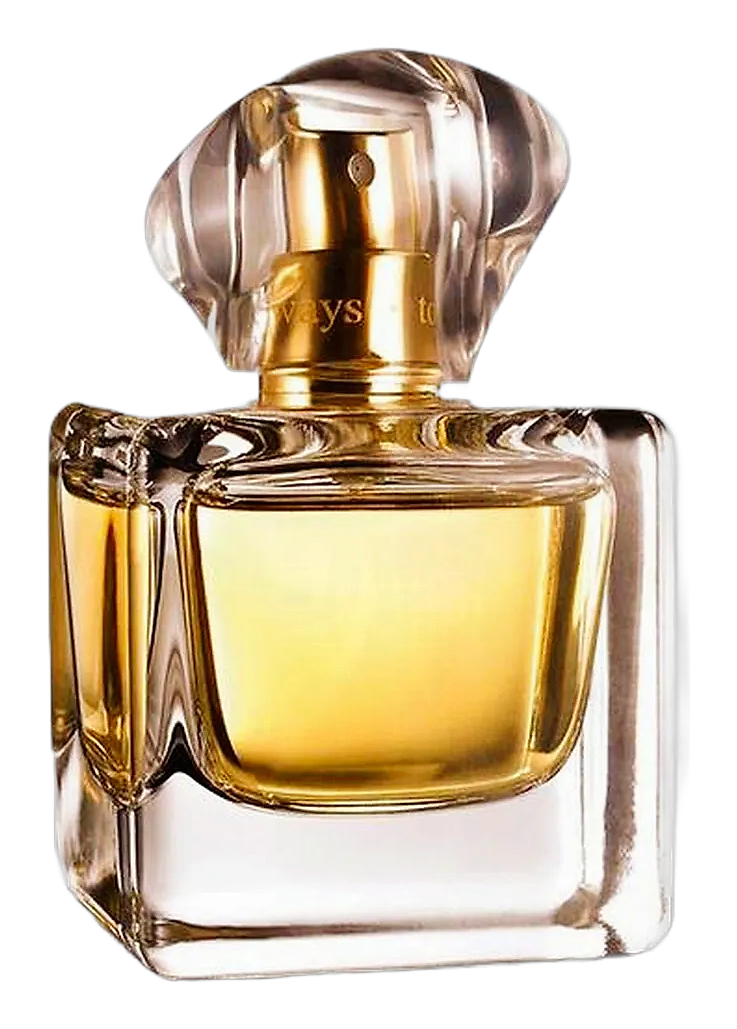
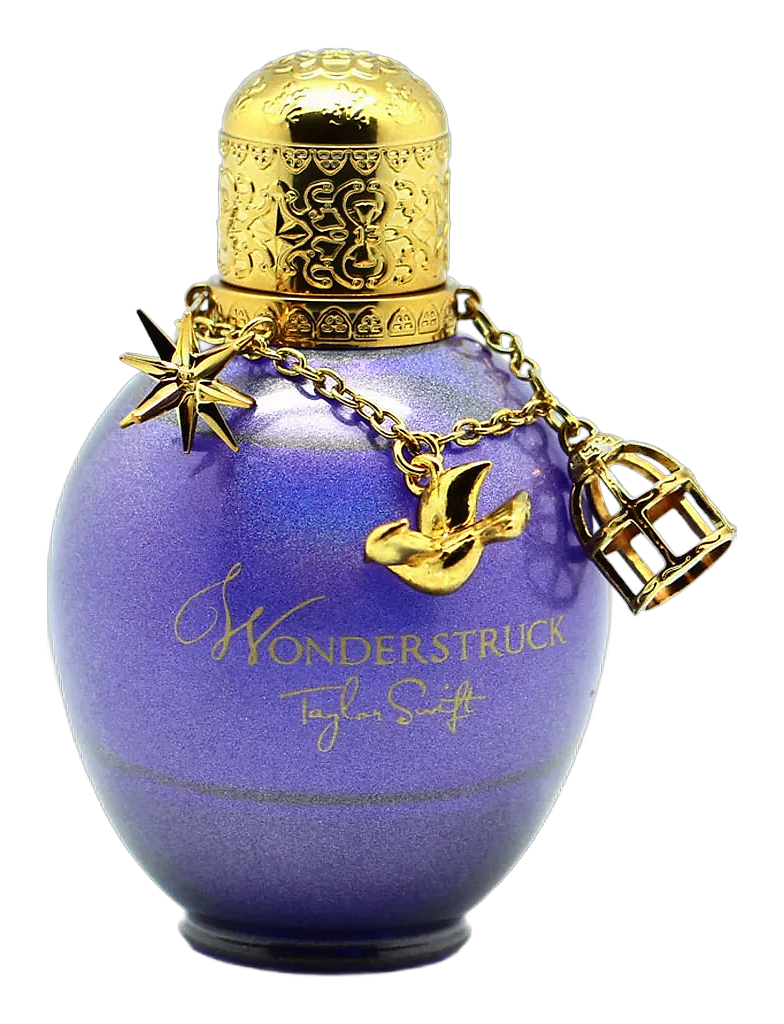
Fragrances featuring Hibiscus

Brands
Brands known for Hibiscus
Good to know
Questions, answered
The essentials on Hibiscus in perfumery: how it smells, where it comes from, and how it behaves on skin.
What does hibiscus smell like in perfume?
Hibiscus delivers a sweet, tangy floral scent with tropical berry undertones. It reads as lush and slightly tart, like biting into a sun-ripened fruit. The note often evokes tropical florals with a creamy, velvety finish.
Is hibiscus a natural or synthetic ingredient in perfumery?
Both. Natural hibiscus absolute exists but remains rare due to low yield. Most fragrances use hibiscus accords crafted from combinations of natural extracts and synthetics to achieve a consistent, recognizable tropical floral scent.
Which perfume families use hibiscus most often?
White florals, tropical compositions, and fruity chypres frequently feature hibiscus. The note pairs naturally with椰子, mango, and other tropical materials, and appears across women's and men's fragrances.
What part of the hibiscus plant does perfumery use?
Perfumers work primarily with the flower petals. The seeds of Hibiscus abelmoschus yield ambrette absolute, a separate aromatic material with musky, fruity characteristics distinct from the floral note.
Where does perfumery-grade hibiscus originate?
Major production comes from tropical regions across India, Southeast Asia, and Latin America. India serves as a primary source for ambrette seed, while hibiscus flower extracts originate from cultivated gardens across multiple continents.
How long has hibiscus been used in perfumery?
Hibiscus appeared in decorative and ceremonial contexts for centuries before entering perfumery. Its aromatic use in fragrance developed alongside global trade routes, with significant presence emerging in the twentieth century as extraction methods improved.
Does hibiscus work in men's fragrances?
Yes. Hibiscus appears frequently in masculine and unisex compositions, where its sweet-tart character adds vibrancy without excessive femininity. Many designer fragrances feature hibiscus in gender-balanced tropical or chypre constructions.
What extraction method preserves hibiscus best?
CO2 supercritical extraction most closely replicates the living flower's scent. Solvent extraction produces a usable absolute with good character, while steam distillation generally fails to capture hibiscus's delicate aromatics effectively.


