The Story
Why it exists.
The beginning
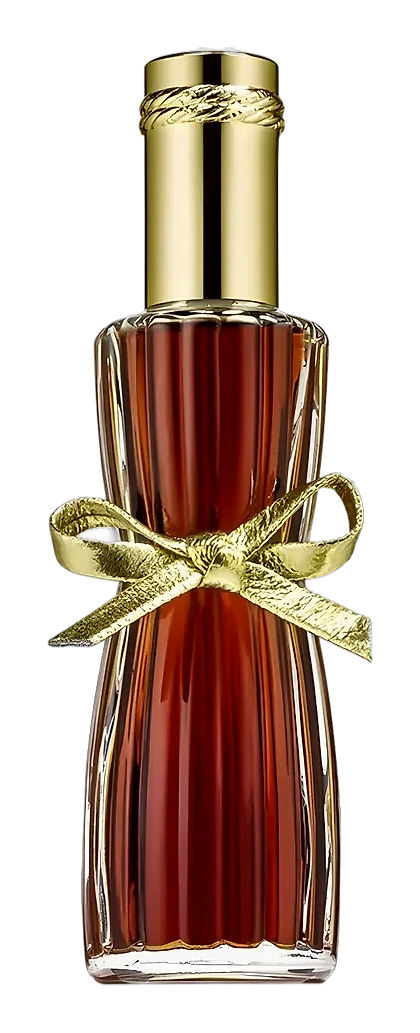
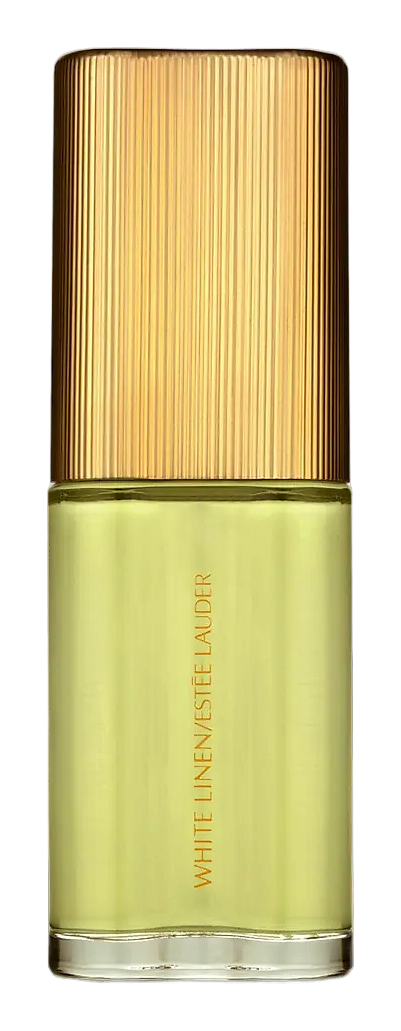
White Linen arrived in 1978, created by Sophia Grojsman alongside IFF. It was part of the New Romantics collection, launched alongside Celadon and Pavilion as fragrances meant to layer together. Estée Lauder was testing the layering concept before it had a name. Grojsman built the composition around the tension between aldehydic brightness and warm florals, a harmony that reads as crisp from across the room and deepens when someone gets close enough to ask what it is.
The aldehydic floral structure is where White Linen earns its reputation. Aldehydes create that immediate waxy, candlelit sparkle, bright and lifting, the kind of opening that announces itself without trying. But Grojsman didn't let the aldehydes dominate. She buried jasmine and damask rose into the heart with orris and violet, materials that hold their shape rather than dissolving into the brightness. The powdery iris-violet combination gives the florals a slightly translucent quality, like light through a frosted window. Moss and vetiver anchor the base with an earthy, almost mineral dryness that prevents the whole thing from going sweet. The amber keeps it warm without rounding the edges.
The evolution
The aldehydes arrive first, that characteristic waxy lift, bright and sparkling, almost like the smell of a candle just blown out. Citrus facets peek through briefly before the florals begin to bloom. Jasmine and damask rose open in the heart, but they're not alone. Iris and violet layer in, giving the florals a powdery translucence. The composition feels lush here, almost retro in its abundance. Then the drydown arrives: moss and vetiver take over, that classic combination that gives White Linen its clean-linen signature. The earthiness lingers close to the skin. Powdery. Warm. Grounded. On most skin types, the full arc lasts through a workday, eight to ten hours with moderate sillage that stays intimate rather than announcing itself.
Cultural impact
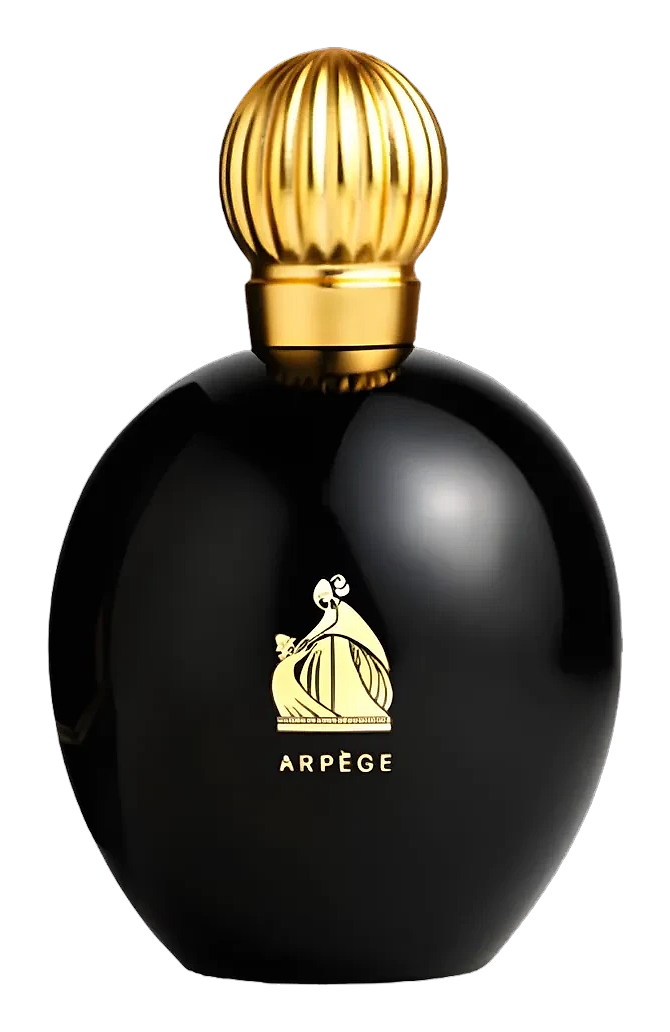
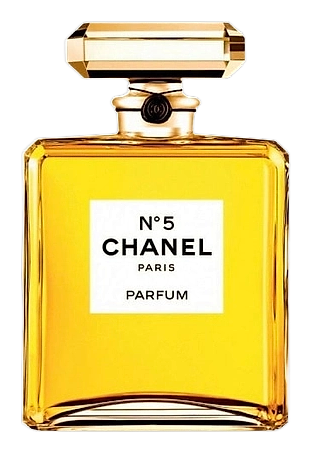
White Linen has been worn and discussed for nearly five decades. The aldehydic floral structure places it in a tradition alongside No. 5 and Arpege, though Grojsman's version carves its own territory, warmer, powderier, with a vetiver base that gives it staying power. It's the kind of fragrance people return to because it keeps doing what it does, reliably, without apology.