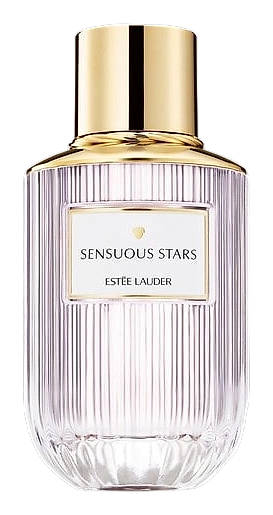

The Story
Why it exists.
The beginning
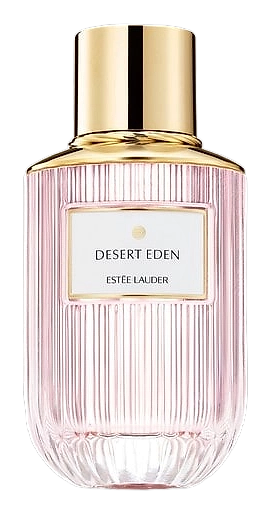
Anne Flipo built Desert Eden from a memory: ancient temples at dusk, smoke curling through cool air, the hush that settles when light turns golden. She didn't want a garden, she wanted the feeling of crossing a threshold into something sacred. The name says it all: an oasis that isn't lush or forgiving, but serene. A place you'd seek out, not stumble into. In 2021, against a backdrop of global uncertainty, that promise of sanctuary found its audience.
What makes Desert Eden unusual is the structure: sandalwood opens the pyramid, not rose. Most rose-forward fragrances lead with brightness, letting woody notes support later. Here, the sandalwood arrives first, creamy, warm, immediate, and the Turkish rose follows as a heart note rather than a statement. The frankincense at the base adds smoke without aggression. It's a vertical composition: top to bottom, warmth building inward. The overall effect is less flashy temple and more private chapel, incense and wood that settles close and stays.
The evolution
The opening doesn't announce itself. Sandalwood arrives soft, almost creamy, and the rose follows within minutes, not bright, but deep, the kind of rose that smells like dried petals pressed between pages. The frankincense waits its turn. It builds quietly, smoke threading through the florals like incense caught in low light. By hour three, the composition has shifted: rose and wood have merged into something warmer, more intimate, and the smoke has become the frame rather than the focus. The drydown holds. Sandalwood wraps around what's left of the rose like a memory you're not ready to release. Eight to ten hours in, the frankincense lingers close, not projecting, just present. The next morning, there's a trace: warmth on skin, the ghost of something you want to put on again.
Cultural impact
Desert Eden found its audience in a moment when quiet felt radical. While other houses leaned into performance and projection, this one asked to be worn close. The woody-floral structure, sandalwood, Turkish rose, frankincense, places it in the warm woods category, alongside the brand's more intimate compositions. Wearers describe it as the scent of someone who walks into a room and doesn't need to announce themselves. The fragrance hasn't generated major press coverage or industry awards, but the people who wear it tend to keep wearing it.
The House
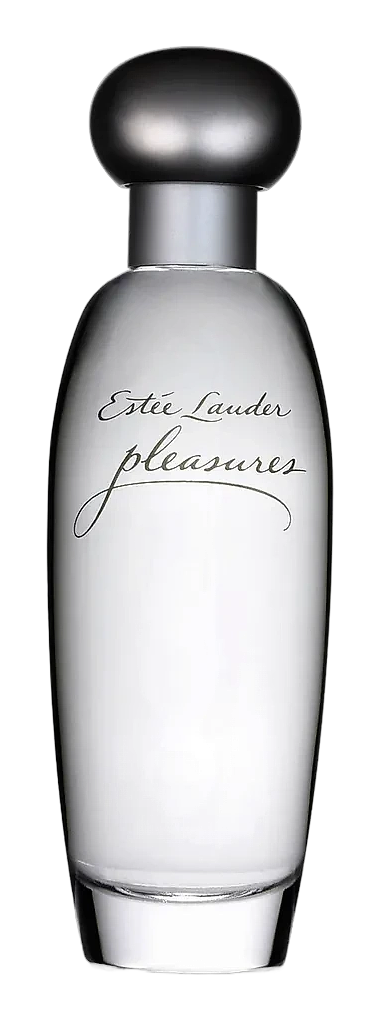
Estée LauderEstée Lauder stands as one of the defining houses in modern perfumery, born from the ambition of a woman who believed every person deserved to feel beautiful. Founded in 1946 in New York City by Estée Lauder and her husband Joseph, the company began with just four skincare products and grew into the world's second-largest cosmetics corporation. Today, the brand continues to embody the founder's original vision of transformative beauty, creating fragrances that balance timeless elegance with contemporary relevance. Estée Lauder's scent collection spans decades of olfactory innovation, from the legendary Beautiful to newer interpretations that honor the house's rich heritage while appealing to modern sensibilities.
The Creator
Anne FlipoOrange blossom defines Flipo's olfactive signature more than any other material. She has worked with neroli and orange flower absolute across dozens of compositions, finding infinite variation within this single note.