The Story
Why it exists.
The beginning
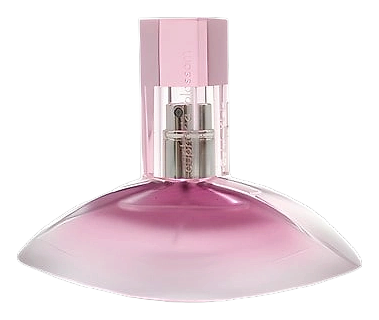
The original Euphoria arrived with its dark, succulent weight. By 2006, Carlos Benaïm and Loc Dong had a different brief: something softer. They called it Blossom. The name is the concept, not the full garden, just the open flower. The perfumers worked from the same floral vocabulary but turned the volume down, emphasizing the pinker, friendlier end of the petal scale. It wasn't meant to replace anything. It was meant to exist alongside it, for the person who wanted warmth without weight. The composition opens with a citrus-driven brightness that feels immediate and inviting, a deliberate shift from the deeper, more brooding character of its predecessor. The florals arrive soft, approachable, never overwhelming.
The combination of pomegranate and kumquat as a top note pairing is more intentional than it reads. Both fruits carry a slight tartness, the kind that reads as brightness rather than sweetness, and that bridges the gap between citrus and something with more body. When those two are anchored by green notes, the opening feels deliberate rather than accidental. Then pink peony enters, and it does the work of making the whole thing feel feminine without being floral-heavy in the way that phrase usually implies. The peony doesn't overpower; it softens, it rounds, it invites.
The evolution
The opening minutes set the stage for what follows. Kumquat and green notes arrive together, bright, almost vegetal, a little tart the way biting into an unripe fruit can be. Pomegranate softens the landing within minutes, adding a juiciness that rounds the edges. This is the phase that earns the name Blossom: the florals don't wait. Pink peony, lotus, and orchid emerge while the citrus is still settling, so the handoff happens without a gap. No empty middle. The heart stays present, powdery and clean, consistently floral without tipping into anything heavy. When it finally hands off to the base, white amber and musk do the quiet work. The woods are present but restrained, keeping the drydown from disappearing entirely. The florals maintain their presence through the heart phase, offering a softness that feels natural rather than constructed.
Cultural impact
Euphoria Blossom occupies a specific and uncontested lane: the reliable daytime floral for someone who wants presence without projection. It scores consistently well for office wear and everyday use, fresh, sweet, and clean without crossing into anything heavy or challenging. The main criticism is consistency, wearers either appreciate its steady, unobtrusive character or find it too linear for the price. Calvin Klein discontinued it, which has made existing bottles harder to find.