The Story
Why it exists.
The beginning
Dominique Ropion built Happy Spirit in 2007 as an entry point to the Chopard fragrance world, a fruity-floral that wore the house's Swiss precision like a second skin. The name says it all: this was a fragrance designed to feel good, to arrive without announcement, to make someone smile when they caught a whiff on themselves three hours later. Ropion structured it as a clear progression, bright opening, softened heart, warm close, using materials that behaved like they understood restraint. The choice of honeysuckle and osmanthus over heavier white florals was deliberate: he wanted something that smelled like a memory of flowers rather than flowers themselves.
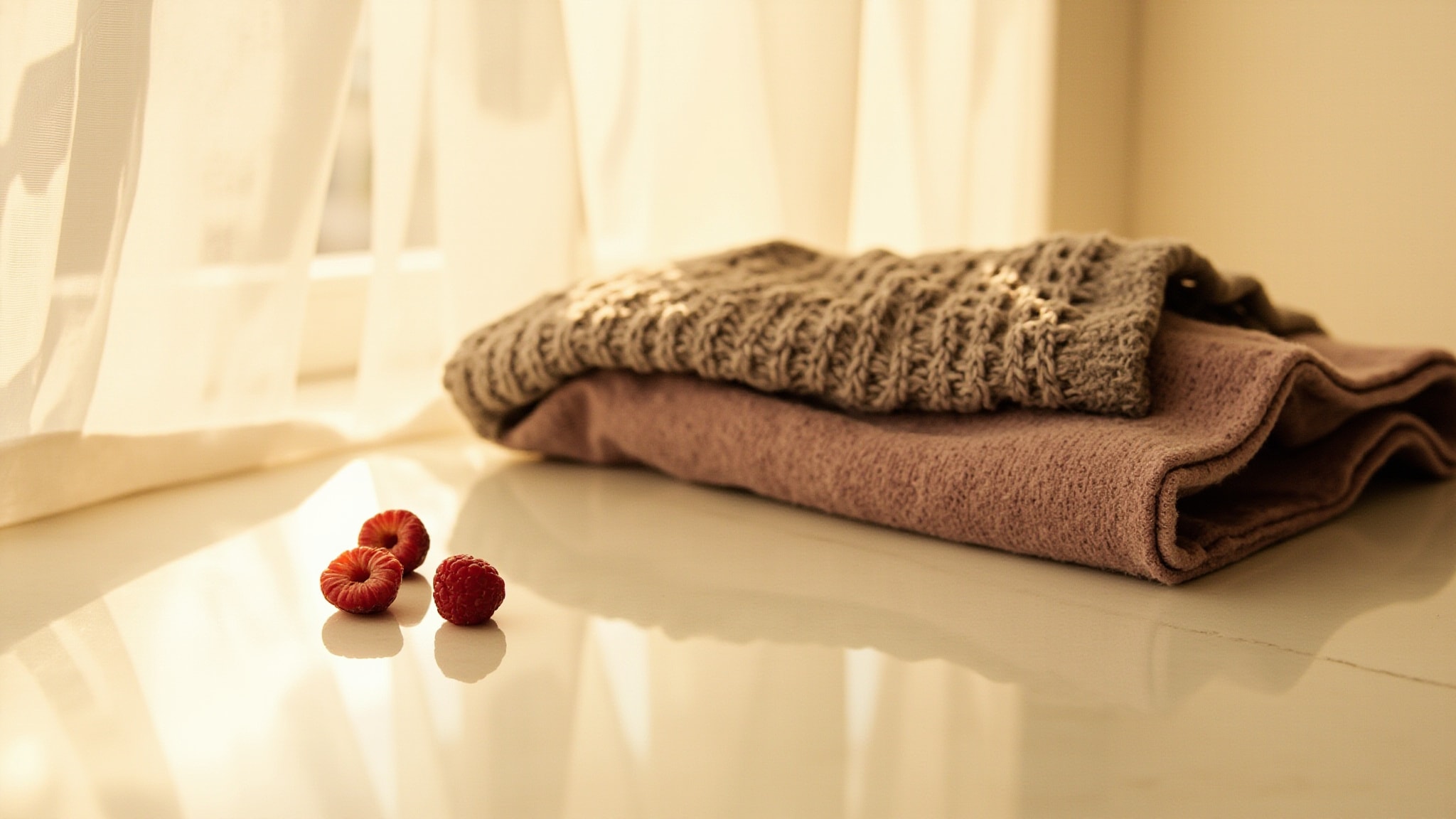
The note structure follows a classic logic, but the execution is where Ropion earns his reputation. Raspberry and bitter orange open together, creating a fruity brightness that avoids the jam-like sweetness of so many contemporaries. The heart, honeysuckle and osmanthus, is where the fragrance softens. Osmanthus is a quieter material, less celebrated than jasmine or rose, but it carries a tea-like quality that keeps the florals from cloying. Cashmere wood in the base does the real work: it bridges the gap between soft wood and powder, giving the fragrance a warmth that reads as skin rather than perfume. Amber anchors everything without adding weight.
The evolution
Happy Spirit opens with raspberry and bitter orange, a burst of citrus-fruit brightness that lasts about fifteen minutes before the florals take over. The hand-off from top to heart is smooth: honeysuckle and osmanthus arrive together, sweet and slightly buttery, creating a warm floral presence that never sharpens. The base is where the fragrance earns its reputation for longevity. Amber, cashmere wood, and musk deepen the composition into something powdery and intimate. The florals don't disappear, they transform, becoming quieter and more intimate as the hours pass. On fabric, the drydown can linger into the next day, leaving a soft trace that surprises people who expected something ephemeral.
Cultural impact
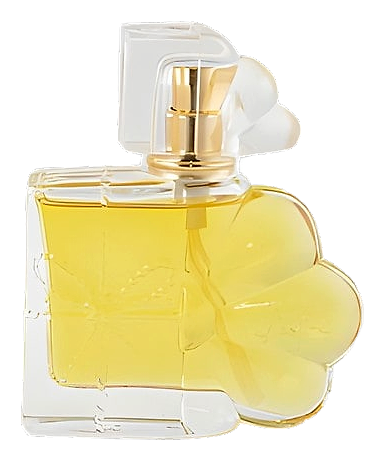
Happy Spirit occupies a specific corner of the fruity-floral category, the one where softness is the point rather than a side effect. It sits comfortably between the brighter juice fragrances of the 2000s and the more complex niche releases that followed. For someone who wants something that smells expensive without projecting loudly, this has become a quiet recommendation that keeps reappearing. The packaging, a pink heart-shaped bottle, signals romance and accessibility, which matches the fragrance's character exactly.