The Story
Why it exists.
The beginning
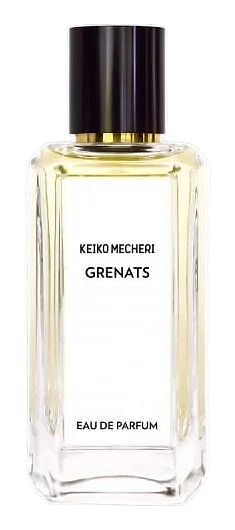
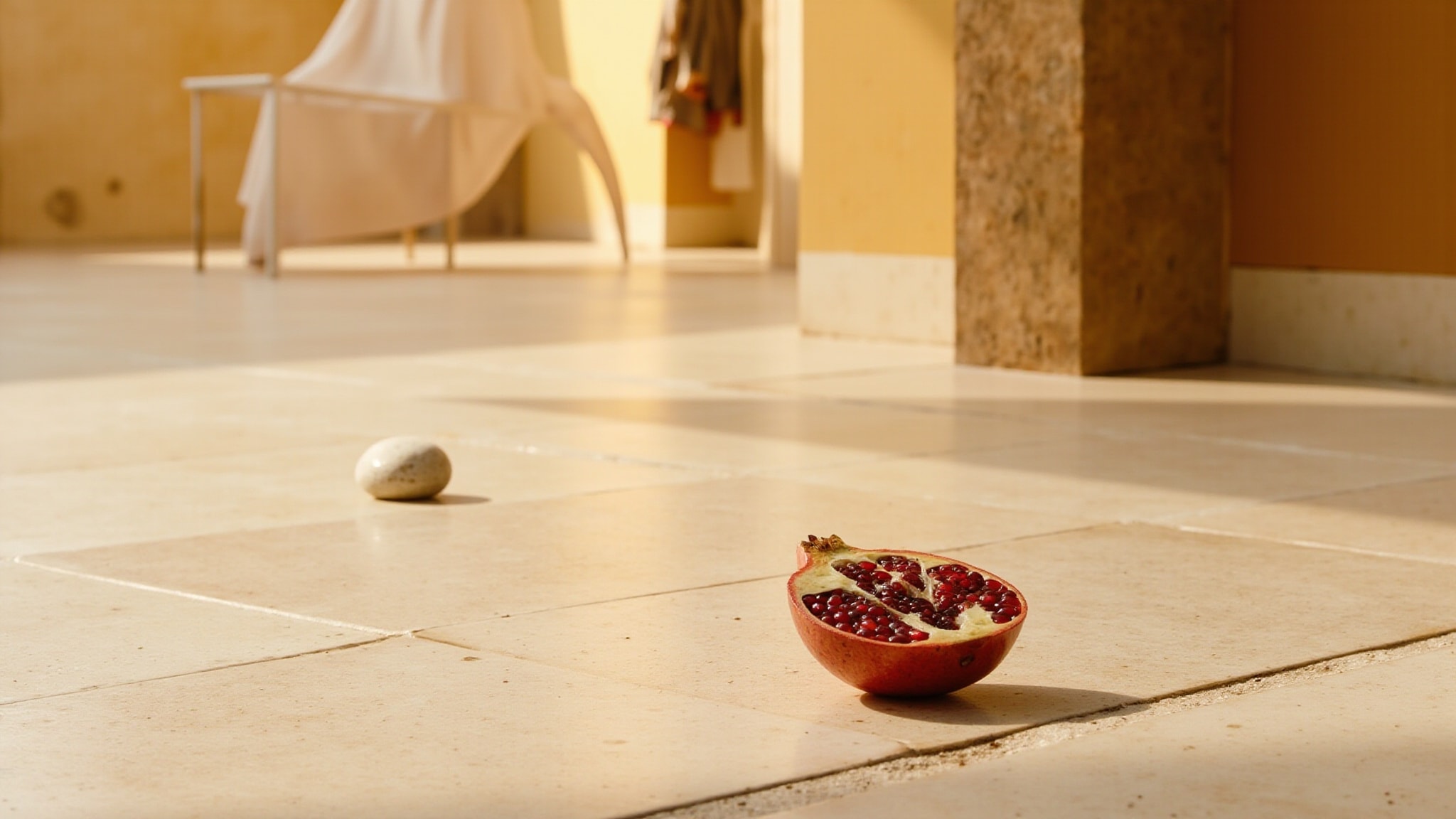
Grenats takes its name from the French word for pomegranates, and its inspiration from the medieval Alhambra gardens, where pomegranate trees bloom against warm stone walls, their crimson flowers echoing the jewel-like seeds within. The fragrance translates that tension: beauty against restraint, tartness against softness. What arrives is intimate, not performative. Something that asks you to lean in.
The note structure is deceptively simple. Pomegranate. Rose. Angelica. Musk. But the interplay is where Grenats earns its reputation. Pomegranate appears in niche perfumery as a fruity accent, bright, edible, forgettable. Here, Keiko Mecheri builds the entire composition around it, working from the fresh tartness of the juice to the slightly smoky, bitter rind. Angelica does the real work: its green, earthy, slightly musty character amplifies the pomegranate's freshness in a way that takes genuine skill to balance.
The evolution
The opening announces itself with a tart, almost sharp burst, citrus and pomegranate rind arriving bright and clean. That brightness holds for the first hour as the heart begins to form. Then the handoff: angelica's green, musty quality deepens. Rose enters quietly, not commanding but settling. Musk keeps everything close to the skin. By the third hour, the tartness has softened into something sweeter, the pomegranate's flesh without the rind's bite. Rose and musk remain. The drydown is quiet, intimate, close. The kind that stays on your wrist long after you've stopped checking.
Cultural impact
Grenats has quietly remained in production since 2005, developing a following among collectors who appreciate its pomegranate-and-angelica pairing as something different from the typical sweet-fruity niche fare. The fragrance doesn't announce itself, which suits the wearer who discovered niche through curiosity rather than hype. That quiet confidence, being interesting without needing to prove it, has become its calling card.