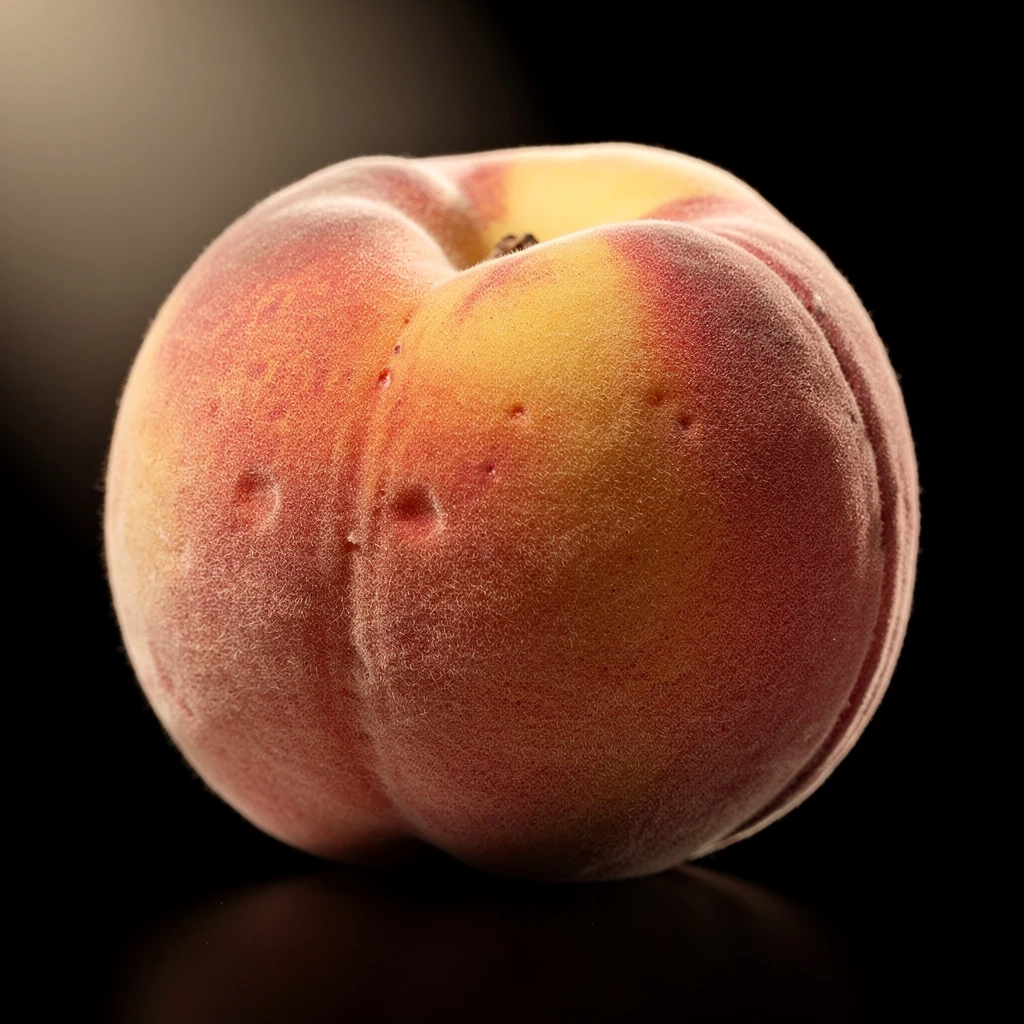
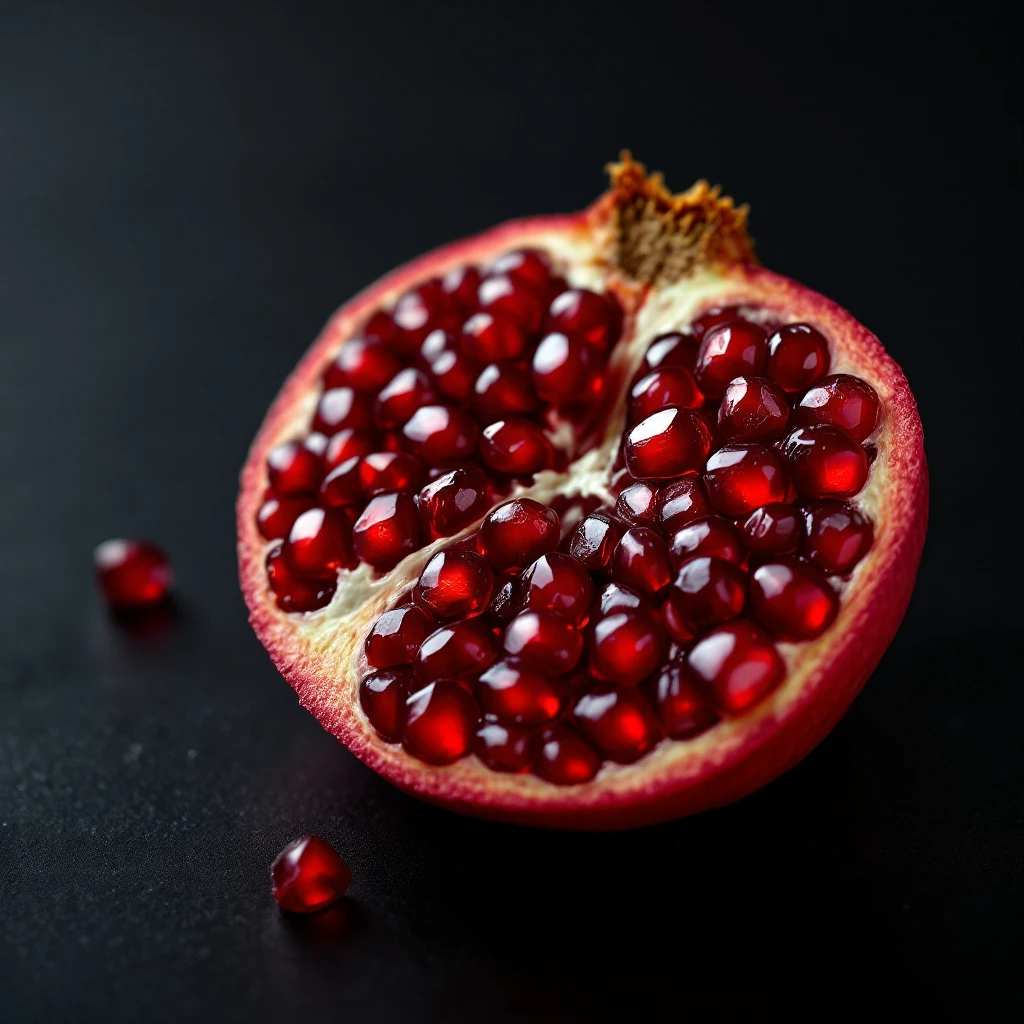
Pomegranate Rind
Tart, bitter, and unexpectedly sophisticated. Pomegranate rind captures the fruit's peel in its most honest form—a sharp aromatic that balances bright acidity with earthy depth.
Character
How it smells
Bitter citrus peel with surprising depth
Pomegranate rind contains higher concentrations of antioxidants than the arils we eat, giving perfumers a potent, bioactive aromatic material.
Pairs beautifully with
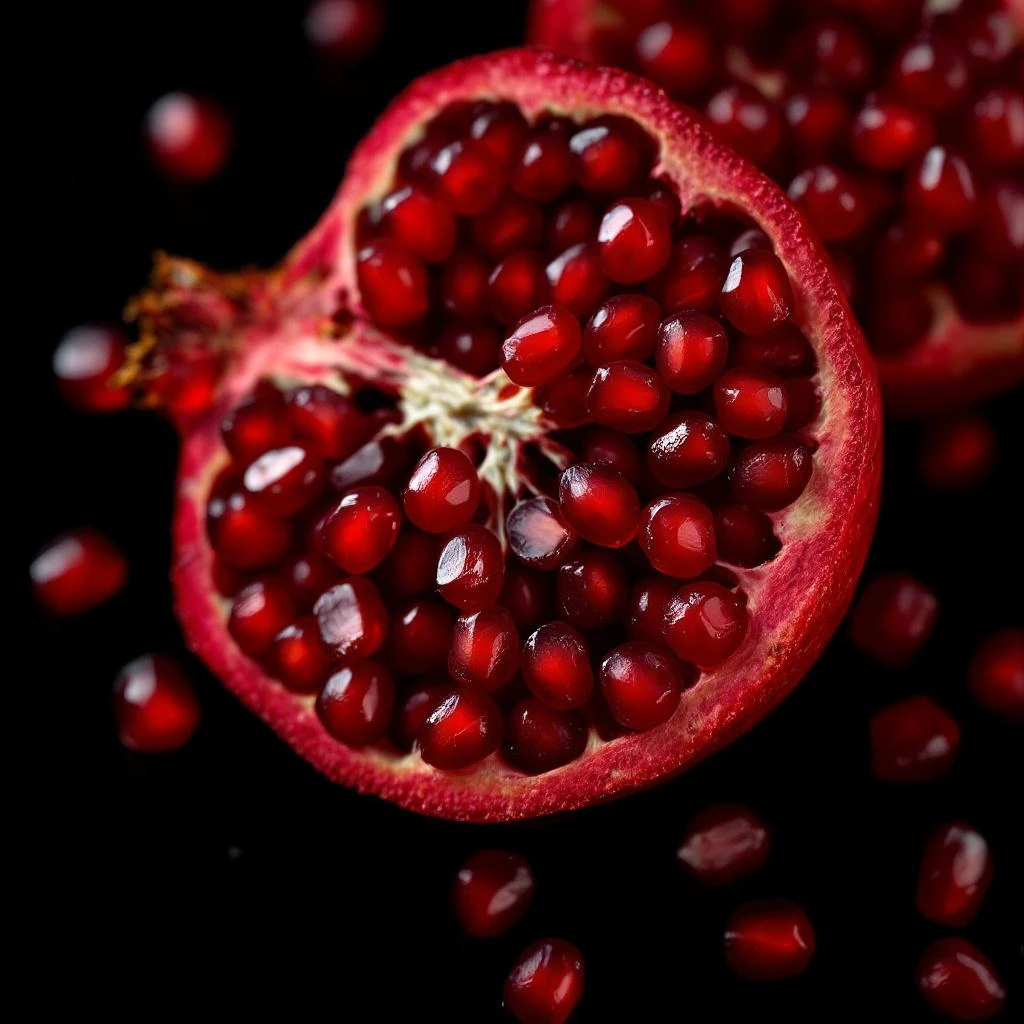



Origin
Iran
Pomegranate was first domesticated by ancient Iranians in the Iranian plateau around 5,000 years ago, making it one of the oldest cultivated fruits in human history. The fruit spread westward to the Mediterranean and eastward across Asia, becoming embedded in the mythologies and rituals of ancient Egypt, Greece, and Persia.
Egyptian texts reference pomegranate in healing preparations, while the ancient Greeks associated it with fertility and eternal life. Traditional medicine systems used the bitter rind extensively, recognizing its powerful astringent and anti-inflammatory properties long before modern chemistry identified ellagic acid as the primary bioactive compound.
The thick rind, often discarded in culinary contexts, held more value in apothecary traditions than the sweet arils. As perfumery evolved from simple enfleurage to solvent extraction in the 20th century, artisans gained access to this unusual material, transforming a medicinal by-product into a fragrance ingredient with a distinctive bitter-tart signature.
Wears it best
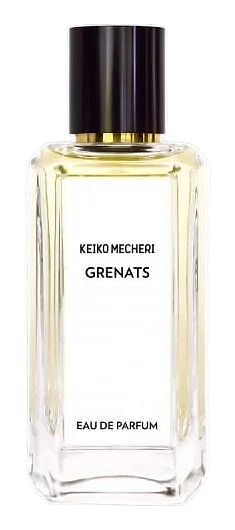
Fragrances featuring Pomegranate Rind
Brands
Brands known for Pomegranate Rind
Good to know
Questions, answered
The essentials on Pomegranate Rind in perfumery: how it smells, where it comes from, and how it behaves on skin.
What does pomegranate rind smell like in fragrance?
Pomegranate rind delivers a bitter, tart quality distinctly different from the sweet fruitiness of pomegranate flesh. It registers as sharp, acidic, and slightly medicinal, with subtle astringent undertones that ground brighter fragrance elements. This bitter character adds complexity and prevents sweet pomegranate notes from becoming cloying in compositions.
How is pomegranate rind extracted for perfumery?
Solvent extraction is the primary method because steam distillation fails to efficiently pull aromatic compounds from the tough, waxy peel. Producers shade-dry the rinds, then treat them with food-grade solvents that dissolve both aromatic molecules and bioactive compounds like ellagic acid, resulting in a concentrated absolute.
Why do perfumers choose pomegranate rind over pomegranate juice or flesh?
Pomegranate rind provides a structural, bitter dimension that the sweet arils cannot. While the flesh offers bright fruitiness suitable for top notes, the rind contributes depth and a slightly medicinal quality that helps fragrances evolve over time. It functions as both aromatic ingredient and fixative.
What compounds give pomegranate rind its characteristic scent?
The rind contains ellagic acid, punicalagins, and various tannins that contribute to its bitter, astringent character. These bioactive compounds create the sharp, slightly medicinal quality that distinguishes rind extracts from the sweeter aromatic profile of the fruit's edible seeds.
Is pomegranate rind a natural or synthetic ingredient?
Pomegranate rind absolute is a natural material obtained through solvent extraction of the dried fruit peel. However, because the natural material is relatively rare and costly, aroma chemists have developed synthetic reproductions of its key aromatic compounds for broader use in fragrance formulations.
What fragrances typically use pomegranate rind?
Pomegranate rind appears most often in oriental and woody fragrance compositions where its bitter edge balances sweeter resins and gourmand notes. It functions as a supporting ingredient rather than a starring note, adding complexity to perfumes that seek unusual botanical depth.
Can I substitute other bitter citrus peels for pomegranate rind?
Bitter orange peel offers the closest approximation with its sharp, acidic character and similar astringent quality. Grapefruit rind provides brighter tartness, while dried lemon peel delivers cleaner citrus bitterness. Each substitute brings a different dimension, so selection depends on the specific aromatic effect desired.
What role does pomegranate rind play in fragrance composition?
Pomegranate rind acts as both modifier and fixative in perfume formulas. Its bitter quality prevents sweet fruit notes from dominating a composition, while the bioactive compounds help anchor lighter top notes to the skin. Perfumers use it to introduce unexpected complexity and extend the evolution of a fragrance.