Wild Rose
Wild Rose captures the untamed cousin of the cultivated bloom: sharper, greener, with a honeyed edge and fleeting dew. It smells like petals at dawn, still cool, before the sun draws out the sweetness.

Character
How it smells
Wild, green, untamed sweetness.
Wild Rose contains very little of the citronellol that gives Damask Rose its rounded warmth; instead, geraniol and nerol dominate, producing a scent that reads brighter and more herbaceous than its cultivated cousins.








Origin
Iran
The rose's path through perfumery begins long before the word perfumery existed. Archaeologists have traced rose cultivation back at least five thousand years, with evidence of rosewater production in ancient Persia and Egypt and the use of rose unguents in Mesopotamian ritual. Steam distillation of rose petals is credited to the physicians of 10th-century Persia, where the technique that yields rose attar was refined and named.
By the Roman era, roses perfumed banquet halls and public baths; later, Arab and Berber communities carried rose cultivation into Andalusia and Morocco, where 18th-century rosewater distilleries supplied courts from Fez to Marrakech. The first synthetic rose aroma chemicals, including the isolation of geraniol and citronellol, appeared in 1895, and these isolates now appear alongside natural rose oils in countless compositions. Wild Rose itself entered modern perfumery as perfumers sought a less confectionary, more naturalistic floral, often sourcing wild-harvested petals from Bulgaria, Turkey, and the French countryside.
Its presence signals a return to the unstudied flower, the thorny hedgerow bloom rather than the manicured garden.
Wears it best
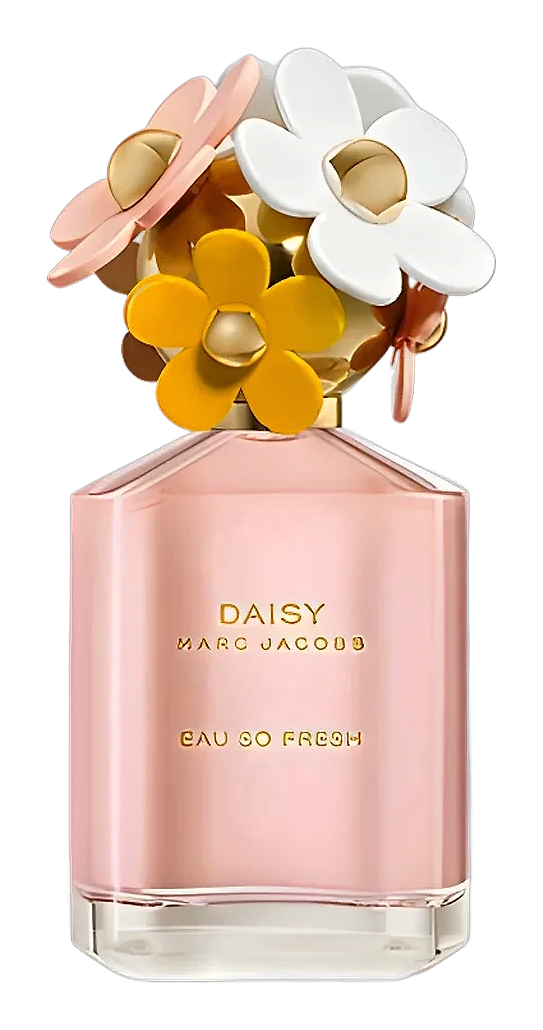
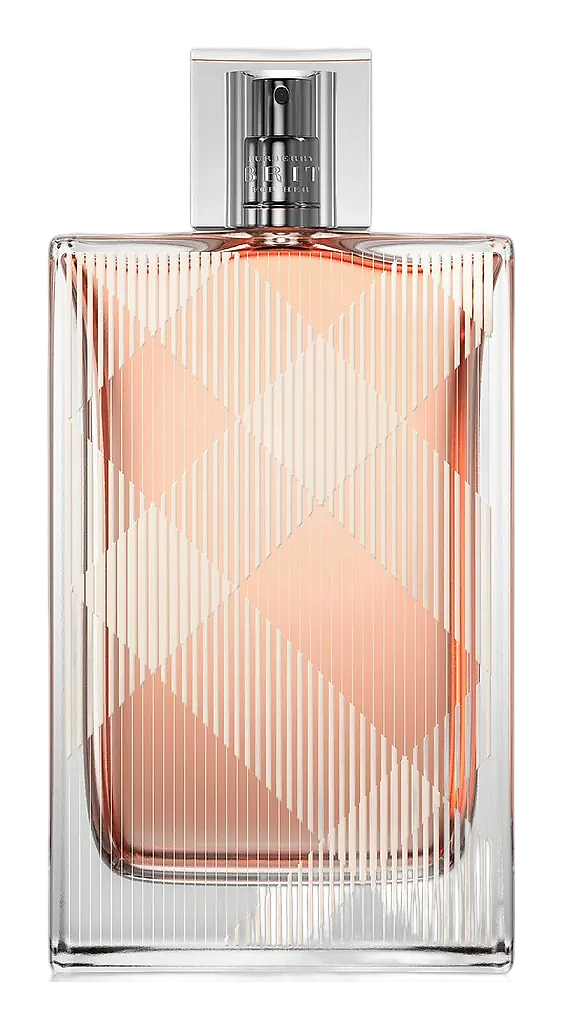
Fragrances featuring Wild Rose

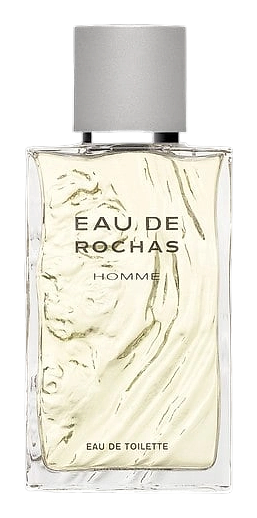
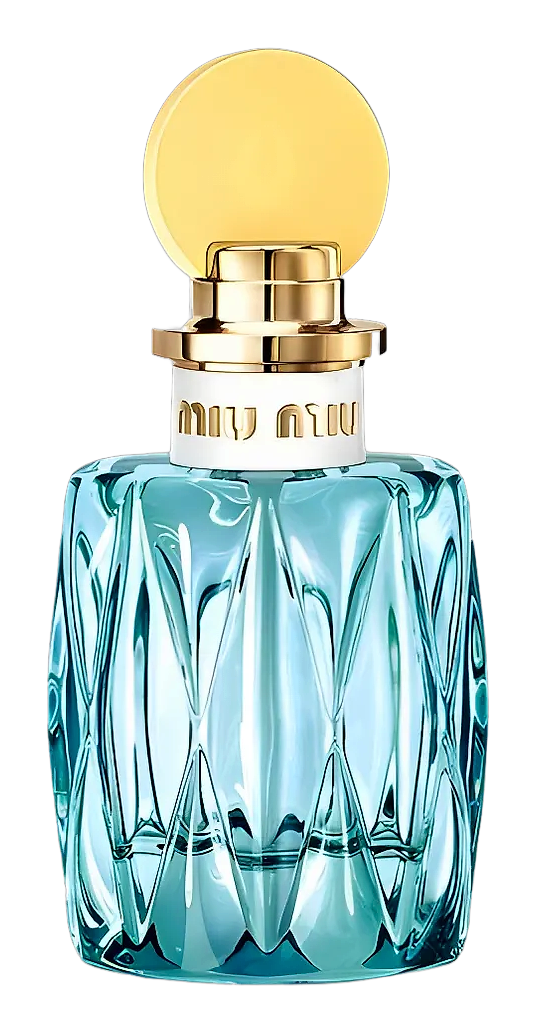
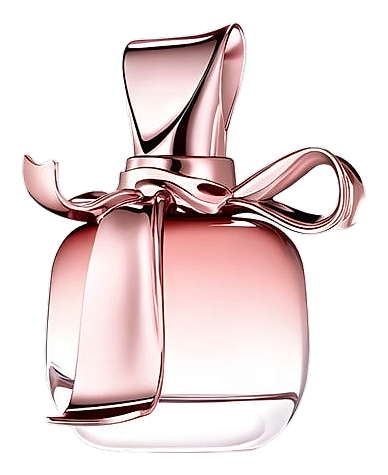
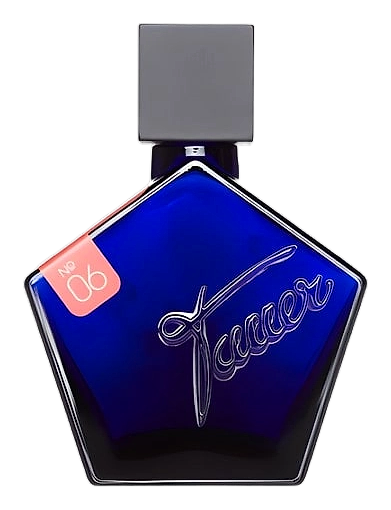
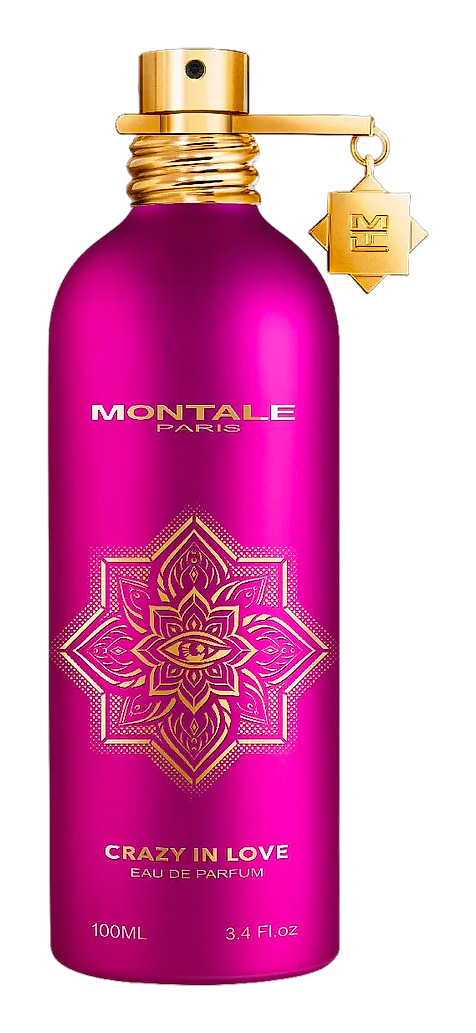
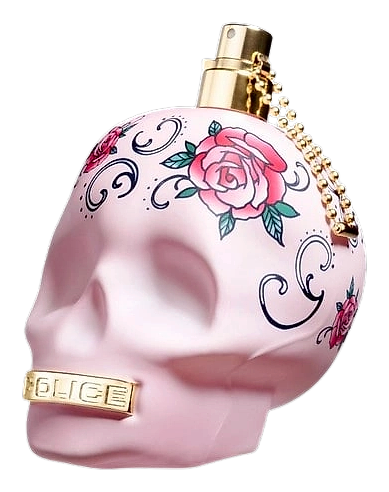
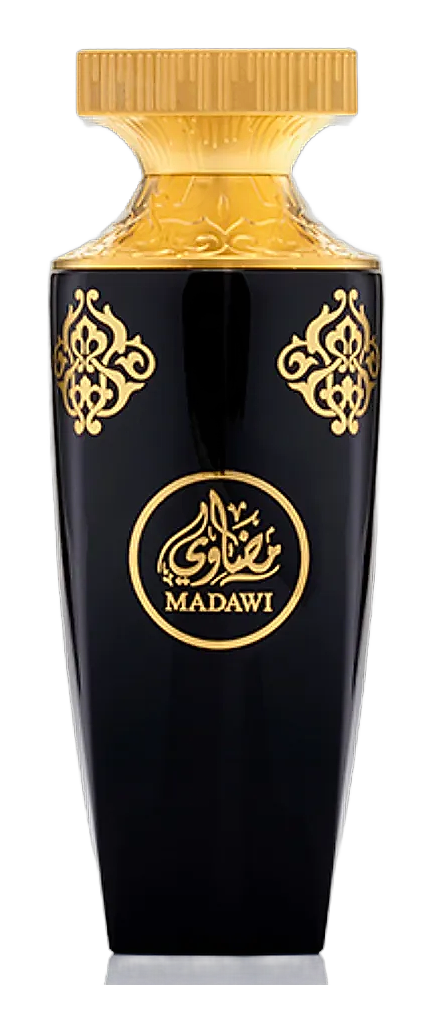
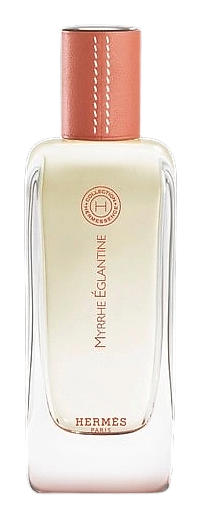
Brands
Brands known for Wild Rose
Good to know
Questions, answered
The essentials on Wild Rose in perfumery: how it smells, where it comes from, and how it behaves on skin.
What does Wild Rose smell like in perfumery?
Wild Rose smells greener, sharper, and more herbaceous than classic Damask Rose. Geraniol and nerol dominate the profile, giving it a dewy, almost raspberry-edged freshness with honeyed undertones rather than the jammy sweetness of cultivated rose oil.
How is Wild Rose different from regular rose?
Standard perfumery rose comes from cultivated Rosa damascena, prized for its dense, sweet, slightly spicy character. Wild Rose comes from species like Rosa canina and carries higher linalool and lower citronellol content, producing a lighter, more astringent, more natural-smelling floral.
Where does Wild Rose originally come from?
Rose distillation originated in ancient Persia, with steam-distilled rose attar documented in the 10th century. Wild rose species themselves are native across Europe, North Africa, and the Caucasus, with modern wild-harvesting concentrated in Bulgaria, Turkey, and rural France.
What extraction method is used for Wild Rose?
Steam distillation is the standard method, yielding a pale yellow essential oil. Solvent extraction is also common and produces rose absolute, a richer material used when perfumers want deeper body and longer-lasting diffusion in a composition.
Is Wild Rose expensive compared to other floral ingredients?
Wild Rose materials command a notable premium because wild-harvested petals yield far less oil per kilogram than farmed Damask roses. Small-scale harvesting and limited growing regions also restrict supply, which lifts the price relative to standard rose absolutes.
Which perfumes famously feature Wild Rose?
Wild Rose appears in several modern niche compositions, including Annick Goutal's Wild Rose and select offerings from brands sourcing wild-harvested Rosa canina petals. It is increasingly used as a naturalistic alternative to traditional Damask Rose accords.
Can Wild Rose be synthesized in a lab?
Yes. Chemists have isolated key rose molecules since 1895, including geraniol, citronellol, nerol, and phenyl ethyl alcohol. Modern synthetic rose bases can approximate wild rose's greener facets, though most perfumers still blend synthetics with natural rose absolute for full complexity.
What pairs well with Wild Rose in a fragrance?
Wild Rose blends naturally with green notes like galbanum and violet leaf, with fruits such as raspberry and lychee, and with woods including sandalwood and cedar. Its sharper profile also handles spices like pink pepper and cardamom particularly well.



