Pomegranate
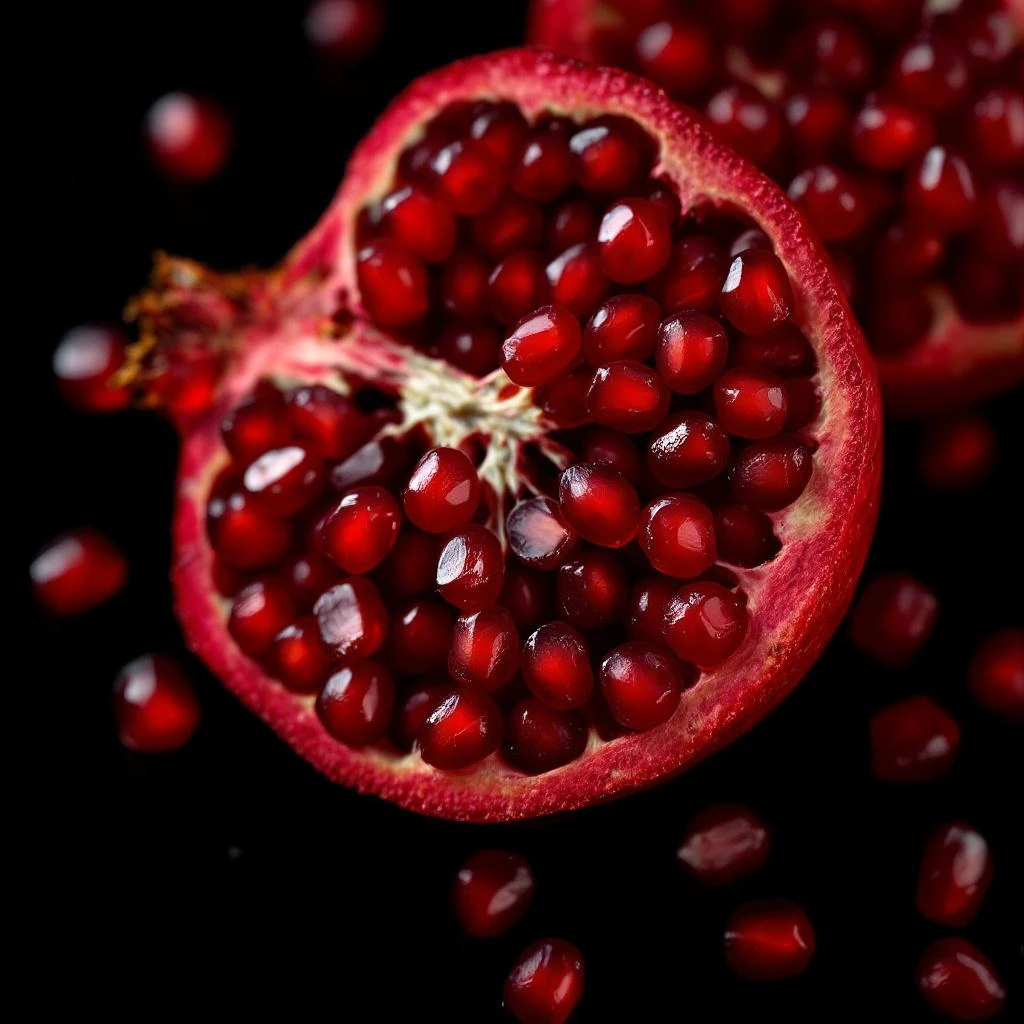
Pomegranate brings a tart, wine-like sweetness to fragrance with its ruby-red seeds and leathery rind. The scent balances fruity brightness with earthy depth.
Character
How it smells
Tart ruby sweetness with leathery depth.
Pomegranate rind contains up to 50% tannins, which give the fruit its characteristic astringent, wine-like edge in perfumery.








Origin
Iran
Pomegranate has appeared in botanical traditions for over 4,000 years, originating in a region spanning modern-day Iran and northern India before spreading along Mediterranean trade routes. Ancient Egyptians buried pomegranates in tombs as symbols of regeneration, while Mesopotamian clay tablets from around 1500 BCE reference the fruit in ritual offerings.
In Persian culture, pomegranates featured in wedding ceremonies as emblems of fertility and abundance. Greek physicians including Dioscorides documented the fruit's medicinal properties, and Romans consumed pomegranate wine called 'rhoites.'
The fruit entered perfumery gradually, initially through infused oils and pomades, before modern extraction techniques in the early 20th century allowed isolated pomegranate notes in commercial fragrances. Middle Eastern perfumers particularly favored the fruit's tart-sweet character, blending it with rose, oud, and amber to create compositions reflecting regional botanical abundance.
Wears it best
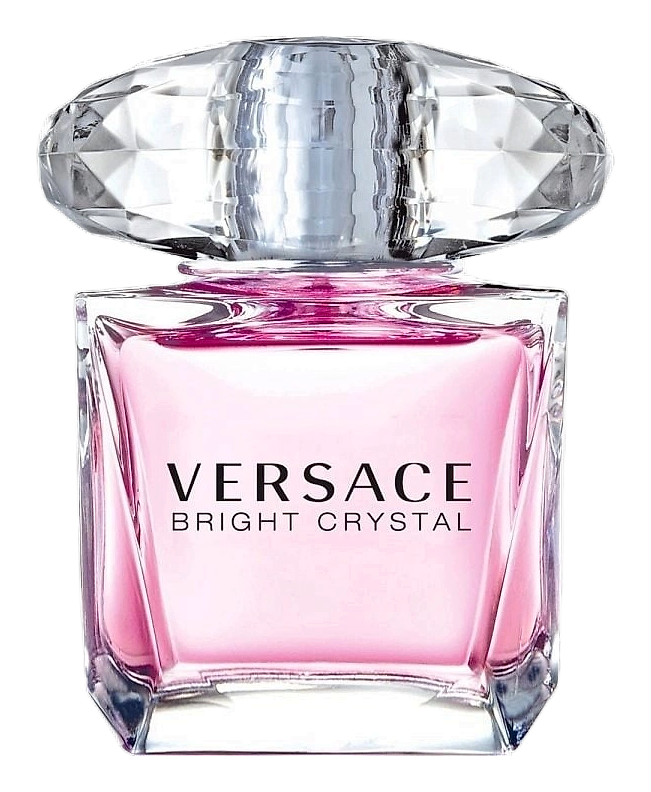
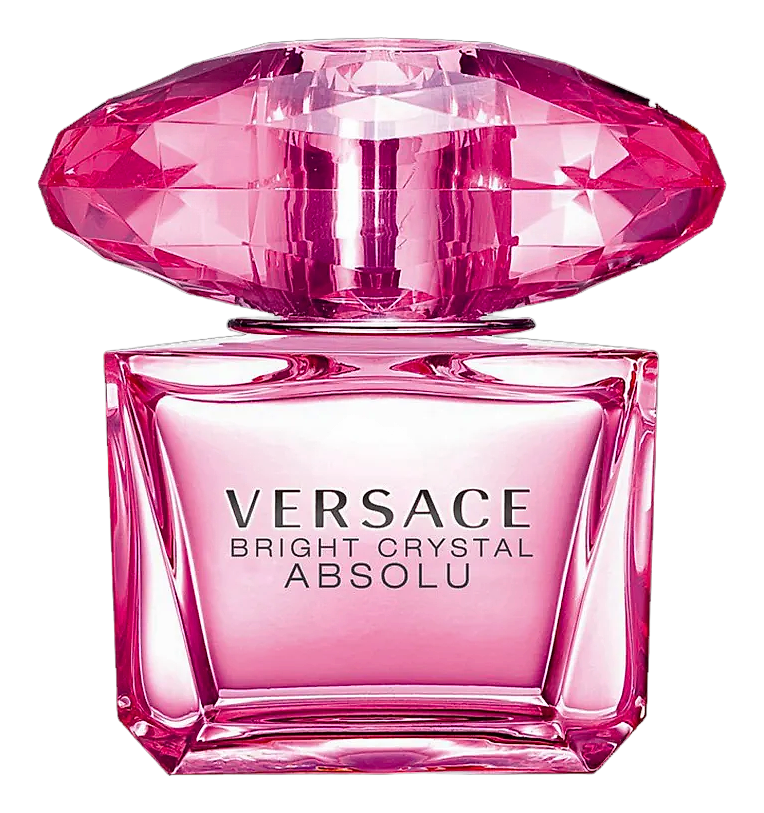
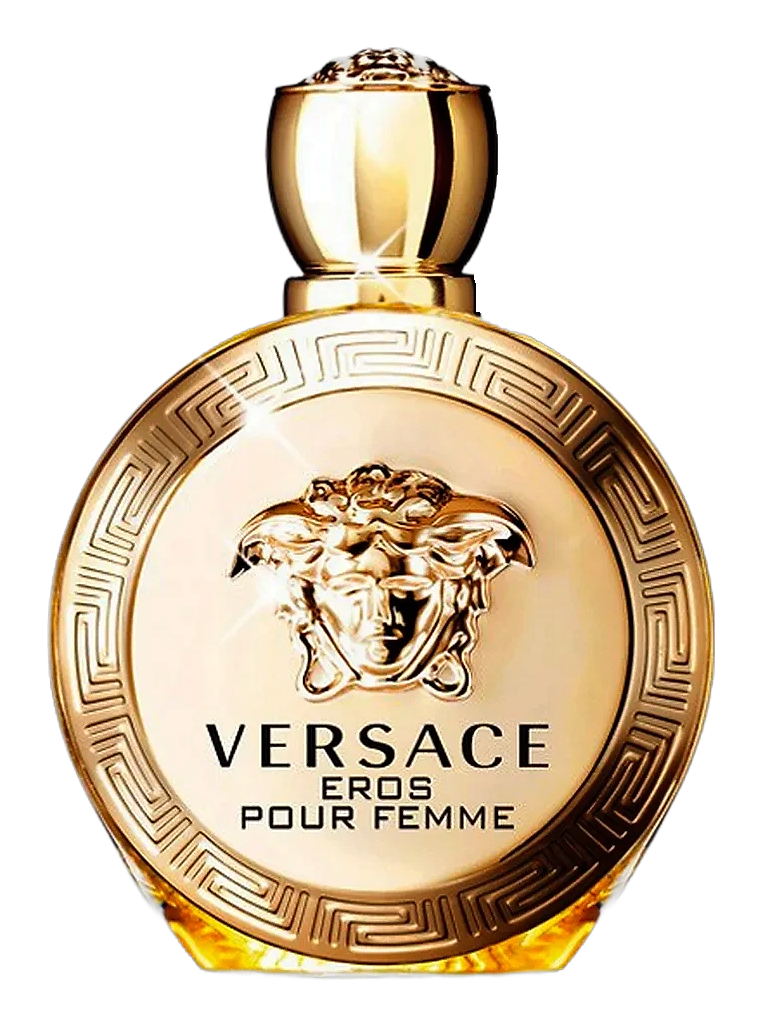
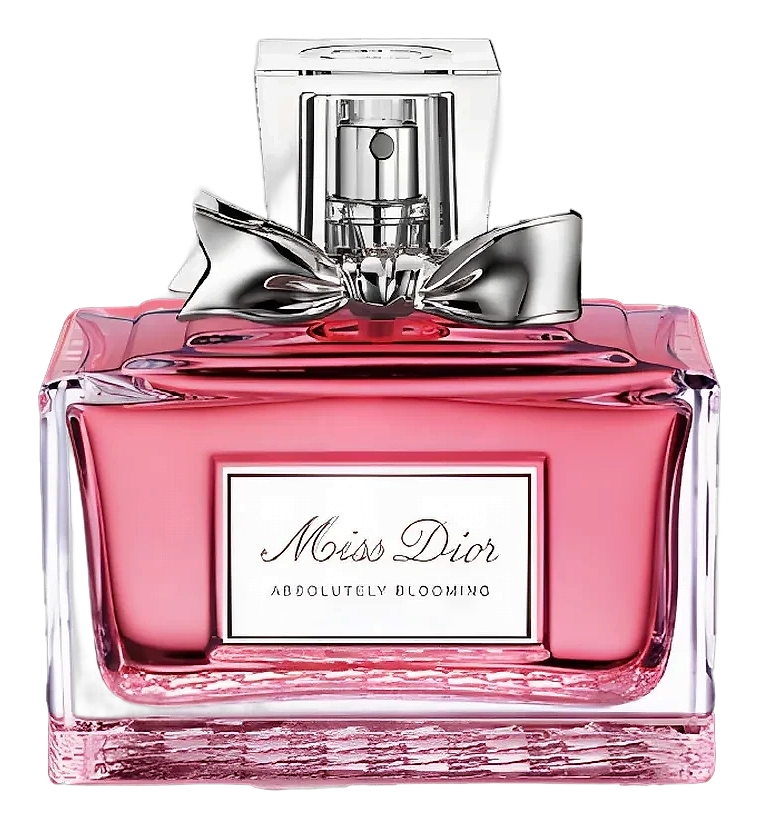
Fragrances featuring Pomegranate

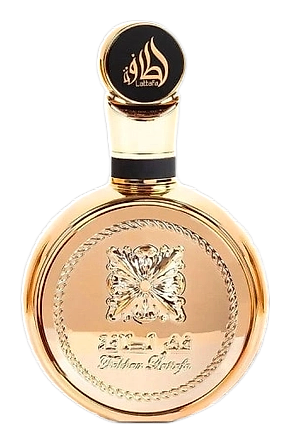

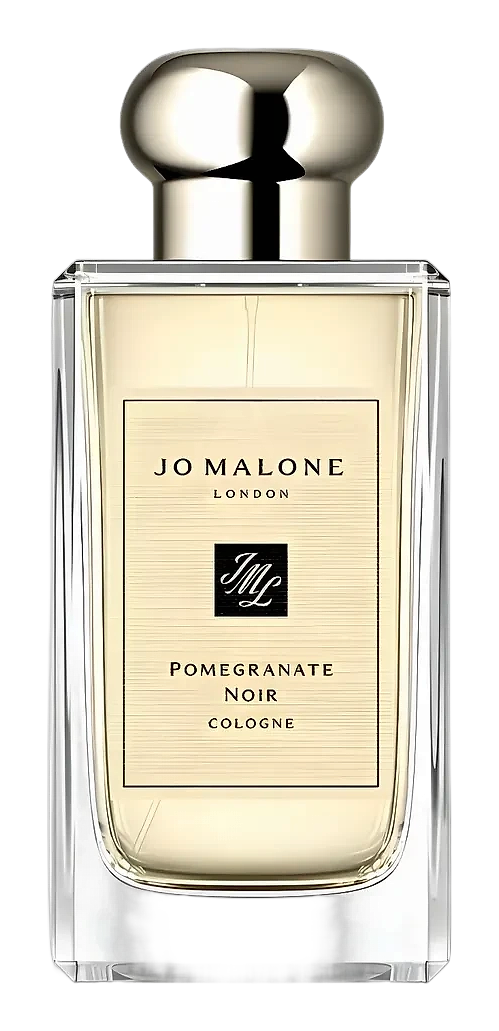

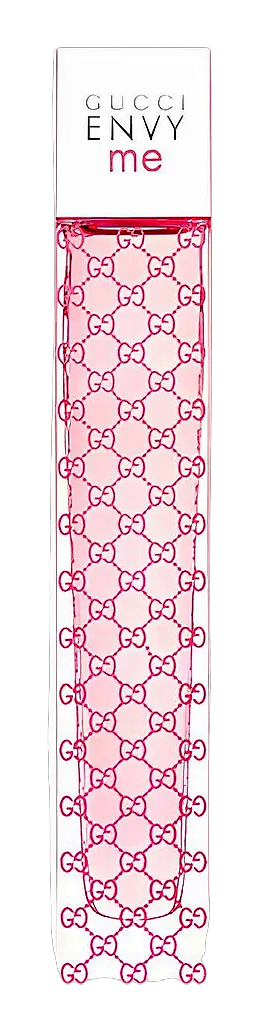
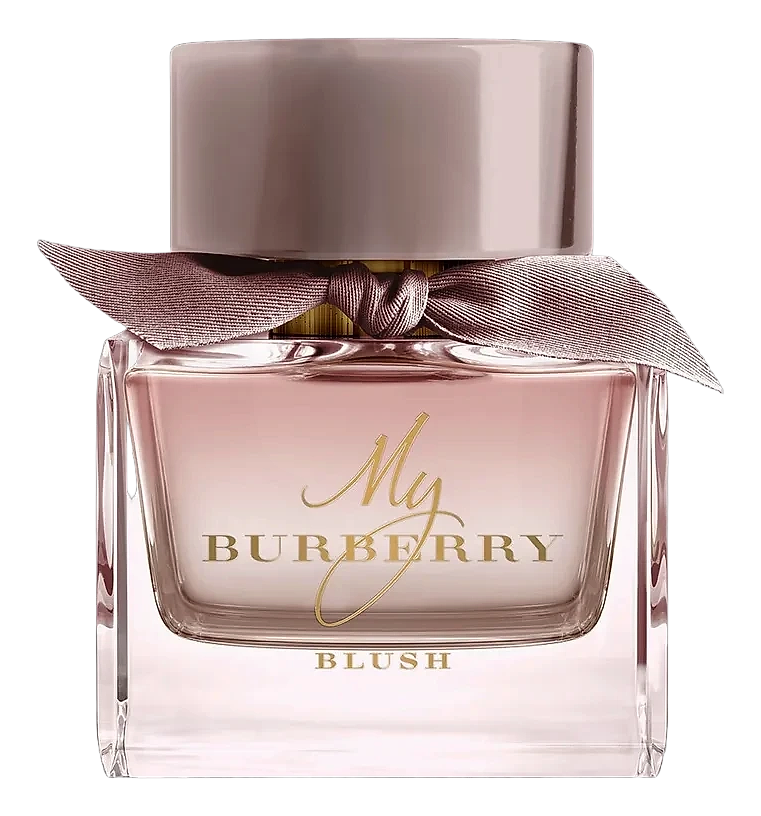
Brands
Brands known for Pomegranate
Good to know
Questions, answered
The essentials on Pomegranate in perfumery: how it smells, where it comes from, and how it behaves on skin.
What does pomegranate smell like in perfume?
Pomegranate in fragrance smells tart and wine-like, with bright fruity sweetness balanced by green bitterness and a subtle leathery undertone. It often reads as fresher and more astringent than sweeter fruits like apple or pear.
Is pomegranate a top, heart, or base note?
Pomegranate typically functions as a top-to-heart note in fragrance compositions. Its volatile esters evaporate quickly, giving an initial burst of brightness that transitions into softer fruity facets within the first 30 minutes.
How is pomegranate oil extracted for perfumery?
Pomegranate oil is most commonly obtained through cold-pressing of seeds or solvent extraction of the rind. Heat-based methods like steam distillation are avoided because they degrade the fruit's delicate aromatic esters.
Where did pomegranate originate?
Pomegranate originated in the region spanning Iran and northern India, with archaeological evidence of cultivation dating back over 5,000 years. It spread westward through Persia, Mesopotamia, and the Mediterranean via ancient trade networks.
Is pomegranate fragrance natural or synthetic?
Most pomegranate notes in modern perfumery are synthetic reconstructions built from aroma chemicals like methyl pamplemousse and specific lactones. Natural pomegranate absolute exists but is expensive and inconsistent in supply.
What other notes pair well with pomegranate?
Pomegranate pairs exceptionally well with rose, pink pepper, cardamom, and oud in oriental compositions. Its tart character also complements fig, lychee, and green tea in lighter, fresher fragrance structures.
Does pomegranate essential oil actually exist?
Yes, but genuine pomegranate essential oil is rare and primarily derived from the rind through solvent extraction rather than true steam distillation. Most commercially available 'pomegranate oil' is cold-pressed seed oil used in cosmetics, not perfumery.
Is pomegranate a common note in mainstream fragrance?
Pomegranate has become increasingly common in mainstream and niche perfumery since the early 2000s, appearing in popular launches from houses including Demeter, Jo Malone, and Atelier des Ors. Its bright tartness suits contemporary fruity-floral trends.