The Story
Why it exists.
The beginning
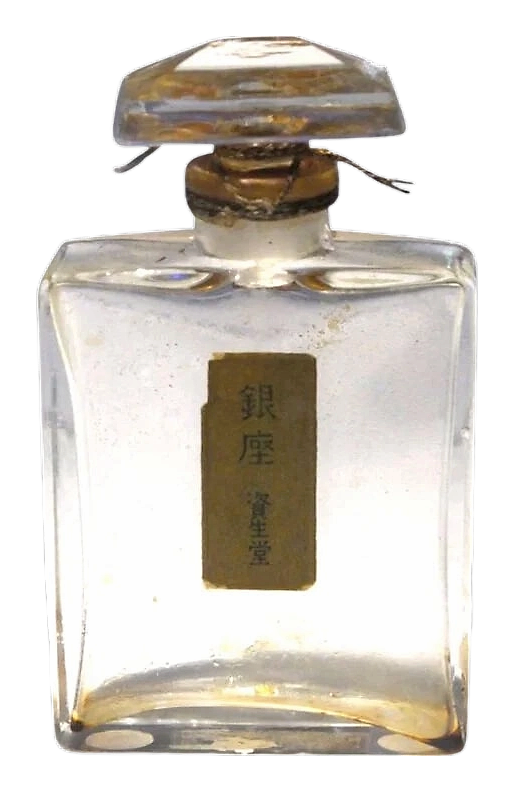
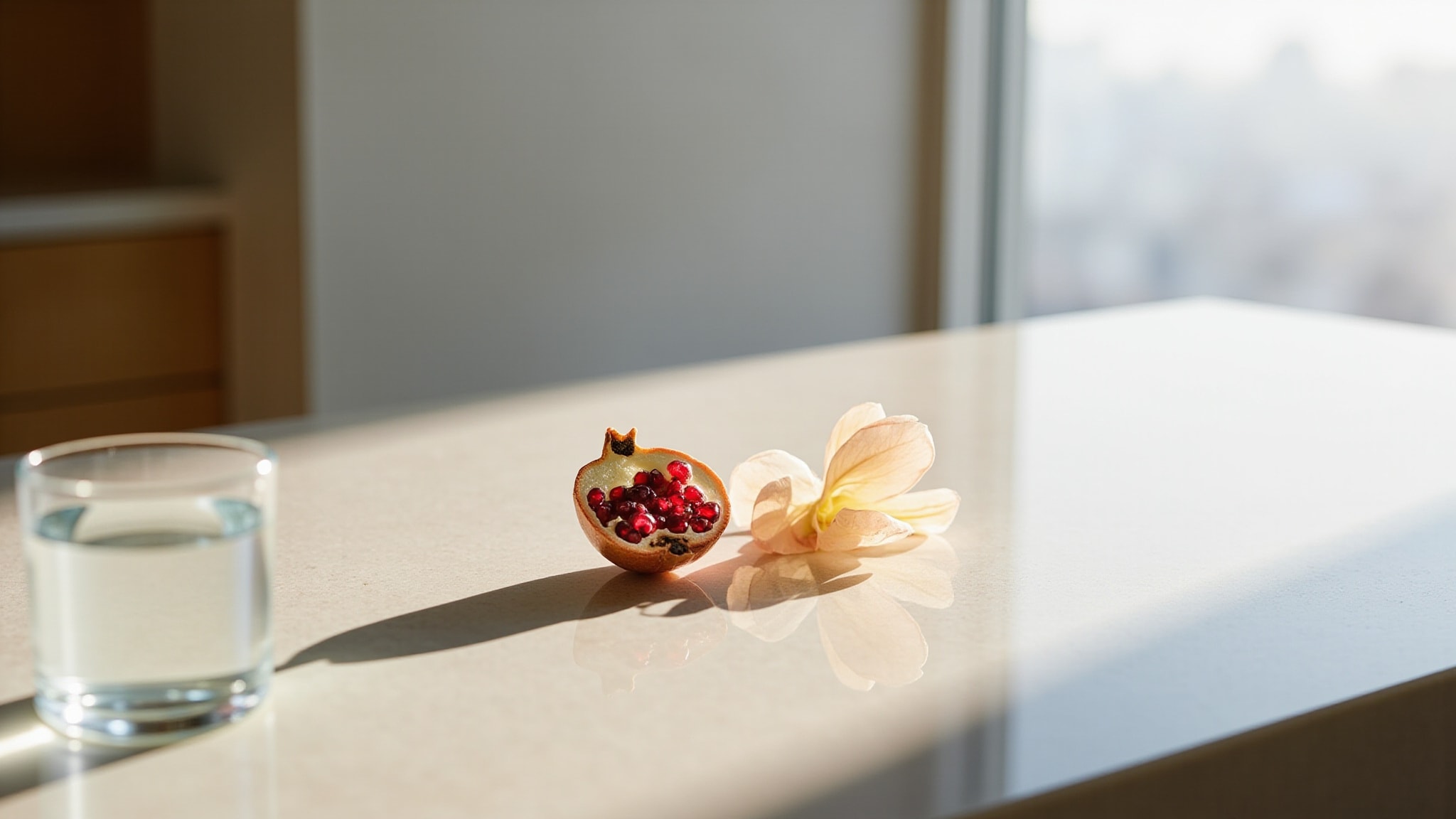
Ginza is named for Tokyo's most refined district, a neighborhood known for its elegance and sophistication. The name itself carries weight and expectation. Pomegranate opens the fragrance sharp and juicy, a bold beginning that captures attention. The white florals build gradually, creating depth and complexity. The base is all hinoki and sandalwood: Japanese woods that provide a grounding foundation. Ginza, the fragrance, doesn't shout. It invites. There's a quiet confidence to it, a presence that speaks softly but leaves a lasting impression. The composition balances bright top notes with softer heart notes, all anchored by these distinctive Japanese woods. It's a fragrance that rewards attention without demanding it.
White florals, jasmine, magnolia, orchid, freesia, bring natural sweetness that can easily become overwhelming. Here, pink pepper adds a small electric shock at the top, a brief lift that energizes the opening. The Japanese woods in the base ground the composition without overpowering. Hinoki smells like clean air and old wood. Sandalwood smells like skin warmed by afternoon. The fragrance evolves as the florals recede and the woods become more prominent, creating a natural progression.
The evolution
The opening is immediate. Pomegranate arrives vivid and tart, pink pepper following close behind, an almost electric sensation that feels immediate and bright. Within minutes, the florals begin their slow takeover. Magnolia and freesia take turns leading, jasmine pressing in from behind. The heart unfolds gradually, revealing jasmine's presence without overwhelming the composition. As the florals start to thin, patchouli rises first, earthy and grounding, the scent of something rooted. Then the Japanese woods arrive: hinoki and sandalwood, clean and contemplative. The pomegranate fades. The pepper fades. What's left is soft, close, and intimate, a skin scent in the best sense. The drydown holds for hours, fading quietly into sandalwood and memory.
Cultural impact
Ginza sits comfortably in the tradition of Shiseido's modern feminines, scents that balance sweetness with composure. The combination of pomegranate and Japanese woods feels fresh without being radical. The fragrance has a quiet confidence, present, refined, and entirely comfortable in its own skin.