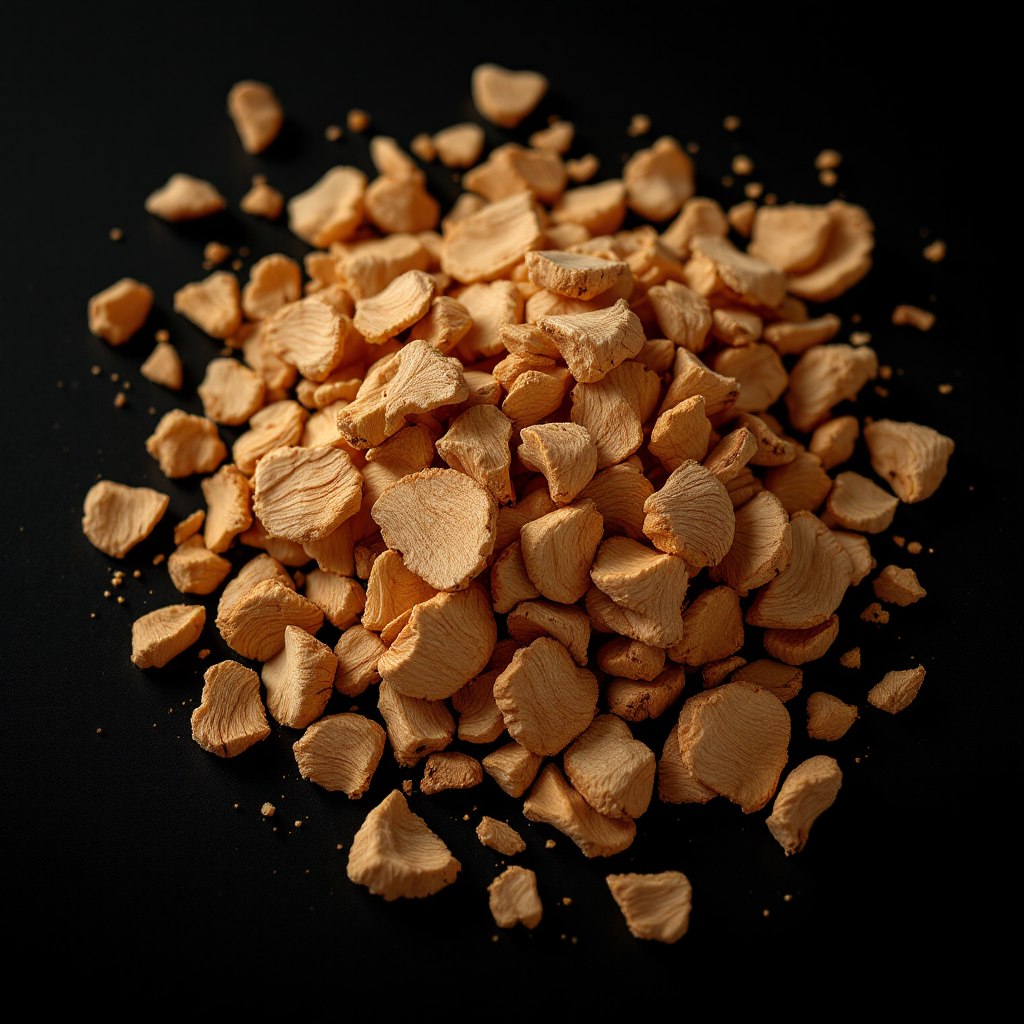
Hinoki Cypress
Hinoki cypress (Chamaecyparis obtusa) is a sacred Japanese wood prized in perfumery for over a thousand years. Steam-distilled from the heartwood and leaves, it yields a crisp, dry, faintly smoky oil with camphoraceous freshness and warm cedar undertones. The scent opens sharp and settles into quiet warmth.
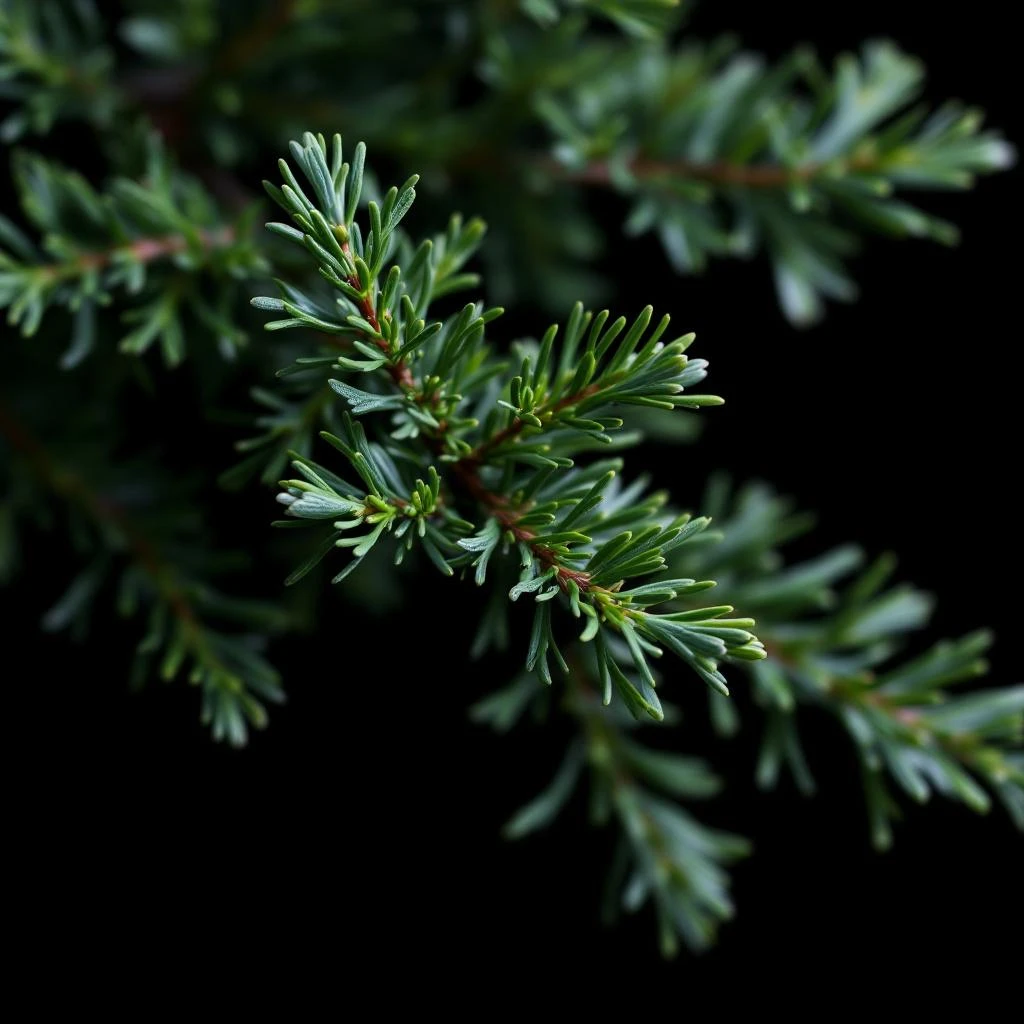
Character
How it smells
Sacred Japanese cypress. Centuries of scent culture.
Horyuji Temple in Nara Prefecture, built in the early 7th century, remains the world's oldest wooden structure—constructed entirely from hinoki heartwood.









Origin
Japan
Hinoki holds sacred status in Shinto tradition and has shaped Japanese spiritual architecture for over fourteen centuries. Craftsmen first prized this slow-growing evergreen for temple and shrine construction—their choice driven by the wood's exceptional resistance to decay and its calming, citrus-like fragrance that fills sacred spaces.
The tree also became the primary wood for traditional Japanese incense, burned during rituals, ceremonies, and meditation practices to cleanse the spirit and sharpen focus. Hinoki essential oil entered Western perfumery only in the late 20th century, yet it quickly became essential to meditative, woody compositions.
Today, perfumers associate it with contemplative wear—fragrances meant to ground rather than announce. Its adoption by Comme des Garçons and Le Labo cemented hinoki's place as a bridge between Japanese ritual and contemporary olfactory art.
Wears it best
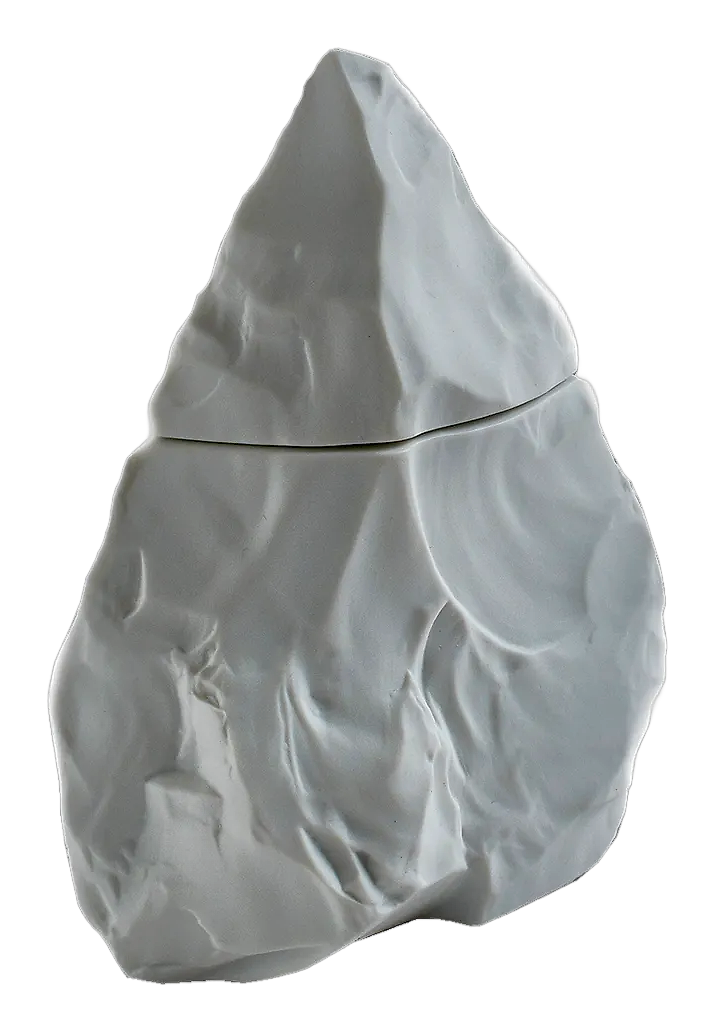
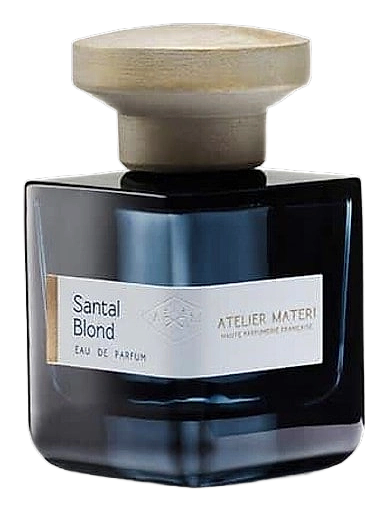
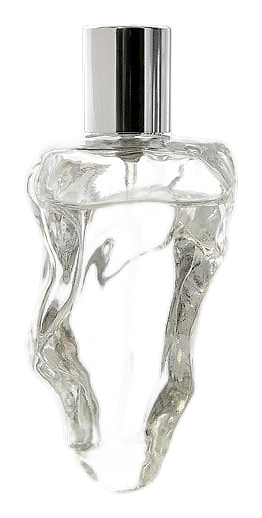
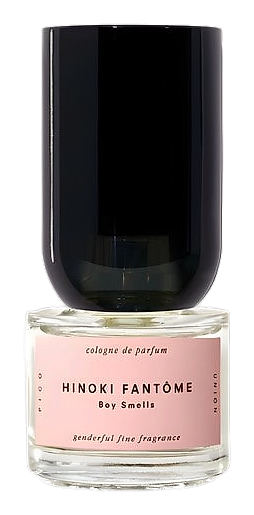
Fragrances featuring Hinoki Cypress
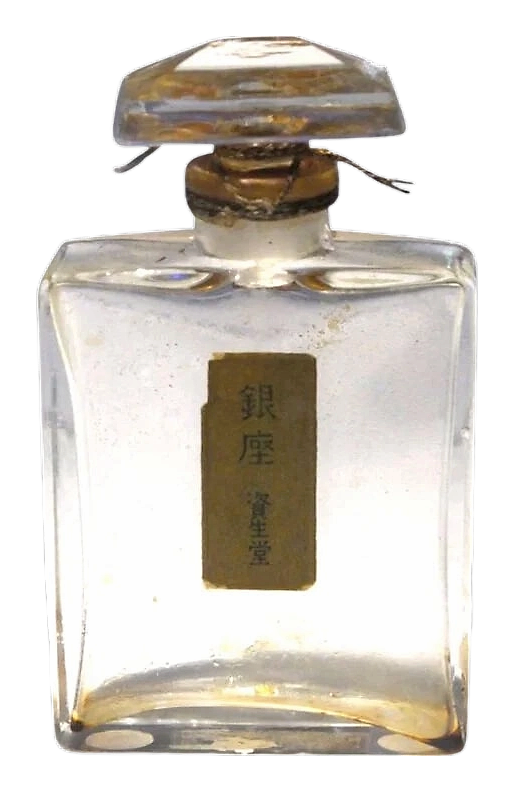

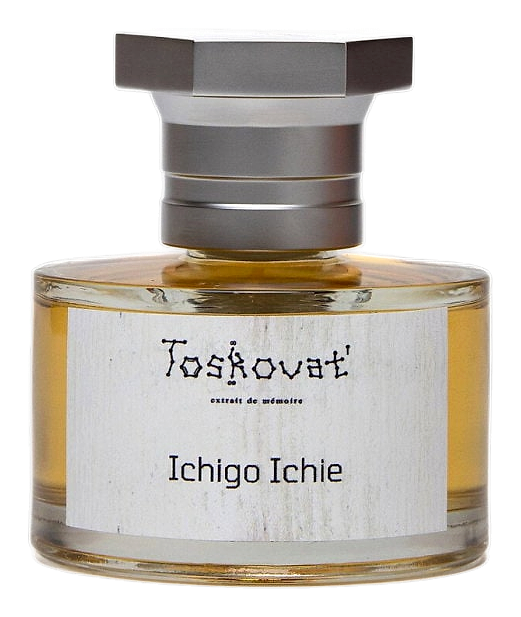


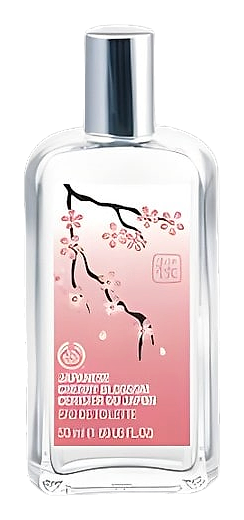
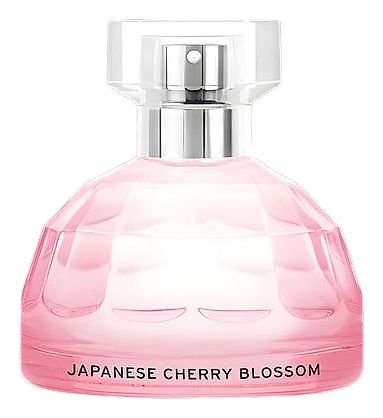
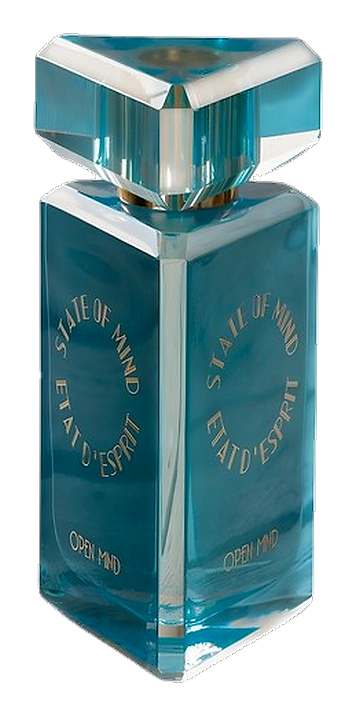
Brands
Brands known for Hinoki Cypress
Good to know
Questions, answered
The essentials on Hinoki Cypress in perfumery: how it smells, where it comes from, and how it behaves on skin.
What does hinoki cypress smell like?
Hinoki opens sharp and crisp, settling into dry, faintly smoky woodiness. It carries camphoraceous freshness with warm cedar undertones and a subtle citrus brightness. The overall impression is clean, resinous, and meditative—a woody scent that grounds rather than overwhelms.
Where does hinoki wood originate?
Hinoki grows natively in Japan, primarily in the mountains of central regions. The Chamaecyparis obtusa tree thrives in damp, well-drained loamy soils above -23°C. Its slow growth and limited native range contribute to its value—the tree eventually reaches 35 meters tall with a diameter up to one meter.
How long does a hinoki tree take to mature before harvest?
Hinoki grows slowly. The trees used for perfumery and construction typically represent centuries of growth. This patient cultivation contributes to the oil's complexity—the heartwood accumulates aromatic compounds over decades, yielding depth that faster-growing woods cannot match.
Is hinoki sustainably harvested?
Hinoki remains highly regulated in Japan, where forestry practices emphasize selective harvesting and replanting. Responsible producers source from sustainably managed forests or plantation-grown stock. The wood's cultural importance motivates conservation efforts that protect wild populations from overharvesting.
What role does hinoki play in Japanese culture?
Shinto tradition considers hinoki sacred. For over a thousand years, craftsmen have used it for temple and shrine construction, traditional tea houses, and incense. The wood's antiseptic properties made it ideal for bathhouses and spiritual spaces—places demanding purity and lasting fragrance.
Which fragrances feature hinoki prominently?
Comme des Garçons Scent 01: Hinoki (2008) established hinoki's place in Western perfumery. Other notable compositions include Le Labo Gaiac 10 and Diptyque Tam Dao. The note pairs naturally with vetiver, sandalwood, incense, and citrus elements.
What is the extraction process for hinoki essential oil?
Producers use steam distillation to extract oil from both heartwood and leaves. Heartwood yields deeper, resinous tones; leaves contribute brighter, camphoraceous freshness. The oil appears clear to pale yellow and rates as a middle perfumery note with medium intensity.
Can hinoki oil be used for aromatherapy?
Yes. Aromatherapists value hinoki for promoting relaxation and mental clarity. The scent creates a tranquil atmosphere suited to meditation and stress reduction. Practitioners also note its traditional use as a strong antiseptic with affinity for respiratory and immune support.