
The Story
Why it exists.
The beginning
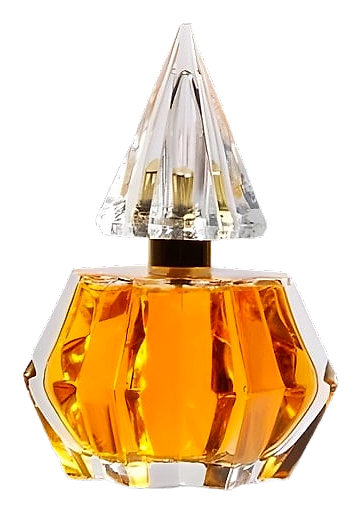
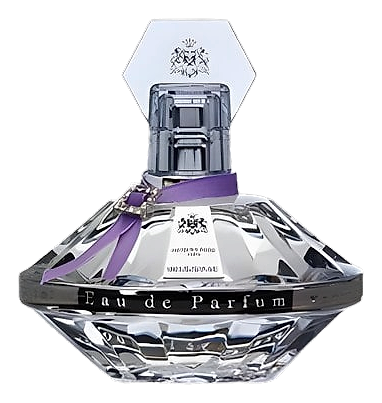
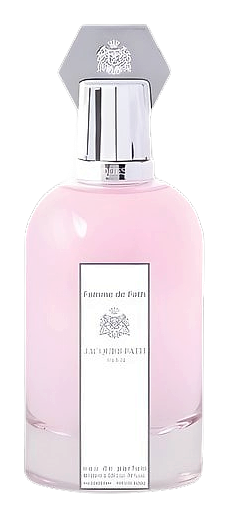
La Femme de Fath was conceived as the archetype of the Jacques Fath woman. In 2012, perfumer Raphaël Haury set out to capture her in fragrance, someone who carries couture confidence without announcement. The brief leaned into the house's tradition of classic florals (rose, jasmine) while introducing contemporary counterpoints: pink pepper's spice, a mossy earthiness underneath. Not revolutionary. Assured.
This fragrance sits in the space between classical chypre and modern florals. The green, slightly bitter mossiness that defines chypre structure is here, but softened by peach's sweetness and rose's romantic warmth. That pink pepper in the top is the contemporary move, it keeps the whole composition from feeling like a museum piece. It's chypre for people who want the structure, not the history lesson.
The evolution
The opening announces itself with a burst of citrus, bergamot and orange, bright and tart. Pink pepper follows, adding a slight spice that lingers longer than expected. That sparkle fades within thirty minutes, and the heart takes over. Rose and peach blend into something velvety and warm. Jasmine adds cream underneath, but the dominant impression is lush and intimate, the smell of a rose garden in late afternoon light, not a florist's display. The drydown shifts the energy entirely. Moss and vetiver arrive quietly, bringing an earthy, slightly bitter depth that lingers close to the skin for four to six hours on most people. Patchouli keeps the sweetness from disappearing entirely. The result stays intimate, someone standing beside you will catch it, not someone across the room.
Cultural impact
Jacques Fath has been producing fragrances since 1946 with a distinctly Parisian theatrical sensibility. La Femme de Fath, as a 2012 floral chypre, fits within that lineage, elegant and romantic, with an edge of mischief underneath. It's not a crowd-pleaser, and that suits the house just fine.
The House
Jacques FathJacques Fath Parfums translates the Parisian couturier’s flair for drama into a line of fragrances that balance classic structure with a mischievous twist. Since the first scent in 1946, the house has offered a mix of floral, woody and aromatic compositions that echo the designer’s runway spirit. Each bottle arrives wrapped in hand‑stitched paper and sealed with wax, a tactile reminder that the brand treats scent as a wearable accessory rather than a mere commodity.
The Creator
Raphaël HauryWithout access to his specific fragrance portfolio, style assessment remains speculative. Independent perfumers of his generation often favor natural-heavy constructions with pronounced texture and a preference for warm, resinous bases.