





Heritage
A house, in its own words
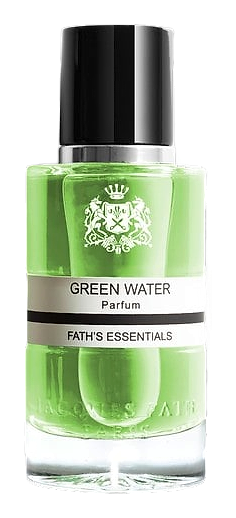
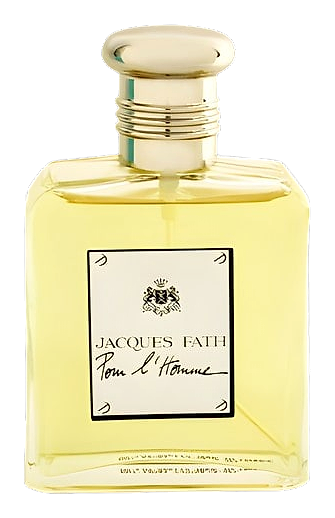
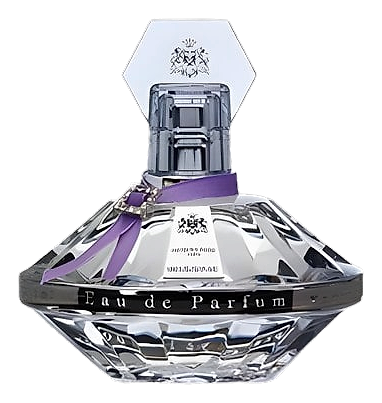
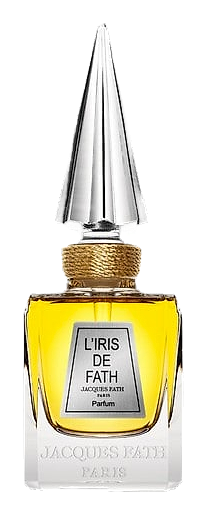
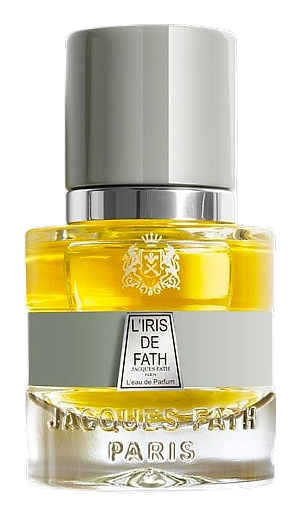
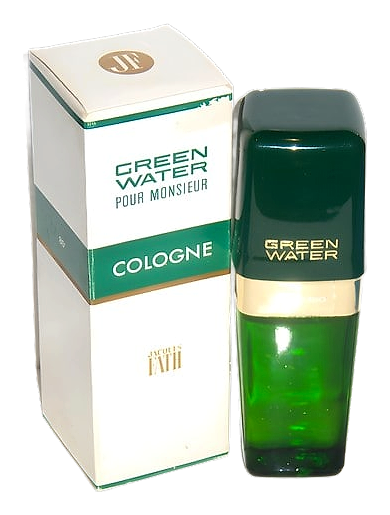
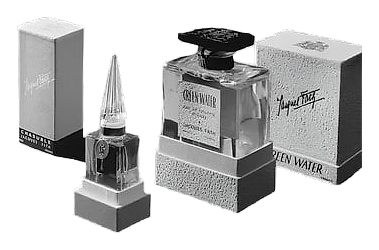
Jacques Fath was born in 1912 in Saint-Quentin, France, and opened his couture house on Rue du Faubourg Saint‑Honoré in 1937. The label quickly earned a reputation for youthful exuberance, dressing stars such as Brigitte Bardot and Brigitte Helm. In 1946 the fashion house launched its first perfume, Green Water Pour Monsieur, created with master perfumer Vincent Roubert. The same year the house introduced Iris Gris, a floral that reflected the post‑war optimism of Paris. Throughout the 1950s and 1960s the brand released a steady stream of scents, including Fath de Fath (1953) and Canasta (1950), each bearing the same sense of theatricality that defined the runway collections. After Jacques Fath’s death in 1954, the fashion and fragrance divisions struggled, and the perfume house fell dormant in the 1970s. In 1992 Tom Van Lingen, a Dutch designer, acquired the brand and began a careful revival, re‑issuing classic formulas while commissioning new works. The early 2000s saw the launch of modern interpretations such as Irissime Noir (2014) and the 2018 release of L’Iris de Fath Parfum, a nod to the original 1946 Iris. Today the house remains under the umbrella of the Panouge Group, continuing to blend heritage with contemporary sensibility. The brand treats fragrance as an extension of couture, believing that scent should complement clothing in the same way a well‑chosen accessory completes an outfit. Jacques Fath Parfums emphasizes a dialogue between tradition and innovation, preserving original recipes while inviting modern perfumers to reinterpret them. The house values craftsmanship, insisting on hand‑finished packaging that signals respect for the consumer’s tactile experience. It also champions a playful elegance, often injecting unexpected notes—such as a hint of citrus in a traditionally floral composition—to keep the olfactory narrative lively. Sustainability enters the conversation through selective sourcing of natural ingredients, though the brand does not claim a fully green supply chain. Overall, the philosophy centers on creating scents that feel both timeless and instantly wearable, mirroring the designer’s original aim to dress the world with confidence and charm.