
The Story
Why it exists.
The beginning
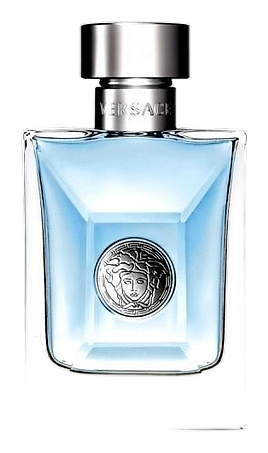
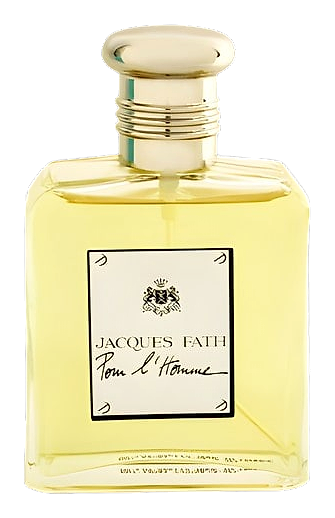
Olivier Gillotin created Pour L'Homme for Jacques Fath in 1998 with a clear intention: build a masculine fragrance that refused to behave like one. Where the late '90s market churned out aquatic freshies by the dozen, this one staked out different territory. The brief was simple on paper, citrus, cedar, and enough spice to give the composition weight, but the execution balanced cool and warm in a way that felt deliberate rather than accidental. It wasn't trying to smell like everyone else. It was trying to smell like the version of yourself that shows up when you actually mean it.
The unusual element here isn't any single note, it's the raspberry. It's a fruit that shows up rarely in masculine compositions, and rarer still as a heart note rather than a decorative afterthought. In Pour L'Homme, it sits between lavender and rose, softening what could have been a purely sharp aromatic structure into something with actual dimension. The frankincense in the base reinforces this: it's not the incense of a cathedral, but something smokier and more intimate, a resin that settles into the skin rather than announcing itself across a room. Together, these decisions make the fragrance feel less like a product of its decade and more like something that simply aged well.
The evolution
The opening hits fast, mint and grapefruit cutting through with the kind of clarity that makes you check your wrist. Cedar follows within minutes, sharpening the citrus into something more structural. This early phase lasts maybe thirty minutes, and it's the most assertive part of the wear. Then the hand-off. The citrus fades, the mint settles, and the heart opens up: lavender's herbal warmth meets raspberry's unexpected sweetness, with rose and violet softening the edges. This middle phase is where the fragrance reveals its personality, it's warmer and more complex than the opening suggested, a deliberate bait-and-switch that rewards staying with it. By hour three, the base takes over. Amber and tonka bean create a sweet warmth that rounds everything out. Frankincense adds a quiet smokiness, patchouli brings the earth, and musk keeps it close to the skin. Eight to ten hours later, on most skin types, the drydown still hovers intimate and warm.
Cultural impact
Pour L'Homme occupies an interesting position in late-1990s masculine perfumery. Released in 1998, it arrived at the tail end of an era defined by fresh aquatics and ozonic fougères, yet it refused to follow the crowd. The combination of cool mint-citruses with a warm amber-woody drydown and an unusual raspberry heart gave it a complexity that stood apart from the market's safer offerings. Community ratings consistently place it above average for scent quality and value, with longevity that outlasts many of its contemporaries. It's the kind of fragrance that fans return to season after season, not because it's famous, but because it works.