
The Story
Why it exists.
The beginning
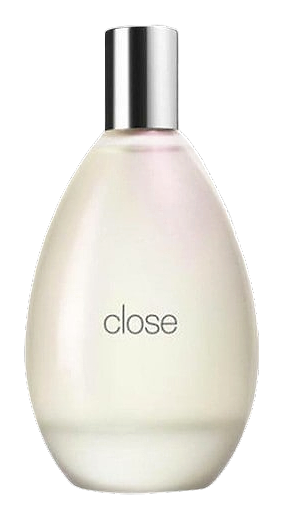
The name says everything. Close, proximity, intimacy, the scent of someone near rather than across the room. Gap launched Close in 2009 under perfumer Marypierre Julien, building on the brand's long tradition of accessible American fragrance. Where other houses chased complexity, Gap went for closeness. Close was designed to feel like the name implied: a scent that lives against the skin, intimate rather than projecting, democratic rather than exclusive. It fit the Gap philosophy perfectly, fragrance as personal style, not status symbol. Julien constructed the composition around that central tension: an aquatic salt-citrus opening that reads clean and modern, softened by almond blossom into something powdery and warm. The white floral heart keeps things gentle, while the musk-vanilla base anchors everything close. Close was never meant to fill a room. It was meant to make someone lean in.
What makes Close interesting is the way it handles salt. Not oceanic, not mineral, something cleaner, almost synthetic in its precision. The salt accord sits alongside citrus and aquatic notes in the opening, creating a sparkling freshness that never gets sharp or challenging. It reads as clean, modern, almost clinical. Then the almond enters. Powdery, soft, with a faint nuttiness that warms everything up. Combined with the white florals, freesia, jasmine, heliotrope, the heart becomes soap-adjacent without ever tipping into detergent. It's that clean-skin smell, the one that reads as freshness rather than fragrance. The base is where Close earns its name.
The evolution
The opening hits clean and bright, salt air, citrus, a fleeting aquatic shimmer. Thirty minutes in, the almond softens everything. The florals arrive quietly, freesia first, then jasmine, but they're polite guests, never overwhelming. The salt doesn't disappear. It deepens, becoming something mineral rather than marine, grounding the sweetness that follows. By the second hour, the composition settles. Musk and vanilla take over, the florals fade, and what remains is warm and powdery, close to the skin, intimate rather than announced. The sandalwood keeps things interesting, adding a faint woodiness that stops the base from going entirely soft. Three hours in, Close is a skin scent. Vanilla and musk, with just a trace of powdery almond lingering. On fabric, it holds a little longer, a faint warmth that survives a workday. On the wrist, it disappears by evening. The drydown rewards patience: it's quieter than the opening, but warmer, and more honest about what Close actually is.
Cultural impact
Close has earned a loyal following among fragrance enthusiasts who appreciate its clean, gentle character. The community consistently describes it as versatile, with particular strength in warmer months. Where it divides is longevity: some report a full workday, others find it fades by afternoon. The sillage stays moderate, close rather than announced. It's the fragrance you wear when you want to smell good without thinking about it.