Citrus fruits
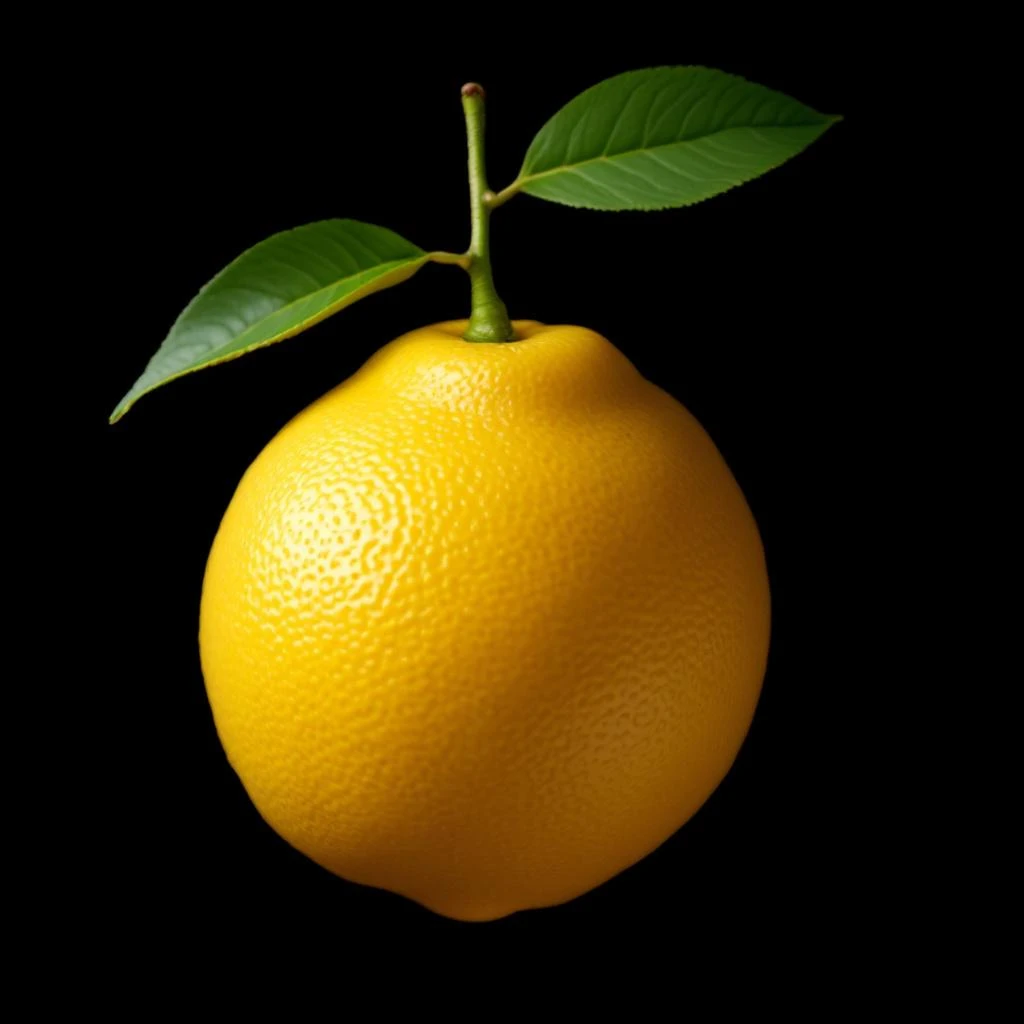
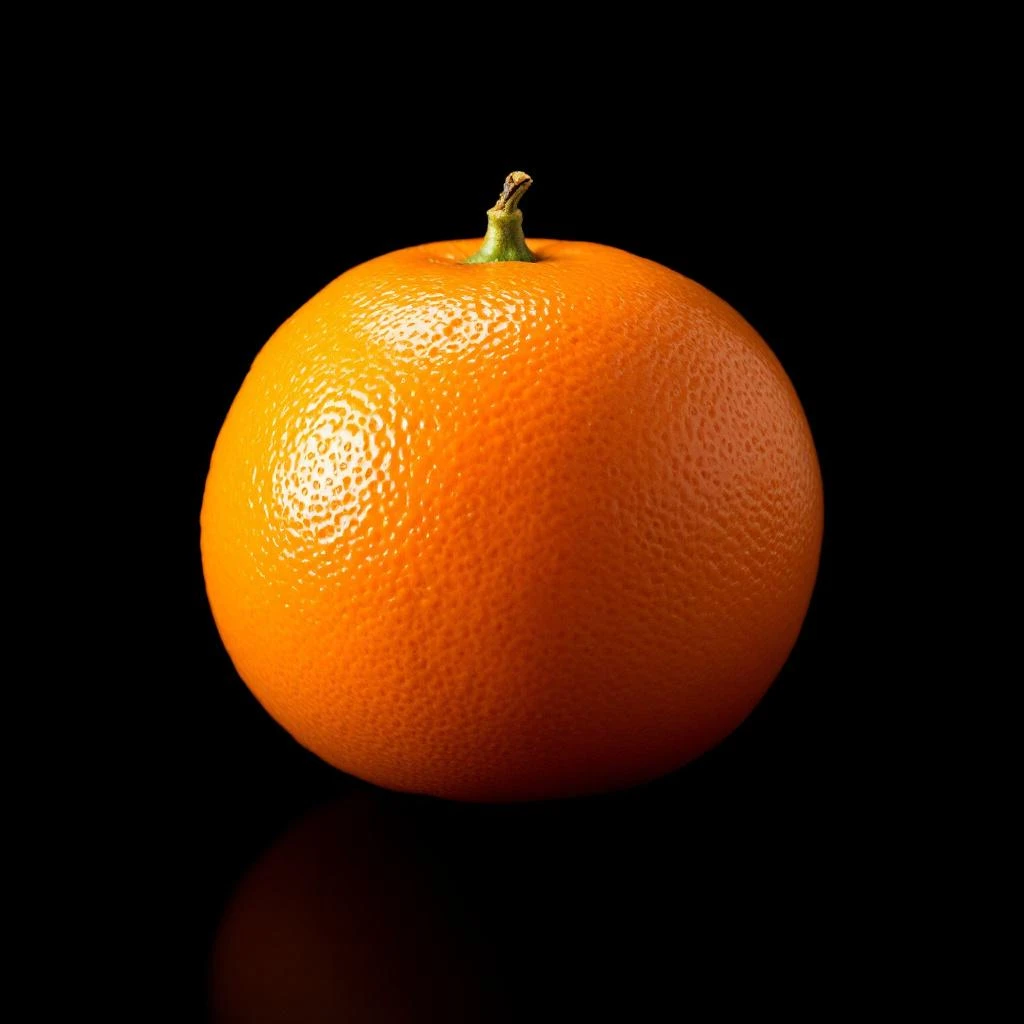
Sun-bright zest pressed from peels of bergamot, lemon, orange, grapefruit, and mandarin. Citrus oils deliver the opening spark in countless compositions, lifting heavier notes with luminous acidity.

Character
How it smells
Pressed sunshine in a bottle.
Italy's Calabria region produces roughly 90% of the world's bergamot oil, making a single coastal strip the source of one of perfumery's most prized ingredients.









Origin
Italy
Citrus peel oils entered European perfumery through Italy, where Sicily and Calabria became twin engines of production. The 18th century saw the word "cologne" enter common usage, describing fresh, citrus-forward compositions built on bergamot, lemon, and neroli. Before mechanized presses existed, Calabrian workers practiced scorze a mano, hand-scraping peel with sponges or special spoons to gather precious essence.
The development of expression machinery in 19th-century Sicily industrialized the process without sacrificing the delicate top notes that define citrus oils. Italy's Calabrian coast, with its specific microclimate and mineral-rich soil, emerged as the world's bergamot capital, a status it still holds at roughly 90% of global supply. Spain's Valencia region matched this expertise for oranges and lemons, while Brazilian groves expanded citrus oil production for commercial fragrances and flavoring throughout the 20th century.
Today, citrus remains the opening note in an estimated half of all fine fragrances, a testament to enduring appeal.
Wears it best
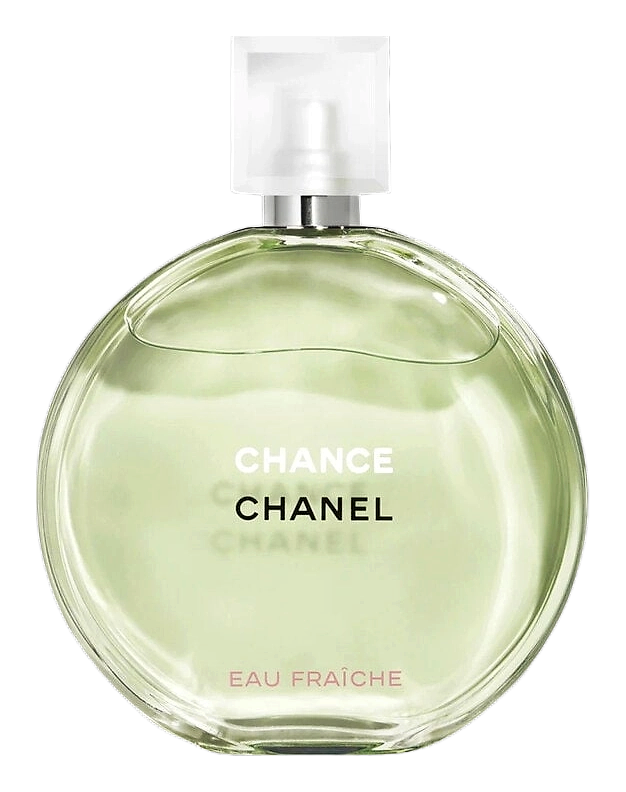
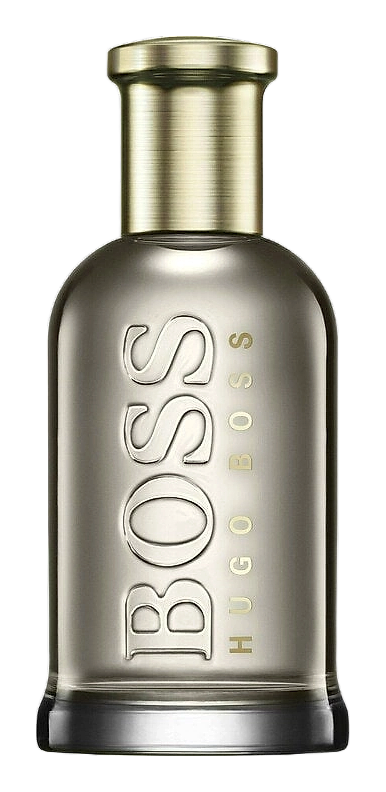
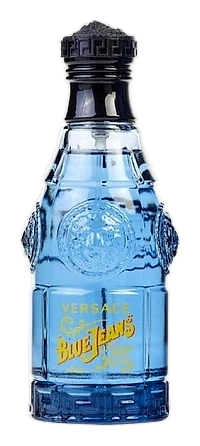
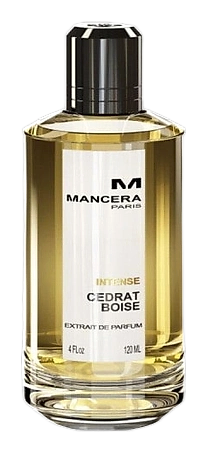
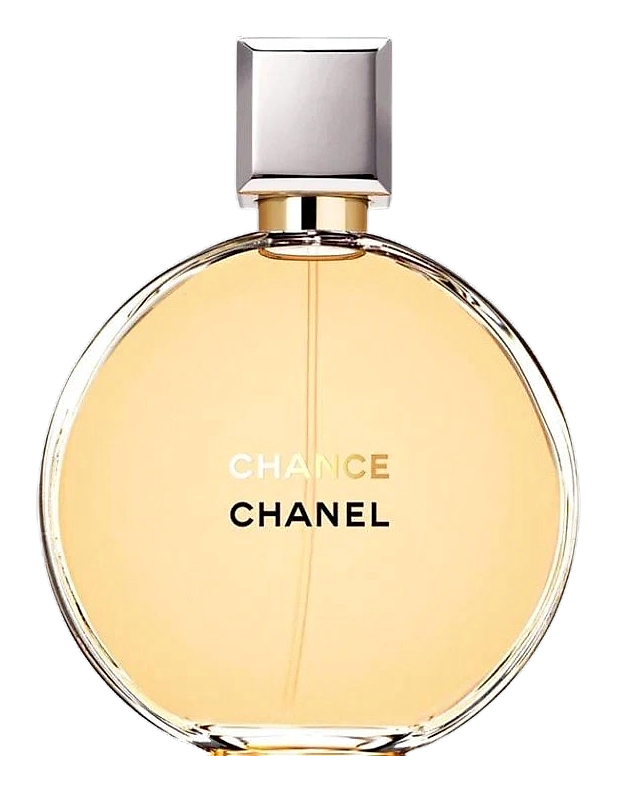
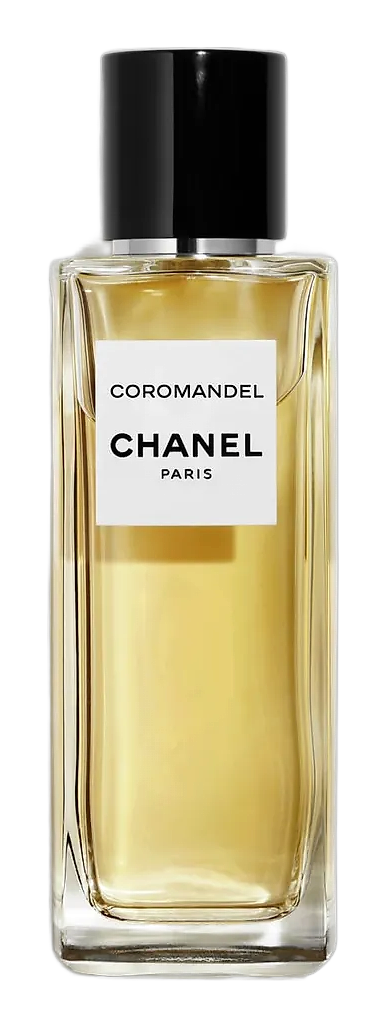
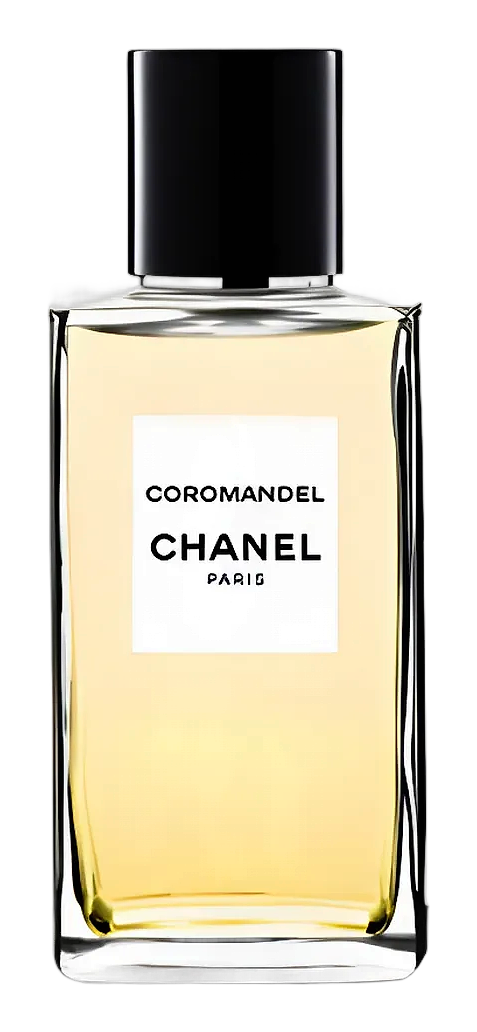
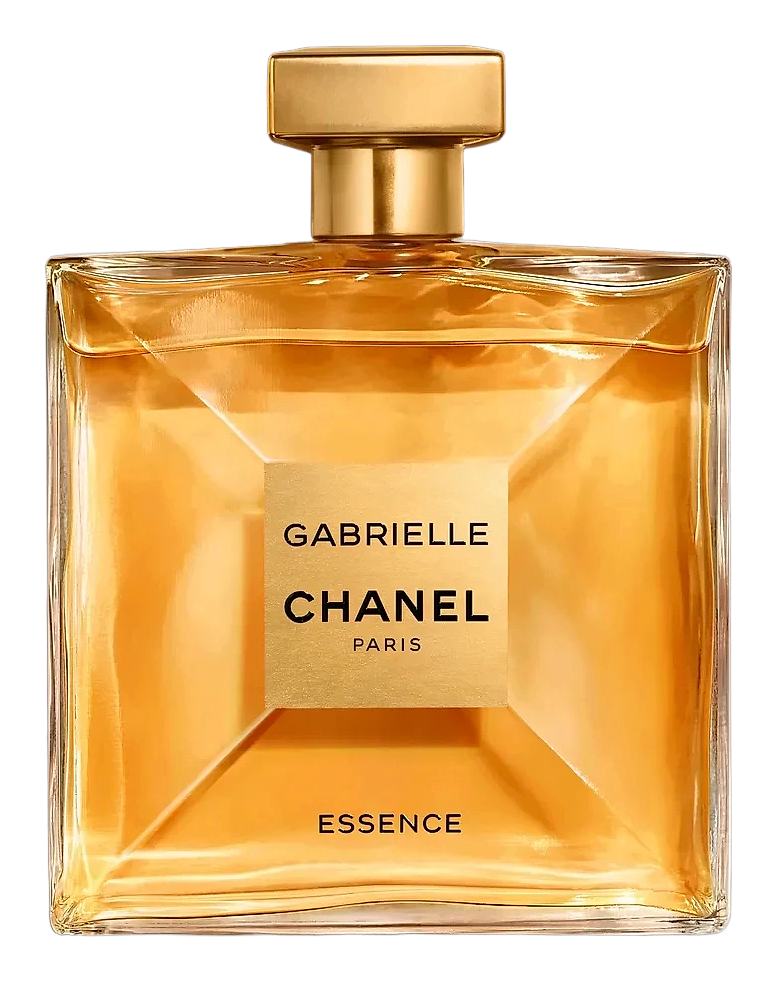
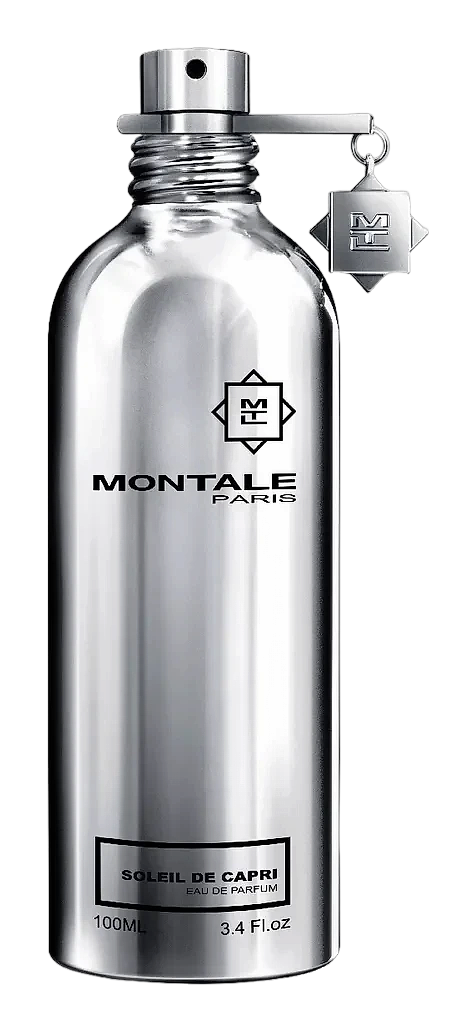
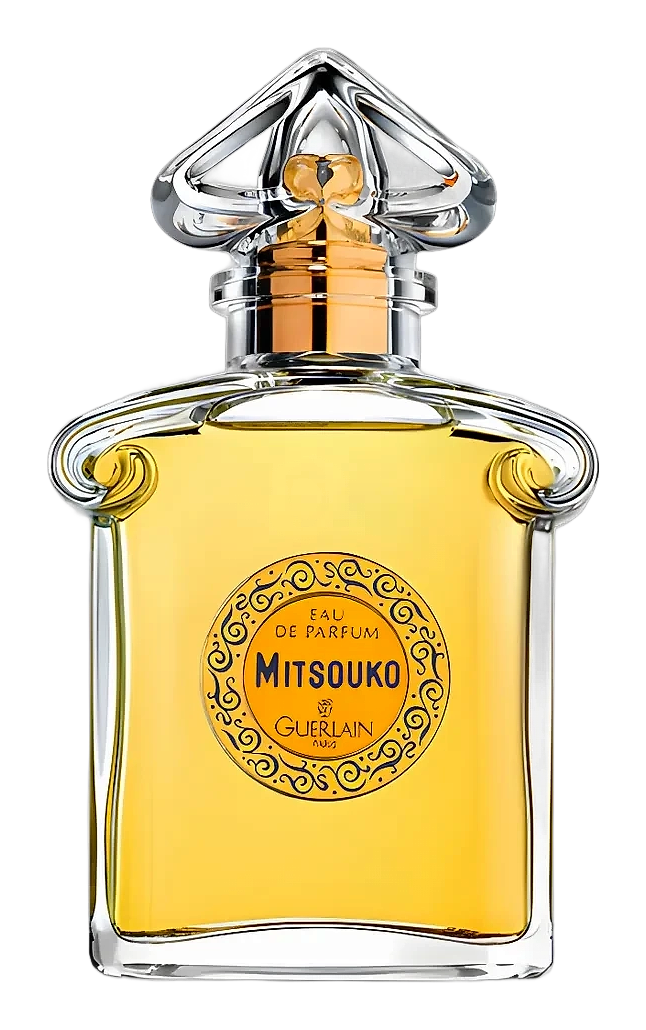
Fragrances featuring Citrus fruits


Good to know
Questions, answered
The essentials on Citrus fruits in perfumery: how it smells, where it comes from, and how it behaves on skin.
What does citrus fruits smell like in perfume?
Citrus notes produce a bright, sharp, acidic scent with zesty freshness. Bergamot adds subtle floral bitterness, lemon brings clean tartness, orange delivers rounded sweetness, and grapefruit contributes a slightly bitter, vegetal edge. They form the top layer in most compositions.
Why are citrus notes so common in fragrances?
Citrus oils are affordable to produce and universally appealing. Their volatile molecules evaporate quickly, making them ideal top notes that create immediate first impressions before deeper heart and base notes emerge.
Where does most bergamot for perfume come from?
Approximately 90% of the world's bergamot oil originates in Calabria, Italy, where roughly 110 tons are produced annually. The region's coastal microclimate produces fruit with the balanced aromatic profile perfumers prize.
How are citrus oils extracted for perfumery?
Cold expression is the standard method. The fruit's outer peel is mechanically punctured or grated, releasing oil from microscopic sacs. The process uses no heat, preserving fragile top-note compounds that distillation would destroy.
Are citrus fragrances suitable for all genders?
Yes. Historical colognes built on citrus bases have been worn across genders for centuries. Modern perfumery uses citrus as a universally fresh opening, adapting the dry-down to masculine, feminine, or unisex structures.
Why does citrus scent fade so quickly on skin?
Citrus oils contain small, highly volatile molecules that evaporate within one to two hours. This makes them excellent top notes but requires perfumers to anchor them with heavier base ingredients for longevity.
What is the difference between citrus and neroli?
Neroli is steam-distilled from bitter orange tree blossoms, producing a softer, more floral scent. Citrus peel oils come from fruit rinds and smell sharper, juicier, and more acidic.
Can citrus oils cause skin sensitivity?
Yes, certain citrus oils, particularly bergamot and expressed lime, contain furocoumarins that can increase photosensitivity. Many modern formulations use rectified or bergapten-free versions to reduce this risk.