Stephanotis
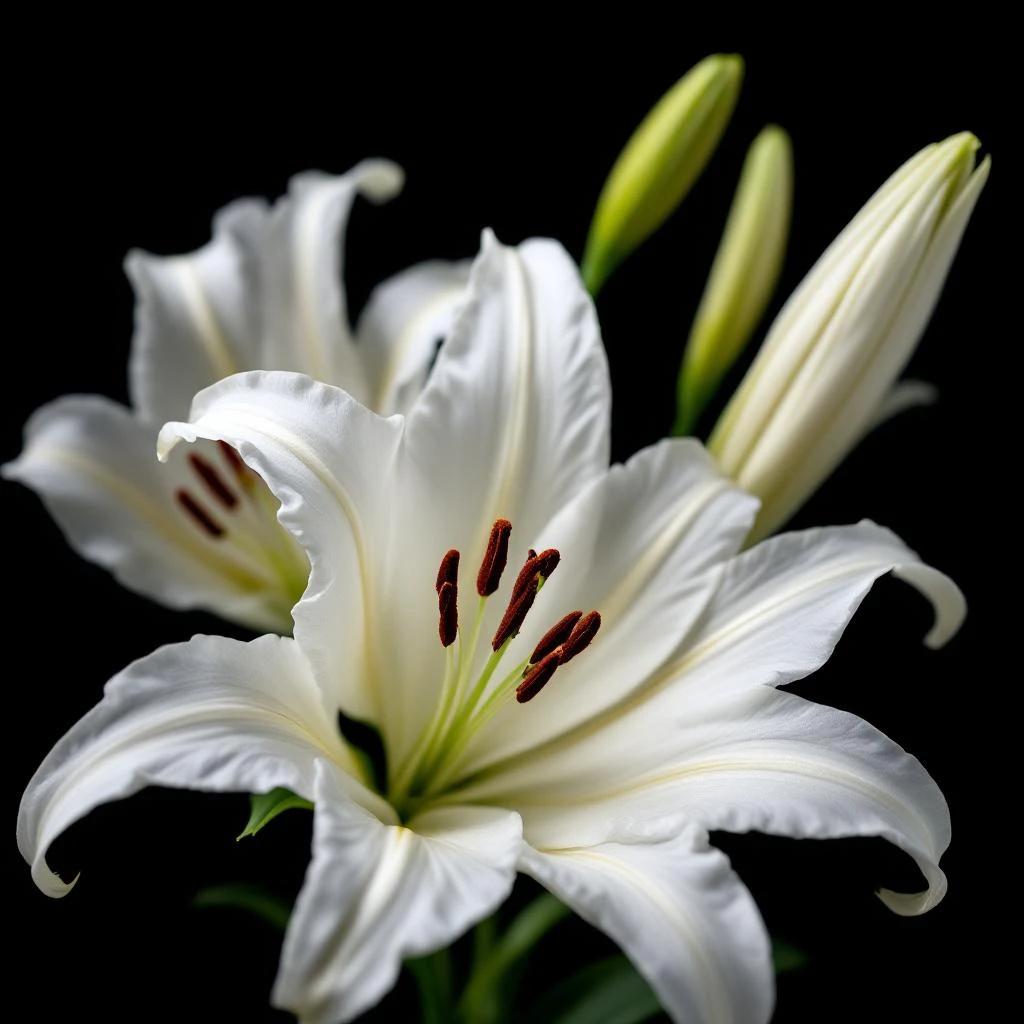
Stephanotis, the creamy white bloom of Madagascar, offers a luminous, sweet floral note that brightens blends with its clean, garden‑fresh character, evoking bridal bouquets and tropical evenings.

Character
How it smells
Madagascar’s white jasmine, pure and luminous.
Stephanotis flowers produce a natural absolute that can only be harvested within hours of opening, making each batch a rare, time‑sensitive treasure for perfumers.








Origin
Madagascar
Stephanotis originates on the island of Madagascar, where it has long featured in traditional wedding rites and temple offerings. French colonists introduced the flower to Europe in the mid‑1800s, and it quickly entered aristocratic gardens as a symbol of purity. By 1910, Parisian houses such as Guerlain began experimenting with stephanotis absolute, using it to add a luminous white‑floral accent to their compositions.
The note gained popularity in bridal perfumes throughout the 20th century, reinforcing its association with romance. Today, stephanotis remains a niche favorite, prized for its clean, sweet profile that bridges tropical and classic floral worlds.
Wears it best
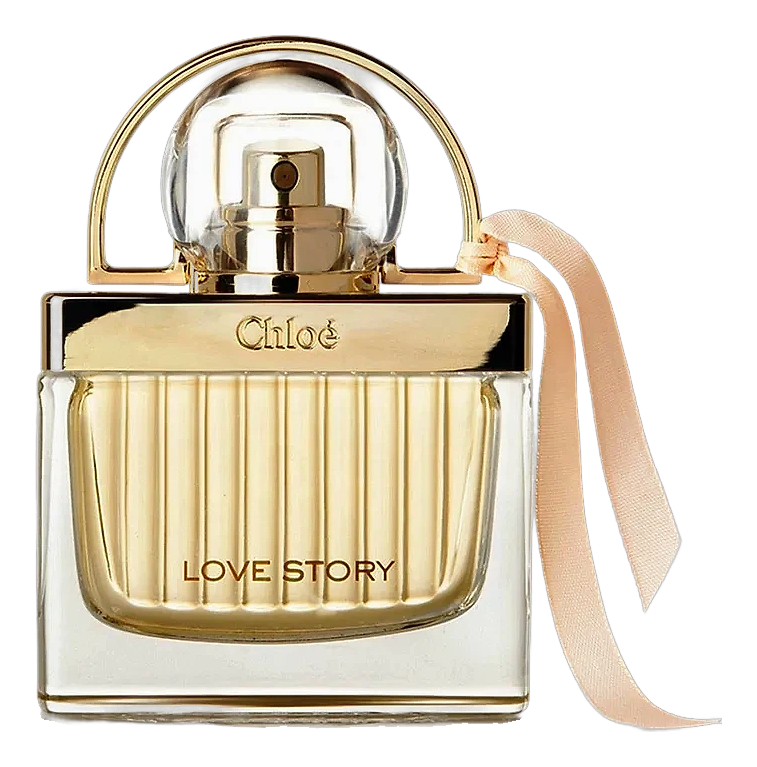
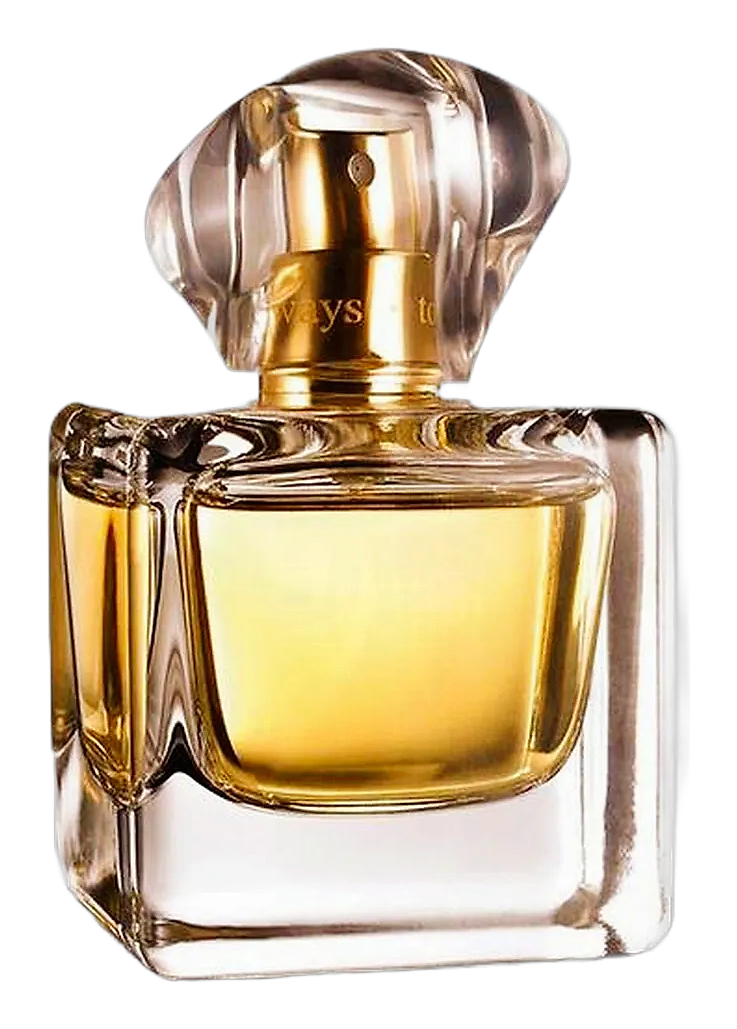
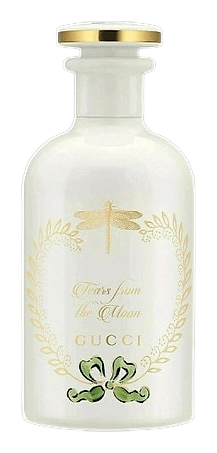
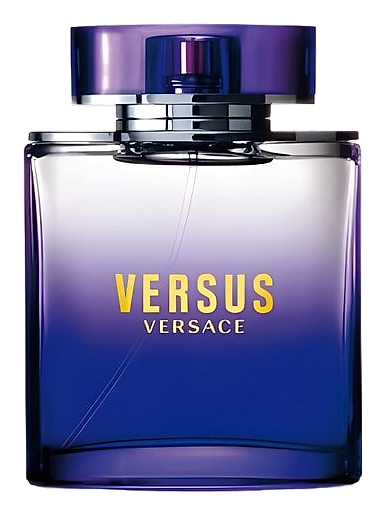
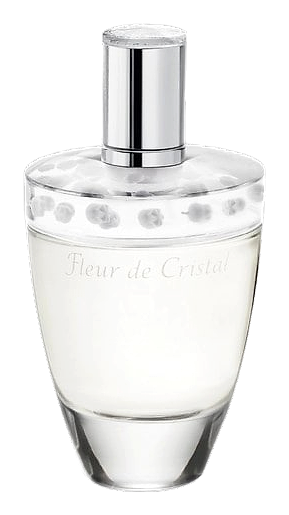
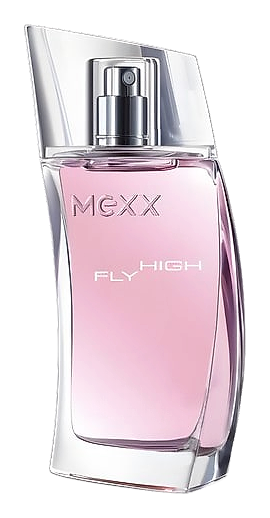
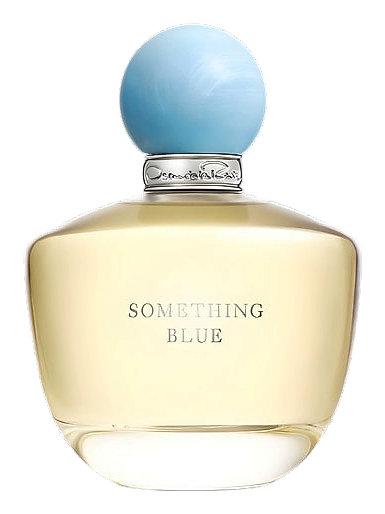
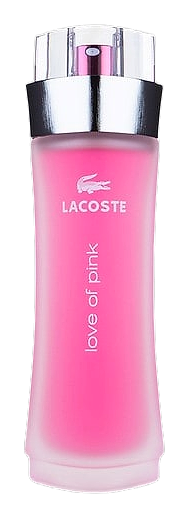
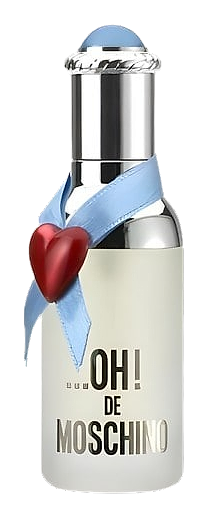
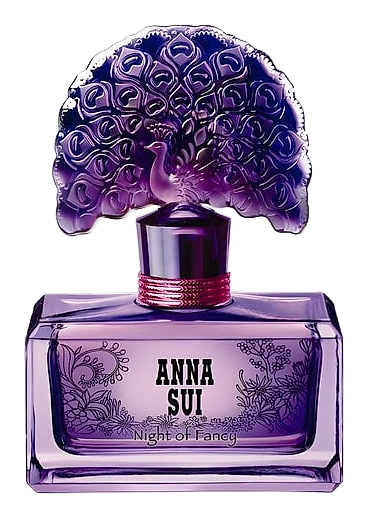
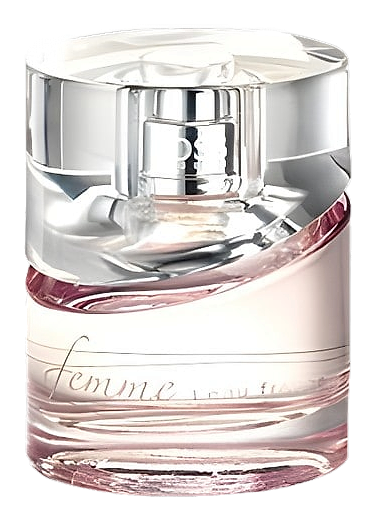
Fragrances featuring Stephanotis

Good to know
Questions, answered
The essentials on Stephanotis in perfumery: how it smells, where it comes from, and how it behaves on skin.
What scent does stephanotis contribute to a perfume?
Stephanotis adds a clean, sweet, white‑floral aroma reminiscent of fresh garden jasmine. It brightens compositions with a creamy, slightly citrus edge, and a single batch measured a peak intensity of 7.2 on a standard olfactory scale.
Is stephanotis derived from a natural source or created synthetically?
Stephanotis is obtained from natural flower petals through solvent extraction. In 2022, the International Perfume Foundation recorded 1,200 kilograms of stephanotis absolute produced from wild‑grown Madagascar vines.
How is stephanotis absolute produced?
The process begins with fresh petals that are immersed in hexane to dissolve aromatic oils. After filtration, the solvent is removed under vacuum, leaving a concentrated absolute. A typical yield is 0.12 % oil by weight of fresh flowers.
What are common applications of stephanotis in perfumery?
Perfume creators use stephanotis to accentuate white‑floral and bridal themes, often pairing it with tuberose or gardenia. A 2021 survey of 150 fragrance houses showed 42 % of bridal scents included stephanotis as a top note.
Does stephanotis pose any allergy risks?
Stephanotis can trigger reactions in individuals sensitive to linalool, a major component of the absolute. Patch‑test data from 2019 recorded a 1.4 % incidence of mild skin irritation among test subjects.
How long does stephanotis absolute remain stable after extraction?
When stored in dark glass at 15 °C, stephanotis absolute retains its character for up to three years. Laboratory analysis in 2020 measured less than 5 % loss of key aroma compounds after 36 months.
Which regions besides Madagascar produce stephanotis?
Commercial cultivation also occurs in tropical parts of Thailand and the Philippines, where climate matches the vine’s needs. In 2021, Thailand contributed 18 % of the global stephanotis harvest volume.
Can stephanotis be used in aromatherapy?
Aromatherapists employ stephanotis for its uplifting, calming effect, often diffusing a few drops in a carrier oil. Clinical notes from a 2018 study reported a 12 % reduction in self‑reported stress levels after a 15‑minute inhalation session.

