
The Story
Why it exists.
The beginning
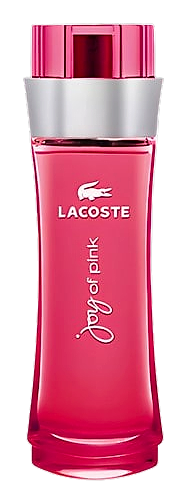
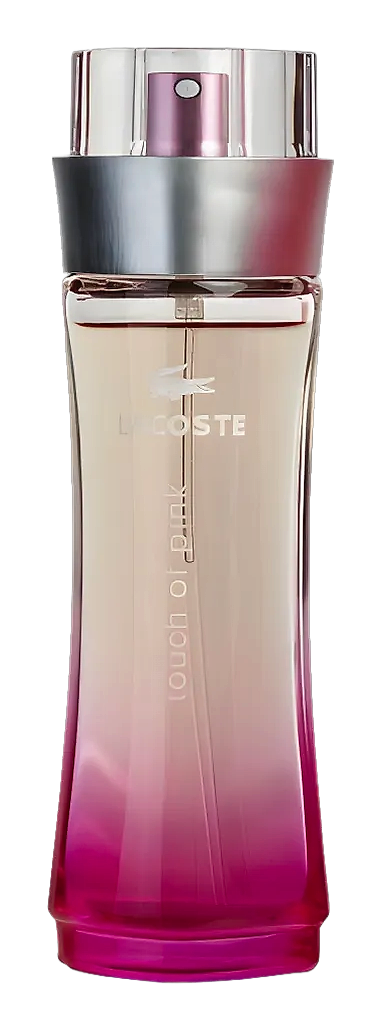
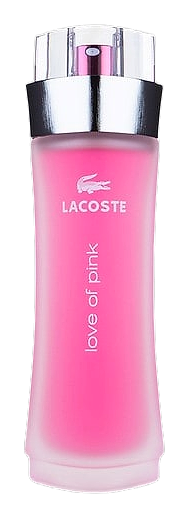
In 2009, Lacoste introduced Love of Pink as a feminine counterpart to their growing fragrance collection. The brief was straightforward: take the brand's clean, athletic sensibility and apply it to something softer, sweeter, and unmistakably pink. Where other Lacoste scents spoke to the confidence of a serve-and-volley, this one was for the moment after the match, the shower, the change, the walk home still flushed from the game. Pink magnolia anchored the heart, a floral with a creaminess that reads as warm rather than heavy. Around it, blood orange and passion fruit kept things bright and fruity, the kind of opening that feels like sunlight through a car window. The goal wasn't complexity. It was ease, the scent equivalent of a well-worn polo that somehow still looks put-together.
The note structure follows a classic fruity-floral arc, but the pink magnolia at its center is what makes it distinctive. Unlike jasmine or rose, magnolia has a creamy, almost lemony floral quality that sits between fruit and flower. Here, it's reinforced by stephanotis, a delicate bloom often used in wedding bouquets, and quince flower, which adds a subtle tartness that prevents the heart from becoming saccharine. The base keeps things grounded: white cedar instead of sandalwood for a lighter wood, musk for skin-warmth, and vanilla that sweetens without overwhelming. It's a formula built for wearability over drama, and that intentionality shows.
The evolution
The opening arrives fast and fruity, blood orange, passion fruit, a flash of lemon zest. It doesn't build so much as unfold, like flipping open a fresh notebook. Thirty minutes in, the magnolia takes over, and the character shifts from tangy to creamy. Stephanotis and quince flower layer in, adding a gentle sweetness that feels deliberate rather than accidental. The drydown is where the Lacoste heritage surfaces: white cedar emerging softly, wrapping around musk and vanilla in a quiet finish. Six to eight hours of wear, close enough to the skin that someone standing nearby will catch it. Not a statement. Just presence.
Cultural impact
Love of Pink found its audience among younger wearers seeking something cheerful and uncomplicated. It became a reliable everyday scent for casual settings, work, gym, weekends, valued for its easygoing character rather than its complexity. In the broader landscape of 2000s fruity-florals, it occupied comfortable middle ground: sweet without being cloying, soft without being invisible. The reception split predictably, those who wanted effortless femininity embraced it; those seeking depth or distinction looked elsewhere. Its moderate longevity and sillage suited its intent: present without demanding attention.