
The Story
Why it exists.
The beginning
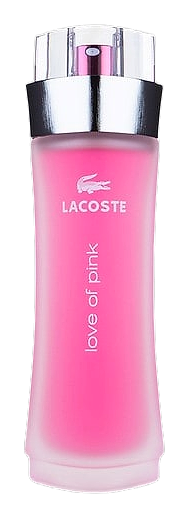
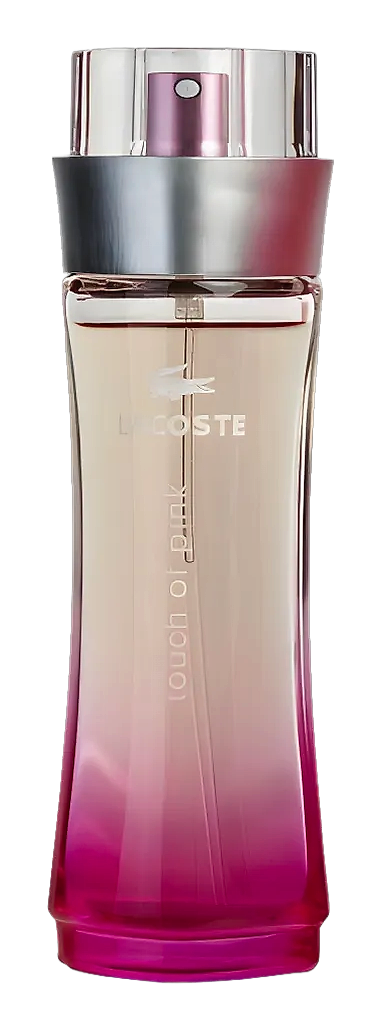
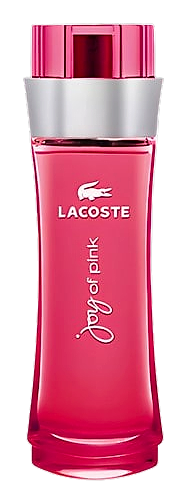
Joy of Pink arrived in October 2010 as the fourth chapter in Lacoste's Pink Collection, joining Touch of Pink, Dream of Pink, and Love of Pink. The collection had built a reputation for accessible, sporty femininity, scents that carried the brand's athletic heritage into something lighter, more everyday. Joy of Pink was positioned for young women and those full of life and energy, per the brand copy. The concept was simple: zests that are refreshing, awakening, exhilarating. Nothing heavy. Nothing complicated. The fragrance joins the line of bottles that came before, distinguished this time by neon pink glass and silver lettering, a visual shorthand for the juice inside.
What makes Joy of Pink interesting isn't complexity, it's the Curaçao. Blue Curaçao is an unusual heart note in mainstream women's fragrance. It's a liqueur made from the laraha citrus of Curaçao, and it carries that bittersweet orange character you find in cocktails. Here, it's been paired with peony, a floral that doesn't fight the citrus, and the combination reads less like perfume and more like a summery drink. The grapefruit top amplifies this. Cedar at the base keeps it grounded enough to feel like fragrance rather than body mist, but only just. It's a composition built for refreshment, not longevity.
The evolution
The grapefruit opens sharp and immediate, bright, tart, the kind of scent that announces itself before you've fully sprayed. Thirty minutes in, the Curaçao and peony arrive together, softening the citrus into something warmer, sweeter, more cocktail than cologne. The cedar waits in the wings, not quite ready to emerge. By the two-hour mark, the citrus fades and the cedar takes over, dry, clean, faintly woody. The peony hangs on longest, a ghost of sweetness under the wood. By hour four or five on most skin, it's gone entirely. Lasts longer on clothing.
Cultural impact
Joy of Pink exists in a specific corner of the market: accessible women's fragrance from an athletic brand, positioned for younger wearers or those who want something light and uncomplicated. The pink bottle, neon glass, and casual Citrus-fruity character place it firmly in the daytime-casual category. It's been discontinued, which gives it a slight cult status among collectors of affordable mainstream scents. The grapefruit-Curaçao-peony combination is unusual enough to warrant attention, even if the overall execution is lightweight. Alexa Chung fronted the Pink Collection during this era, lending the line a British-cool sensibility that matched the youthful energy of the scents.