
    Brand Profile

    Lacoste’s fragrance portfolio extends the brand’s athletic heritage into scent. Since the launch of Lacoste for Men in 1984, the line has gr…More

    France·Est. 1933·Site

    5

    Fragrances

    3.7

    Rating

    Just Landed

    New Arrivals

    The latest additions to the Lacoste Fragrances collection.

    50
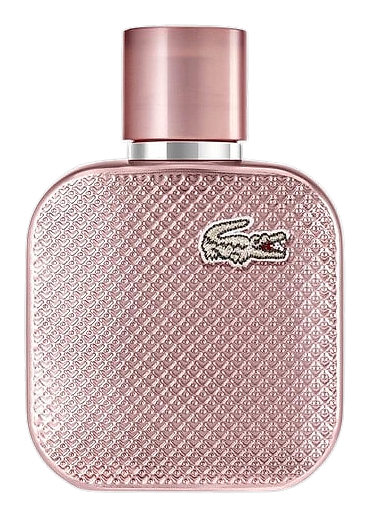
    Eau de Lacoste L.12.12 Pour Elle Natural by Lacoste Fragrances
    3.8

    Eau de Lacoste L.12.12 Pour Elle Natural

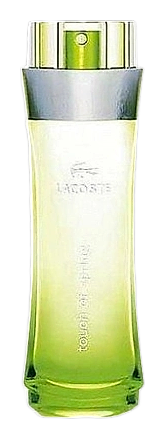
    Touch of Spring by Lacoste Fragrances
    3.7

    Touch of Spring

    Eau de Sport by Lacoste Fragrances
    Best Seller
    4.3

    Eau de Sport

    Land by Lacoste Fragrances
    Best Seller
    4.3

    Land

    Lacoste by Lacoste Fragrances
    Best Seller
    4.2

    Lacoste

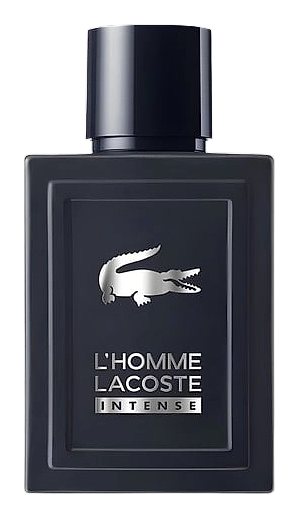
    L'Homme Lacoste Intense by Lacoste Fragrances
    4.1

    L'Homme Lacoste Intense

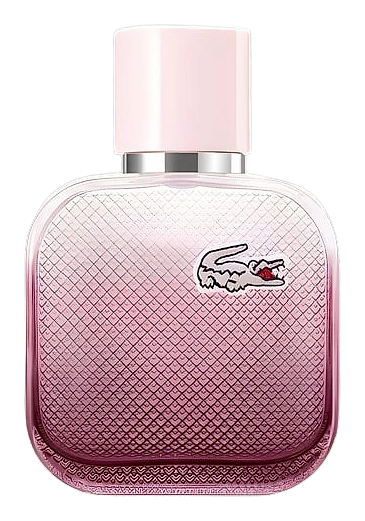
    L.12.12. Blanc Eau Intense by Lacoste Fragrances
    4.1

    L.12.12. Blanc Eau Intense

    Booster by Lacoste Fragrances
    4.1

    Booster

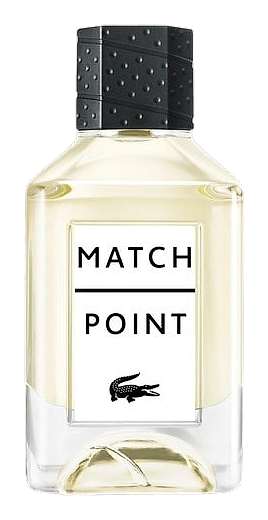
    Match Point Cologne Eau de Toilette by Lacoste Fragrances
    4.1

    Match Point Cologne Eau de Toilette

    Style in Play by Lacoste Fragrances
    4.1

    Style in Play

    Eau de Lacoste L.12.12 Pour Lui French Panache by Lacoste Fragrances
    4.0

    Eau de Lacoste L.12.12 Pour Lui French Panache

    Eau de Lacoste L.12.12. White by Lacoste Fragrances
    4.0

    Eau de Lacoste L.12.12. White

    1 of 5

    The Heritage

    The Story of Lacoste Fragrances

    Lacoste’s fragrance portfolio extends the brand’s athletic heritage into scent. Since the launch of Lacoste for Men in 1984, the line has grown to include sport‑inspired Eau de Sport, the crisp L.12.12 Blanc Eau Intense, and the modern Match Point Cologne. Each composition balances fresh citrus, aromatic herbs and warm woods, echoing the clean lines of the iconic polo shirt.

    Heritage

    René Lacoste, a French tennis champion, co‑founded the Lacoste clothing house in 1933 with André Gillier, a textile industrialist. The brand introduced the green crocodile logo that same year, a mark that still signals casual elegance. In the early 1980s the company turned to fragrance as a way to translate its sporty aesthetic into olfactory form. The first perfume, Lacoste for Men, arrived in 1984 and was positioned as a fresh, everyday scent for the active gentleman. The success of that launch encouraged a steady stream of releases: Eau de Sport in 1994 captured the energy of a tennis match, while Booster (1996) and Style in Play (2004) explored more experimental accords. The turn of the millennium saw the brand broaden its range with L.12.12 Blanc (2011) and a series of limited editions that referenced the brand’s 12‑12‑12 heritage date. Recent additions such as L'Homme Lacoste Intense (2018), Match Point Cologne (2022) and L.12.12 Blanc Eau Intense (2023) demonstrate Lacoste’s commitment to updating its scent language while staying true to the original values of sport, simplicity and confidence. Throughout its history the fragrance division has worked with major perfume houses, most notably L'Oréal, to ensure that each launch benefits from expert formulation and global distribution.

    Craftsmanship

    Production of Lacoste fragrances takes place in facilities that follow European Union cosmetic regulations. The brand partners with established perfume houses, most notably L'Oréal, to formulate each scent. Ingredients are selected for both quality and traceability; for example, the bergamot used in L.12.12 Blanc is sourced from Calabrian orchards that practice integrated pest management. Wood notes such as cedar and sandalwood are obtained from certified sustainable forests in Indonesia and India. The blending process occurs under the supervision of senior perfumers who adjust accords in small batches before scaling up. Quality control includes gas chromatography analysis to verify concentration levels and stability testing that simulates temperature fluctuations during transport. Bottles are manufactured in French glass factories that employ low‑impact furnaces, and each batch undergoes a visual inspection to ensure uniformity of finish and logo placement. The final product is sealed with a green‑tinted cap that echoes the brand’s signature crocodile emblem, reinforcing the link between visual and olfactory identity.

    Design Language

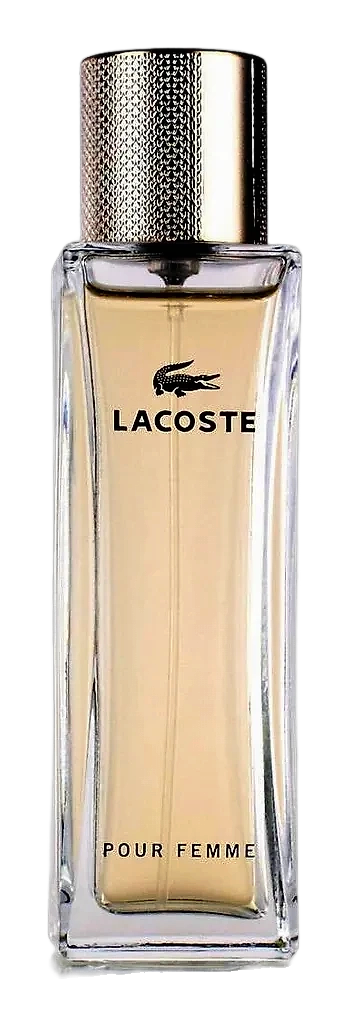
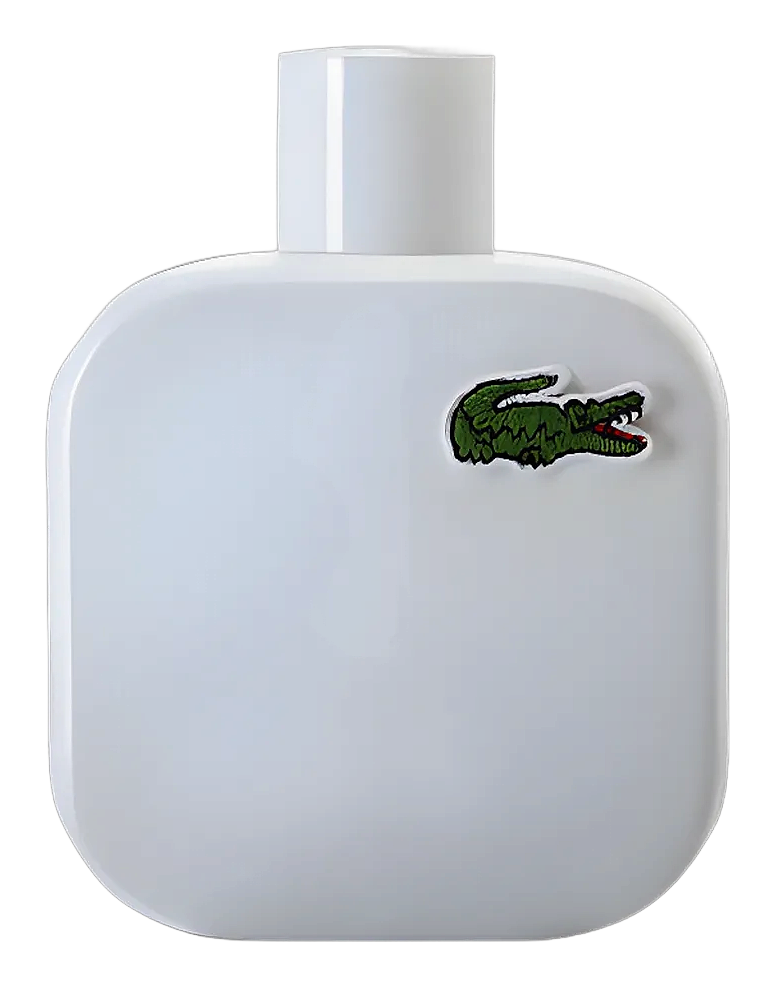
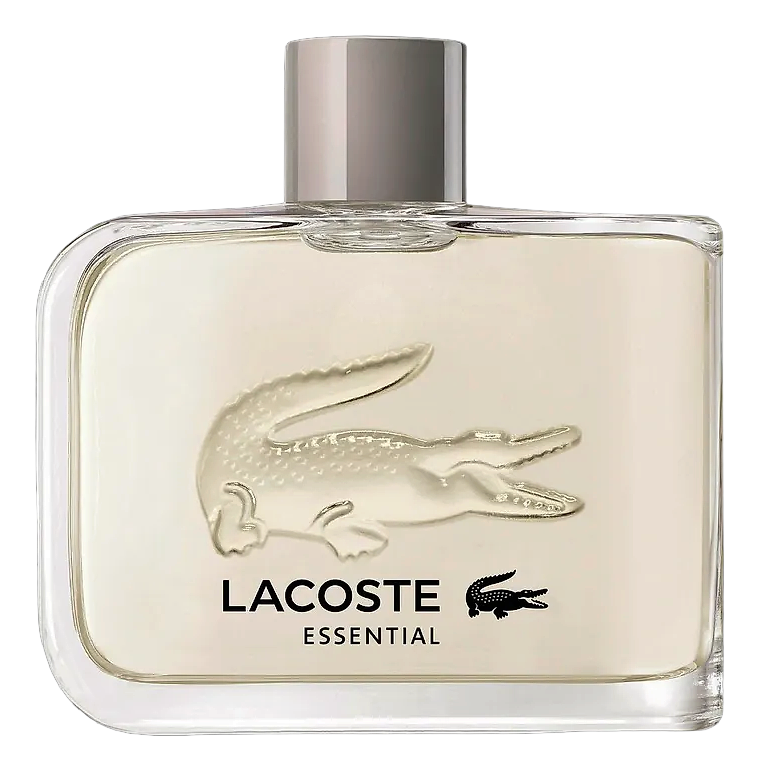
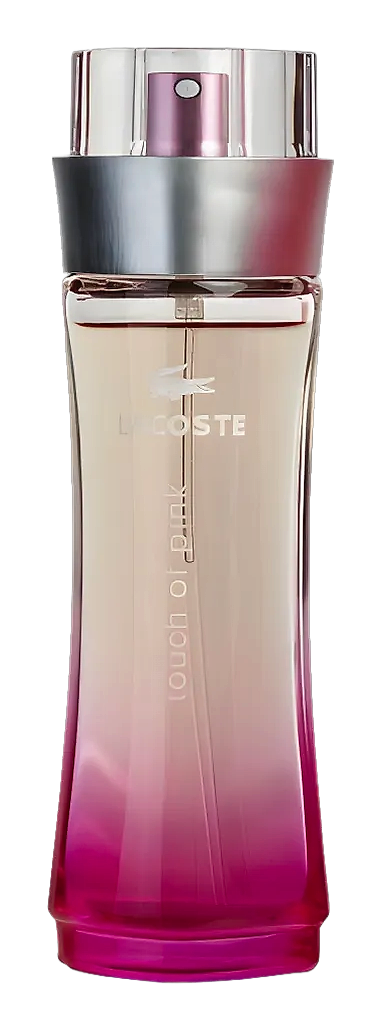
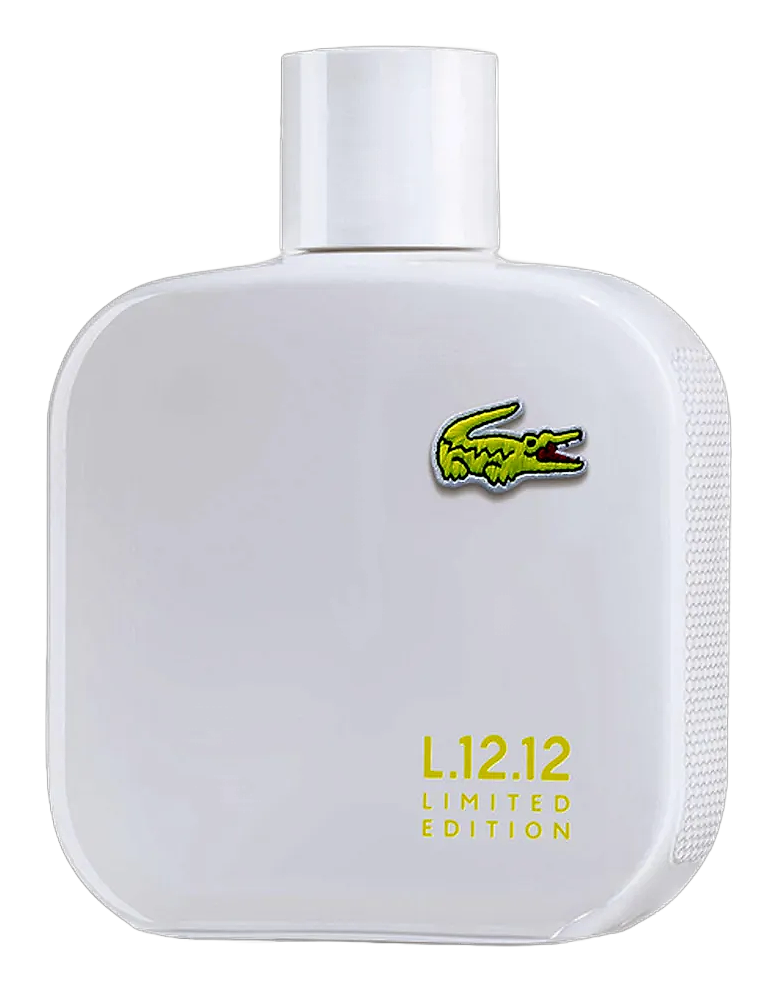
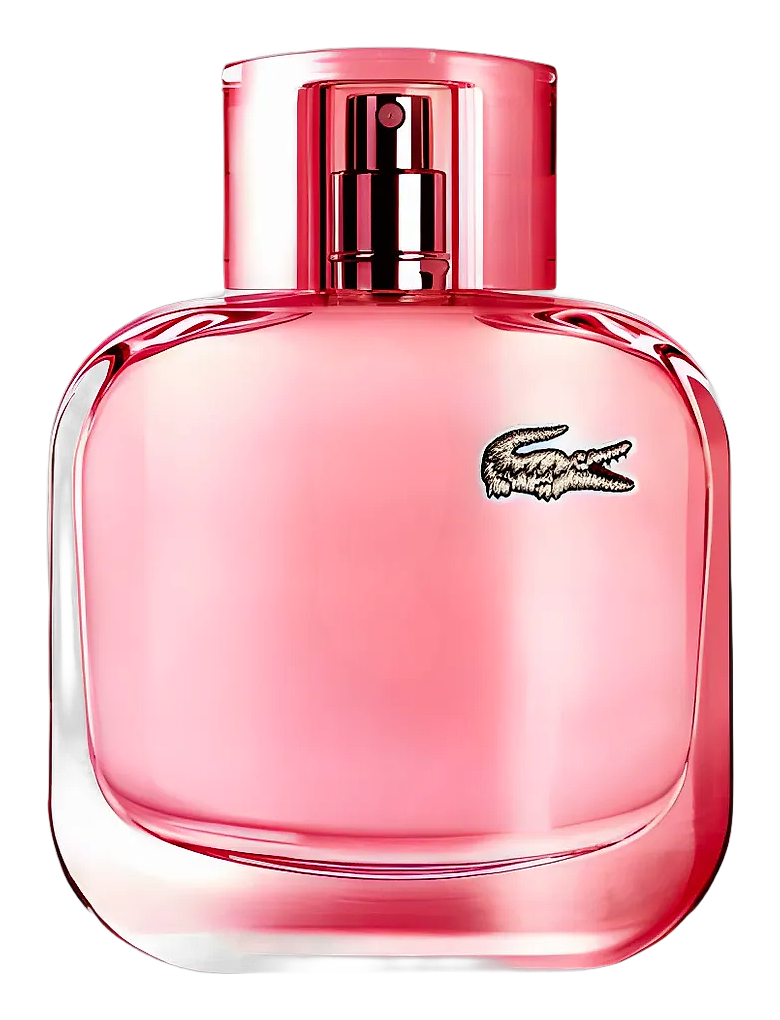
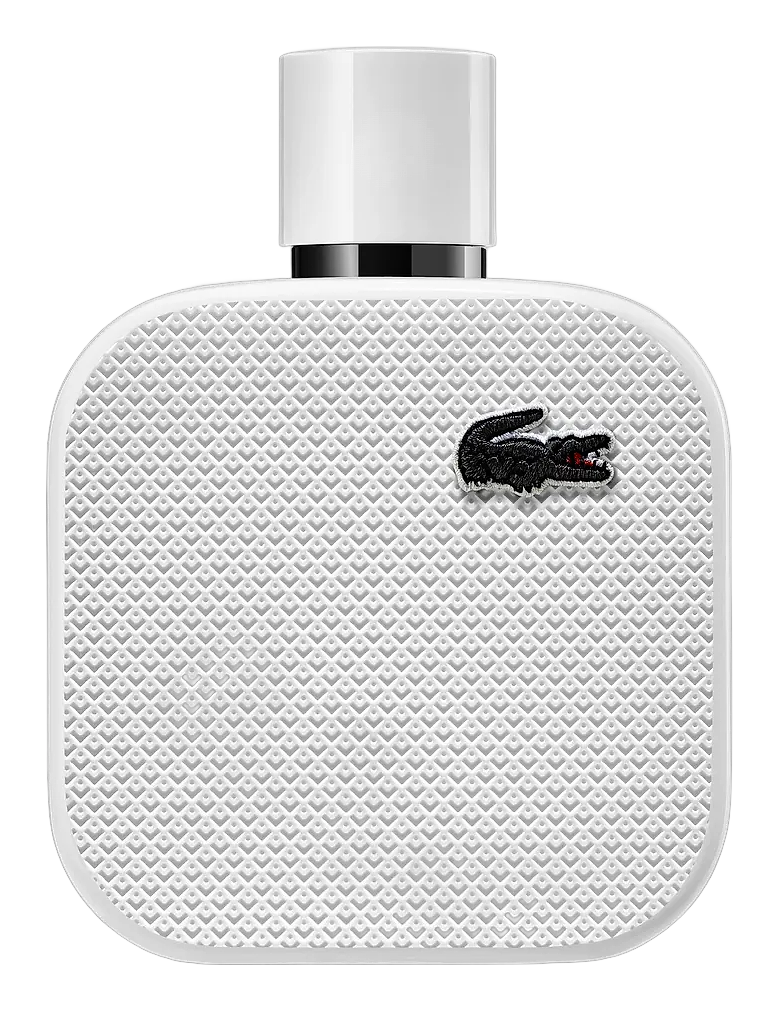
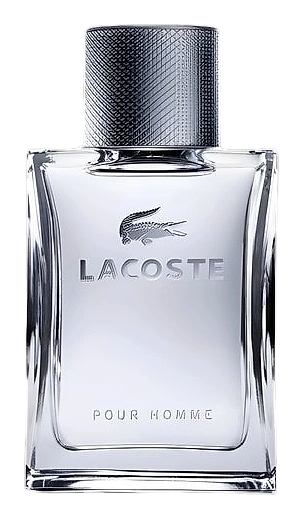
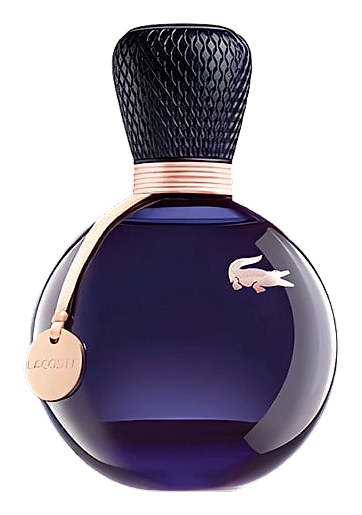
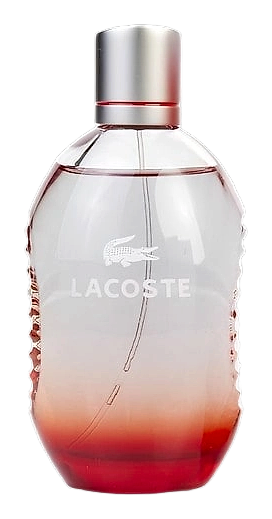
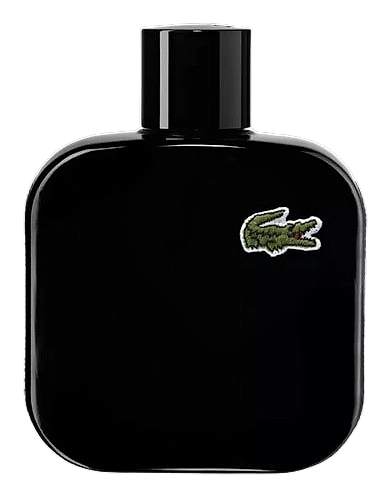
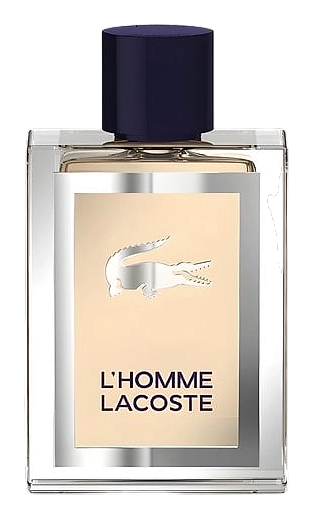
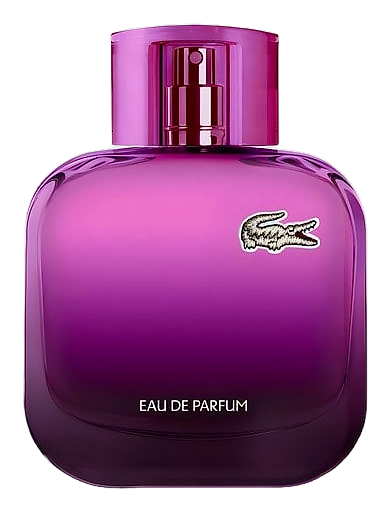
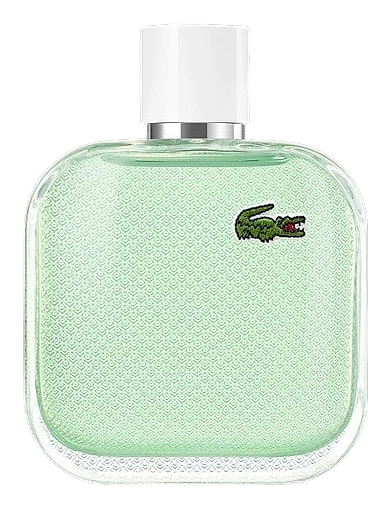
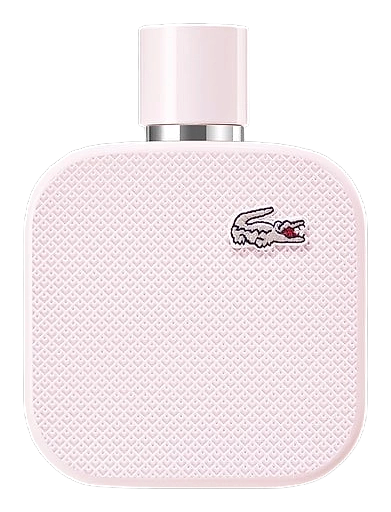
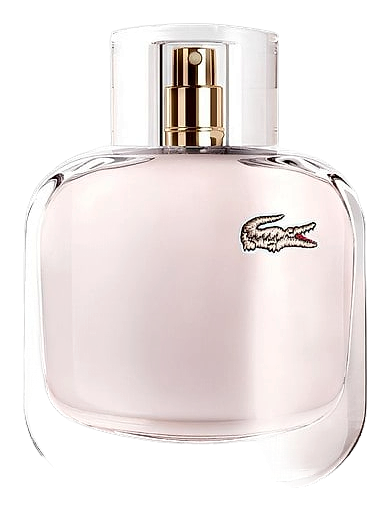
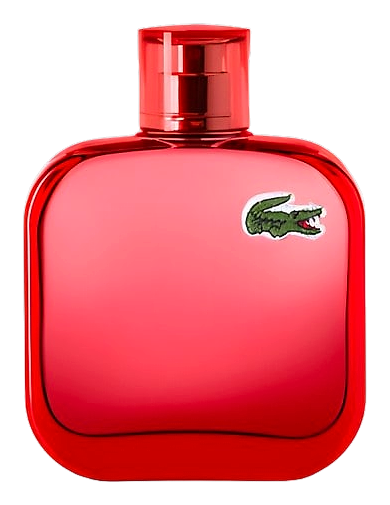
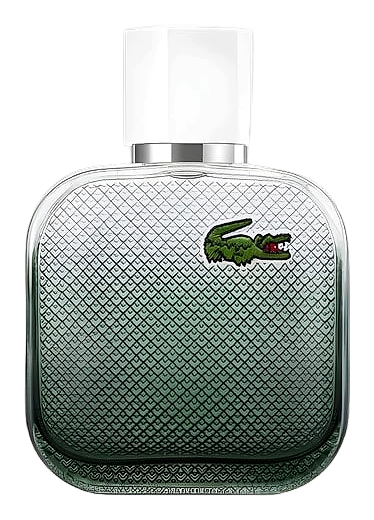
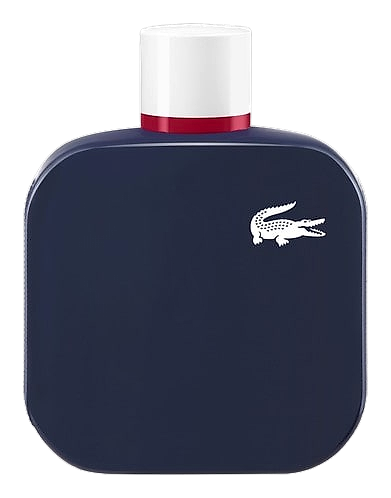
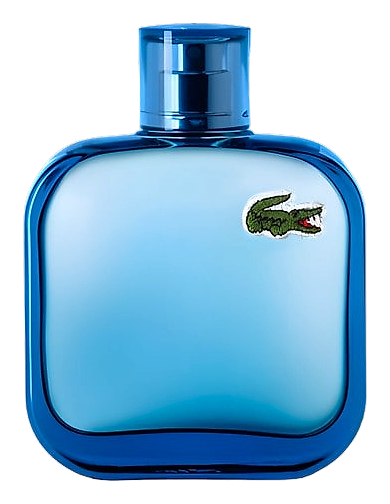
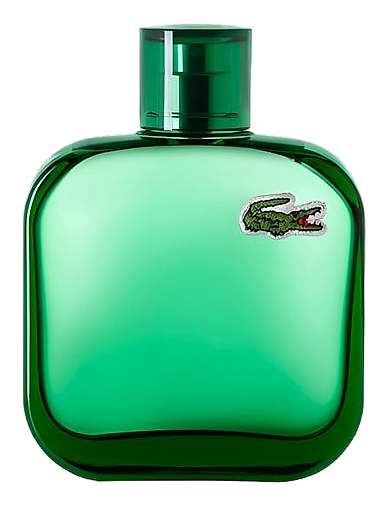
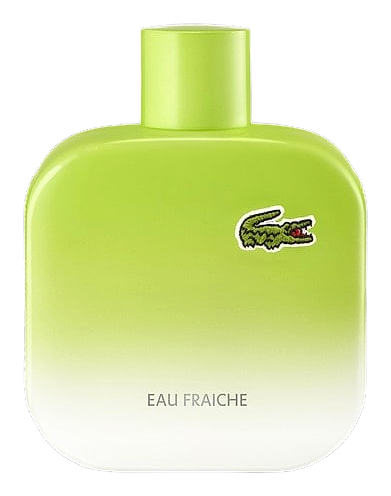
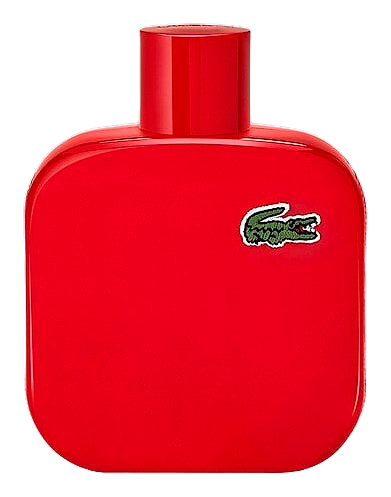
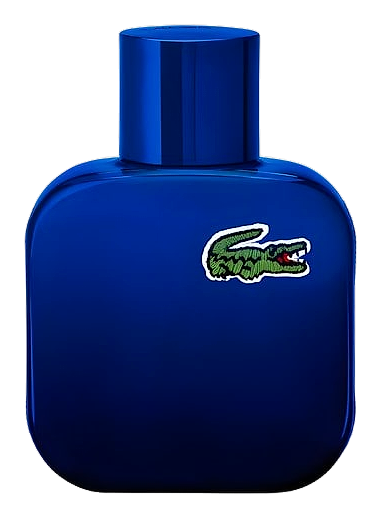
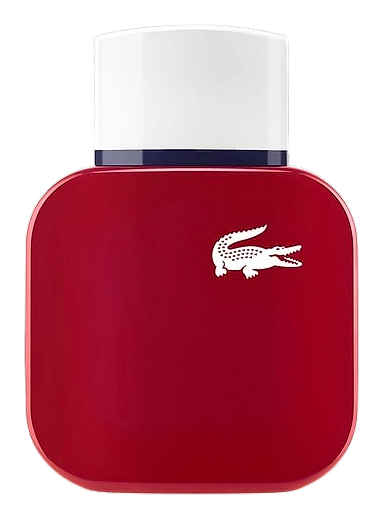
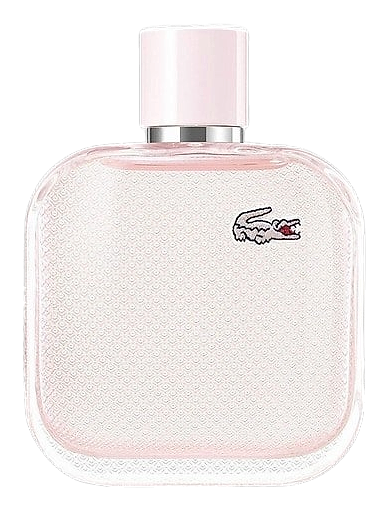
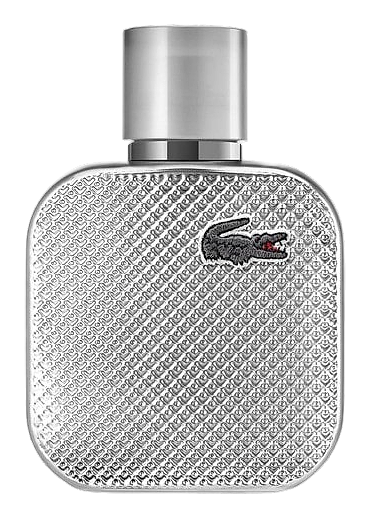
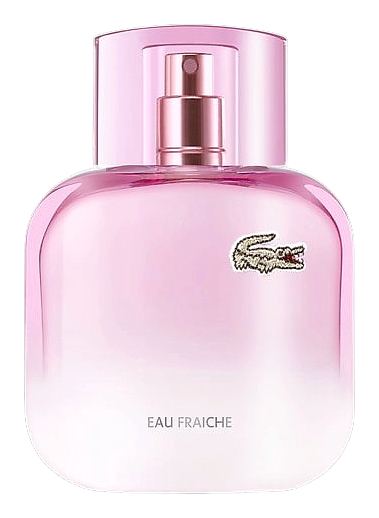
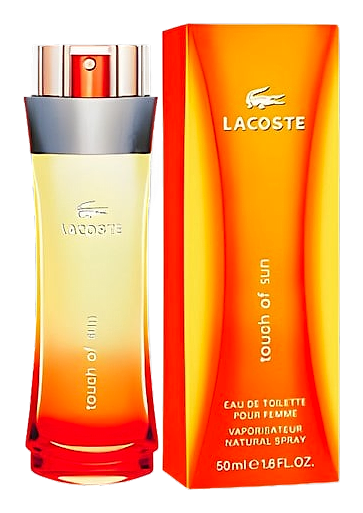
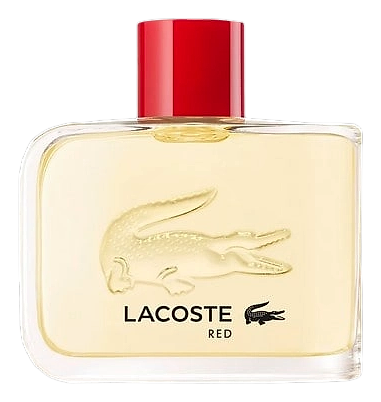
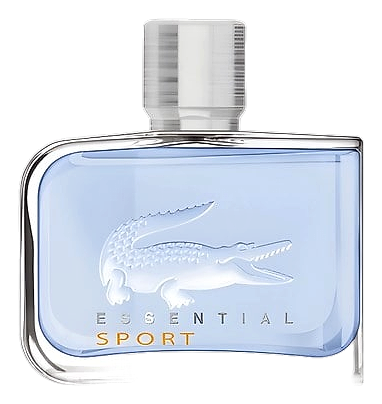
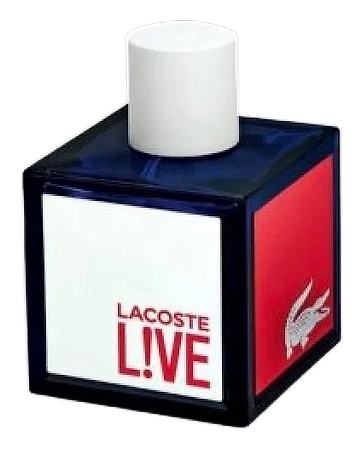
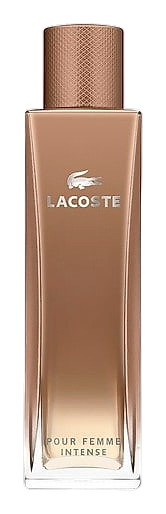
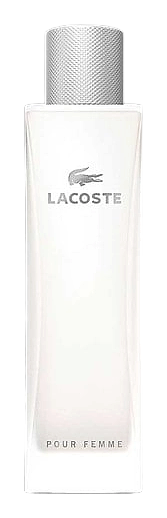
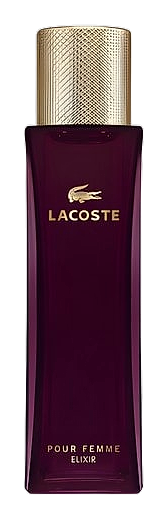
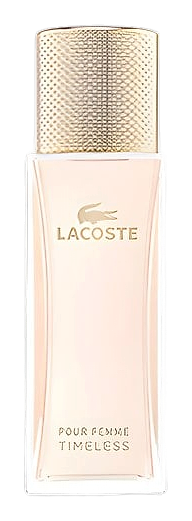
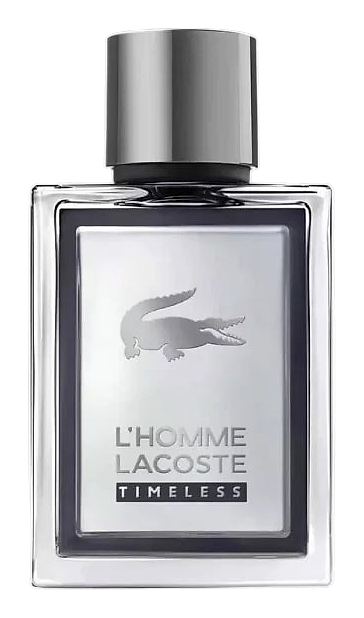
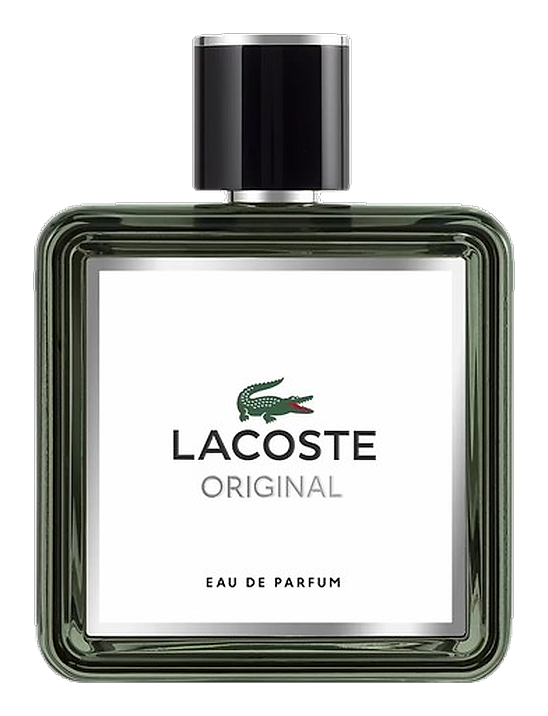
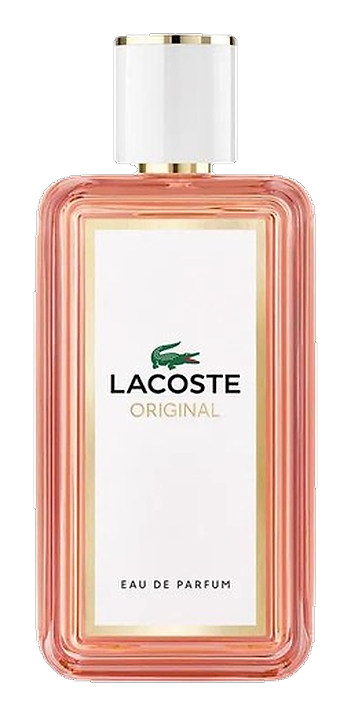
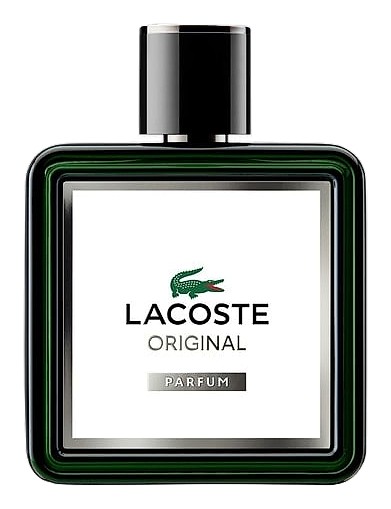
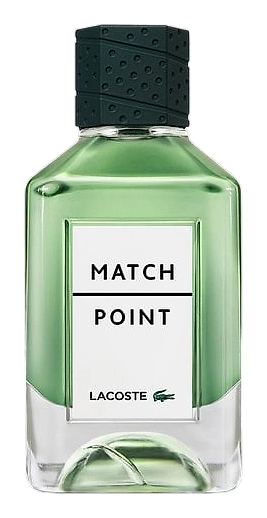
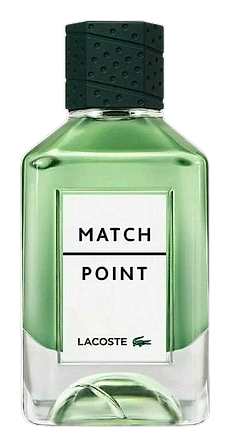
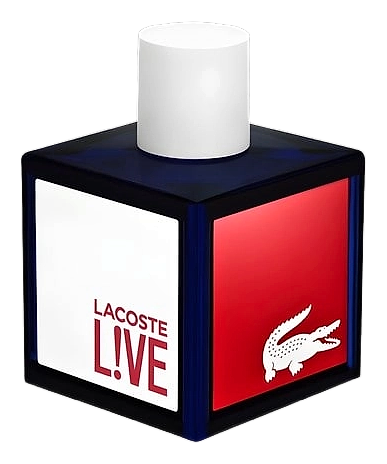
    Lacoste’s visual language for fragrance mirrors the simplicity of its apparel. Bottles are typically clear or lightly tinted glass, allowing the colour of the liquid to become a focal point. The green crocodile logo appears as a subtle embossing on the front and as a cap accent, creating a consistent brand cue across the range. Typography is clean, using a sans‑serif typeface that aligns with the brand’s modern yet timeless feel. Limited‑edition releases sometimes incorporate matte finishes or brushed metal accents, but the overall design remains restrained, avoiding excessive ornamentation. The packaging often features a white or ivory background, reinforcing the idea of a fresh start, while the scent name is presented in a modest size that suggests confidence without shouting. This aesthetic strategy supports Lacoste’s positioning as a brand for people who prefer understated elegance over overt flash.

    Philosophy

    Lacoste approaches perfumery as an extension of its sporting DNA. The brand values clarity, movement and understated confidence, and it seeks to create scents that feel as natural as a well‑played rally. Creative briefs emphasize balance between fresh top notes and a grounded base, mirroring the way a player moves from serve to finish. Sustainability has become a guiding principle; recent releases cite responsibly sourced citrus from Mediterranean groves and recycled packaging materials. Lacoste also respects the personal ritual of fragrance, encouraging wearers to view scent as a subtle accessory that complements, rather than overwhelms, their style. The company’s communication often references the idea of "playing well" in everyday life, positioning fragrance as a quiet performance enhancer.

    Key Milestones

    1933

    René Lacoste and André Gillier launch the Lacoste clothing house, introducing the green crocodile logo.

    1984

    Lacoste releases its first fragrance, Lacoste for Men, marking the brand’s entry into perfumery.

    1994

    Eau de Sport debuts, targeting active consumers with a fresh, sporty composition.

    2004

    Style in Play arrives, exploring experimental accords while retaining the brand’s clean aesthetic.

    2011

    L.12.12 Blanc is launched, referencing the brand’s historic 12‑12‑12 date and expanding the line into modern freshness.

    2018

    L'Homme Lacoste Intense is introduced, offering a richer, more aromatic take on the classic Lacoste man.

    At a Glance

    Brand profile snapshot

    Origin

    France

    Founded

    1933

    Heritage

    93

    Years active

    Collection

    5

    Fragrances released

    Avg Rating

    3.7

    Community sentiment

    Release Rhythm

    2025
    2
    2023
    1
    2022
    4
    2021
    3
    2020
    1
    2019
    5
    2018
    3
    2017
    2
    lacoste.com

    Did You Know?

    Interesting Facts

    Distinctive details and defining moments that shape the house personality.

    01

    The green crocodile logo was originally inspired by René Lacoste’s nickname "the Crocodile" earned on the tennis court.

    02

    Lacoste’s first perfume was formulated in collaboration with French perfumer Jean‑Louis Sieuzac, who also created several classic 1980s fragrances.

    03

    The brand’s fragrance division operates under a licensing agreement with L'Oréal, allowing access to a global research network while keeping creative control within Lacoste.

    04

    L.12.12 Blanc Eau Intense uses a higher concentration of natural citrus extracts than the original 2011 version, a shift driven by consumer demand for cleaner ingredient lists.