Curaçao
A distinctive Caribbean citrus built from the aromatic peel of the laraha, a bitter orange variety native to Curaçao. Offers a complex bitter-sweet character with subtle floral undertones that distinguish it from common sweet orange.
Character
How it smells
Caribbean citrus with a bittersweet soul.
The laraha tree grows from bitter orange seeds the Spanish discarded on Curaçao in the 1500s, when their ships deemed the fruit inedible and left it behind.




Origin
Curaçao
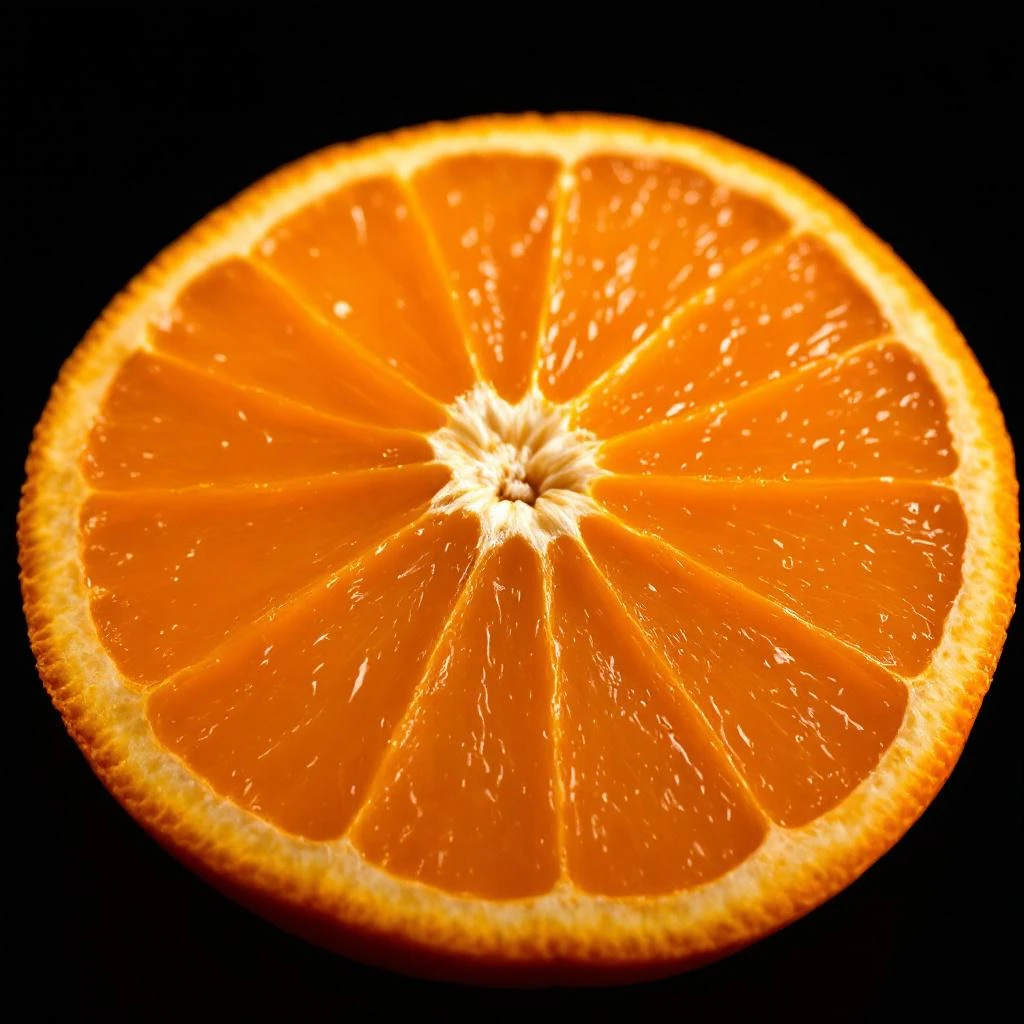
The laraha citrus variety emerged on Curaçao by accident. Spanish conquistadors carried bitter orange trees aboard ships during the 1500s for culinary and medicinal purposes, but these fruits proved too bitter for European tastes.
When ships stopped at Curaçao, crew discarded the inedible oranges overboard. The harsh volcanic soil and intense Caribbean sun transformed these stranded trees over generations into the hardy, aromatic laraha now synonymous with the island.
Dutch traders later recognized commercial potential in the intensely fragrant peel, developing the blue Curaçao liqueur that bears the island's name. Perfumers adopted the laraha's distinctive oil for its complex citrus profile that offers more depth than typical sweet orange materials.
Wears it best
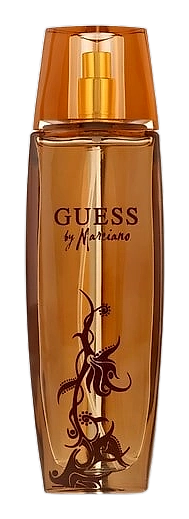
Fragrances featuring Curaçao
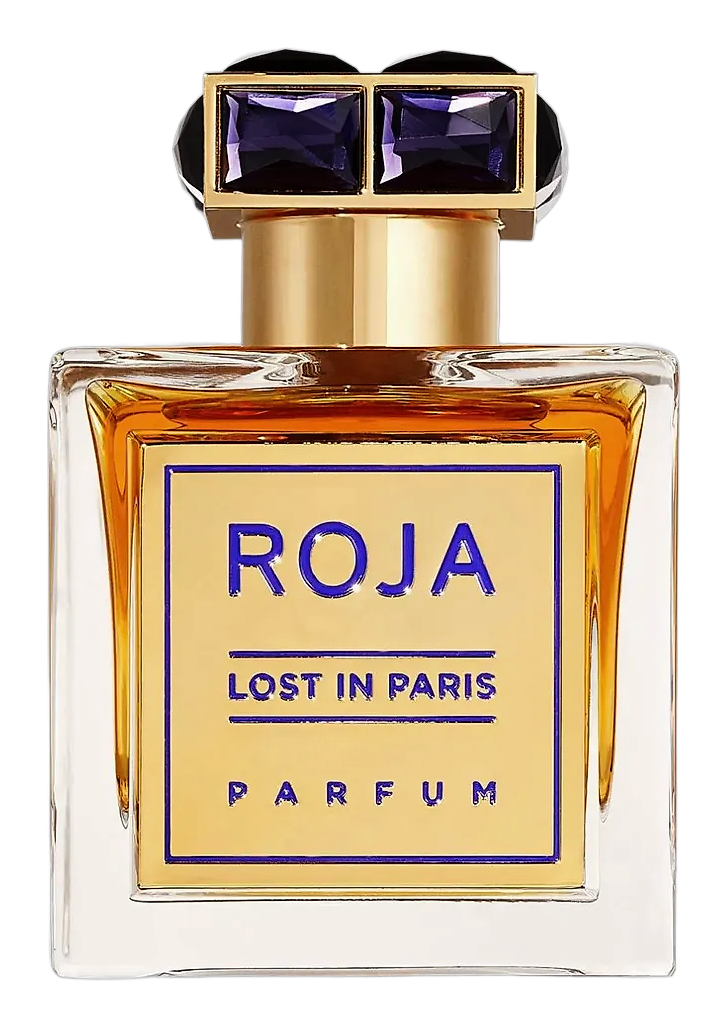
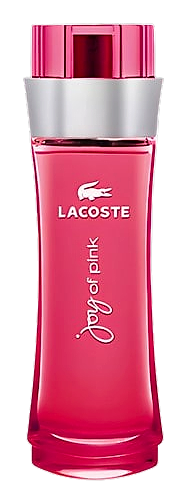
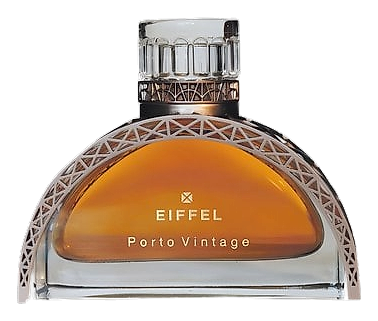
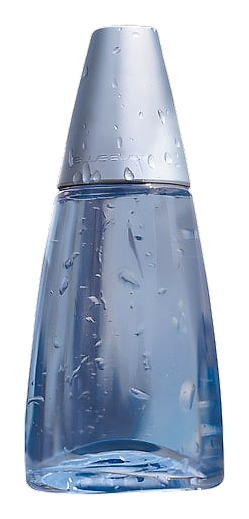
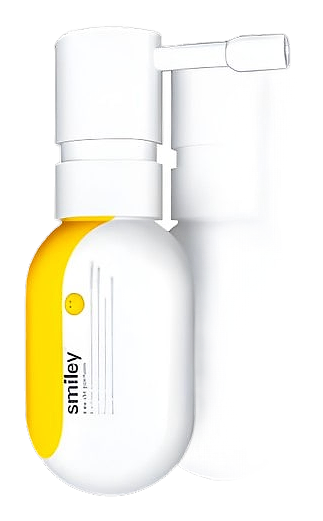
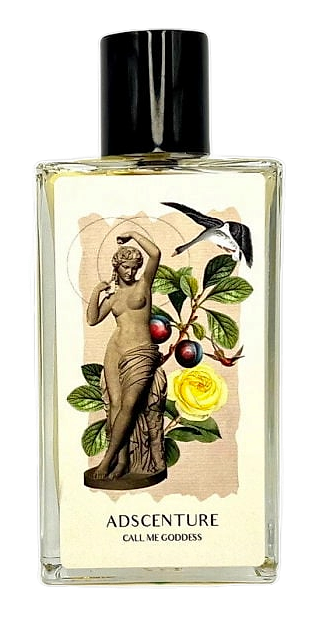
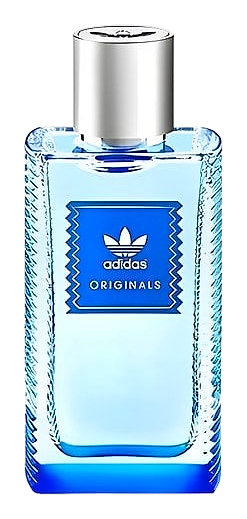
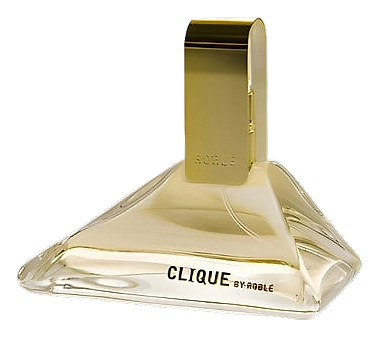
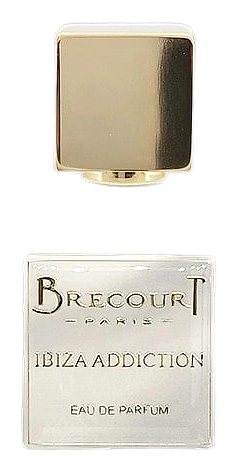
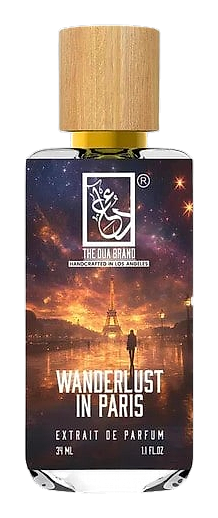
Brands
Brands known for Curaçao
Good to know
Questions, answered
The essentials on Curaçao in perfumery: how it smells, where it comes from, and how it behaves on skin.
What does Curacao smell like in perfume?
Curacao delivers bright, zesty citrus with a distinctive bitter edge that prevents it from smelling sweet or cloying. The top notes are sharp and effervescent, while dry down reveals subtle floral and slightly resinous undertones.
Is Curacao oil natural or synthetic?
Curacao in perfumery is a natural material, cold pressed from the peel of the laraha citrus fruit grown on Curaçao. The supply remains limited due to the specific growing conditions required.
How does Curacao differ from regular orange oil?
Regular sweet orange oil (Citrus sinensis) is bright and straightforwardly sweet. Curacao oil comes from the laraha variety (Citrus aurantium), which carries the bitter orange lineage, producing a more complex, slightly bitter and aromatic character.
What fragrance families use Curacao?
Curacao appears most often in bright citrus accords for summer fragrances, colognes, and fresh masculine compositions. It also works as a top-note modifier in more complex oriental and chypre structures where a bitter citrus lift is desired.
Why is Curacao blue in liqueur but not in perfume?
The signature blue of Curaçao liqueur comes from adding a blue dye derived from the fermented peel or from annatto and indigo colorants. The essential oil itself is colorless to pale yellow. Perfumers use only the aromatic oil, not the colored liqueur.
Can Curacao oil cause skin reactions?
Like most citrus oils, Curacao oil contains limonene and furanocoumarins that may cause photosensitivity or irritation on exposed skin. IFRA guidelines regulate its concentration in leave-on products. Always dilute properly before use.
What compounds give Curacao its characteristic scent?
Limonene dominates the chemistry, comprising 85-95% of the oil. Minor constituents including linalool, alpha-terpineol, and geranial contribute the bitter-floral complexity that distinguishes Curacao from sweet orange varieties.
Is the laraha fruit used for anything besides perfume?
The laraha peel flavors the famous Curaçao liqueur and occasionally appears in specialty bitters or marmalades. The fruit pulp remains too bitter for direct consumption, making aromatic peel the primary valuable product.