The Story
Why it exists.
The beginning
Jeanne Arthes launched Smiley under the nose of Jean-Pierre Bethouart, a perfumer who understood that fragrance could do more than smell good. Theobromine and phenylethylamine, compounds that occur naturally in cacao and are structurally similar to neurotransmitters associated with mood, became the foundation. Bethouart built around them with orange, black pepper, and bergamot, then layered in Curaçao and praline. The result was a citrus-gourmand that didn't just smell pleasant, it carried depth and warmth, with the bitter edge of dark cacao threading through bright citrus and sweet praline.
What makes Smiley unusual isn't the materials, citrus, cocoa, praline, patchouli are common enough. It's the intentionality. Theobromine and phenylethylamine aren't decorative descriptors; they're the molecular rationale behind the composition. Bethouart wasn't building another sweet fragrance. He was engineering a small moment of earned contentment. The praline and cacao combination is lush, almost dessert-like, but the black pepper and Curaçao keep it from sliding into something cloying. Then patchouli and myrrh arrive to ground it. Theobromine isn't a coincidence. It's the point.
The evolution
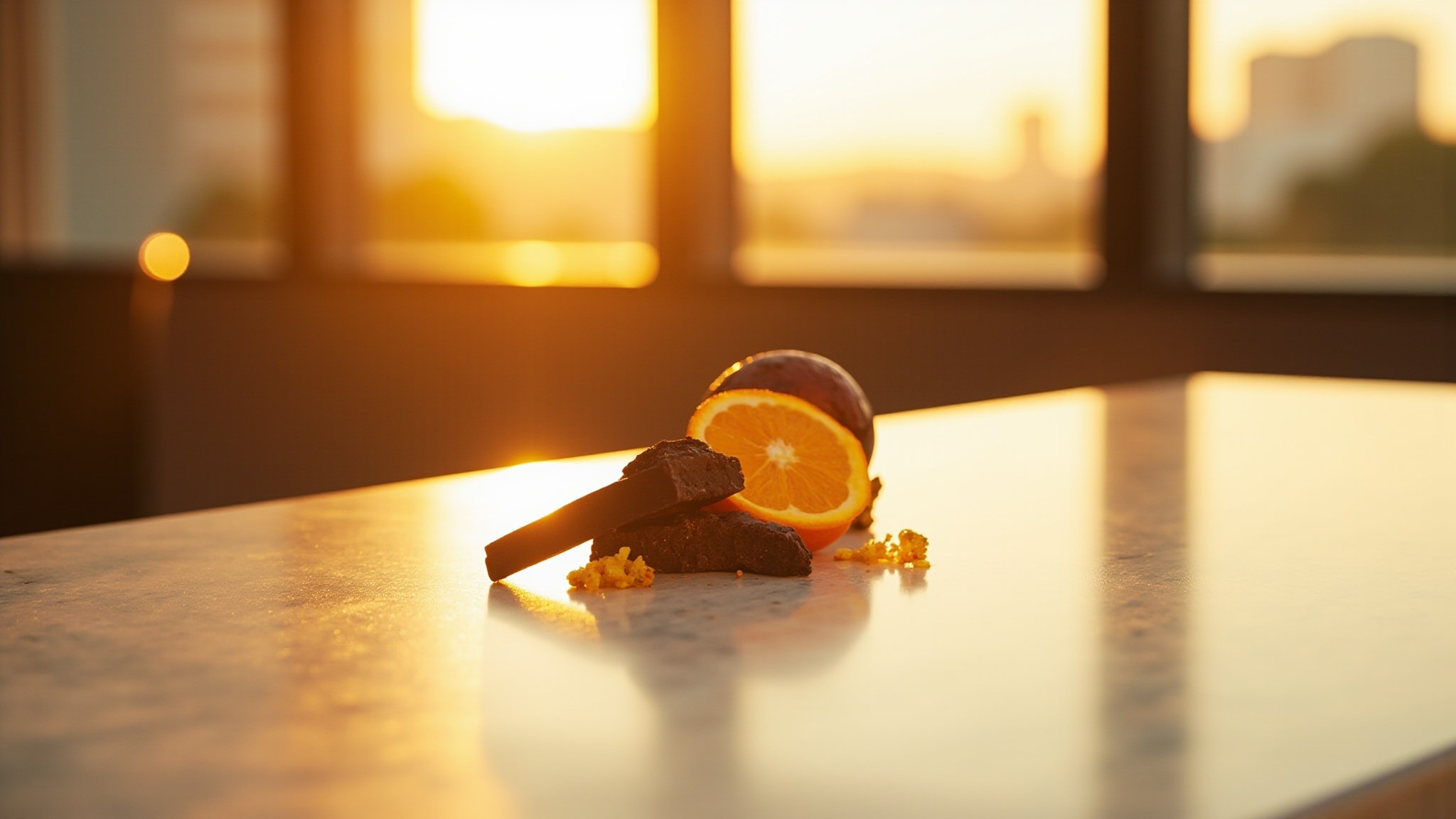
The opening hits bright and fast. Orange and bergamot arrive together, sharp enough to catch attention, then black pepper adds a warmth that stops it from being too cheerful. This is citrus with a pulse. The heart develops with cacao asserting itself, not milk-chocolate soft but darker, slightly bitter, paired with Curaçao's bittersweet orange peel. Praline threads underneath, adding sweetness without apology. The drydown is where Smiley earns its name. Patchouli and myrrh create a warm, slightly resinous base that lasts. Musk keeps it intimate, close to skin. Theobromine sits in the background, the same molecule that makes dark chocolate feel like a reward, not just a treat. This is the fragrance that stays after you've stopped thinking about it.
Cultural impact
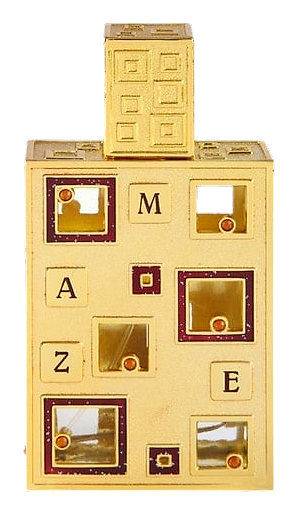
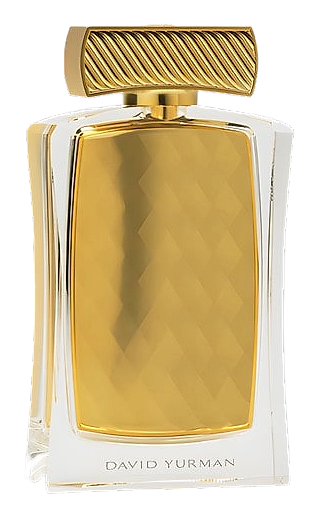
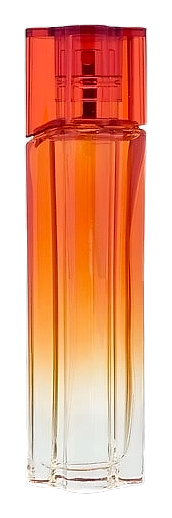
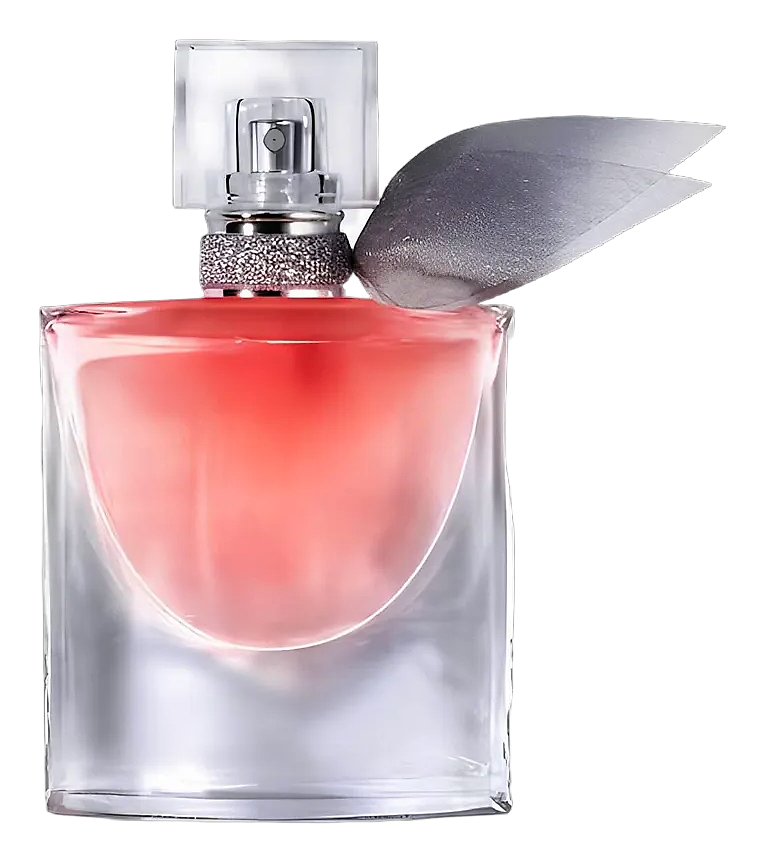
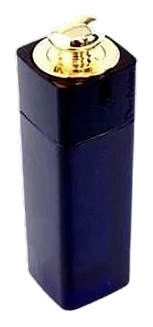
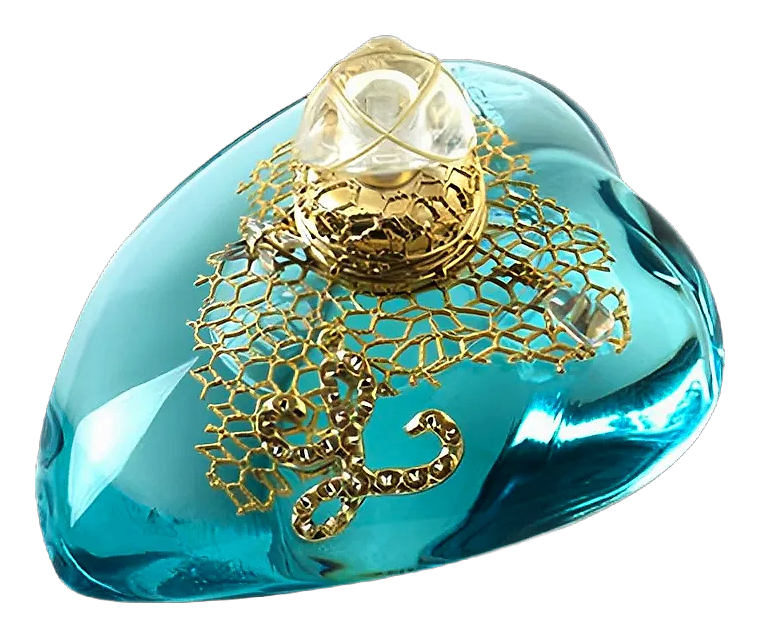
Smiley joins the citrus-gourmand conversation as sweet fragrances shed their stigma. Jeanne Arthes designed it for everyday wear, a fragrance that doesn't require justification. Theobromine as a concept is distinctive enough to anchor conversations, even if most wearers simply register a pleasant, comforting scent. The bottle design adds visual credibility, keeping it from disappearing in a crowded market. Smiley occupies the middle ground: sweet enough to comfort, bright enough to lift, warm enough to linger.