










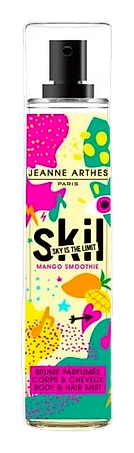
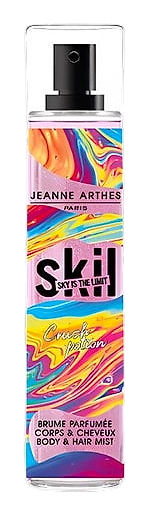
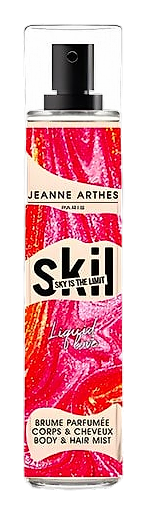
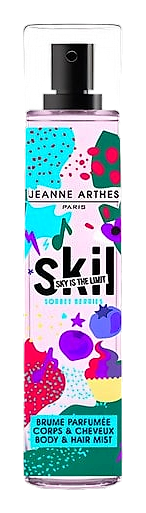
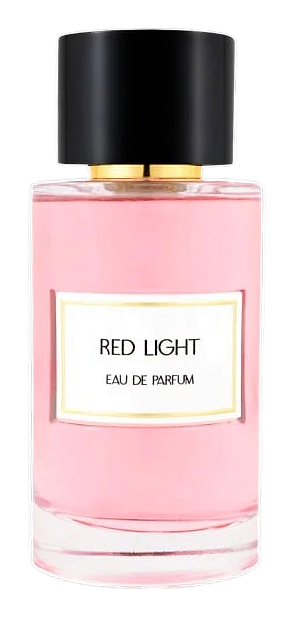

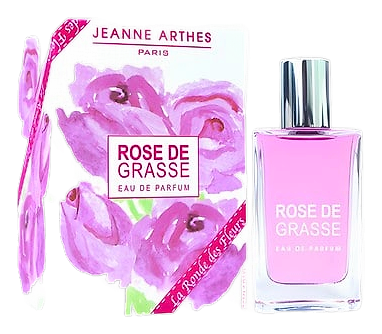
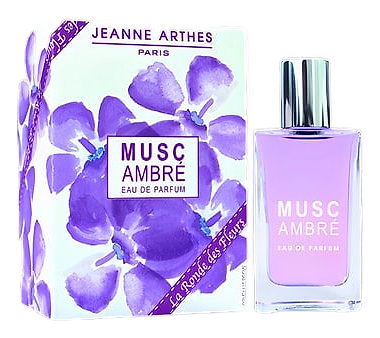
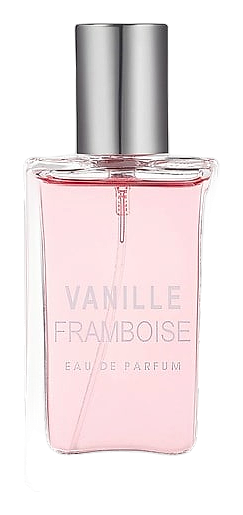
The Heritage
The Story of Jeanne Arthes
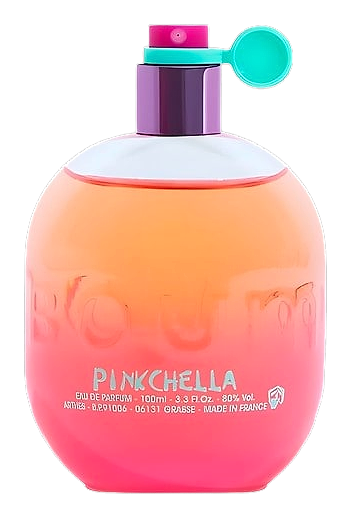
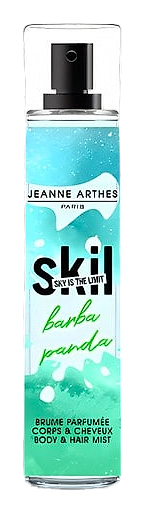
Jeanne Arthes is a French perfume house that operates out of Grasse, the historic heart of the fragrance industry. Since its launch in 1978 the brand has built a catalogue that mixes playful modern scents with classic French techniques. The line includes youthful releases such as Strawberry Fizz (2024) and Boum Pinkchella (2025) alongside more mature compositions like Cassandra Rose Vanille (2020). Jeanne Arthes positions itself as a bridge between the artisanal heritage of Grasse and the everyday consumer who wants a scent that feels both refined and approachable.
Heritage
The story of Jeanne Arthes begins in 1978 when Bernard Perrin founded the house within the larger Arthes Group. The group had already established a manufacturing presence in the Bois de Grasse, a district known for its concentration of raw material suppliers and historic perfume workshops. Early on, Perrin emphasized a business model that combined in‑house formulation with external sourcing of natural extracts, a practice that allowed the brand to respond quickly to market trends while preserving a French identity. Throughout the 1980s the company expanded its distribution network across Europe, leveraging the reputation of Grasse to secure placements in department stores and specialty boutiques. In the 1990s Jeanne Arthes introduced a series of limited‑edition fragrances that experimented with emerging synthetic aroma chemicals, a move that reflected the broader industry shift toward greater stability and creative flexibility. The turn of the millennium saw the release of Joe Sorrento The Flasher (2002), a scent that attracted attention for its bright citrus‑amber composition and marked the brand’s first major push into the North American market. By 2010 the house had refined its packaging language, adopting sleek glass bottles with minimalistic labeling that echoed contemporary French design. The 2010s also brought a renewed focus on storytelling, with each new launch accompanied by a narrative that linked scent to personal moments. Recent years have featured a rapid cadence of releases—Is This Love? (2018), Sorbet Berries (2021), and the 2024 duo Strawberry Fizz and Golden Kiss—demonstrating the brand’s commitment to staying current while still honoring its Grasse roots. As of 2024 the house celebrates more than four decades of continuous production, a milestone that underscores its resilience in a competitive market.
Craftsmanship
Production at Jeanne Arthes takes place in a facility that sits adjacent to the raw material market of Grasse. The house sources natural absolutes—such as rose, jasmine, and citrus oils—from local growers who follow organic or integrated pest‑management practices. For synthetic components, the brand works with European chemical manufacturers that meet REACH compliance, ensuring that each molecule meets safety standards. Formulation teams blend ingredients in stainless‑steel vats, using temperature‑controlled environments to preserve volatile top notes. Quality control includes gas‑chromatography analysis of each batch, a step that verifies concentration levels and detects any off‑spec deviations. Once a fragrance passes laboratory testing, it moves to the bottling line where glass containers are filled by automated machines that measure volume to within ±0.1 ml. The brand employs a hand‑finished labeling process; artisans apply each label with a light adhesive to avoid residue on the bottle surface. After sealing, the perfumes undergo a resting period of at least three weeks, allowing the scent profile to stabilize before distribution. Jeanne Arthes also conducts periodic audits of its supply chain, confirming that raw material providers adhere to labor and environmental standards. This combination of traditional Grasse sourcing, modern analytical techniques, and meticulous finishing reflects the house’s commitment to consistent quality across its diverse portfolio.
Design Language
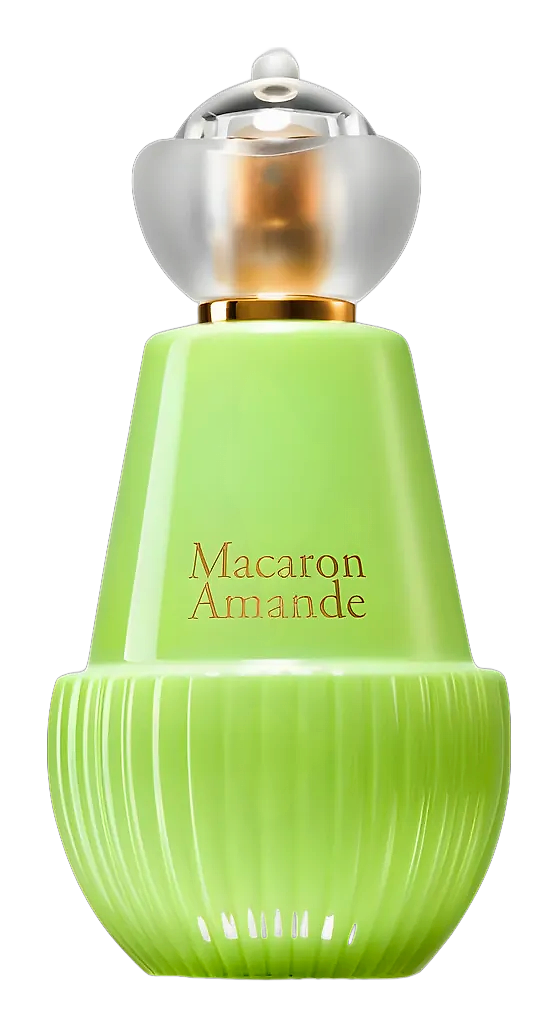
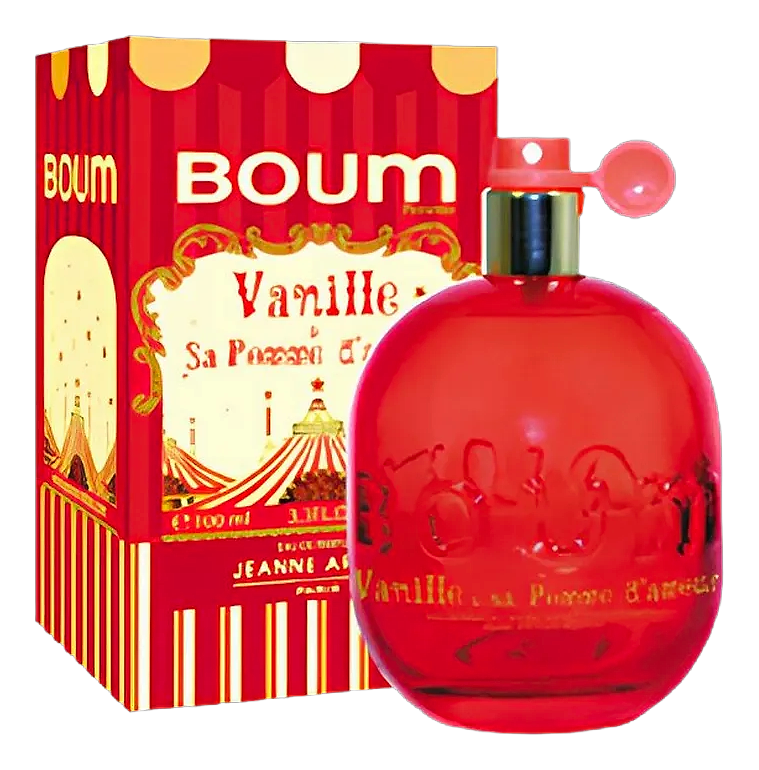
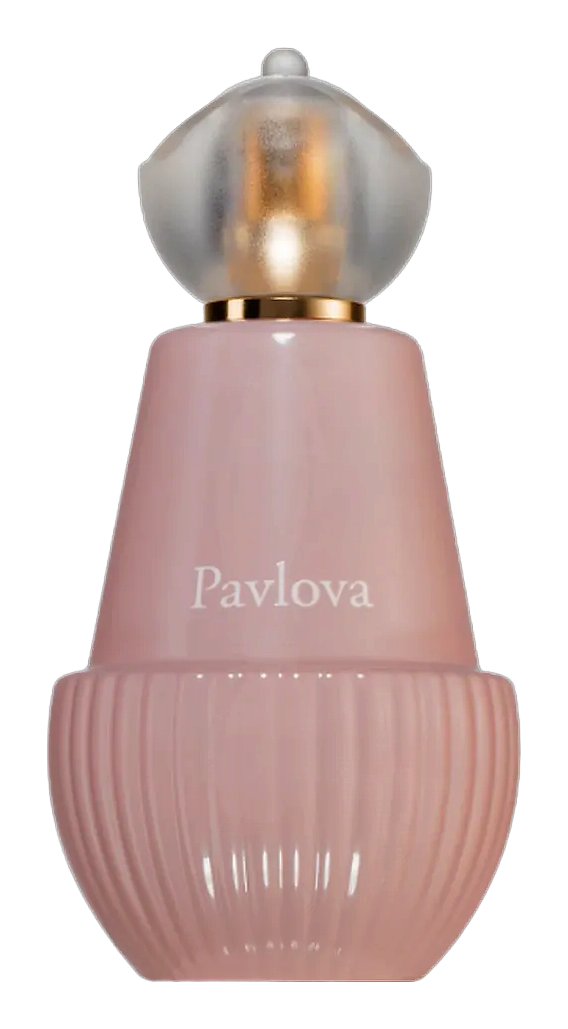
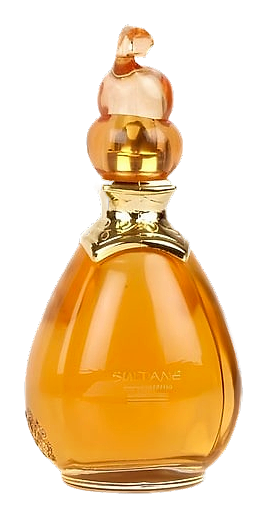
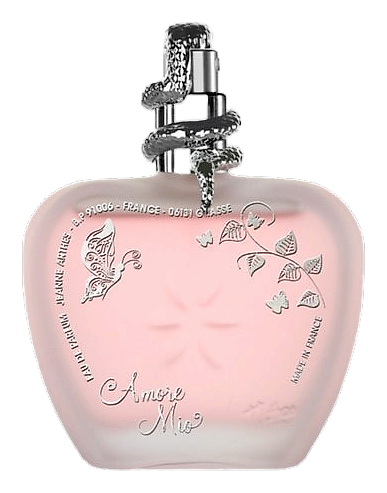
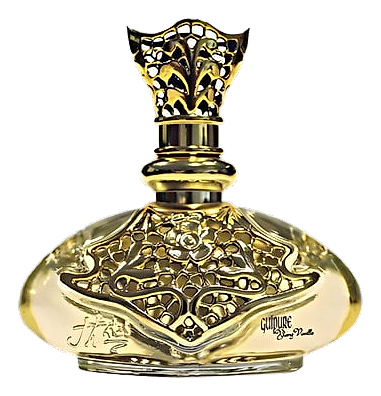
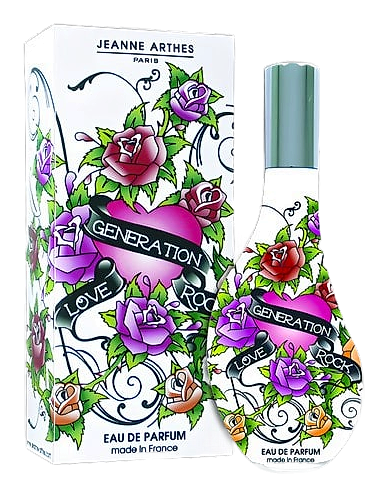
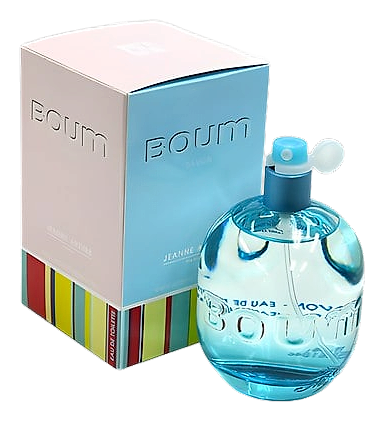
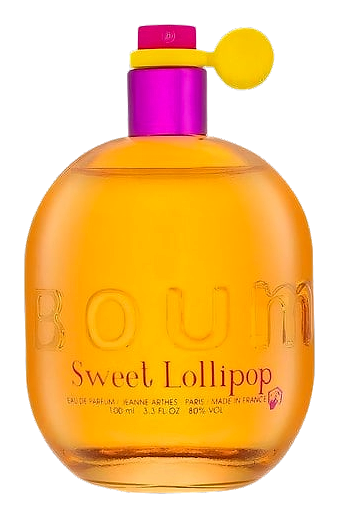
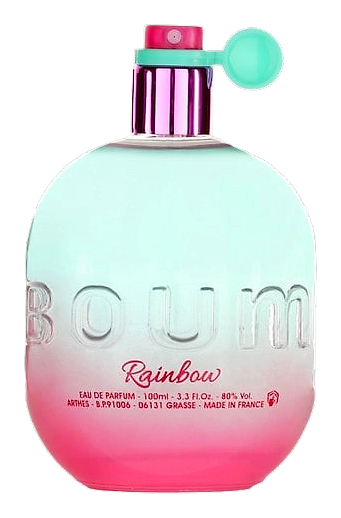
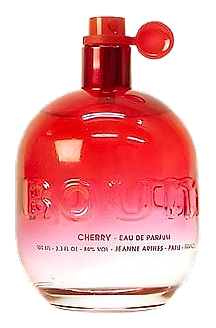
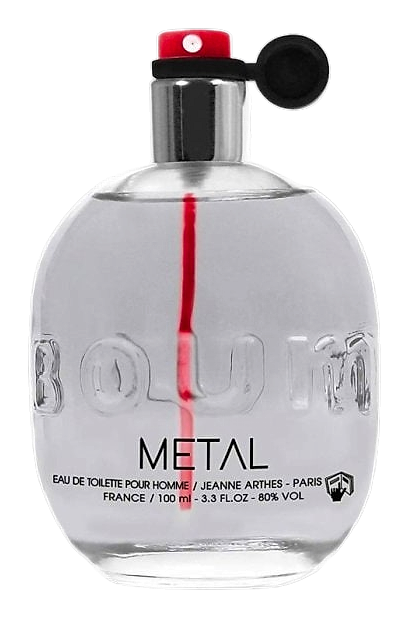
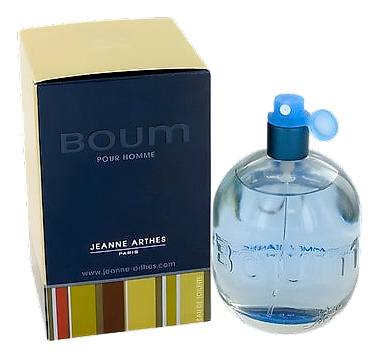
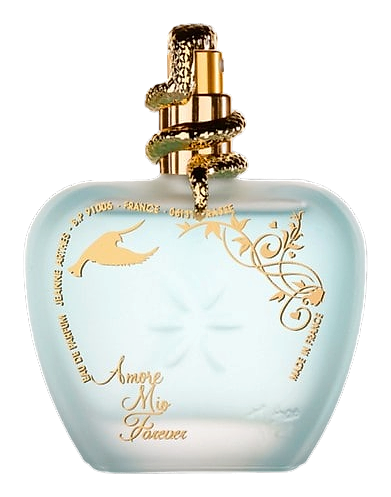
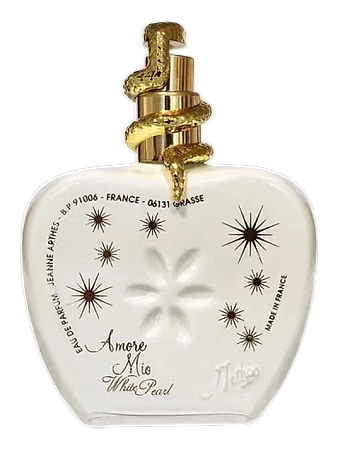
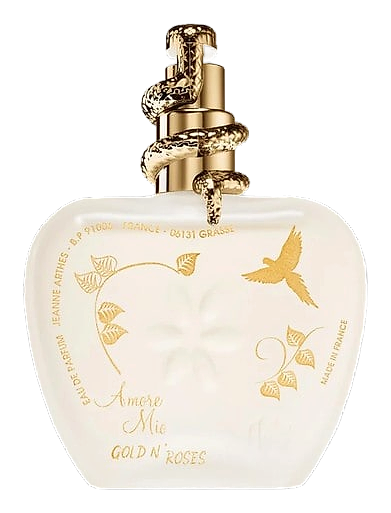
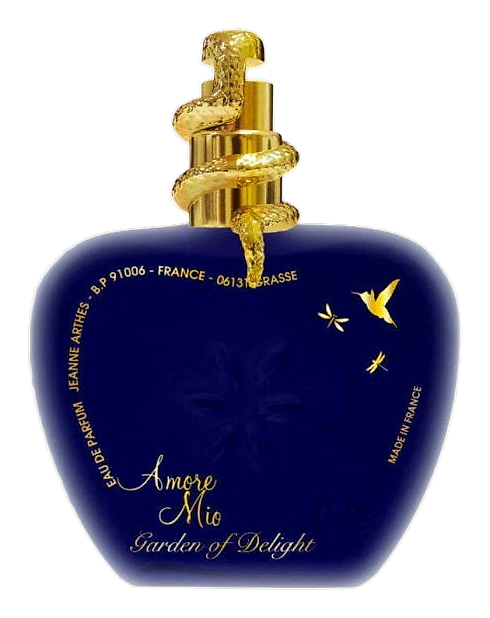
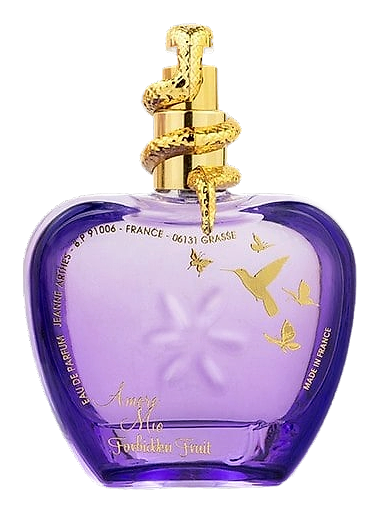
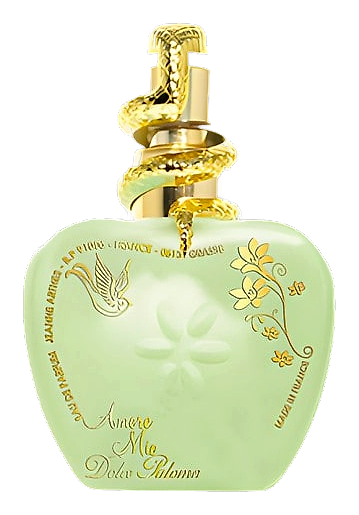
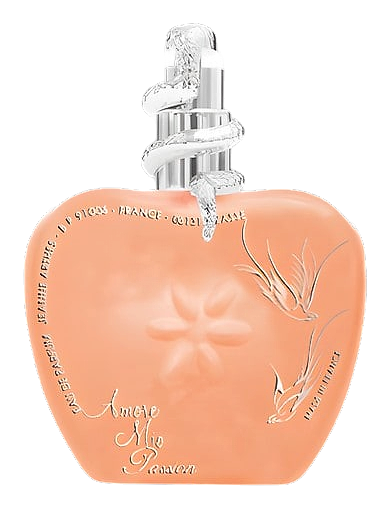
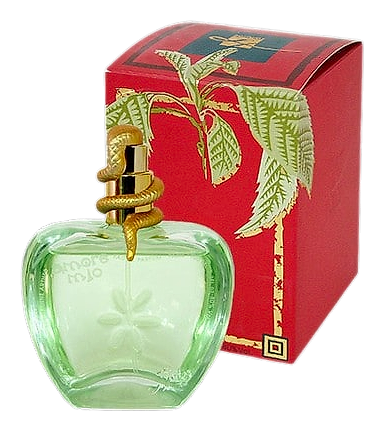
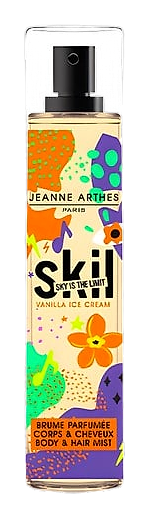
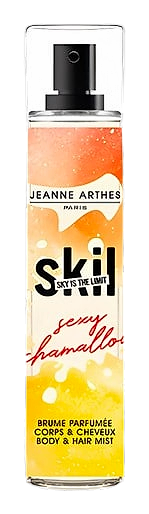
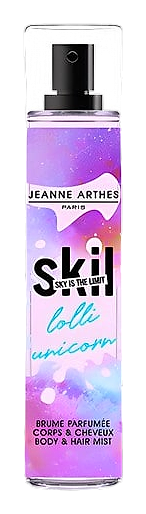
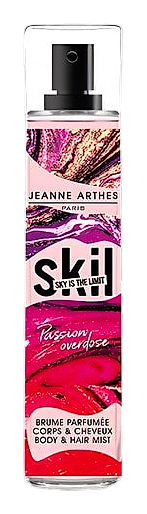
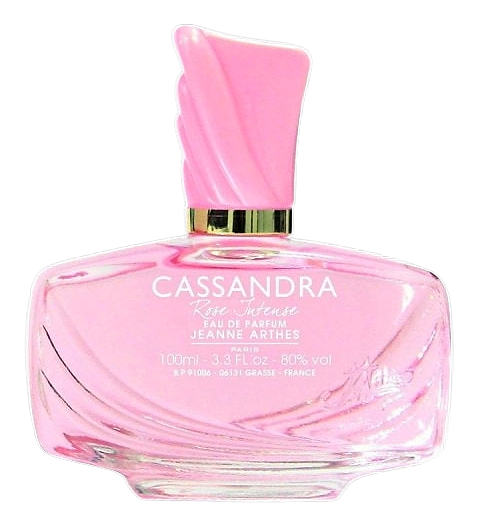
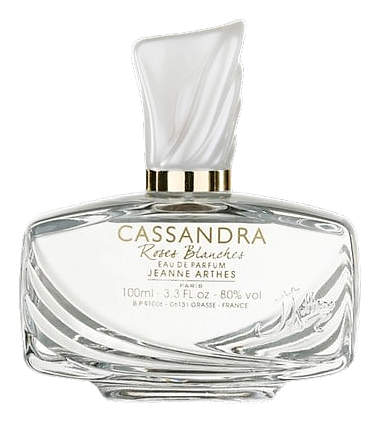
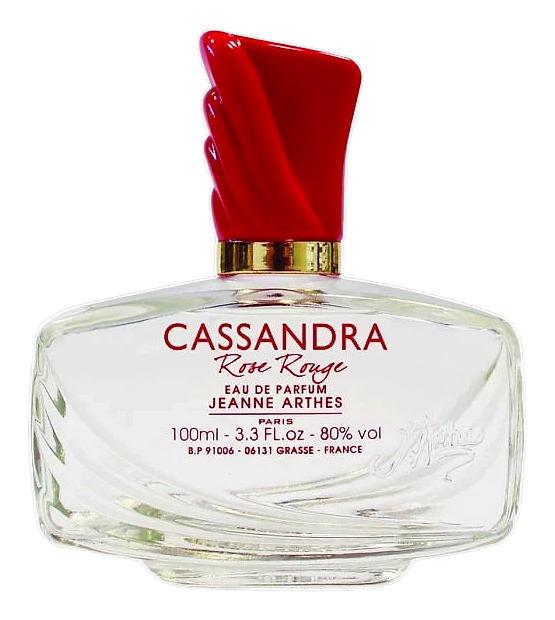
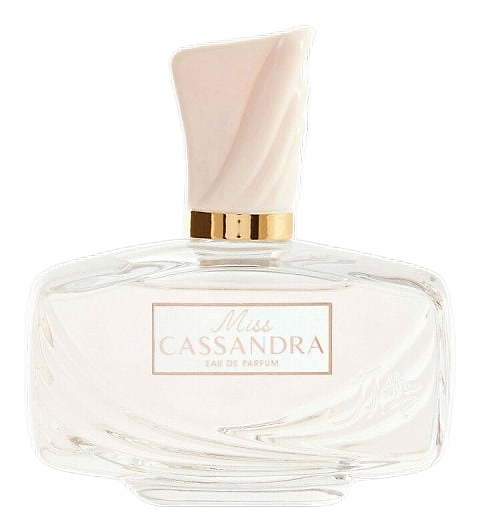
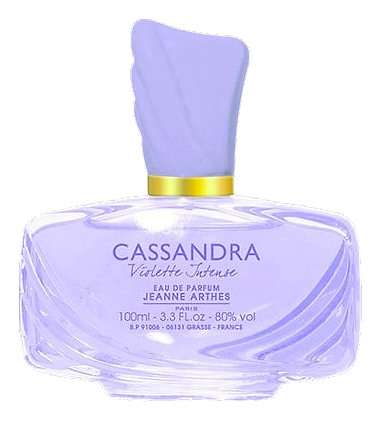
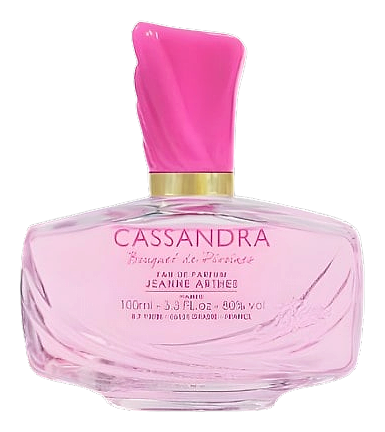
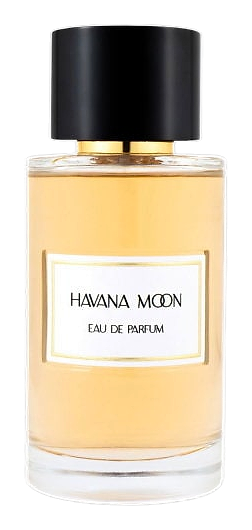
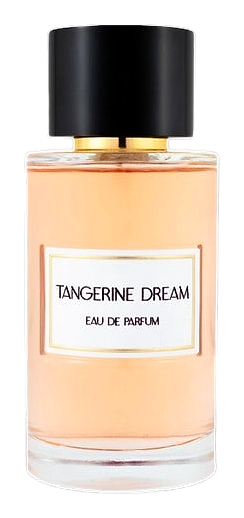
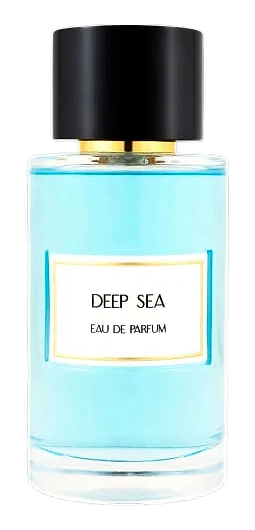
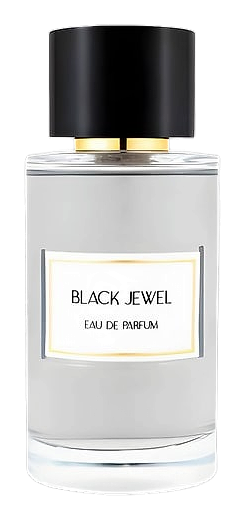
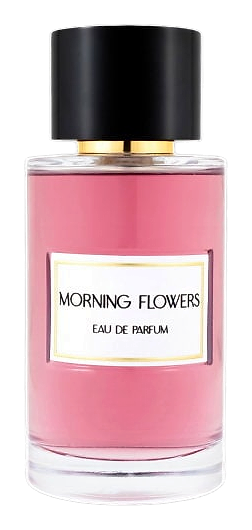
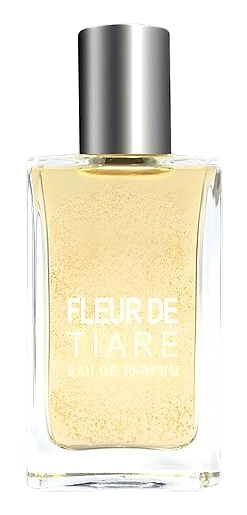
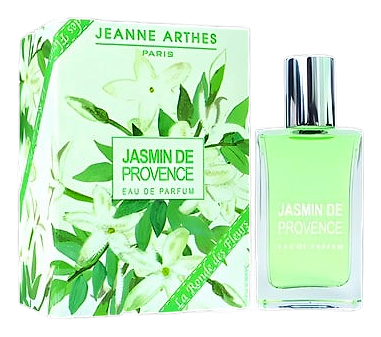
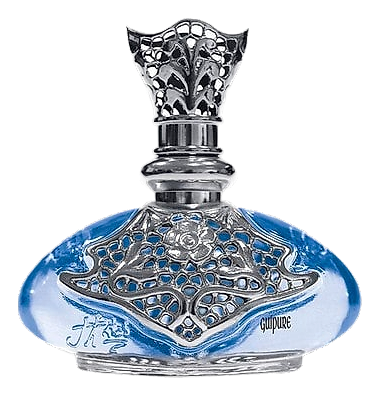
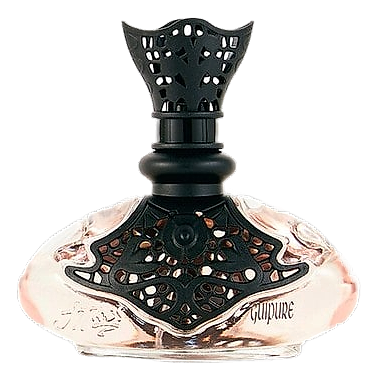
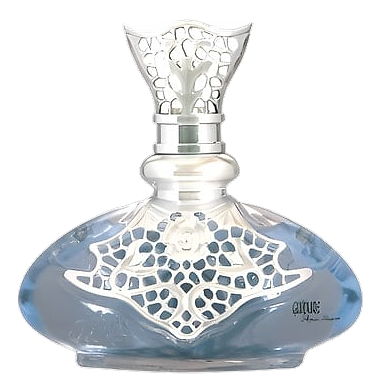
Visually, Jeanne Arthes adopts a clean, contemporary aesthetic that echoes the minimalist trends of French design. Bottles are typically clear or lightly tinted glass, allowing the perfume’s colour to become part of the visual story. Labels feature a sans‑serif typeface set against a solid background, often in pastel or muted tones that correspond to the fragrance’s character. The brand’s logo—a stylized script of the name—appears in gold or silver foil, adding a subtle touch of elegance without overwhelming the overall simplicity. Packaging boxes use matte finishes and incorporate subtle embossing, a detail that invites tactile interaction. Seasonal campaigns frequently showcase the bottles against natural backdrops—lavender fields, citrus groves, or urban cafés—reinforcing the connection between scent and place. Digital assets maintain the same restrained palette, using high‑resolution photography that highlights the liquid’s hue and the bottle’s silhouette. This cohesive visual language helps the brand stand out on shelves while remaining true to its French heritage.
Philosophy
Jeanne Arthes frames its creative vision around the idea that fragrance should be both expressive and accessible. The brand states that it draws on French perfumery traditions while encouraging designers to explore contemporary moods. Rather than chasing trends, the house aims to capture fleeting emotions—joy, nostalgia, curiosity—and translate them into olfactory form. Sustainability appears in the brand’s statements as a guiding value; Jeanne Arthes reports that it prefers ingredients sourced from certified growers in the Grasse region and seeks to minimize waste during bottling. Transparency also features in the philosophy, with the company providing ingredient lists on many of its product pages. The house encourages consumers to view perfume as a personal ritual rather than a status symbol, inviting wearers to experiment with layering and seasonal reinterpretation. This approach reflects a broader French sensibility that treats scent as an everyday art, a perspective that the brand reinforces through its modest pricing and wide retail presence.
Key Milestones
1978
Bernard Perrin establishes Jeanne Arthes within the Arthes Group in Grasse.
1992
Launch of the first limited‑edition line that incorporates emerging synthetic aroma chemicals.
2002
Release of Joe Sorrento The Flasher, marking the brand’s entry into the North American market.
2018
Is This Love? debuts, reflecting a modern take on romantic fragrance narratives.
2020
Cassandra Rose Vanille arrives, blending classic rose with warm vanilla accords.
2024
Strawberry Fizz and Golden Kiss launch, showcasing the house’s focus on fresh, youthful scents.
At a Glance
Brand profile snapshot
Origin
France
Founded
1978
Heritage
48
Years active
Collection
6
Fragrances released
Avg Rating
3.7
Community sentiment
Release Rhythm


