Jean-Pierre Bethouart
Jean-Pierre Béthouart grew up in Picardy with a chemistry degree in hand, but the allure of scent eventually proved stronger than any laboratory. He made the leap from chemist to perfumer in 1981, joining Givaudan where he spent six formative years developing his palate before moving to Firmenich, where he has remained for decades as a senior perfumer. The move gave him the space to grow into a distinctive voice within the industry. Béthouart's name appears on Dune by Christian Dior, one of the most successful French fragrances of the 1990s, a project that cemented his reputation for work that balances accessibility with real depth. Over the years he has composed across a wide spectrum, from mass-market icons to niche-leaning exercises in texture, always bringing a chemist's rigor to the creative process. His career reads as a steady, principled arc rather than a dramatic pivot, and that consistency is precisely what makes him reliable. He has worked with nearly every major house in the industry, building fragrances for Versace, Givenchy, Burberry, Escada, and Nickel, among others. When he speaks about the craft, he speaks about it as a methodical discipline, an art built on discipline as much as imagination.
The hits
Notable creations


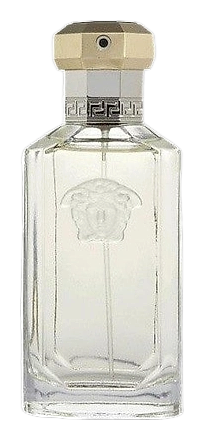



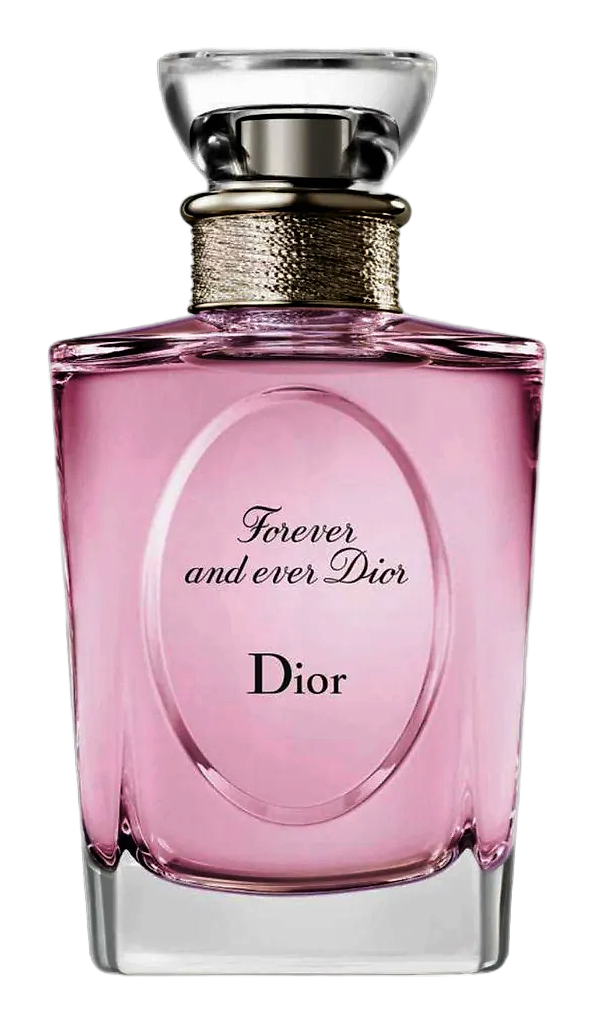

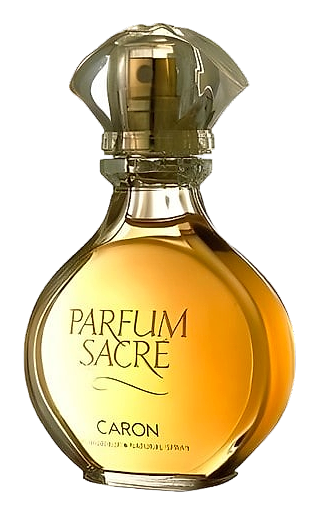

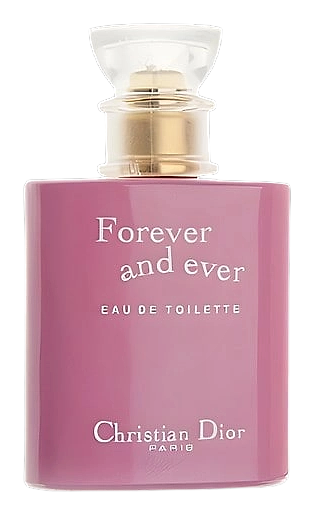

The signature
How Jean-Pierre composes
Béthouart's work tends toward warm, enveloping textures that linger close to the skin. He is particularly adept with contrasts between crisp top notes and creamy, almost powdery bases, a tension that gives his creations their characteristic push and pull. He has shown a consistent facility with floral themes, especially when set against richer supporting architecture. His mass-market work demonstrates a rare ability to communicate complexity simply, while his more considered pieces show a softer, more intimate register, almost tactile in feel. He rarely chases trends; his instincts tend toward timelessness over trend-chasing.
Philosophy
What drives Jean-Pierre
Béthouart approaches fragrance as a problem-solving exercise. He believes in structure first, in understanding what a composition needs to say before reaching for any ingredient. The emotional effect is the target; the materials are simply the route to get there. He resists the idea of a signature style imposed from the outside, preferring instead to serve the creative brief with everything he has. His background in chemistry means he thinks about ingredients as functional elements, not just beautiful ones. Fixatives, volatility, the behavior of materials on skin: these are not secondary concerns but foundational ones in his process.
The houses