






















































Heritage
A house, in its own words
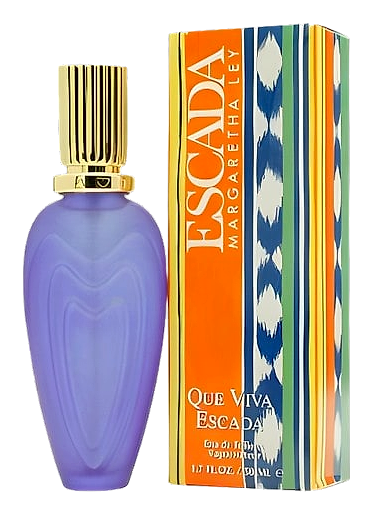
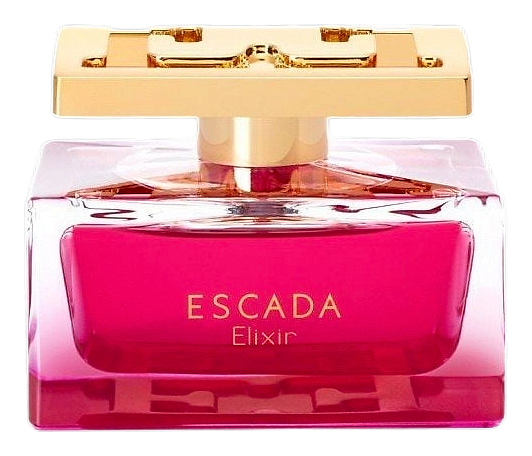
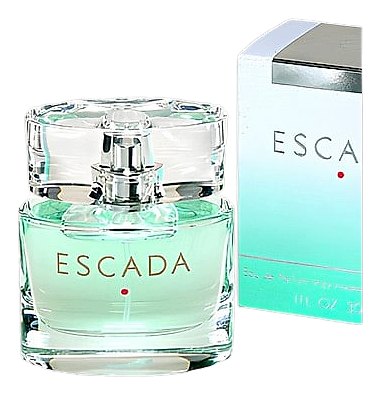
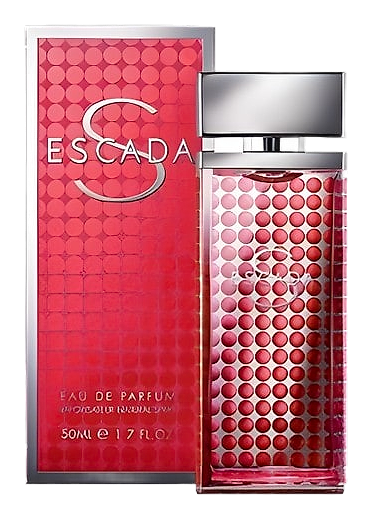
Margaretha Ley and her husband Wolfgang Ley founded Escada in 1976 near Munich, Germany. The couple chose the name after a thoroughbred racehorse that had won a local derby, a detail confirmed by multiple fashion histories. Their first boutique opened in 1978, and the label quickly earned a reputation for "Sporty Elegance" – a blend of relaxed tailoring and bold colour that distinguished the runway shows. By the late 1980s the fashion house expanded into accessories and, in 1990, introduced its inaugural perfume, a floral‑citrus composition that carried the same lively spirit. The early 1990s saw a series of gender‑balanced releases: Escada pour Homme (1993) offered a crisp aromatic profile for men, while Escada Casual Friday (1999) captured a weekend‑ready freshness for women. In 2004 the brand added Magnetism for Men, a scent built around warm amber and spice, reflecting a shift toward richer accords. Financial pressures led Escada to file for bankruptcy protection in 2009, a move reported by several business outlets. The company emerged from restructuring under new ownership, preserving its design DNA while refocusing on core markets. Recent years have brought limited‑edition launches such as Pacific Paradise (2026), a tropical‑oriented fragrance that signals the house’s continued willingness to explore seasonal narratives. Throughout its evolution, Escada has maintained a consistent link between fashion and fragrance, using scent as an extension of its visual storytelling. Escada approaches perfumery as an extension of its design language, treating scent as another material in its creative toolbox. The brand values colour, movement and a sense of optimism, and it seeks to translate those attributes into olfactory form. Rather than chasing trends, Escada favors compositions that feel instantly recognizable yet adaptable to daily life. The house collaborates with perfumers who share a willingness to blend bright top notes with deeper base elements, creating layers that evolve on the skin. Sustainability has entered the conversation in recent years; Escada reports that it evaluates ingredient sourcing for environmental impact and prefers suppliers that meet recognised standards. The brand also emphasizes accessibility, aiming to offer fragrances that sit comfortably in both casual and formal wardrobes. By aligning scent with its broader aesthetic, Escada hopes to give wearers a sensory cue that matches the confidence of its clothing collections.