
The Story
Why it exists.
The beginning
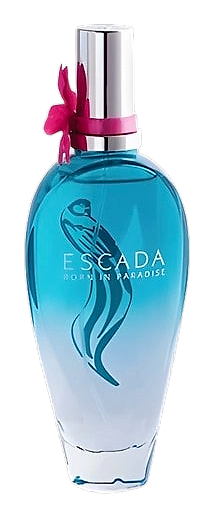
Born in Paradise arrived in 2014 as Escada's 22nd limited edition fragrance, part of a house known for translating runway energy into scents that move. The brief was simple: capture French Polynesia. Turquoise water, glistening beaches, tropical flowers, and fruit so ripe it practically falls into your hands. The famous Pina Colada cocktail, pineapple and coconut milk, shaken with fruit, became the creative blueprint. Not a literal interpretation. A feeling translated into something you could wear.
The note structure is clever in its restraint. Watermelon, guava, and green apple don't just smell tropical, they approximate the exact sensation of biting into cold fruit on a hot day. The lactonic quality of coconut milk adds creamy depth without actual dairy. It's a pina colada in fragrance form, but the aqueous notes keep it from sliding into dessert territory. Cedar and sandalwood arrive late enough to prevent it from becoming a beach supply store cliché. The composition earns its name by being exactly what it promises, paradise, in a bottle.
The evolution
The opening is immediate and bright, watermelon leading with that characteristic water-heavy quality, guava following with its tart tropical edge, green apple adding crispness. Within minutes, the coconut milk emerges and everything softens. The pineapple stays present throughout, never fully disappearing. The drydown is where the woodsy notes finally show up, cedar and sandalwood wrapping the whole thing in something slightly more grounded. Sillage carries a moderate presence throughout wear. Longevity holds comfortably through a beach day outing, enough for casual daytime wear without lingering aggressively into evening hours. By the end, what lingers is a clean, slightly sweet trail that fades gracefully.
Cultural impact
Born in Paradise arrived during a cultural moment when consumers craved escapism through scent. The 2010s saw a surge in tropical-forward fragrances, but Escada distinguished itself by leaning into genuine fruit authenticity rather than synthetic candy mimicry. The limited edition status added collector appeal, and as availability tightened, the fragrance developed a loyal following among enthusiasts who appreciated its unapologetically sunny disposition. Its watermelons-forward composition stood apart from the coconut-dominant tropical releases, offering something brighter and more aquatic. The fragrance became a touchstone for warm-weather scent conversations, frequently cited in discussions of beach-season wardrobes and vacation fragrance packing lists.