Guava
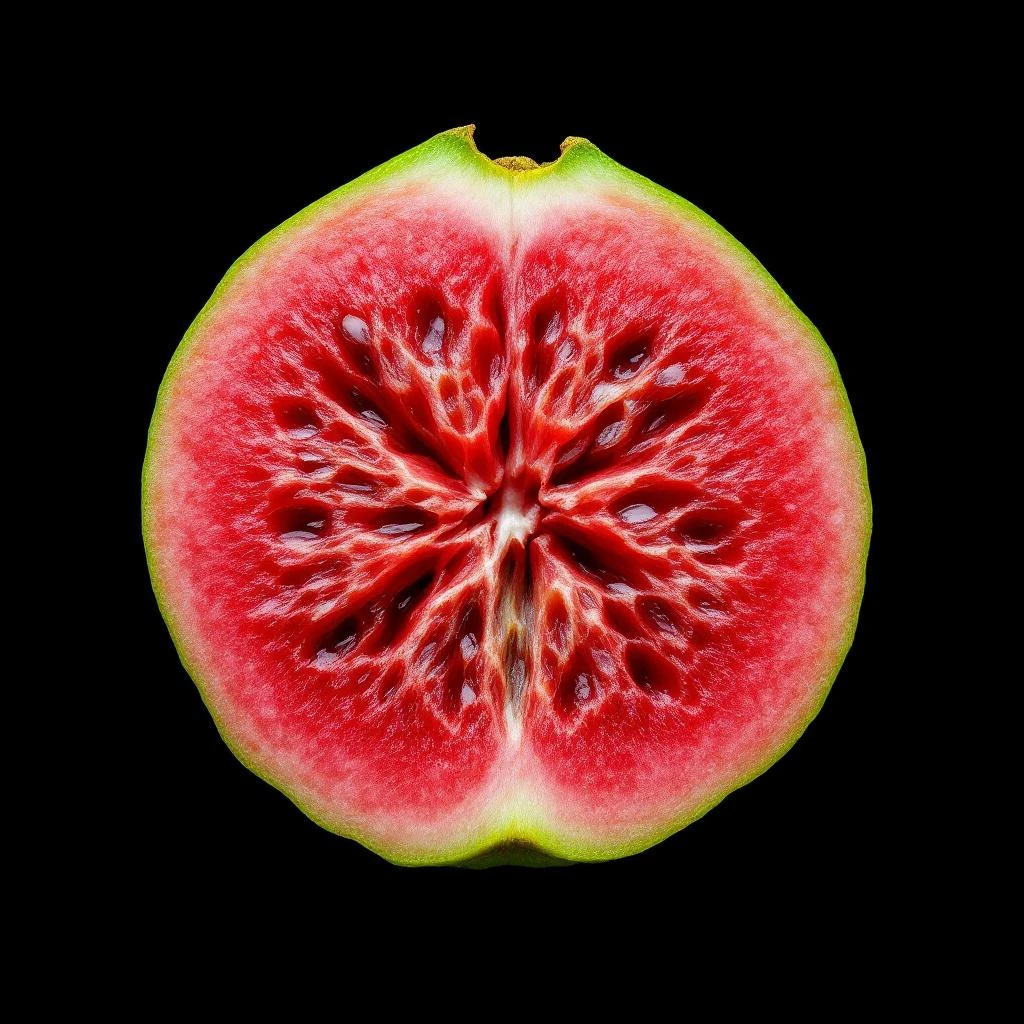
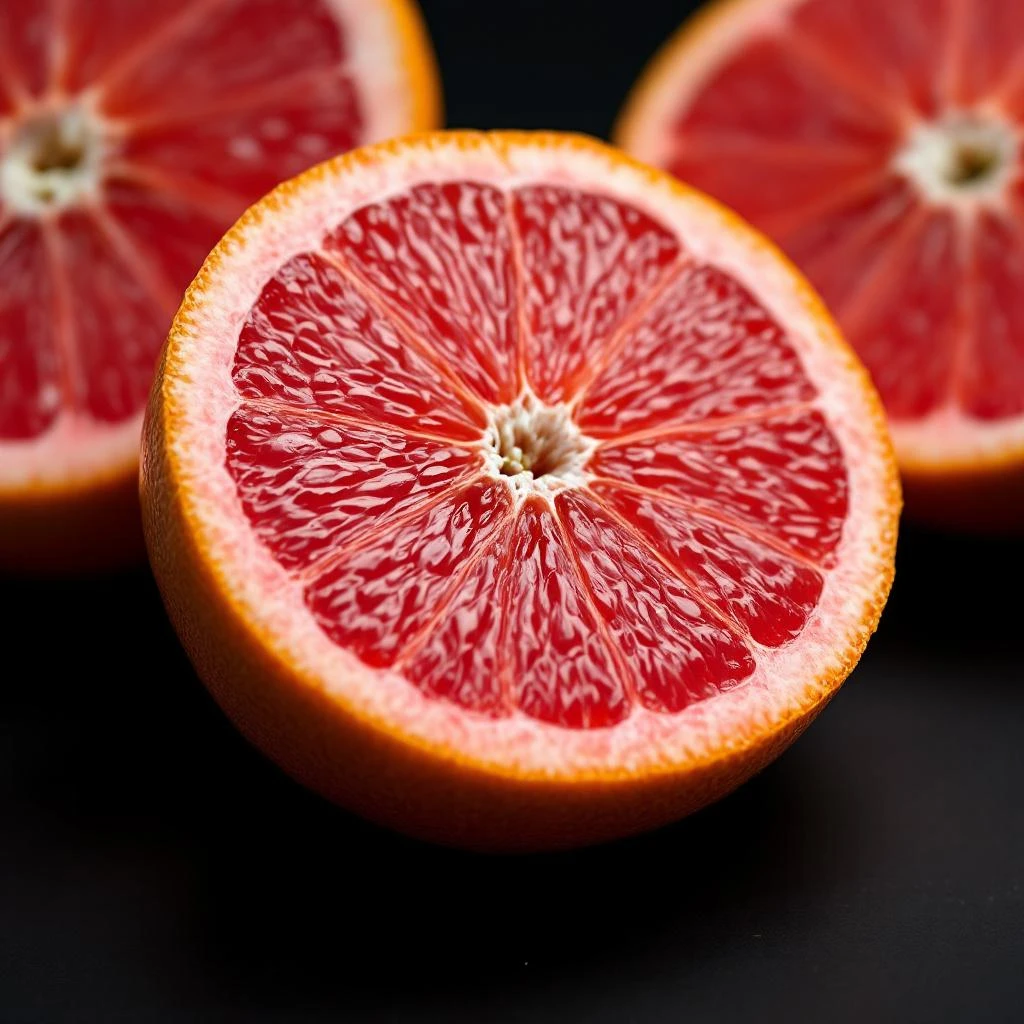
Guava brings a vibrant tropical character to fragrance with its distinctively sweet-tart aroma, combining bright citrus, floral undertones, and the unmistakable sensuality of ripe tropical fruit.
Character
How it smells
Tropical sweetness with a sensual edge
The same sulfur compound that gives guava its signature smell also appears in cat urine, earning the molecule the nickname 'catty' in the fragrance industry.







Origin
Mexico
Guava originates from tropical Mexico and Central America, where indigenous peoples cultivated Psidium guajava for thousands of years before European contact. The fruit traveled with Spanish and Portuguese explorers throughout the 16th and 17th centuries, establishing itself across tropical regions worldwide. Fragrance chemistry did not isolate the compound responsible for guava's distinctive aroma until the 1970s.
Once scientists identified 4-mercapto-4-methyl-2-pentanone as the key odorant, synthetic replication became possible. Tropical fruit notes gained mainstream perfumery popularity during the 1980s and 1990s, when consumer appetite for exotic, sun-drenched fragrances expanded dramatically.
Wears it best
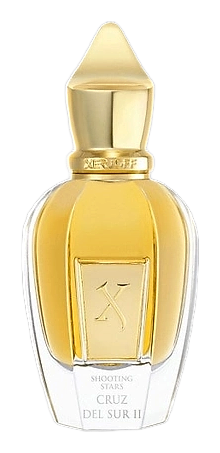
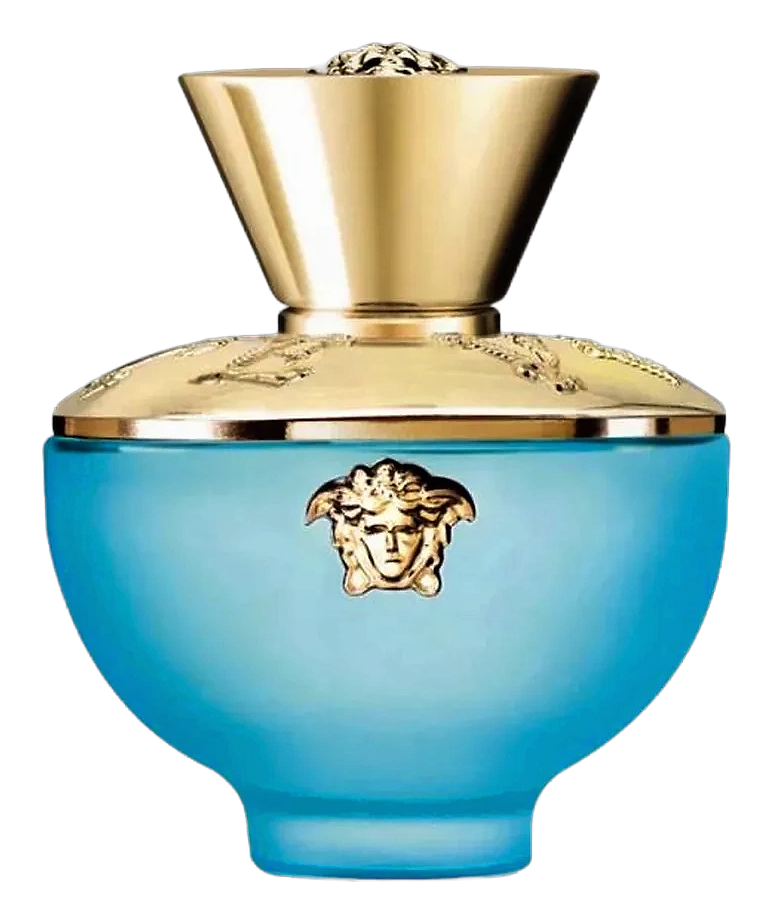
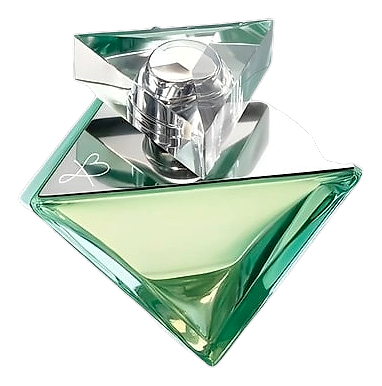
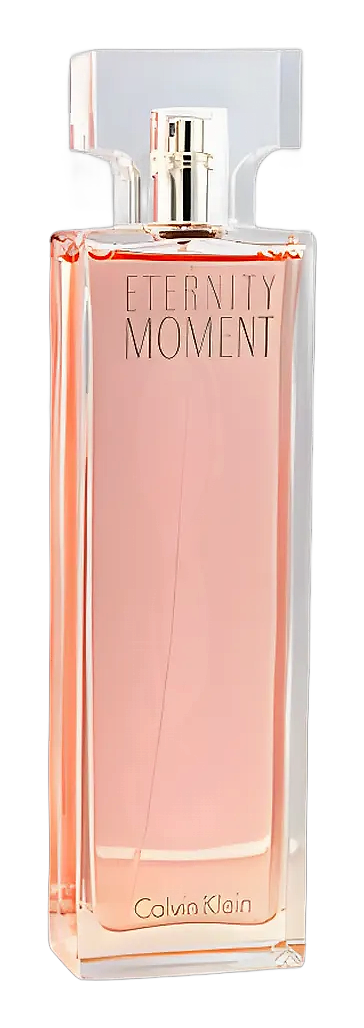
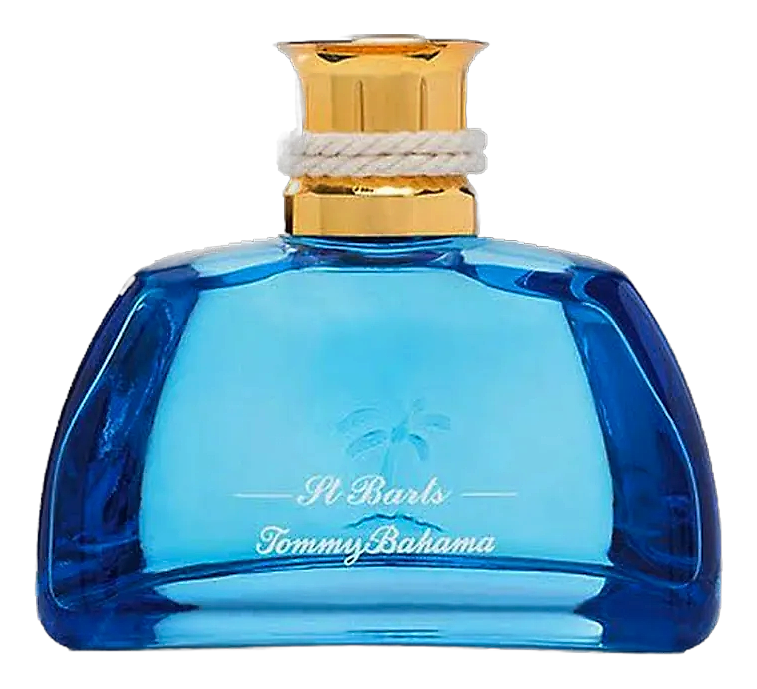
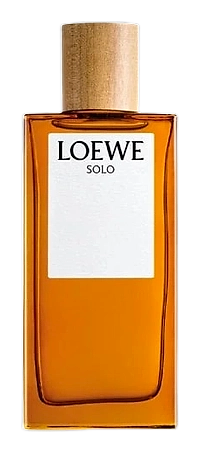
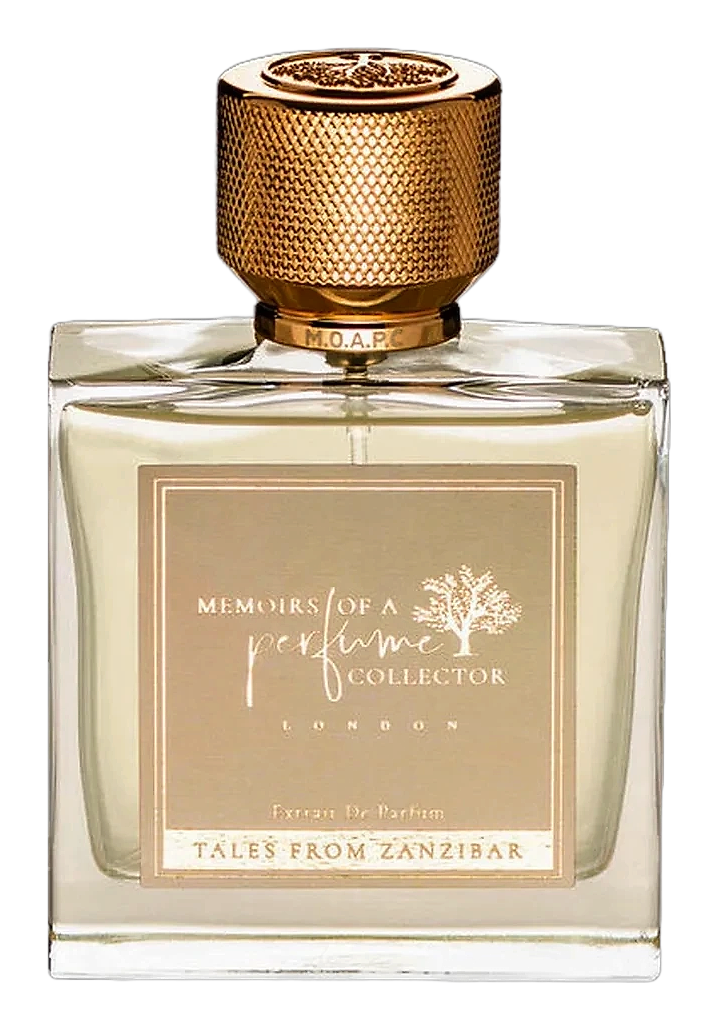
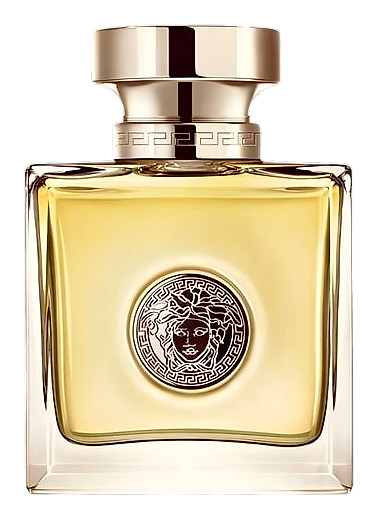
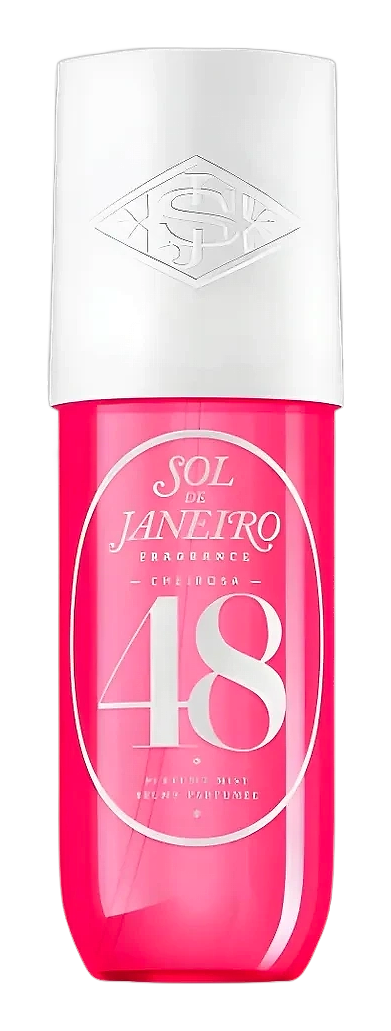
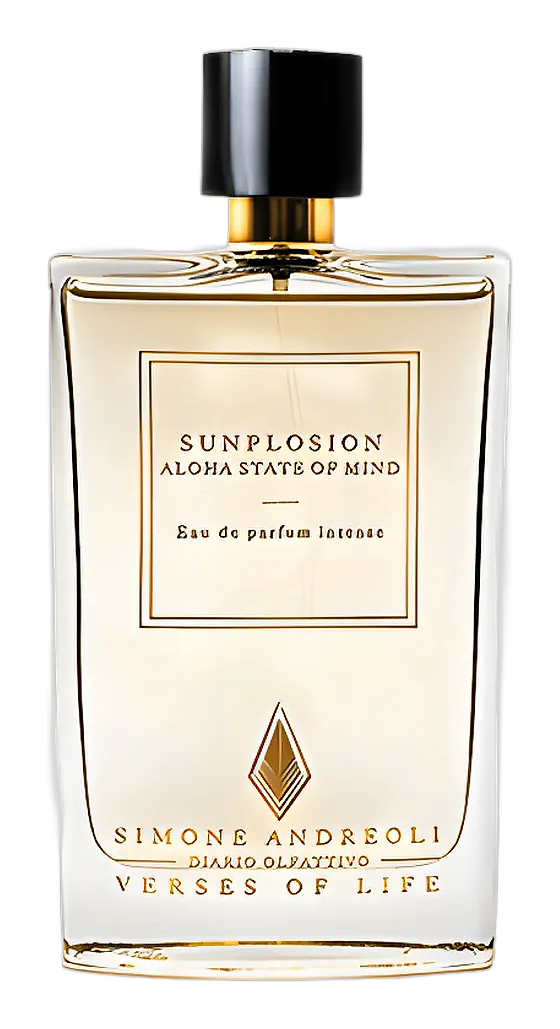
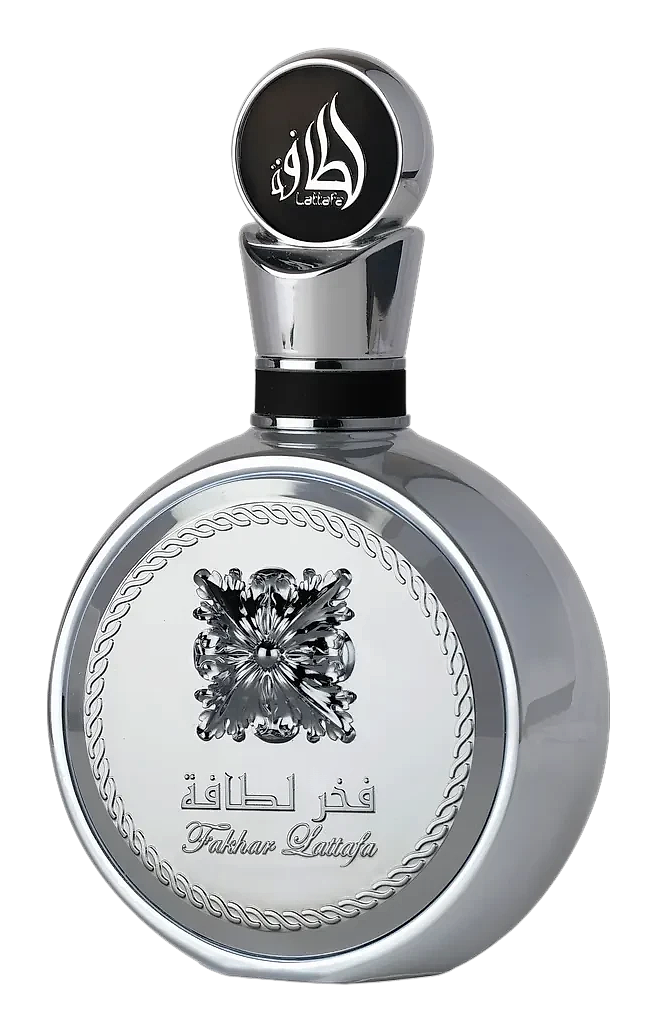
Fragrances featuring Guava

Brands
Brands known for Guava
Good to know
Questions, answered
The essentials on Guava in perfumery: how it smells, where it comes from, and how it behaves on skin.
Is natural guava used in perfumery?
No. Natural guava does not yield usable fragrance material through standard extraction, so perfumers recreate its scent with synthetic chemistry.
What makes guava smell distinctive?
A sulfur compound called 4-mercapto-4-methyl-2-pentanone creates guava's signature aroma, combined with tropical esters and lactones.
When did guava enter perfumery?
Fragrance houses developed synthetic guava molecules in the late 1980s, drawing from flavor industry research that began isolating the key compound in the 1970s.
How does guava smell in a fragrance?
Guava reads as bright, sweet-tart tropical fruit with peachy and pear-like floral undertones, adding a sun-drenched, playful character.
Which fragrance families use guava?
Tropical, fruity, and bright chypre compositions frequently feature guava, alongside citrus, coconut, and other exotic fruit notes.
Does guava appear in men's or women's fragrances?
Guava works across gender presentations, bringing energy to fresh masculine colognes and playful feminine florals alike.
What pairs well with guava in perfumery?
Guava harmonizes with coconut, passion fruit, jasmine, and marine notes, building tropical cocktail effects in fragrance compositions.
Which brands pioneered guava in fragrance?
Major fragrance houses developed the synthetic molecules in the late 1980s, first applying them in flavor work before adapting for fine perfumery.