Coconut Milk
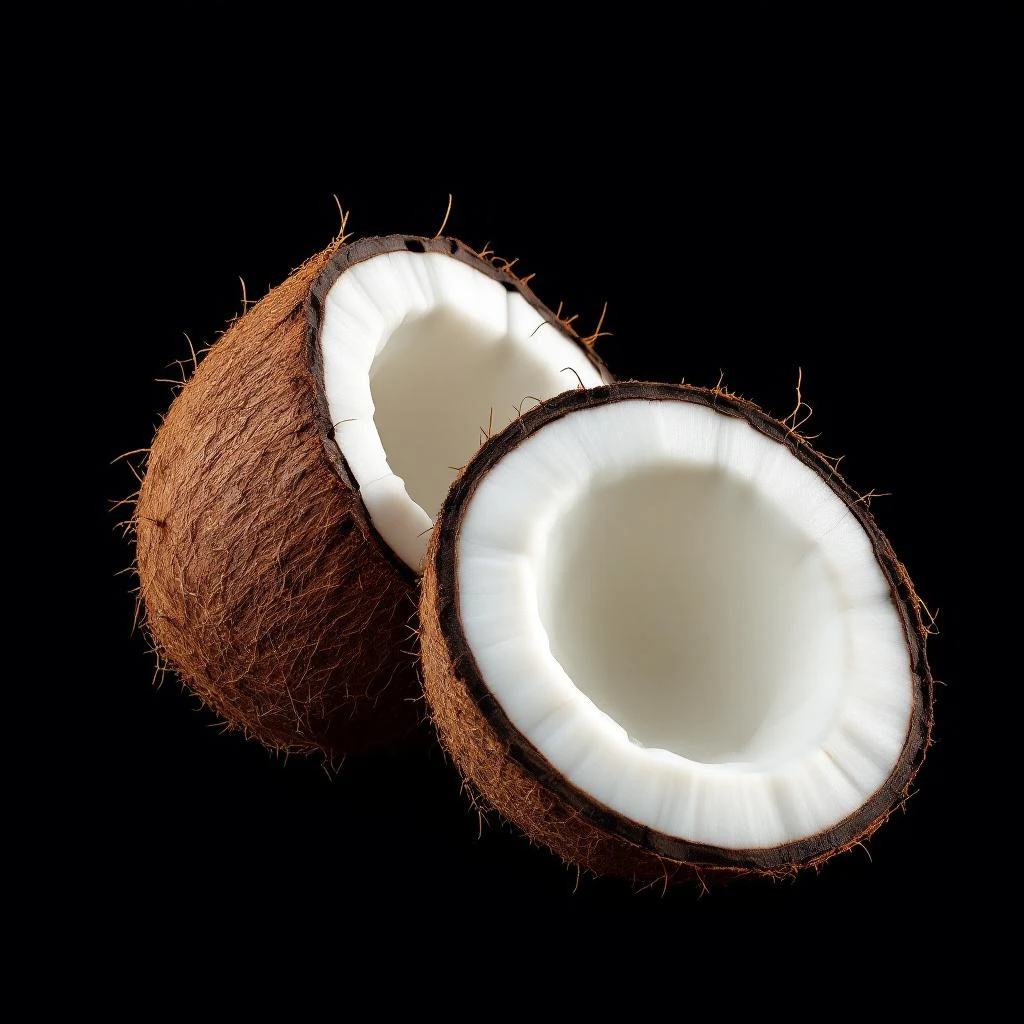
Creamy, sweet, and lactonic, coconut milk brings warmth and tropical depth to fragrance compositions. It evokes sun-warmed beaches and languid tropical escape, lending a soft, edible richness that rounds gourmand and summer-floral blends.
Character
How it smells
Tropical comfort in every note.
Perfumery coconut doesn't use coconut oil. Instead, perfumers isolate specific molecules like gamma-decalactone to recreate the creamy scent.






Origin
Philippines
The coconut palm traces its origins to the Indo-Pacific region, likely the Philippines and Indonesia, before ancient Polynesian voyagers spread it across tropical coastlines. While archaeological evidence shows coconuts on Pacific shores 2,250 years ago, fragrance makers took far longer to embrace the fruit. François Coty's development of volatile solvent extraction in the early 20th century opened new possibilities for capturing delicate coconut molecules.
The beach culture boom of the 1970s sunscreen era brought coconut into mainstream fragrance consciousness. Today, coconut milk appears across fine perfumery as a warm, enveloping heart note that bridges tropical fantasy and sophisticated composition.
Wears it best
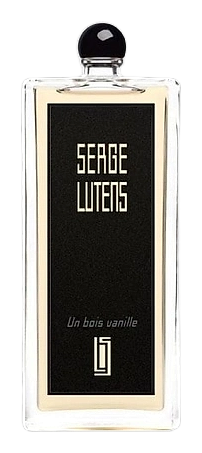
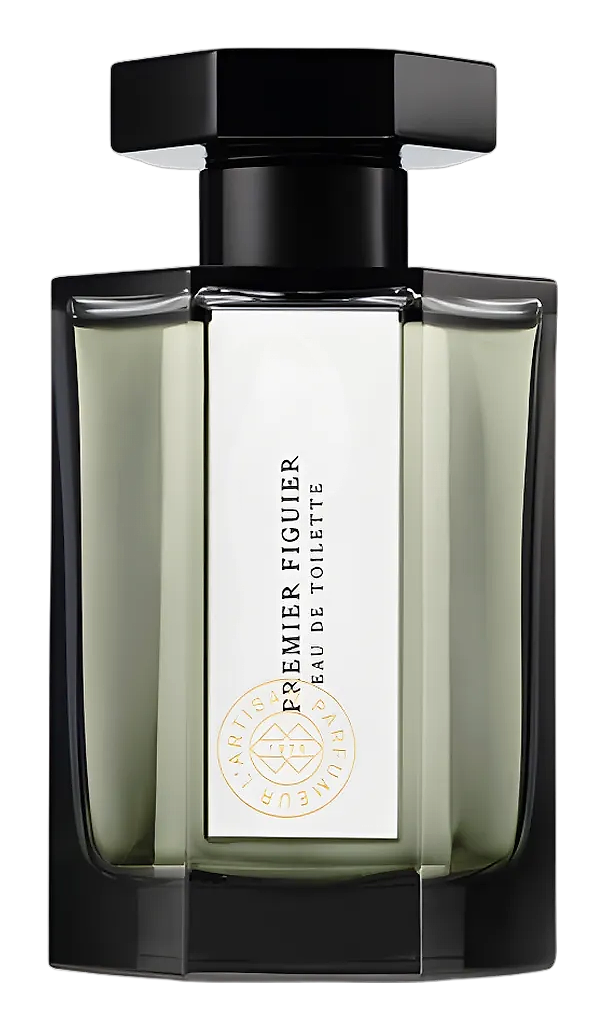
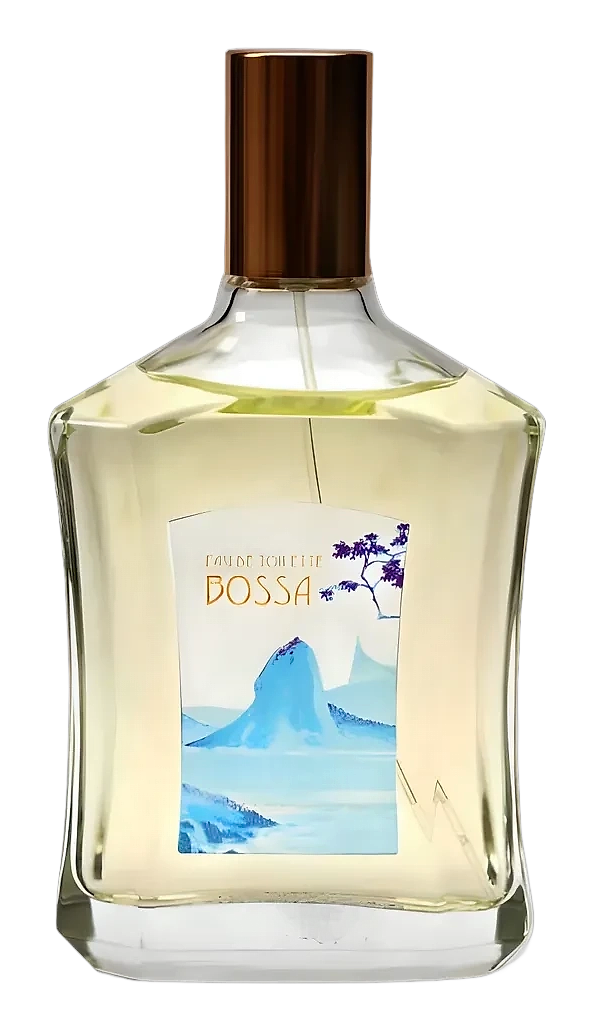
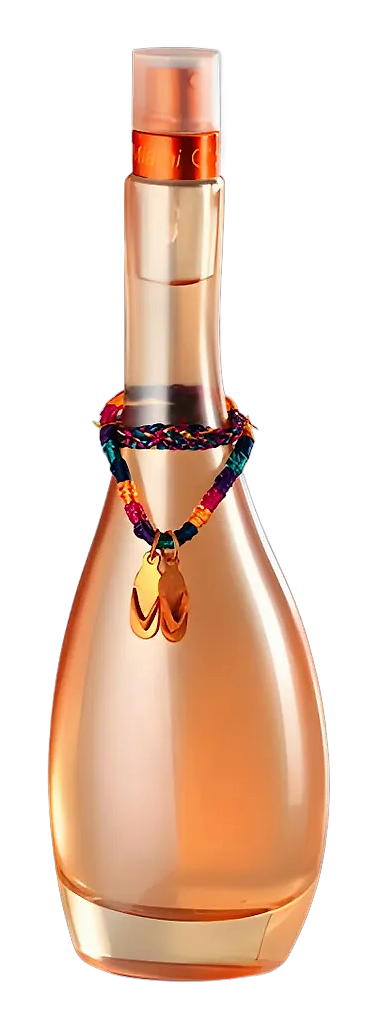
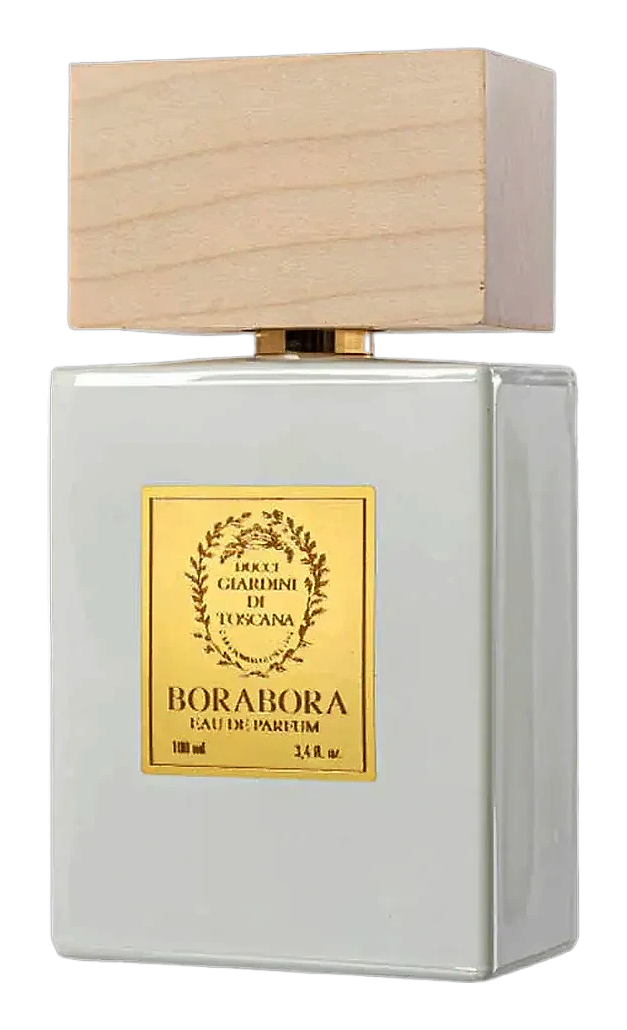
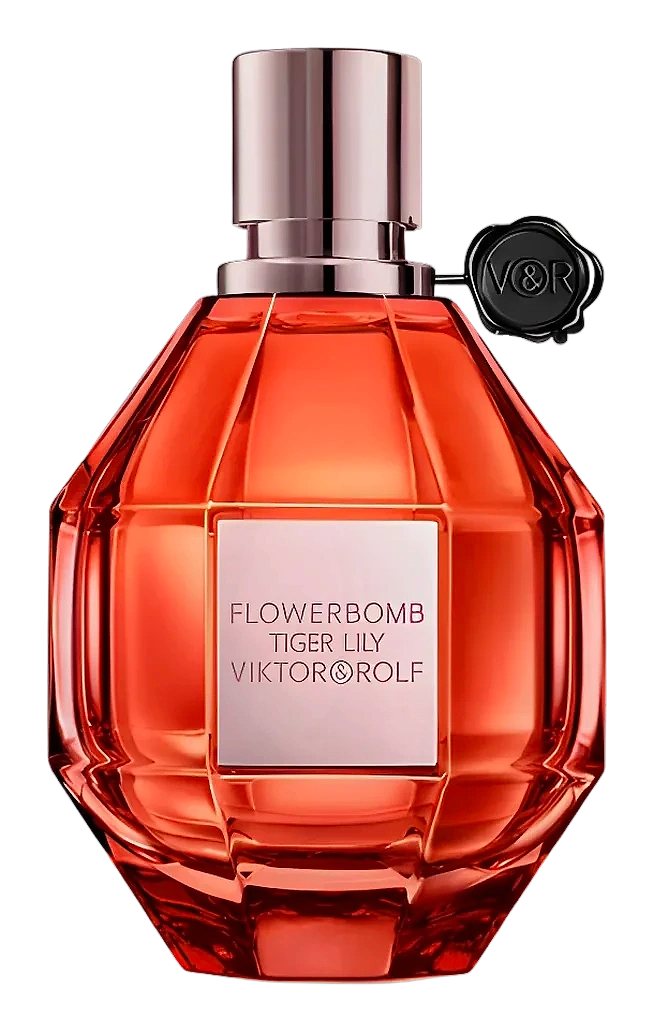
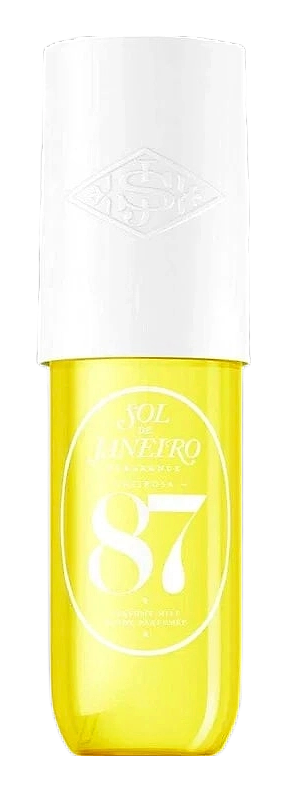
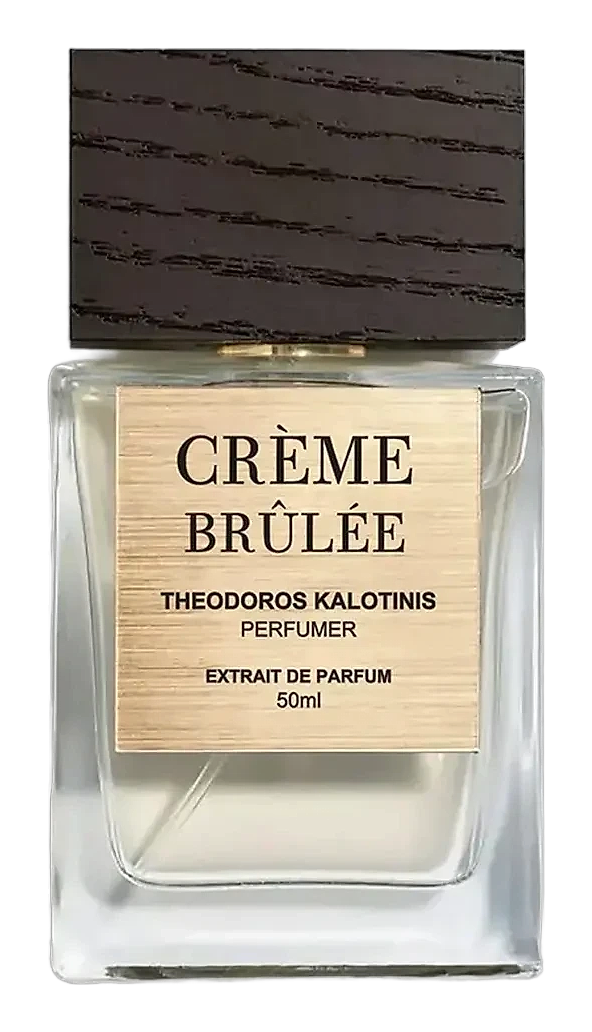
Fragrances featuring Coconut Milk
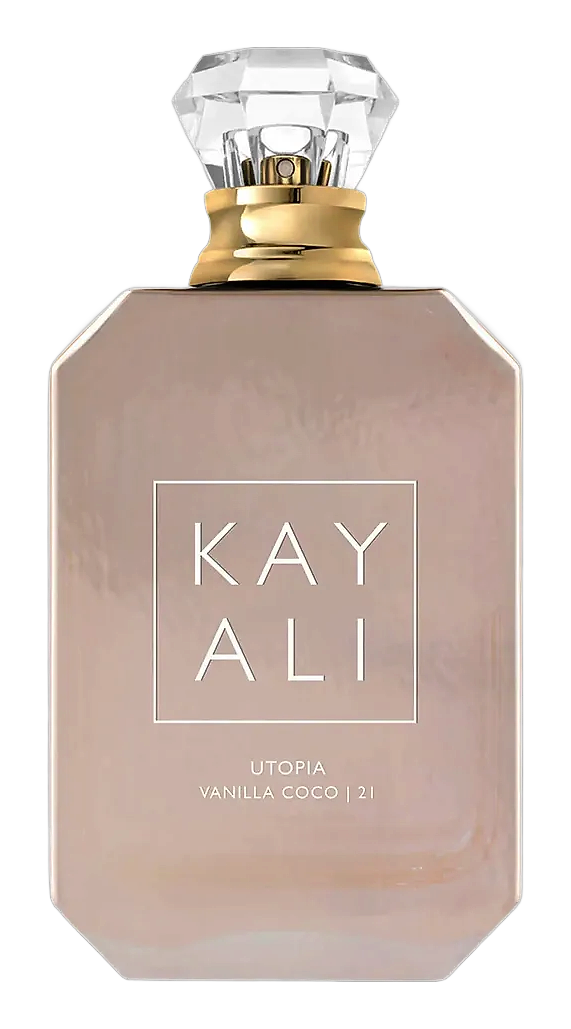
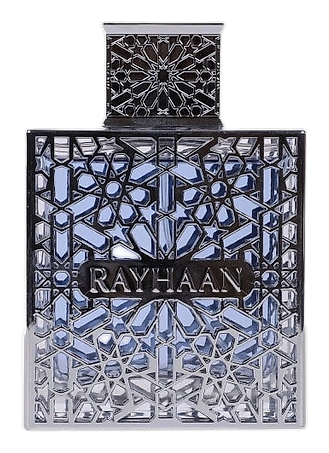
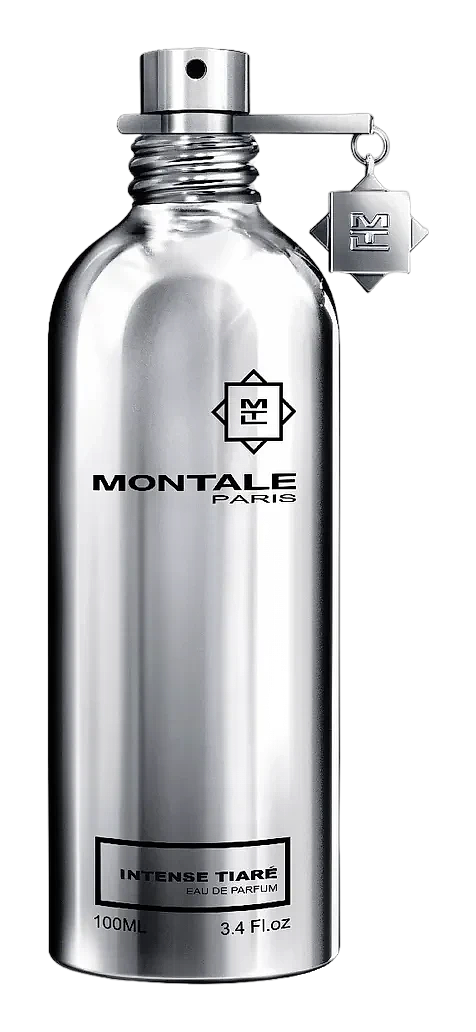
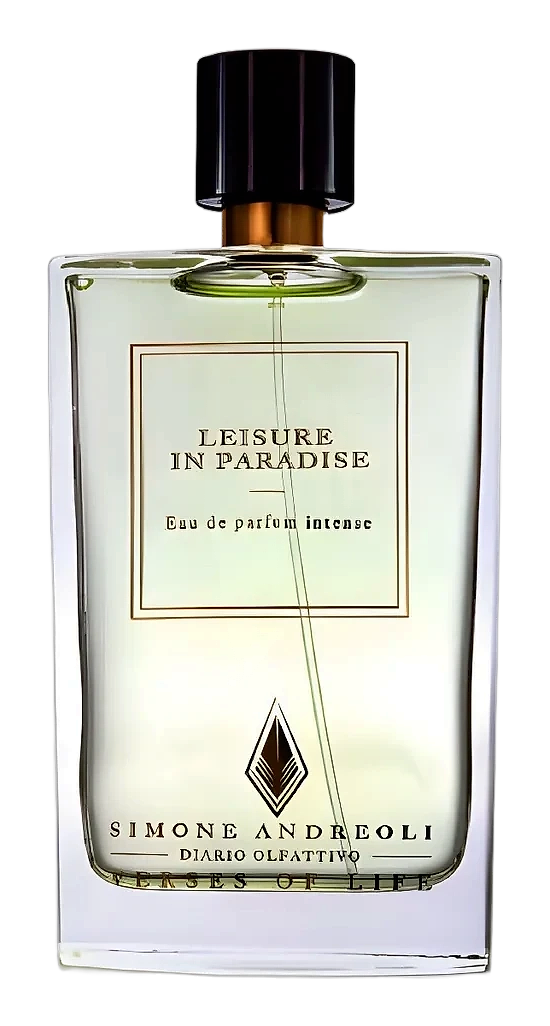
Brands
Brands known for Coconut Milk
Good to know
Questions, answered
The essentials on Coconut Milk in perfumery: how it smells, where it comes from, and how it behaves on skin.
Is coconut milk in perfume the same as coconut milk in cooking?
No. Perfumery extracts specific aromatic molecules from coconut rather than using the actual food product. The coconut oil used in cosmetics differs from the lactone compounds perfumers isolate for fragrance work.
What does coconut milk smell like in perfume?
Coconut milk reads as creamy, sweet, and lactonic with a warm, edible quality. It sits comfortably in the heart of a fragrance pyramid, lending tropical warmth without sharp top-note intensity.
Why do perfumers prefer synthetic coconut to natural extracts?
Synthetic coconut aroma chemicals, particularly gamma-decalactone, offer consistency, shelf stability, and cost efficiency that natural extracts cannot always match in commercial production.
What fragrance families use coconut milk most often?
Coconut milk appears primarily in gourmand and tropical fragrance families. It pairs naturally with vanilla, jasmine, sandalwood, and marine notes in beach-inspired or sun-kissed compositions.
Does coconut milk work as a base note or a heart note?
Coconut milk functions as a heart note in most compositions. Its creamy, lingering character gives it base-note staying power, but it opens and develops in the mid-palate of a fragrance.
When did coconut become a mainstream perfumery ingredient?
Coconut entered mainstream perfumery during the 1970s beach culture boom, though synthetic recreations became widespread only in the 1990s when gourmand fragrances gained commercial traction.
Are there any safety concerns with coconut in perfumery?
Coconut-derived aroma chemicals have established safety profiles under IFRA guidelines. Natural coconut absolutes require standard patch testing for sensitive skin, particularly in leave-on applications.
What alternatives exist for natural coconut in perfumery?
Gamma-decalactone and delta-decalactone serve as primary synthetic alternatives. Some perfumers use coconut water accord or combine other lactonic materials to approximate the effect.