The Story
Why it exists.
The beginning
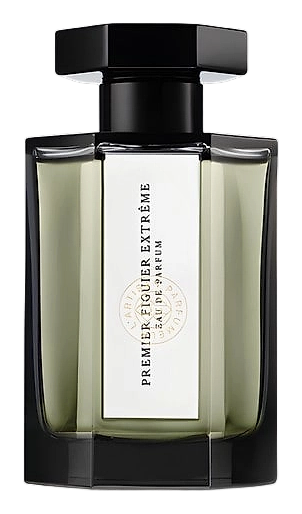
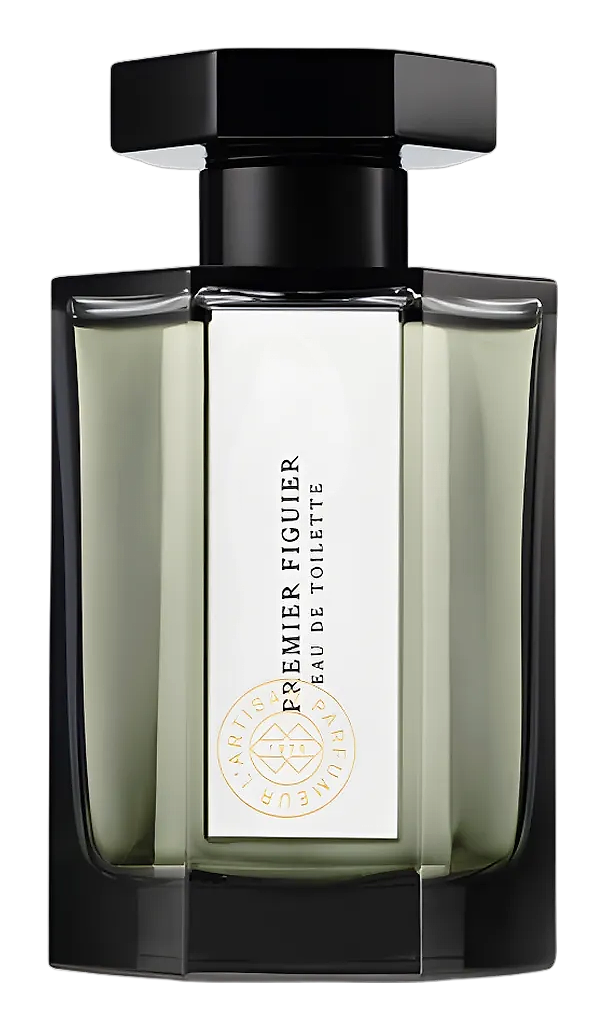
L'Artisan Parfumeur arrived in Paris in 1976 with a quietly radical idea: perfume should feel personal. The house moved away from blockbuster formulas, focusing instead on natural ingredients and genuine craft. First came Mure et Musc in 1978, then decades of quiet excellence. When perfumer Olivia Giacobetti turned her attention to fig in 1994, she faced a challenge that seemed simple on paper but proved complex in practice. Fig is notoriously difficult to capture authentically. The fruit itself is subtle, the leaf is aggressive, and the wood is dry. Giacobetti's solution was to build Premier Figuier as a complete tree accord, treating the fig not as a single note but as an ecosystem. The result was a fragrance that showed fig could work across concentration levels without losing its character, establishing L'Artisan as the house to beat in the green, lactonic category.
Giacobetti's approach to Premier Figuier reflects a philosophy that prioritizes contrast over harmony. The fig leaf needed the galbanum to feel authentic, not perfumed. The almond milk needed the dried fruits to avoid becoming too sweet. The coconut milk needed the pine needles to prevent cloying. Each note exists in service of the whole, creating a fragrance that smells like an actual fig tree rather than an interpretation of one. The pairing of coconut milk with sandalwood in the drydown mirrors the fig leaf and galbanum in the opening, bookending the composition with a tension between green sharpness and creamy warmth that makes Premier Figuier feel complete.
The evolution
The fragrance opens with fig leaf and galbanum, a combination that feels almost confrontational in its green intensity. This is not a polite introduction. Within minutes, peach arrives to soften the edges, adding a translucent fruitiness that prevents the opening from becoming too harsh. As the top notes recede, the heart reveals the creamy fig flesh alongside almond milk, creating a softer, more edible middle stage that feels warm and intimate. Dried fruits contribute subtle sweetness and texture, like sun-dried apricots scattered beneath the tree. The drydown then introduces coconut milk, pine needles, and sandalwood, a trio that shifts the scent from green and fruity to creamy and woody. The progression is smooth but deliberate, each phase building naturally from the last, creating a scent that feels cohesive from first spray to final fade.
Cultural impact
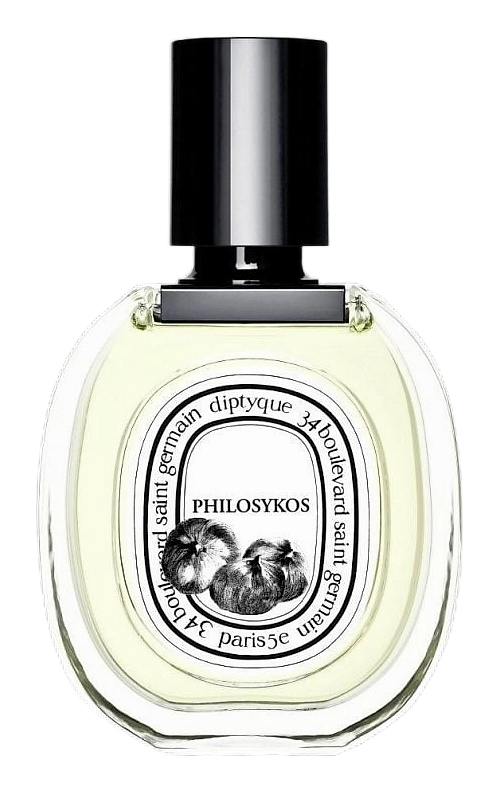
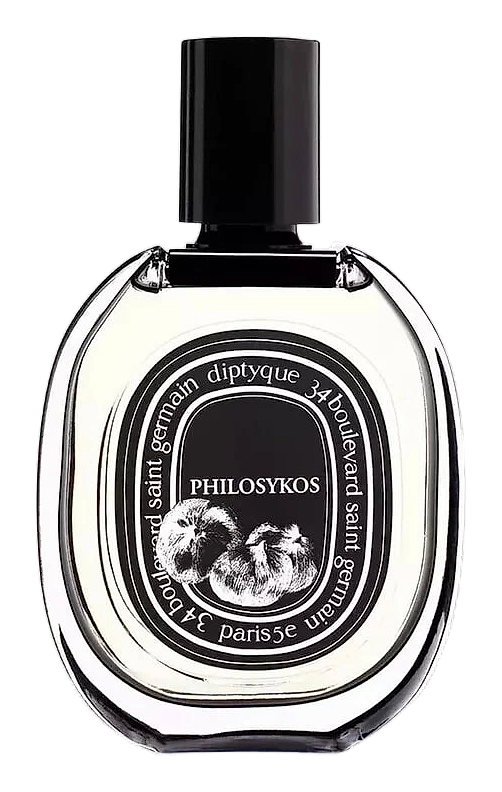
Premier Figuier from 1994 arrived two years before Philosykos, establishing itself as a reference point in the fig category. When Philosykos arrived, Giacobetti's composition was already being talked about. It showed that fig could work across different parts of the fragrance, from the leaf through the fruit, and that approach influenced how other fig fragrances were built. The house demonstrated that the fig accord could extend beyond just the fruit to the whole tree, the leaves, the branches, the milky sap. It became a reference point, something that shaped how fig was approached by other houses.