The Story
Why it exists.
The beginning
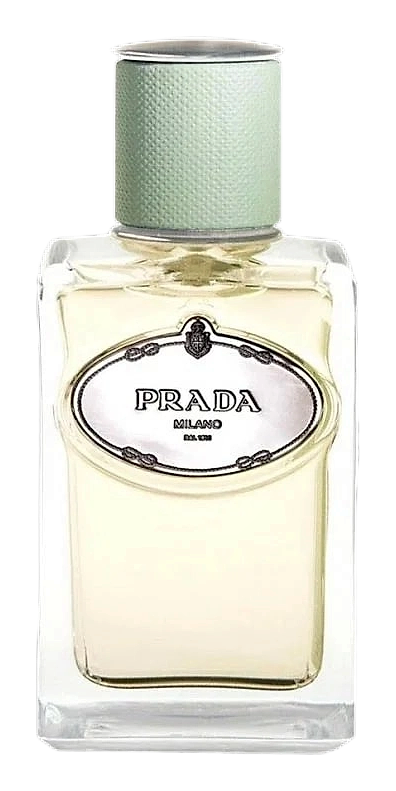
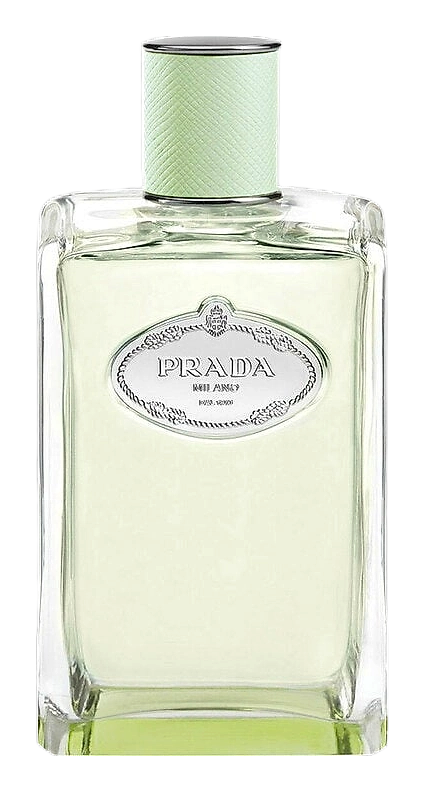
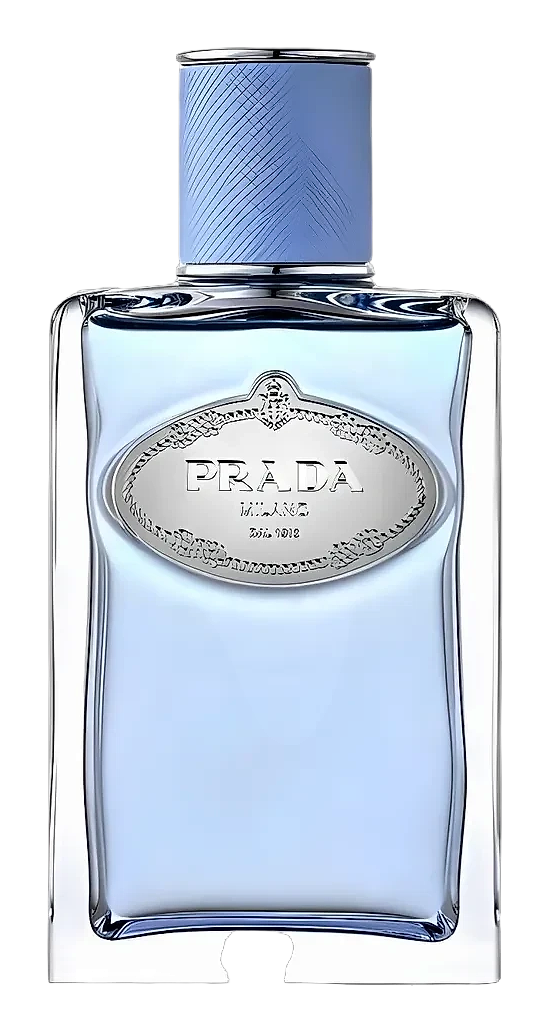
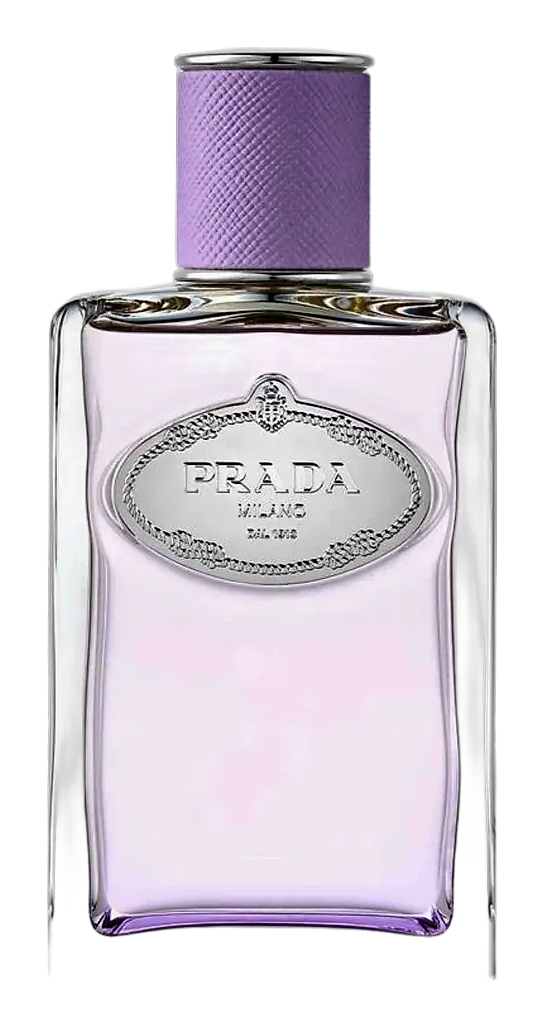
Daniela Andrier has long understood Prada's commitment to intellectual fragrance. The Les Infusions collection applies this philosophy consistently: translate familiar ingredients into something that feels examined rather than merely pleasant. Infusion de Figue continues this by rejecting what fig has become in contemporary perfumery. Where other houses dress fig in coconut and cream, Prada asks what fig means stripped of its usual costume. The answer is green, slightly bitter, and unexpectedly precise.
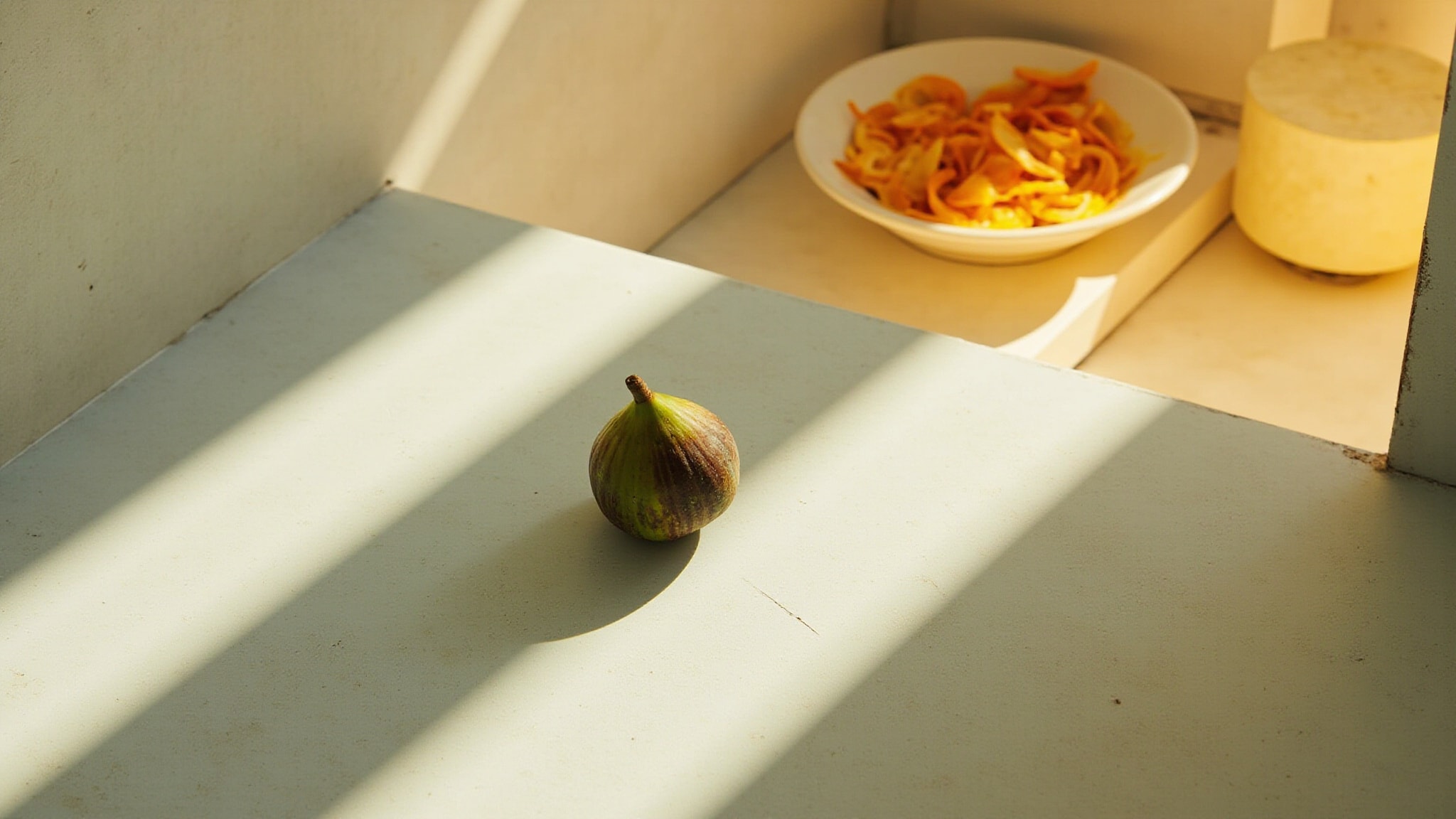
Prada's approach treats fig as a philosophical question. What does this note mean without its conventional support system? The answer here relies on contrast: citrus provides brightness, galbanum and mastic provide dryness and complexity, musk provides intimacy. The result reads less like a perfume and more like an argument about what fig can be when taken seriously.
The evolution
The opening with citrus fruits and Mandarin Orange establishes immediate clarity, a signal that this will not follow conventional rules. Mandarin Orange provides zest without softness. As the heart develops, fig arrives not as the sweet milk of the fruit but as its greener, more vegetal quality. The drydown then introduces a structural shift: galbanum brings its characteristic green-bitter intensity while mastic contributes a piney resinousness that creates genuine separation from the opening. Musk smooths this transition, ensuring the finale remains elegant rather than harsh.
Cultural impact
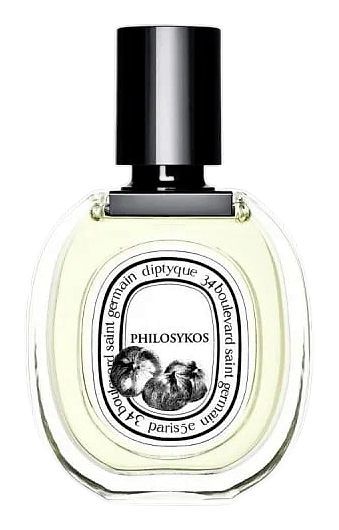
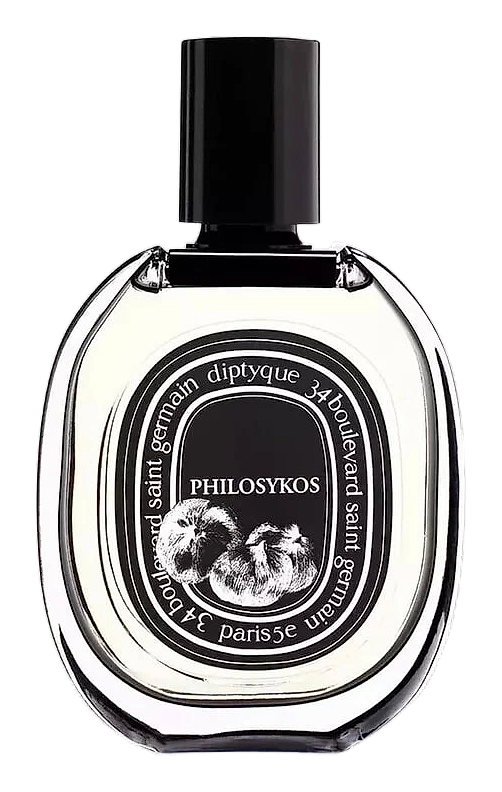
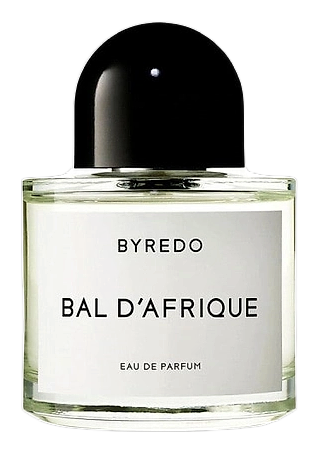
Infusion de Figue arrives in 2023 as part of Prada's broader strategy to rehabilitate the Les Infusions collection, which has been quietly building since 2007 starting with Infusion d'Homme. Rather than competing with the booming fig category populated by niche brands like Diptyque and Byredo, Prada stakes out different territory: restraint over richness, green honesty over creamy comfort. The Les Infusions line functions as a conceptual counterweight to the house's more flamboyant Amber Nuit and Luna Rossa flankers. Fig has become something of a signature note in contemporary fragrance, with consumers actively seeking it as a status marker of taste.