Mastic
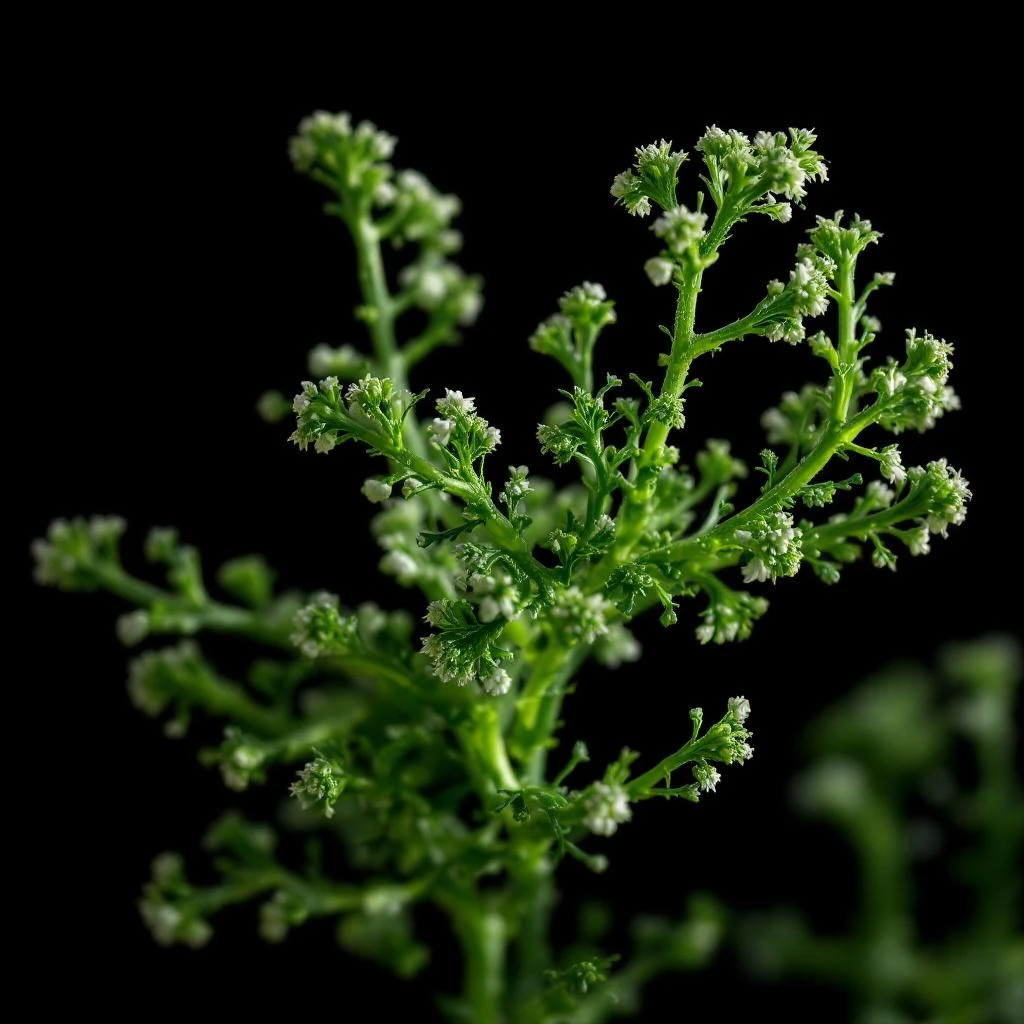
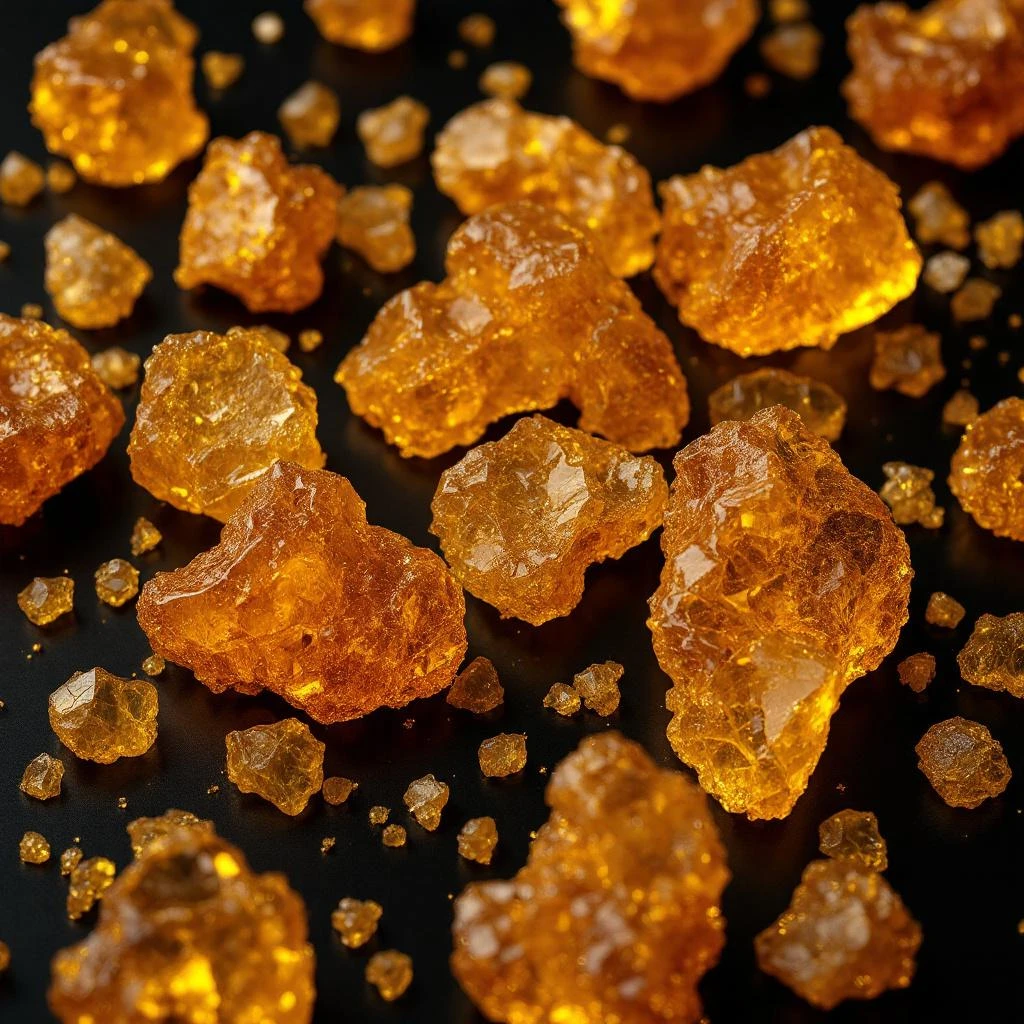
Mastic resin, known as "tears of Chios," carries a crisp, piney-green aroma with balsamic undertones. This Mediterranean gem brings resinous depth and bright herbal lift to fine perfumery.
Character
How it smells
Crisp resin from a sun-bleached Greek island
Annual global production totals roughly 150 tonnes, almost exclusively harvested from the island of Chios, where the resin is traditionally tapped by hand.









Origin
Greece
Mastic carries one of the longest documented histories of any fragrant resin. Ancient Egyptians included it in embalming formulations and temple incense, and classical Greek physicians prescribed it for digestive ailments. The resin gained particular prestige under Byzantine rule, when Chios became a prized imperial holding.
Ottoman Sultans restricted mastic harvesting to the island's southern villages, enforcing the monopoly through the privileged mastichochoria communities. By the 14th century, Genoese merchants controlled the export trade, shipping mastic across the Mediterranean and into European pharmacies. In perfumery, mastic served as a key fixative in early modern formulations, valued for its ability to anchor volatile top notes.
Today's perfumers reach for it to recreate historical accords or to add green-resinous facets to contemporary compositions. The resin's geographic specificity and traditional hand-harvesting methods have kept it relatively rare on the global stage.
Wears it best
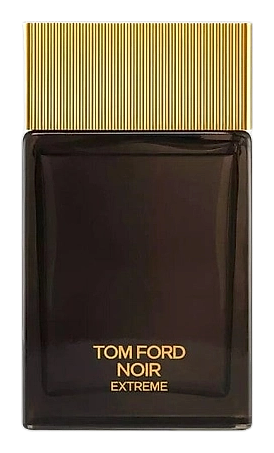
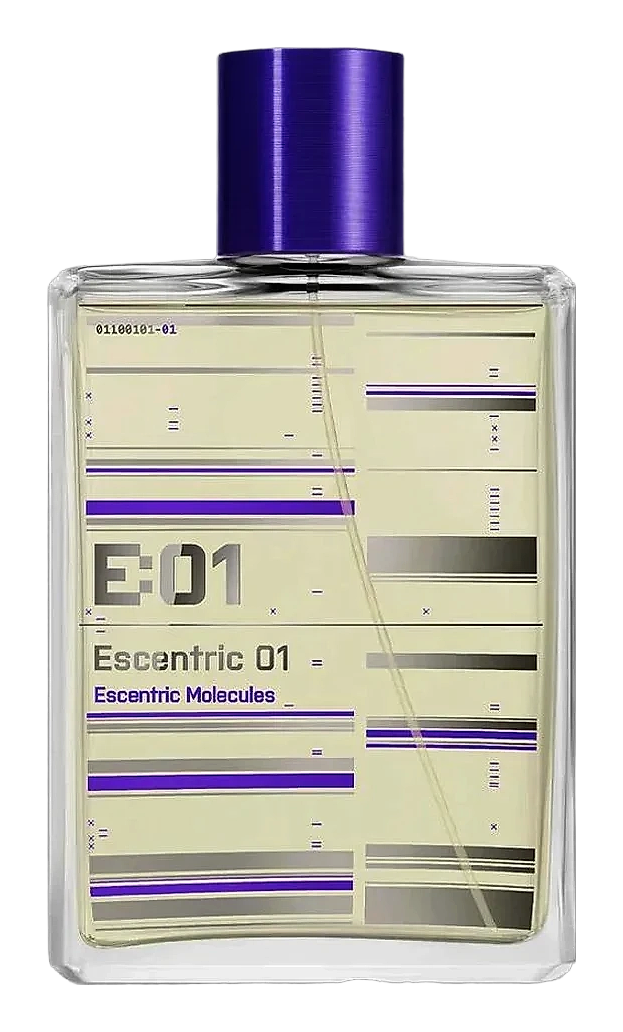
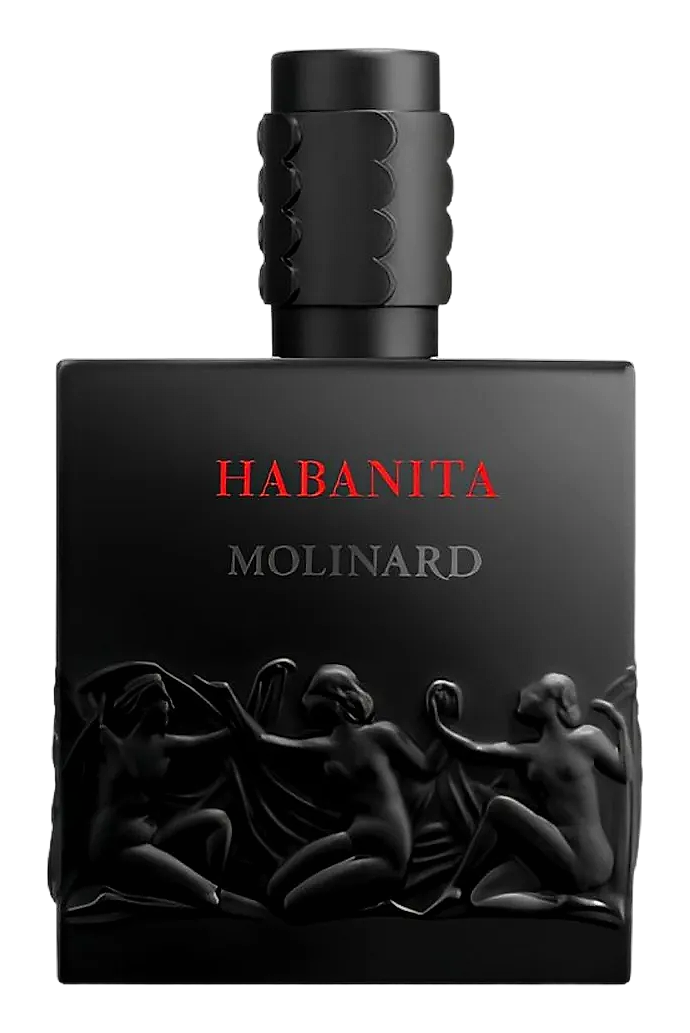
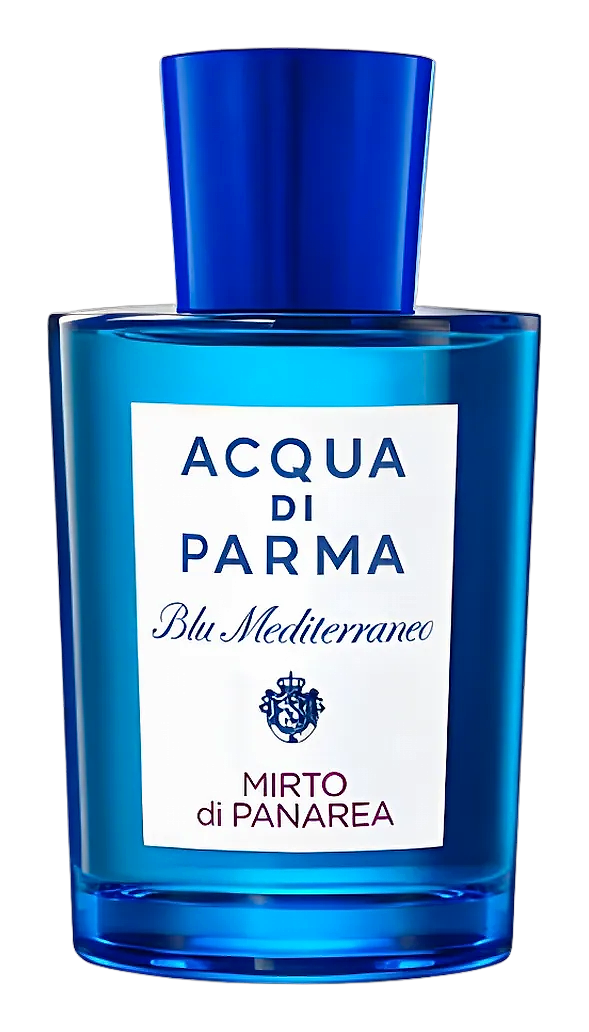
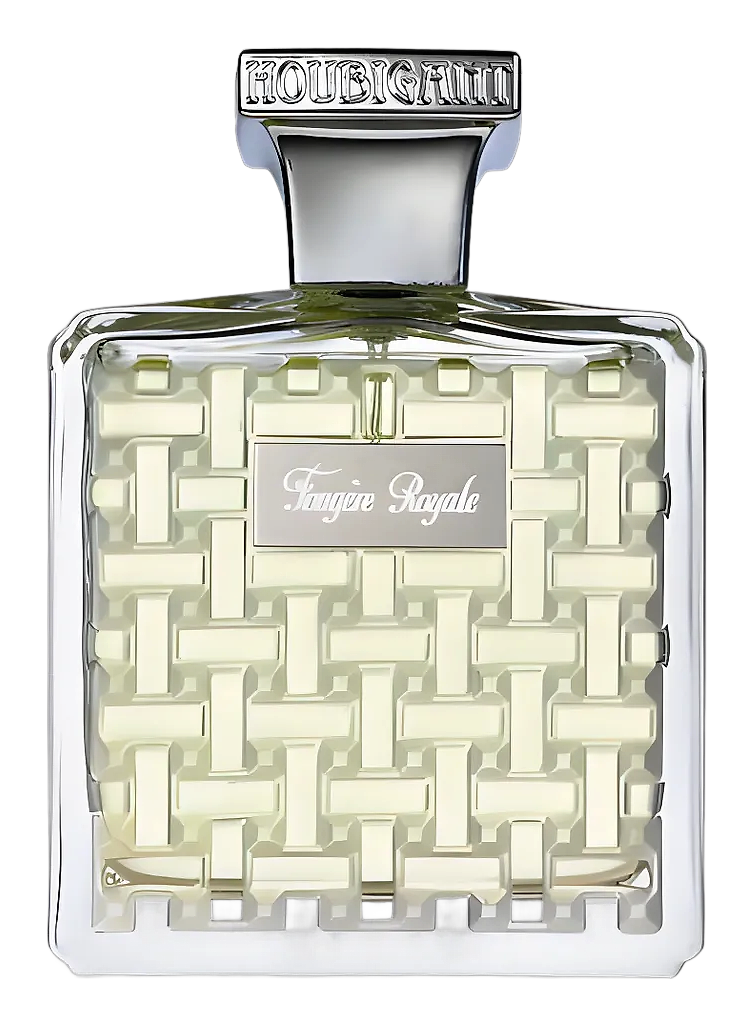
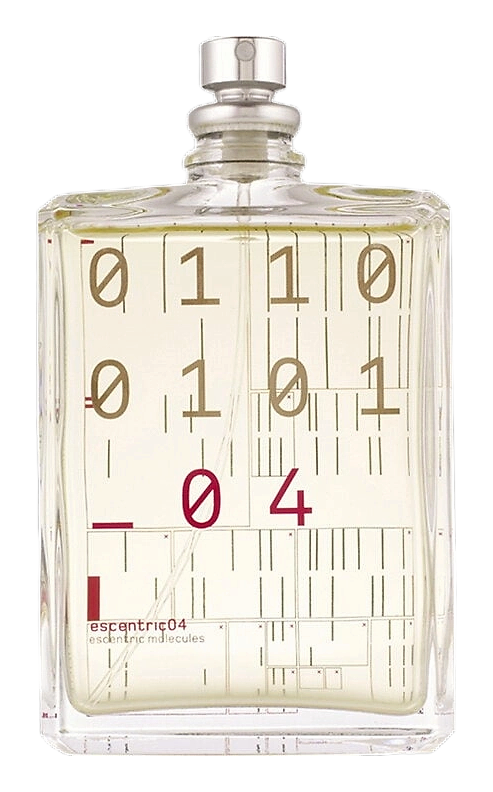
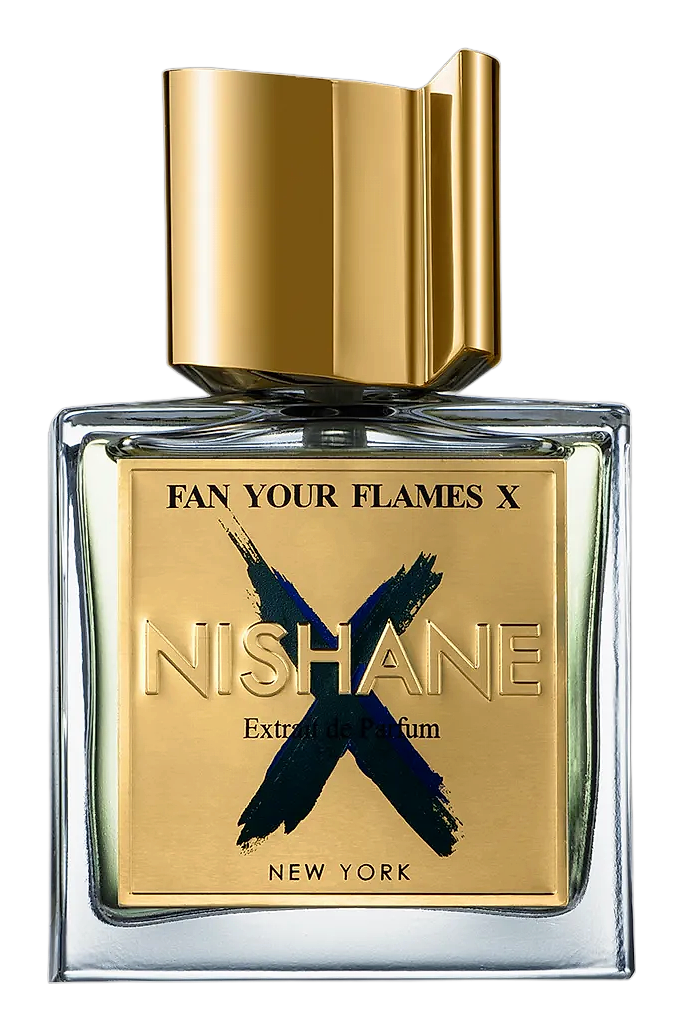
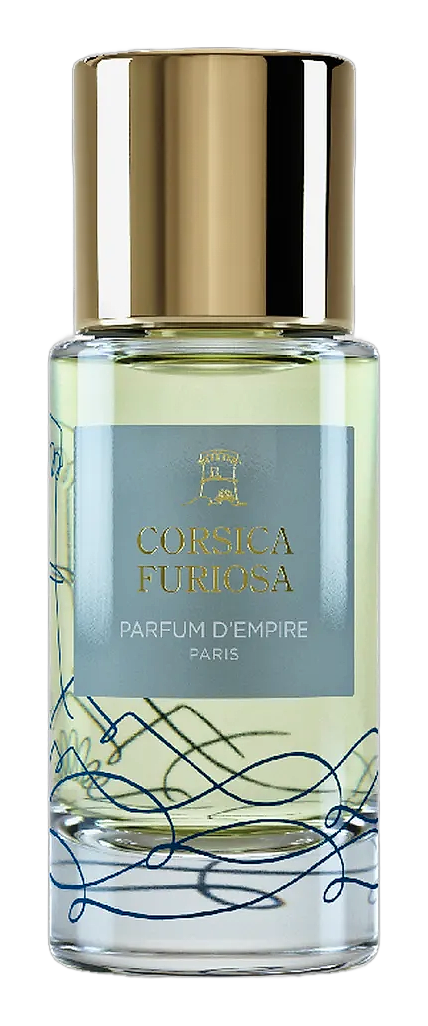
Fragrances featuring Mastic




Brands
Brands known for Mastic
Good to know
Questions, answered
The essentials on Mastic in perfumery: how it smells, where it comes from, and how it behaves on skin.
What does mastic smell like in perfume?
Mastic delivers a fresh, resinous character with crisp pine-like top notes and warm, balsamic undertones. The scent sits between turpentine and cedar, lending both lift and depth to aromatic compositions.
Is mastic the same as frankincense?
Mastic and frankincense share resin origins but differ in source and scent. Mastic comes from Pistacia lentiscus with a greener, sharper profile, while frankincense derives from Boswellia species and reads softer and more lemony.
Where does mastic resin come from?
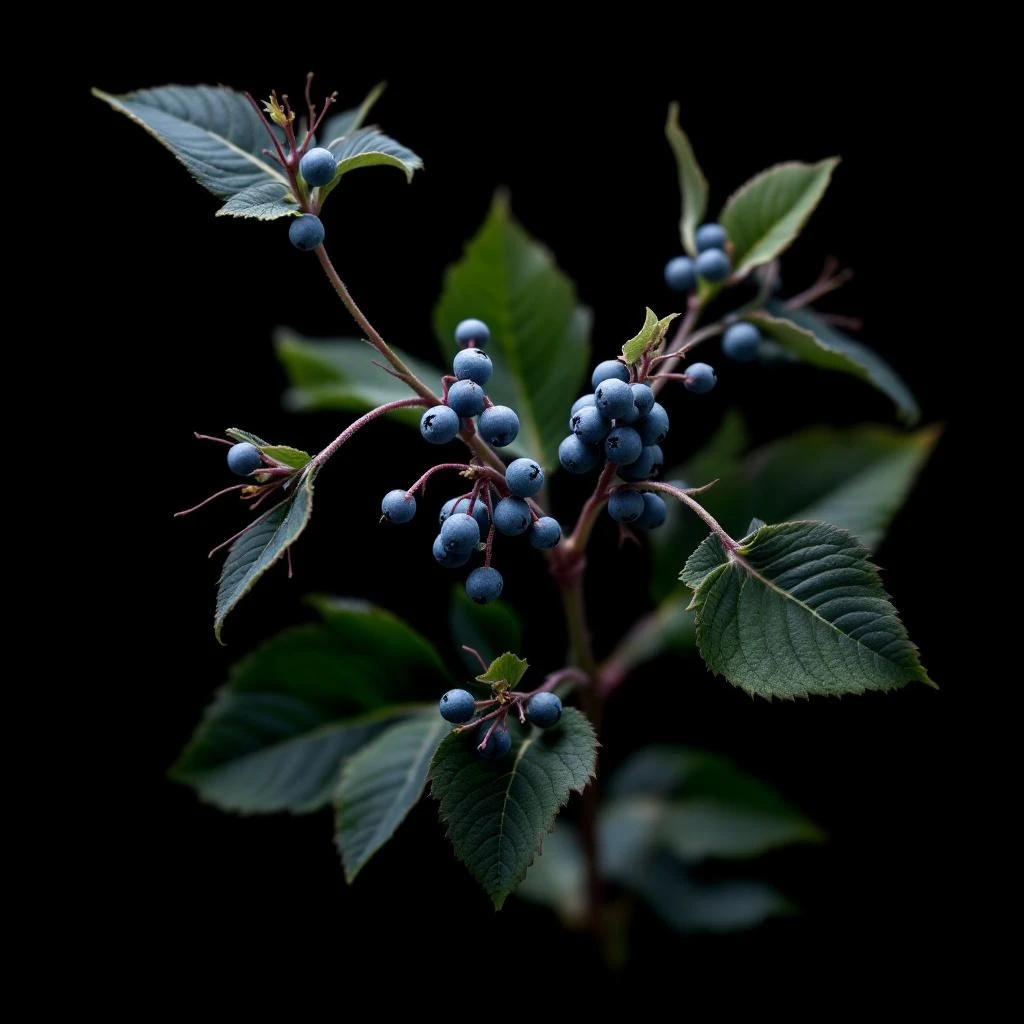
Commercial mastic production centers on the Greek island of Chios, where the Pistacia lentiscus var. Chia shrub grows. Annual output reaches roughly 150 tonnes, making it one of the most geographically restricted fragrance materials in commerce.
Is mastic used in modern perfumery?
Yes, mastic appears in niche and heritage perfumery for its green-resinous complexity. It serves as both a top-note accent and a fixative, though high cost and limited supply keep it from mainstream mass-market fragrances.
How is mastic essential oil made?
Producers gather the hardened resin tears from scored bark, then clean and dry them. Steam distillation of the dried resin yields a pale yellow essential oil with concentrated aromatic compounds.
Why is Chios mastic so expensive?
The resin grows only on southern Chios, and harvest requires hand-scoring trees and collecting individual tears. Limited geographic range combined with labor-intensive methods keeps supply tight and prices elevated.
What perfume families feature mastic?
Mastic finds its place in aromatic, fougère, and chypre families, where its resinous greenness complements herbal and woody structures. It also appears in Mediterranean-inspired compositions seeking authentic regional character.
Can mastic resin be eaten?
Yes, culinary-grade mastic has been used for centuries in Mediterranean cooking, particularly in Greek desserts, liqueurs, and bread. Only resin designated for food use should be consumed; perfumery grades are not edible.