The Story
Why it exists.
The beginning
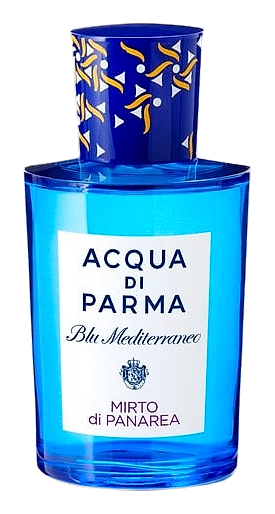
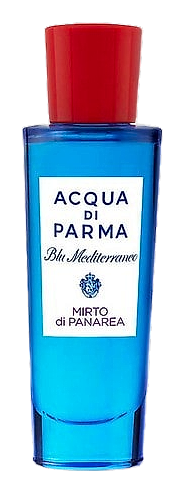
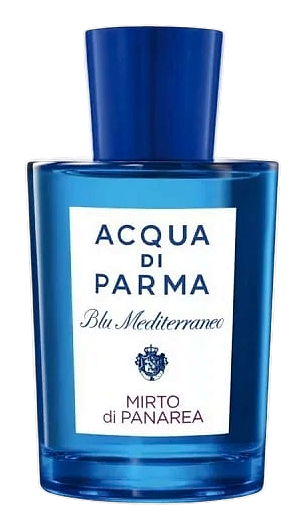
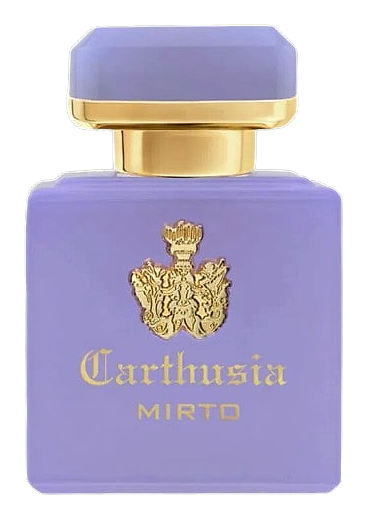
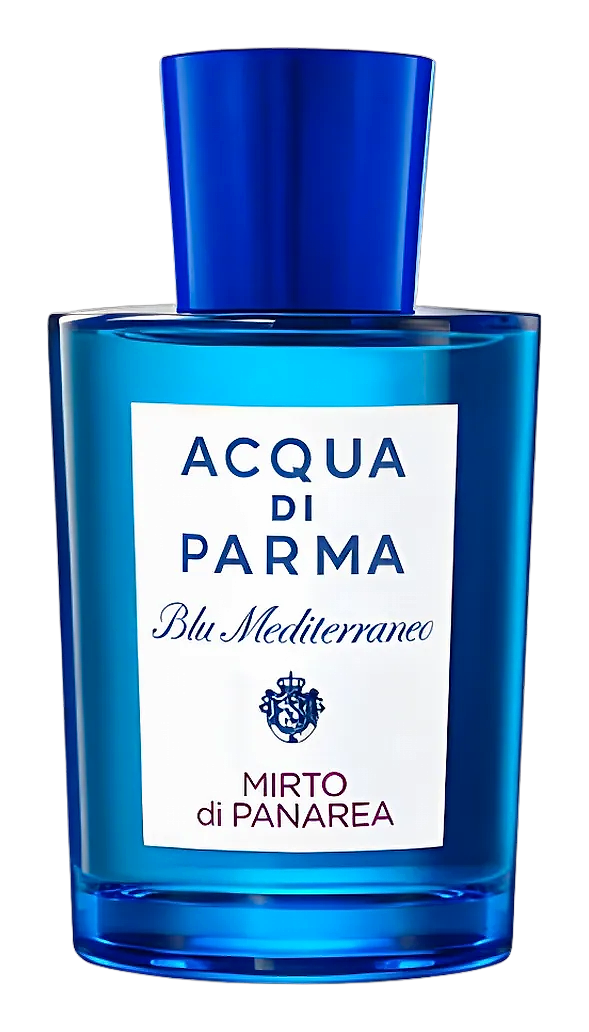
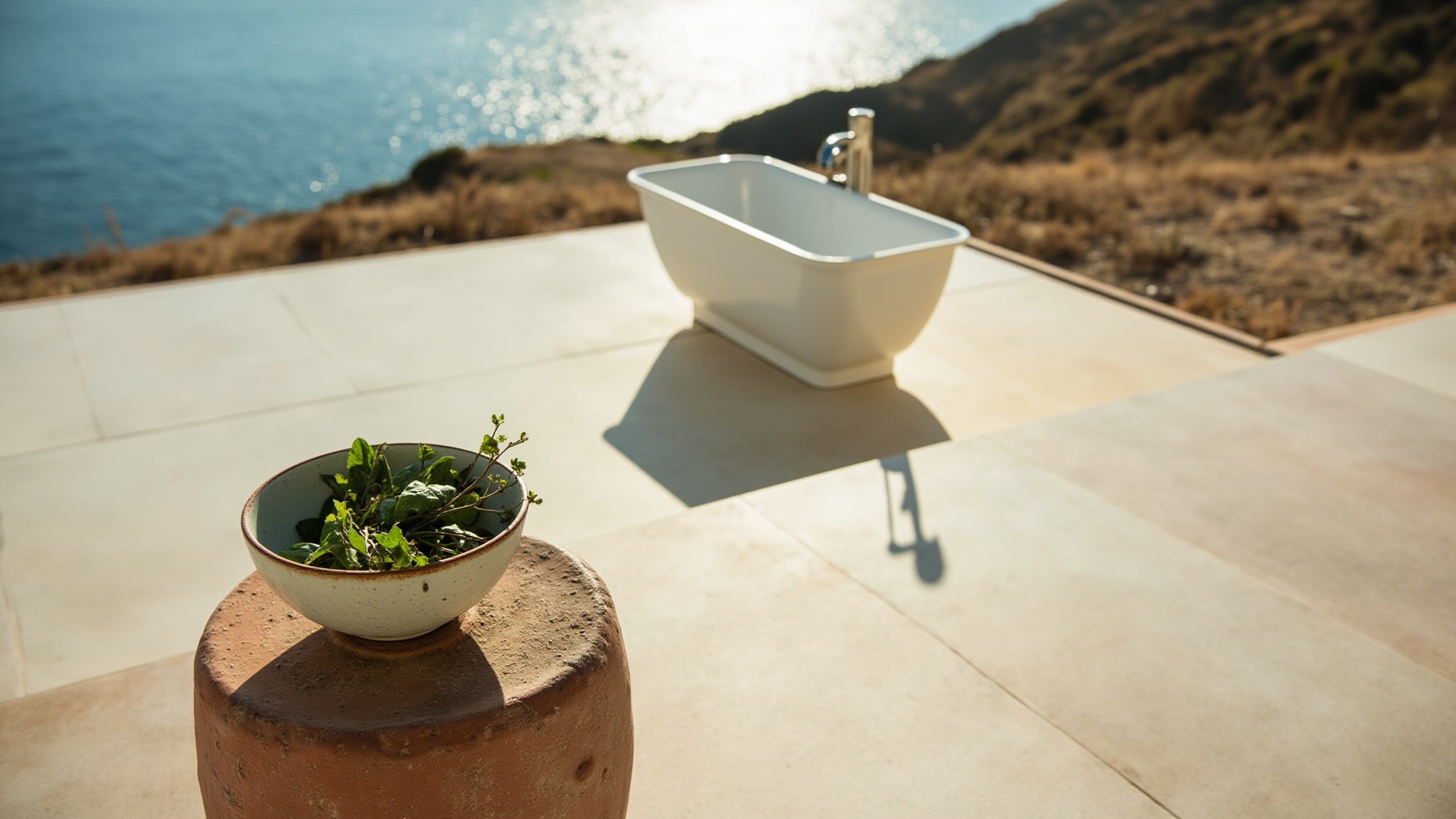
Mirto di Panarea arrived in 2008 as part of Acqua di Parma's Blu Mediterraneo collection, a line built around the sensory geography of Italy's coastline. François Demachy composed it as an olfactory portrait of Panarea, one of the Aeolian Islands off Sicily. Small, volcanic, and largely untouched, Panarea exists in a kind of permanent golden hour. The fragrance is an ode to that suspended-in-time quality: the scrubby hillside meeting the sea, the mineral sting of island air, the myrtle that grows wild along the coast. Demachy chose myrtle as the signature material, an unconventional choice for mainstream perfumery, where it rarely anchors a composition. The rest of the pyramid follows: Calabrian bergamot and Italian lemon for brightness, damask rose absolute and jasmine absolute for floral depth, then a base of cedarwood, juniper, mastic, and amber that evokes volcanic stone warmed by afternoon sun.
What makes the formula work is the myrtle. It isn't decorative, it's structural. Myrtle has a clean, slightly bitter, aromatic quality that keeps the citrus from feeling like window cleaner and the florals from going sweet. Paired with basil in the top, it sets a herbal register that stays distinctive throughout the wear. The mastic is worth noting too. Sourced from the pistachio tree, mastic resin has a clean, coniferous, slightly piney character that most people associate with mastiha liqueur rather than fragrance. Here, it bridges the gap between the island scrubland and the marine accord, giving the aquatic notes something mineral and grounded to work with rather than letting them float into abstraction.
The evolution
The opening announces itself with a burst of Calabrian bergamot and Italian lemon, bright, tart, immediate. Basil arrives alongside, adding that herbal, almost savory edge. The citrus doesn't linger. Within ten to fifteen minutes, the aromatic top has done its job and yields. The heart is where Mirto di Panarea earns its name. Damask rose absolute and jasmine absolute arrive soft, almost shy, then the sea breeze kicks in, not synthetic aquatic, but the real mineral feel of air moving over warm water. The floral and marine notes intertwine for the next two hours or so, neither overwhelming the other. The drydown is warm and close. Cedarwood and juniper give it structure, mastic adds a clean resinous quality, and amber does what amber always does, smooths everything into warmth. On most skin types, this stage lasts another two to four hours. The sillage stays moderate throughout, which means it never fills a room but never disappears either. Close enough to notice, far enough to forget you're wearing it.
Cultural impact
Mirto di Panarea sits comfortably in the Blu Mediterraneo collection, a line that translates specific Mediterranean landscapes into scent. It isn't trying to compete with the heavier, more opulent entries in the range. Its strength is restraint: the same confidence that makes Acqua di Parma work. Wearers who connect with it tend to describe it as the scent of someone who doesn't need to explain themselves. Those who don't often mention the longevity or find the myrtle note too unusual for daily wear. Both reactions are honest. The fragrance simply isn't for everyone, and it doesn't pretend to be.