
The Story
Why it exists.
The beginning
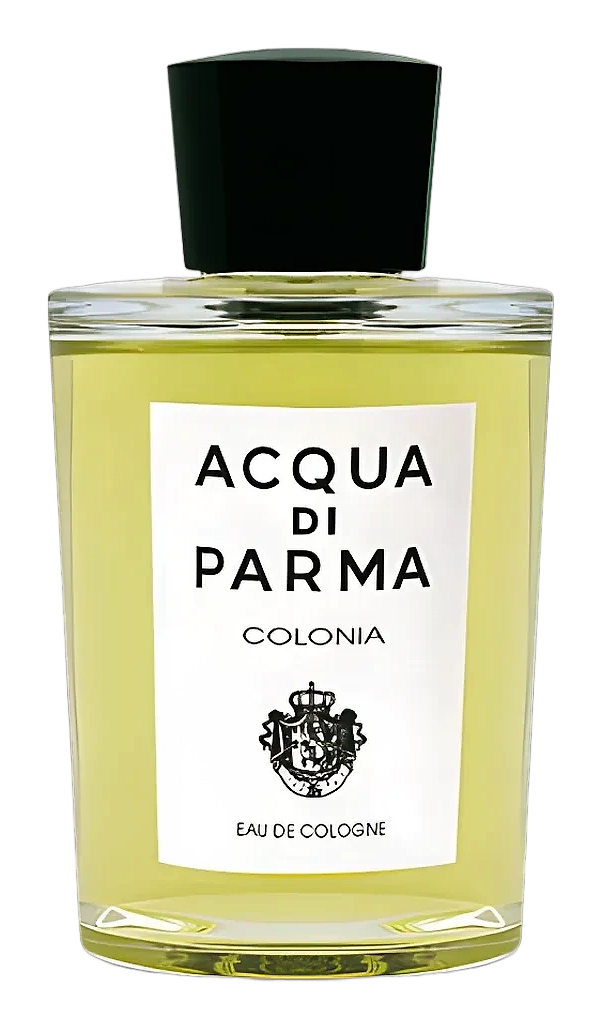
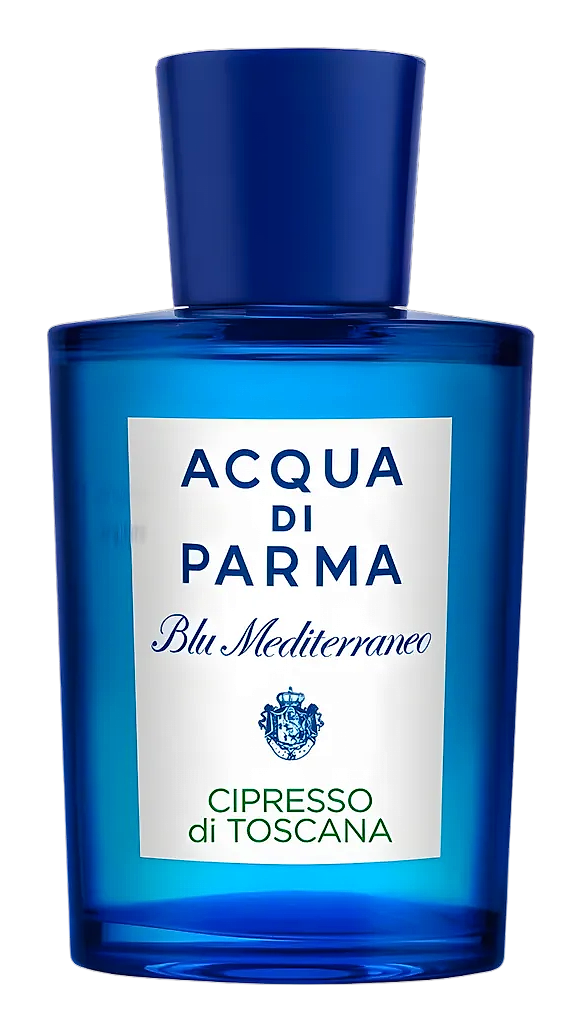
In 2005 Bertrand Duchaufour took the silhouette of a Tuscan hillside and turned it into a fragrance for Acqua di Parma's Blu Mediterraneo line. The scent opens with a bright burst of citrus, like the zest of lemons hanging in the early morning sun, which quickly gives way to the resinous green of cypress branches. As the heart develops, aromatic herbs, rosemary, sage, and a hint of lavender, unfold, evoking the warmth of sun-kissed gardens. The base settles into a soft, woody embrace of cedar and a trace of earthy vetiver, lingering on the skin like the quiet afterglow of a summer evening. Each note intertwines in a fresh, Mediterranean breeze, making Cipresso di Toscana feel like a walk through a quiet grove where the air is alive with green sap and the faint whisper of distant stone.
What makes this composition work is the balance between aromatic herbs and woody coniferous notes. The top tier, grapefruit, petitgrain, rosemary, basil, clary sage, gives you the brightness of a Mediterranean morning. But it's the heart and base that give the fragrance its character: pine, lavender, cypress, cedar, vetiver. These aren't decorative notes. They're structural. They build the architecture of a hillside, not a fantasy. The inclusion of jasmine and lily of the valley prevents it from becoming too austere, adding just enough softness to keep it wearable. This is herbal-woody done without the typical masculine-fresh clichés, neither a sports fragrance nor a smoky campfire.
The evolution
The opening hits quickly: grapefruit and petitgrain burst bright, then rosemary and basil arrive to ground everything. The clary sage is the tell, it's slightly nutty, slightly sweet, and it bridges the citrus opening to the herbal heart. That hand-off takes about 30 minutes. Then the heart opens up. Pine and lavender create an aromatic canopy while coriander and cardamom warm the composition from below. Jasmine and lily of the valley are subtle here, present but not dominant. They're the softness in the middle. The drydown belongs to the woods. Cypress leads, as it should, its green, slightly turpentine-like character becomes more refined as the other notes settle. Silver pine and cedar support it. Vetiver and oakmoss create the earth floor. Patchouli lingers in the background, barely detectable but doing structural work. On fabric, this fragrance outlasts itself on skin, you might catch cedar and vetiver the next morning. The evolution is not dramatic. It doesn't surprise you with a drydown that smells nothing like the opening. Instead, it deepens in place.
Cultural impact
Launched in 2005, Cipresso di Toscana arrived during a period when the fragrance industry was shifting toward mass-market fresh aquatics. Bertrand Duchaufour's composition rejected this trend, instead drawing from the deeper inland Mediterranean landscape rather than coastal notes. The Blu Mediterraneo line had established Acqua di Parma as a curator of Italian coastal imagery, and Cipresso di Toscana expanded that narrative to include Tuscan hillsides, coniferous forests, and aromatic herb gardens. Its aromatic-woody character reflected a broader cultural interest in authenticity and regional specificity within perfumery.