The Story
Why it exists.
The beginning
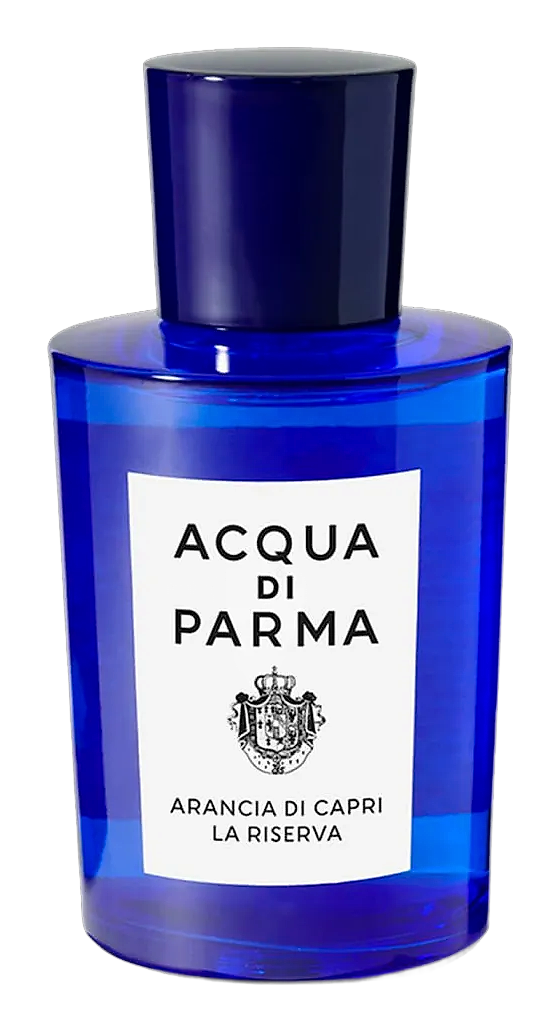
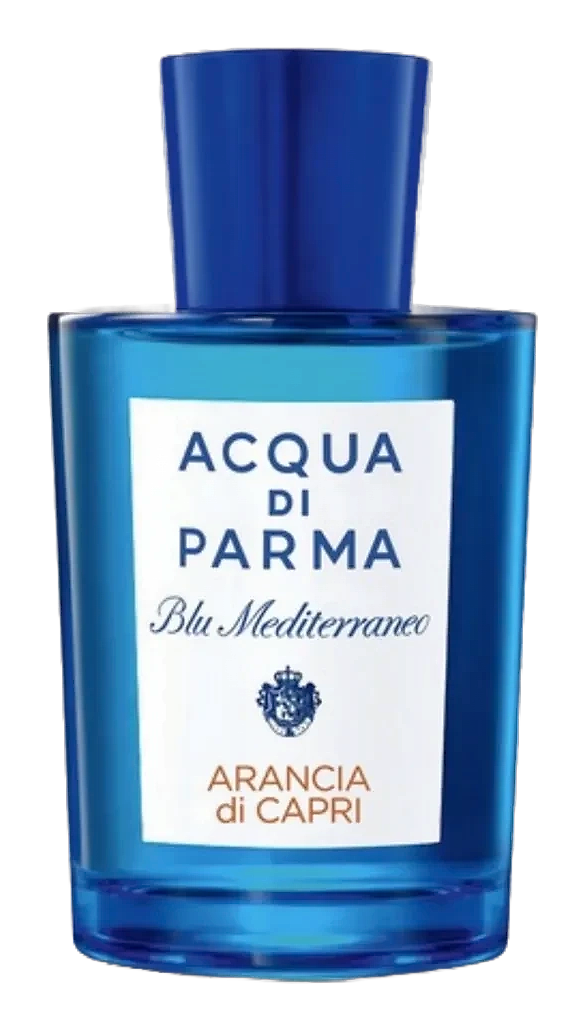
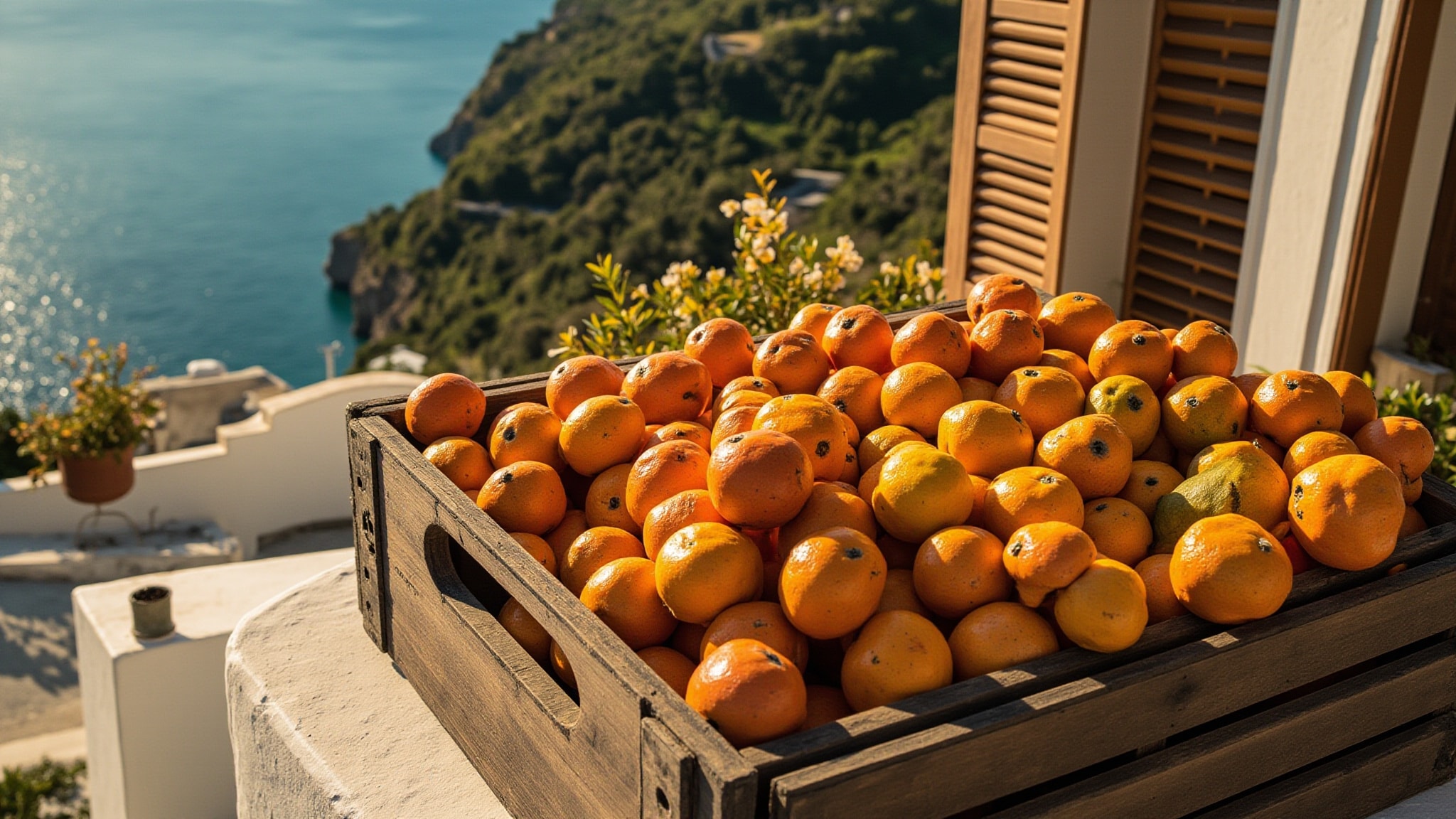
Capri is a small island in the Bay of Naples, famous for its blue grottos, whitewashed villas, and the particular quality of light that artists have chased for centuries. Arancia di Capri captures that light in a bottle, not the postcard version, but the real thing: citrus groves above the sea, the smell of orange blossoms mixed with salt air, afternoon sun on limestone. The Blu Mediterraneo collection launched in 1999 with the ambition of bottling specific Mediterranean landscapes, and Arancia di Capri was its opening statement. A fragrance named for a place, made to bring that place wherever you go.
The note structure is simple by design. Italian mandarin orange, Italian orange, and Italian lemon form the top, a citrus trio that doesn't layer or complicate, just arrives bright and stays bright. Petitgrain and cardamom form the heart, adding a bitter-green and warm-spicy counterpoint that prevents the composition from reading as sweet. Caramel and musk in the base provide warmth without heaviness. What makes this composition interesting is its clarity. The citrus doesn't evolve or transform, it simply persists, held upright by the petitgrain and grounded by the musk. It's a fragrance that knows what it is and doesn't apologize for it.
The evolution
The opening is immediate and photorealistic. Mandarin, orange, and lemon hit in quick succession, bright, sharp, almost acidic in the best way. You can almost feel the citrus oil on your fingers. The opening phase gives way as the orange begins to soften, making room for something warmer. The heart arrives quietly. Petitgrain adds a bitter-green edge that keeps the sweetness honest. Cardamom provides warmth without spice, an aromatic presence rather than heat. Together they temper the citrus without displacing it. The drydown is where Arancia di Capri tells its real story. Caramel does not arrive dramatically, it was there all along, softening the citrus edges, keeping everything grounded and warm. Musk anchors the skin, giving the impression of something lingering even after the scent has technically faded.
Cultural impact
Arancia di Capri stands as an exemplary citrus fragrance, demonstrating how a scent can achieve both high quality and effortless wearability. The Blu Mediterraneo collection offers a range of Mediterranean-inspired options that emphasize clarity and joy over complexity. These scents appeal to those who appreciate the bright, sun-kissed character of citrus and the serene beauty of coastal landscapes. The collection invites wearers to carry a piece of the Mediterranean with them, distilling the spirit of Italian summers into wearable form.