The Story
Why it exists.
The beginning
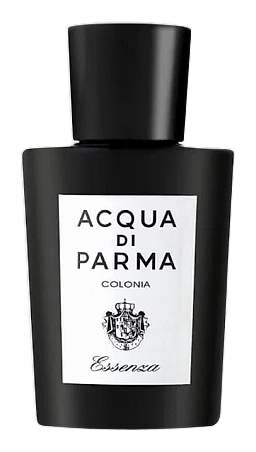
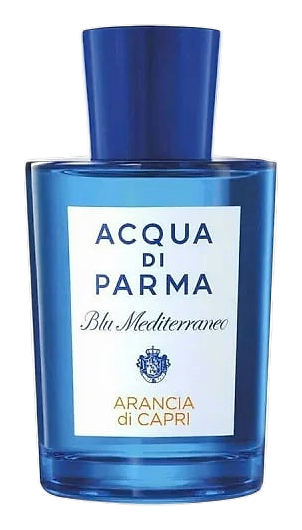
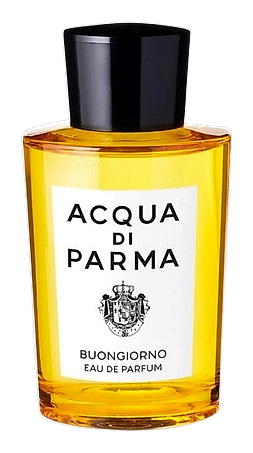
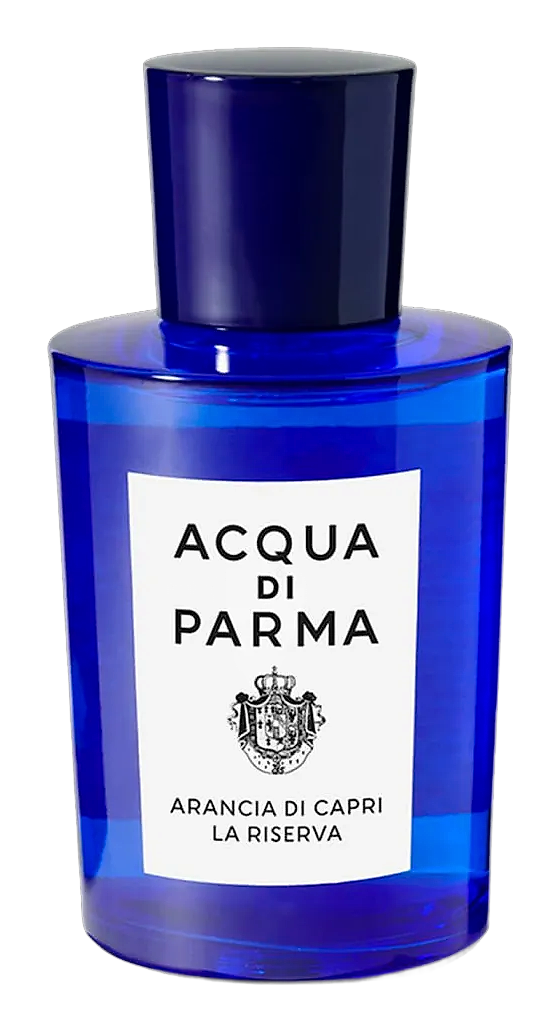
Acqua di Parma was founded in 1916 in Parma, Italy, when Baron Carlo Magnani commissioned his personal signature cologne. The house's founding creation, Colonia, remains unchanged today, the first true Italian Eau de Cologne. Arancia di Capri La Riserva enters the Blu Mediterraneo collection as the deeper, more deliberate sibling to the house's original citrus hit. La Riserva, the reserve, signals intention. Perfumer Jerome Di Marino builds this version around a two-month maceration process, extracting more from each raw material before compounding, allowing orange and mandarin orange to express a more concentrated, almost resinous citrus character that no standard cold-process extraction achieves.
Di Marino's use of rosemary and basil in the heart reflects a philosophy of grounding citrus in place. Capri is not only about light and water; the island's rocky interior has its own aromatic character. Mineral salt connects the composition to the surrounding sea without literal aquatic notes. In the drydown, cedarwood functions as a bridge between the herbal heart and the leather base, providing clarity rather than bulk. Ambrettolide, a sustainable musk derived from ambrette seed, adds warmth that pairs naturally with cedarwood while avoiding the synthetic feel of heavier white musks.
The evolution
The journey begins with orange and mandarin orange as immediate, sunlit brightness before petitgrain adds a whisper of green. Rosemary and basil arrive together within the first thirty minutes, shifting the fragrance from purely citrus to aromatic territory. Mineral salt threads through the heart, an intentional reminder of the Mediterranean setting, keeping the herbs from reading as culinary. The drydown introduces cedarwood as the primary structural element, its clean woody profile replacing the brightness of the opening. Ambrettolide provides warmth that extends the drydown across hours without overt sweetness. Leather sits quietly beneath, lending a grounded quality that prevents the overall impression from becoming too refined.
Cultural impact
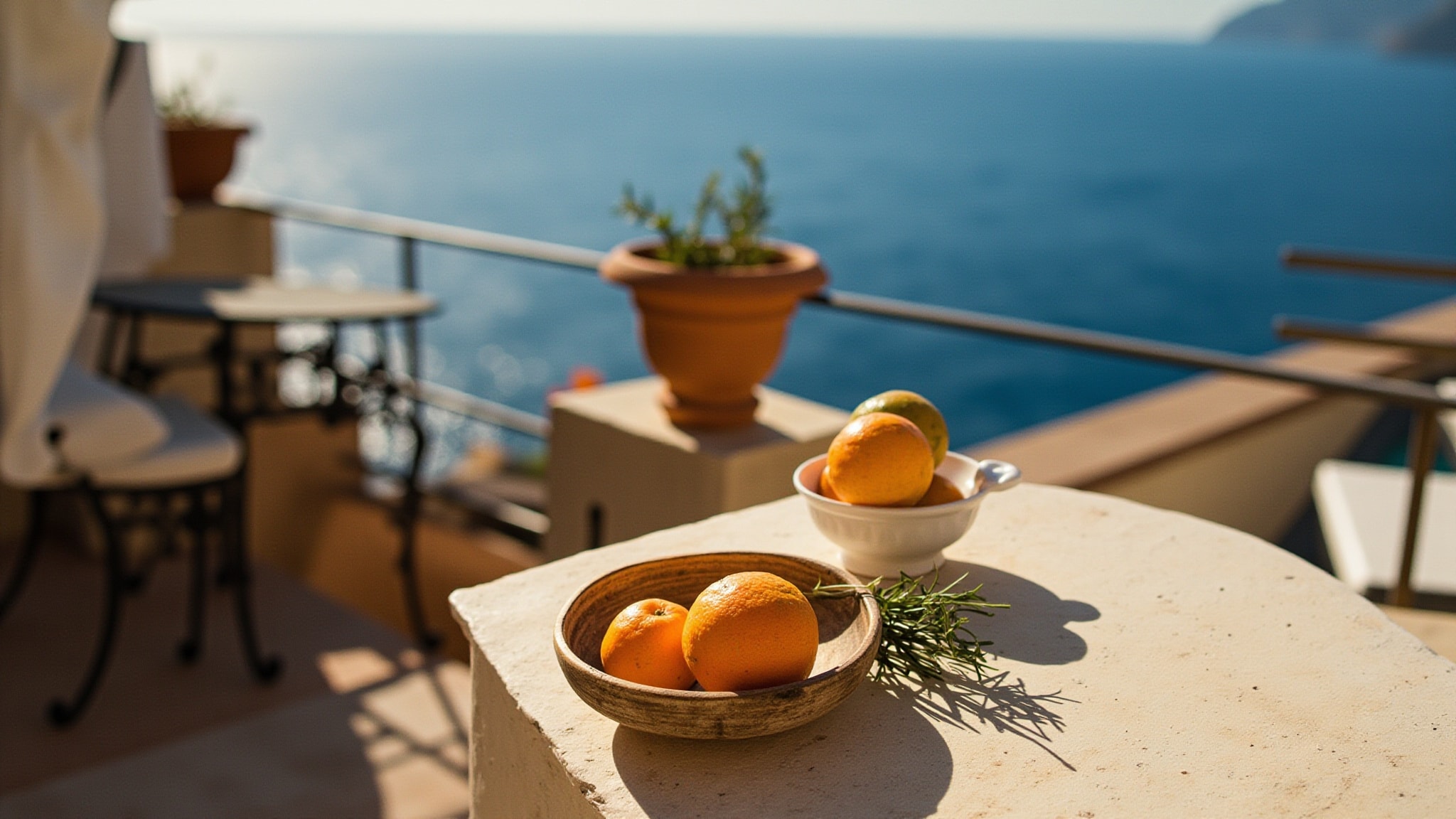
The Amalfi Coast has been synonymous with citrus cultivation since the Middle Ages, when local groves supplied European nobility with prized oranges and lemons. Arancia di Capri captures this legacy, translating the experience of biting into a sun-ripened blood orange on a Capri terrace into wearable form. The fragrance draws from the Italian tradition of using bitter citrus in colognes and toilet waters, a practice that dates back centuries in the region. Acqua di Parma built its reputation on these classic citrus compositions, and Arancia di Capri represents the brand's commitment to showcasing authentic Italian ingredients. This scent resonates with anyone who associates Mediterranean summers with bright, optimistic aromas.