Jérôme di Marino
Jérôme di Marino grew up in Nice with an artist's heart and a scientist's mind. He initially dreamed of studying art, but chose chemistry as a safer path, eventually discovering ISIPCA by chance and earning his place. After training at Givaudan under Nathalie Cetto, he spent a year at Givenchy evaluating fragrance submissions before joining Takasago in 2012 as a trainee perfumer. Francis Kurkdjian became his mentor during this formative period, shaping not just his technical craft but also teaching him how to navigate competition and communicate about fragrance in an increasingly digital world. Di Marino signed his first solo creation in 2015 with Daniel Hechter Black, which won the FiFi award for best mass market fragrance. He joined Mane's creative team at the end of 2022, working between Paris and Barcelona, having already accumulated nearly 75 credited perfumes across designer, mainstream, and niche houses. Now in his late thirties, he has collected industry accolades including the French Fragrance Foundation Award and multiple international honors, but his story continues to unfold with each new creation.
The hits
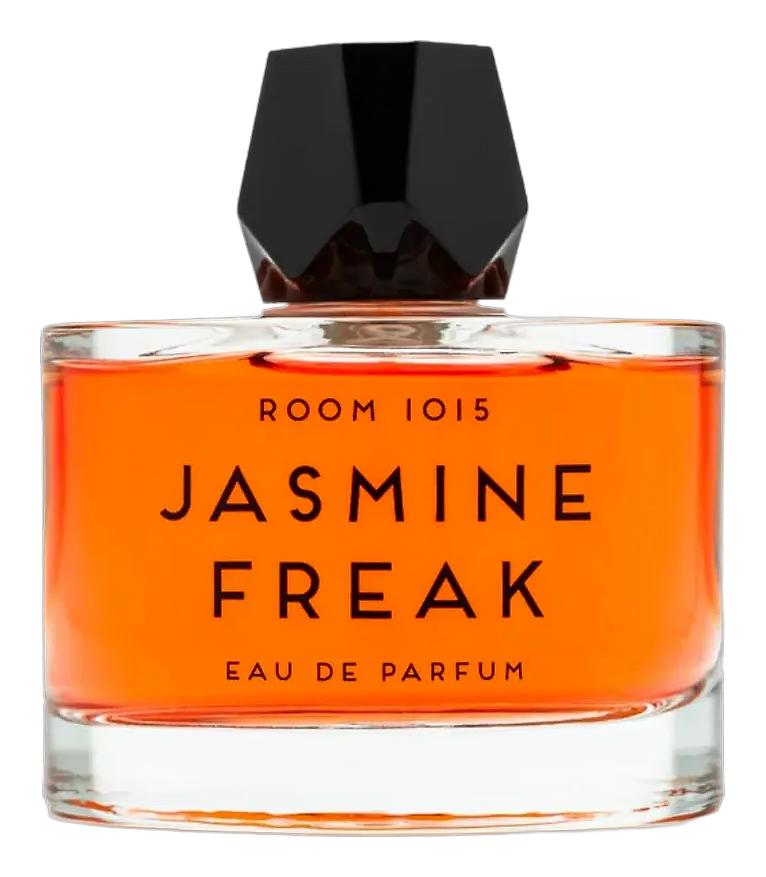
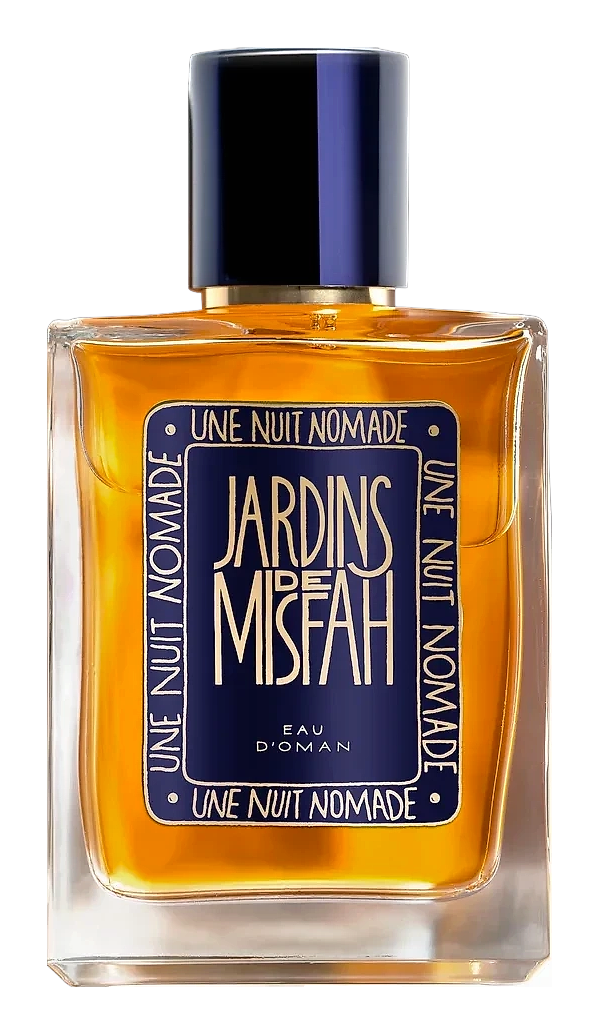
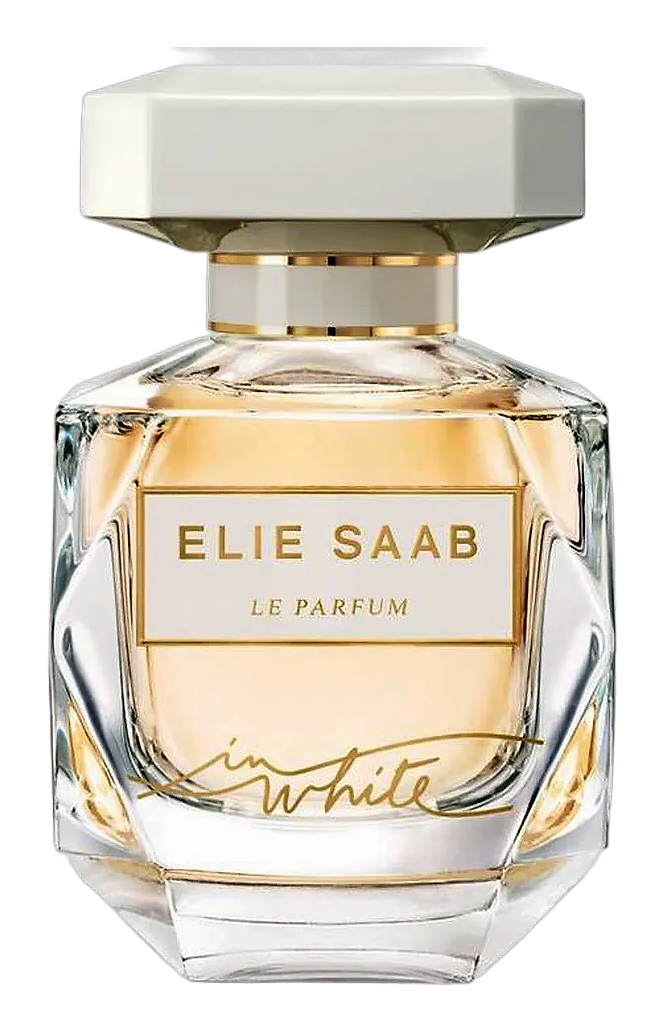
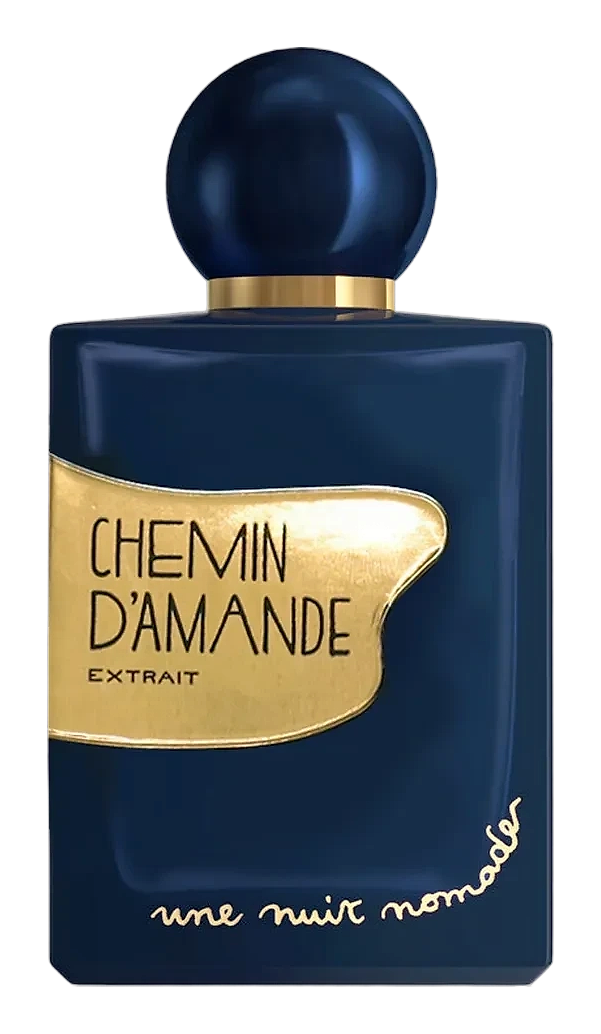
Notable creations





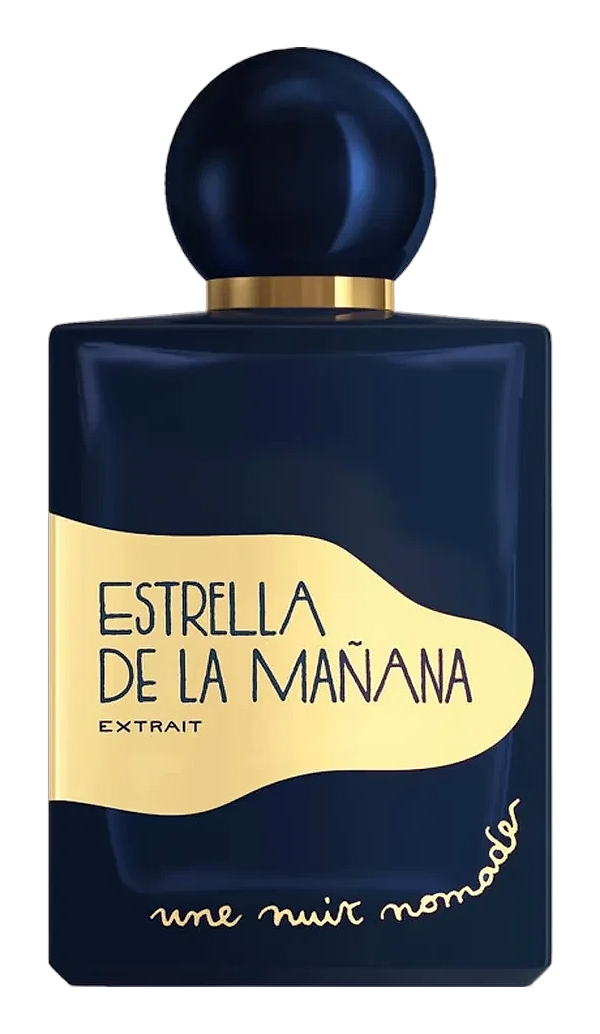
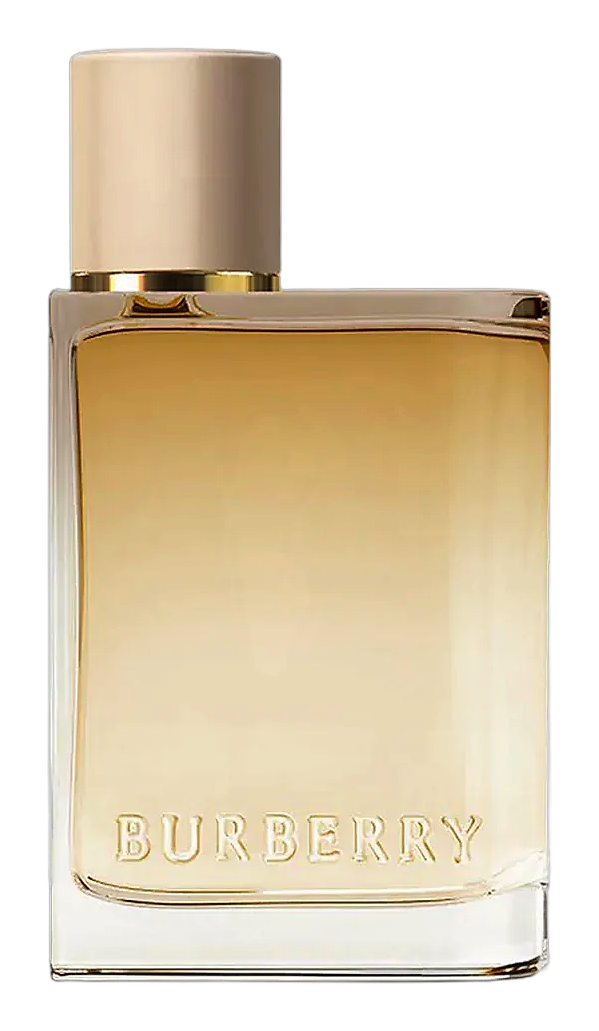
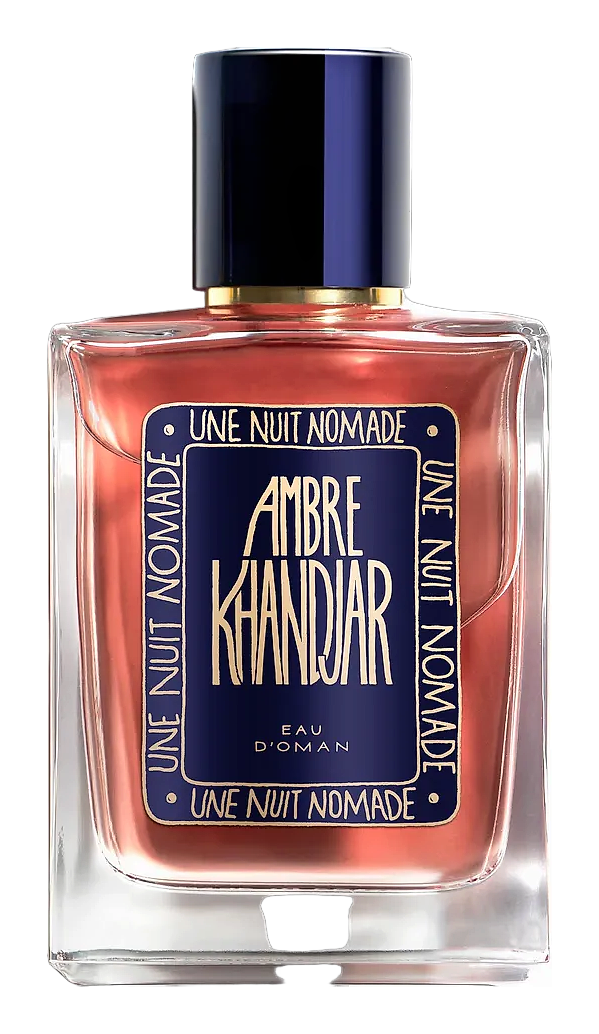
The signature
How Jérôme composes
Di Marino's work spans from commercial powerhouses to more intimate niche creations, marked by confident structure and a taste for contrast. He gravitates toward sophisticated ingredients, particularly orris, which he has described as one of his favorites for its preciousness and complexity. His compositions tend toward bold, memorable statements rather than gentle wallflowers. The Burberry Her Elixir de Parfum exemplifies this approach, delivering intensity with modern sensibility. Whether working on mass market or premium positioning, he maintains a distinctive voice that balances accessibility with artistry.
Philosophy
What drives Jérôme
Di Marino believes the perfumer deserves both space and recognition. "The creation of a fragrance is always a human adventure," he has said, and this conviction shapes his practice. He approaches each project as an opportunity for meaningful dialogue rather than formulaic execution, drawing from multiple artistic disciplines. Gastronomy, mixology, and visual art all feed into his multi-sensory sensibility. He favors surprise over predictable naturalism, exploring unexpected ingredient pairings inspired by contrasts and the importance of context. For him, the human element remains essential to what he does.
The houses