The Story
Why it exists.
The beginning
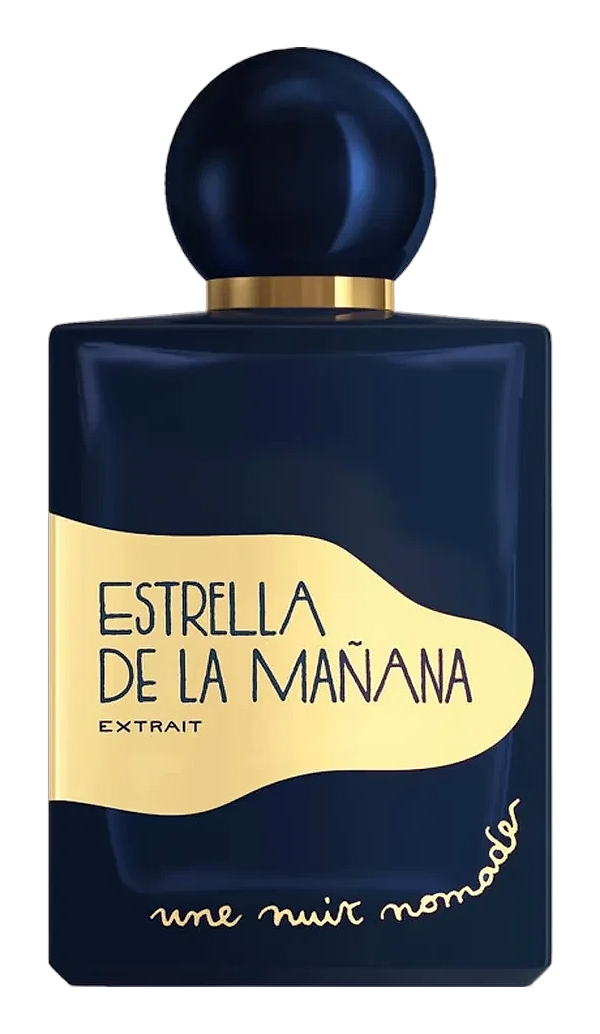
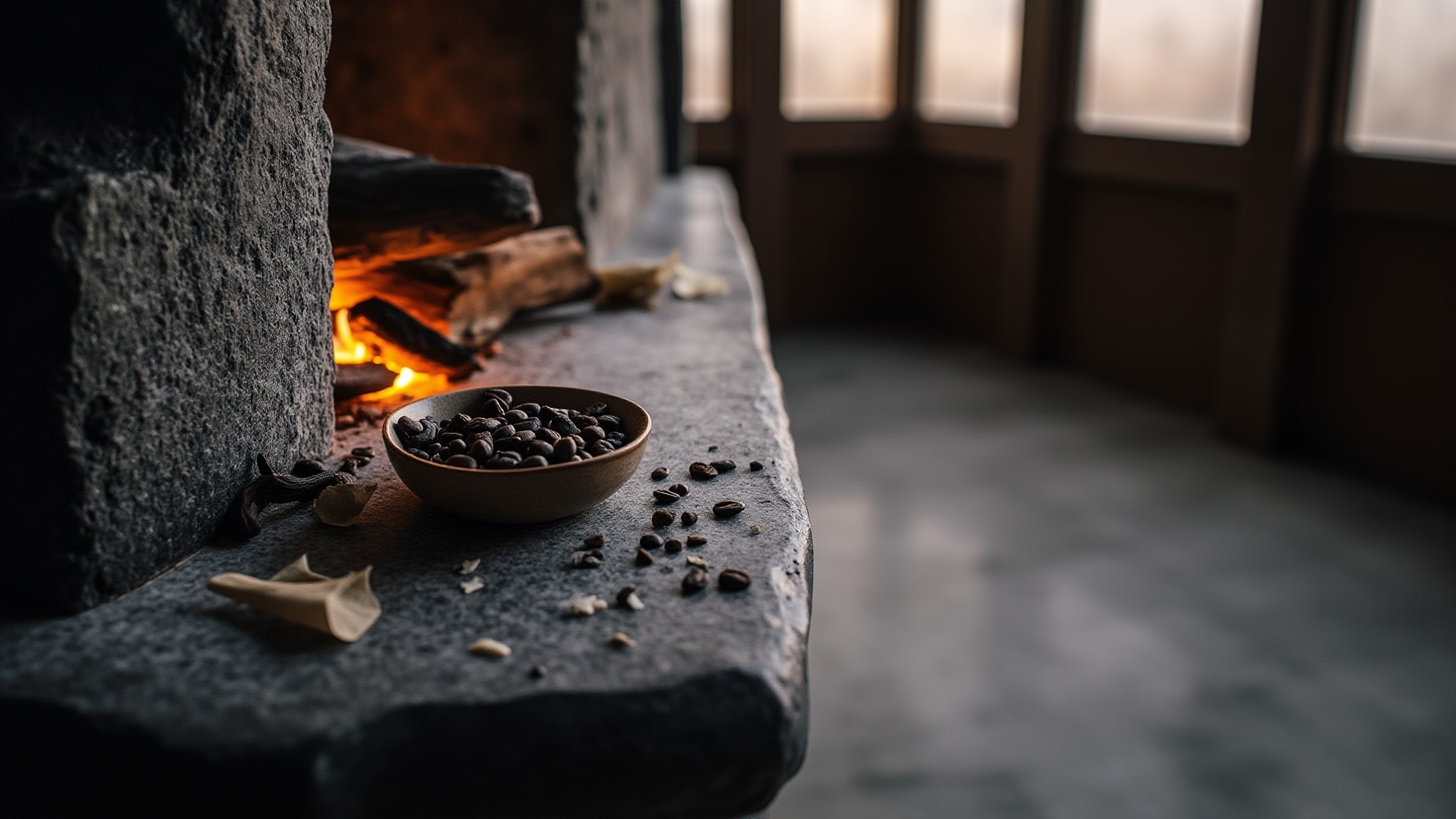
"Estrella de la Mañana", the morning star, takes its name from the celestial body that lingers just past the night's end, visible only in that grey hour when fire becomes memory and daylight hasn't yet committed. The inspiration is literal: black vanilla pods, their hearts split and laid against glowing embers, consumed in the burning hearth of a fireplace. Perfumer Jérôme Di Marino built this from that image, not the clean vanilla of mainstream perfumery, but the version that remembers where it grew. Cocoa powder and birch smoke add dimension, while benzoin ties the whole composition into something resinous and long-burning. This is vanilla without apology, lit from the inside.
The note structure is deceptively simple: cocoa, birch, benzoin, vanilla. Four materials doing heavy lifting. What's interesting is the birch, not the bright, wintergreen birch of Scandinavian fragrances, but birch used here for its smoky, almost leathery character when the wood burns. That smoke doesn't dissipate; it lingers under the cocoa and vanilla like a basecamp. And benzoin, a resin from the Styrax tree, adds warmth that borders on medicinal, not sharp, but dense. The result is a fragrance where smoke isn't a top note that disappears; it's a structural element that stays. The vanilla doesn't soften it. It swells around it.
The evolution
The opening arrives already warm, birch smoke and black cocoa powder arriving together, not in sequence. There's no sharp citrus opener to clear the air. Instead, it opens where most fragrances mid: mid-development, mid-feeling. Within the first hour, the benzoin swells and the vanilla deepens, pushing the smoke into the background while the cocoa stays close to skin. The heart holds for three to four hours: chocolate-vanilla warmth with a smoky undercurrent that never fully dissipates. Then the drydown, by hour six, the birch smoke resurfaces, riding the benzoin-vanilla base like a closing argument. On fabric, expect the smoke to linger into the next day. The longevity isn't just good, it's the point.
Cultural impact
Estrella de la Manana arrives at a moment when the perfume industry has fully embraced smoky orientals as a serious artistic category rather than a novelty. The use of birch tar as a structural element draws on a long Scandinavian tradition of using birch smoke in folk medicine and preservation, reconnecting modern perfumery to older European practices that predate synthetic aromatics. Jérôme Di Marino's decision to treat smoke not as a fleeting top note but as a backbone that resurfaces in the drydown echoes a broader shift in niche perfumery toward compositions that reward patience and repeated wearing.