




The Heritage
The Story of Pepe Jeans London
Pepe Jeans London began as a denim label on London’s Portobello Road in 1973 and later expanded into fragrance. The scent portfolio translates the brand’s street‑wise, youthful energy into olfactory form, offering both men’s and women’s lines such as Pepe Jeans for Him (2018), London Calling (2021) and the recent Jeans & Tonic for Her (2026). Each bottle carries the same relaxed, contemporary attitude that the clothing line is known for, making the perfumes a natural extension of the label’s lifestyle focus.
Heritage
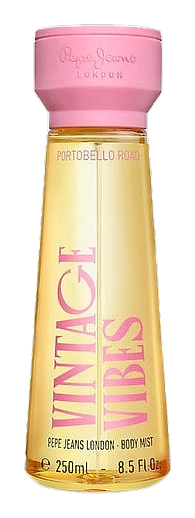
Pepe Jeans London opened its first shop in 1973 on the bustling Portobello Road, founded by three friends who wanted affordable, trend‑forward denim. The label quickly became associated with casual streetwear, expanding across the UK in the 1980s and entering European markets in the 1990s. In 2000 the company launched its inaugural fragrance, marking the first time a denim‑focused fashion house entered the scented arena. The perfume was produced in collaboration with perfumer Rosendo Mateu, a partnership that the brand has continued for subsequent releases. Throughout the 2000s Pepe Jeans grew its retail footprint, opening flagship stores in major cities such as Madrid, Paris and Milan, while maintaining its core identity of casual, street‑level style. A corporate restructuring in 2015 moved the headquarters from London to Sant Feliu de Llobregat in Catalonia, Spain, reflecting the brand’s increasingly international ownership. The fragrance line followed a steady cadence: after the 2000 debut, the brand introduced Pepe Jeans for Him and for Her in 2018, refreshed its catalogue with Black Is Now for Him in 2020 and London Calling in 2021, and rolled out a series of seasonal scents—SoBold Intense (2024), Vintage Vibes (2025) and Jeans & Tonic for Her (2026). Each launch coincided with a broader marketing push that tied the scent to the brand’s denim collections, reinforcing the idea that scent can be another layer of personal expression. Today, Pepe Jeans London operates in more than 70 countries, and its perfume range sits alongside clothing, footwear and accessories as part of a unified lifestyle offering.
Craftsmanship
Pepe Jeans constructs its perfumes in partnership with established fragrance houses, relying on the expertise of perfumer Rosendo Mateu for formulation guidance. The development process begins with a mood board that captures a specific urban scene, which the perfumer then interprets into a blend of aromatic notes. According to the brand’s official product descriptions, the compositions contain roughly ninety percent ingredients of natural origin, a figure that reflects a broader industry trend toward cleaner formulations. The remaining synthetic components are selected for stability and to enhance projection, ensuring the scent performs consistently across climates. Production takes place in facilities that meet European Union cosmetic regulations, with batch testing for purity, allergen content and longevity. Bottles are crafted from recyclable glass and feature minimalist labeling that mirrors the label’s denim packaging—simple typography, a muted colour palette and the iconic Pepe Jeans logo. The brand also adopts a “green” packaging policy, using recycled cardboard for outer boxes and reducing plastic wherever possible. Quality control includes blind panel evaluations, where trained noses assess balance and longevity before a fragrance reaches market. This blend of artistic collaboration, ingredient transparency and rigorous testing underpins the line’s reputation for reliable, everyday wearability.
Design Language
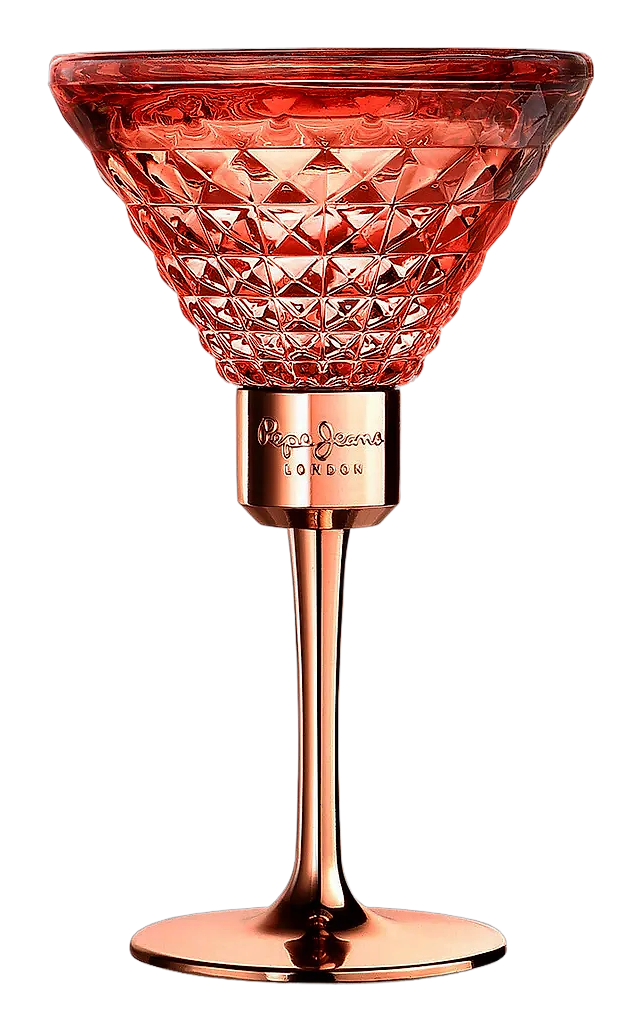
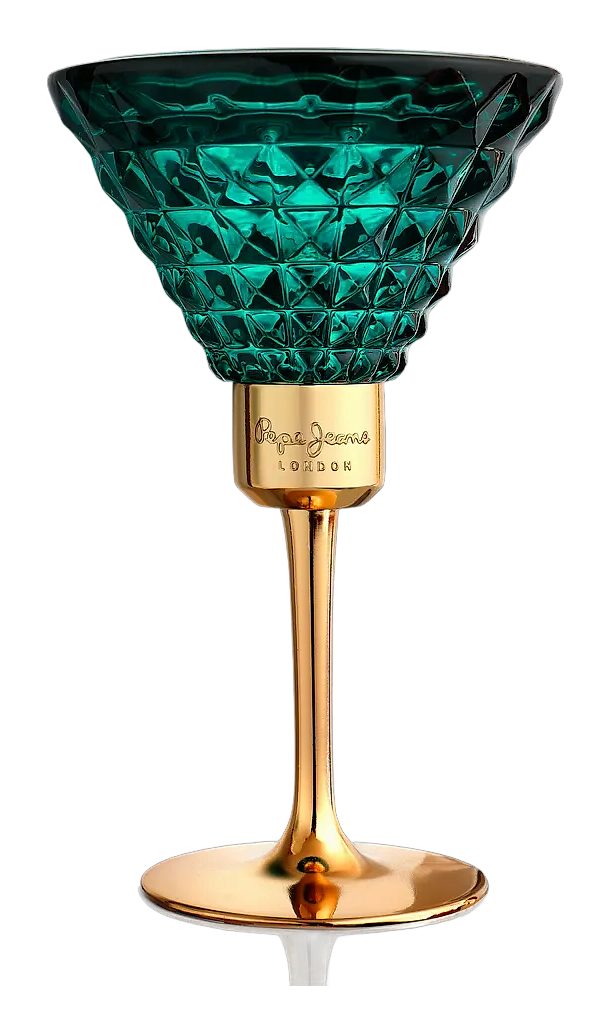
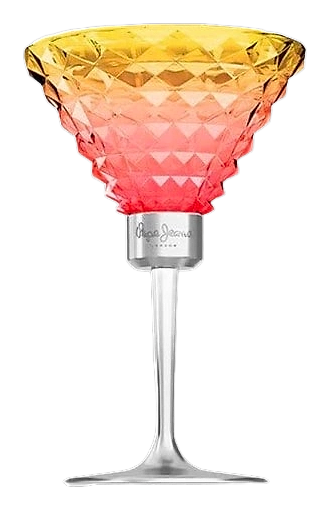
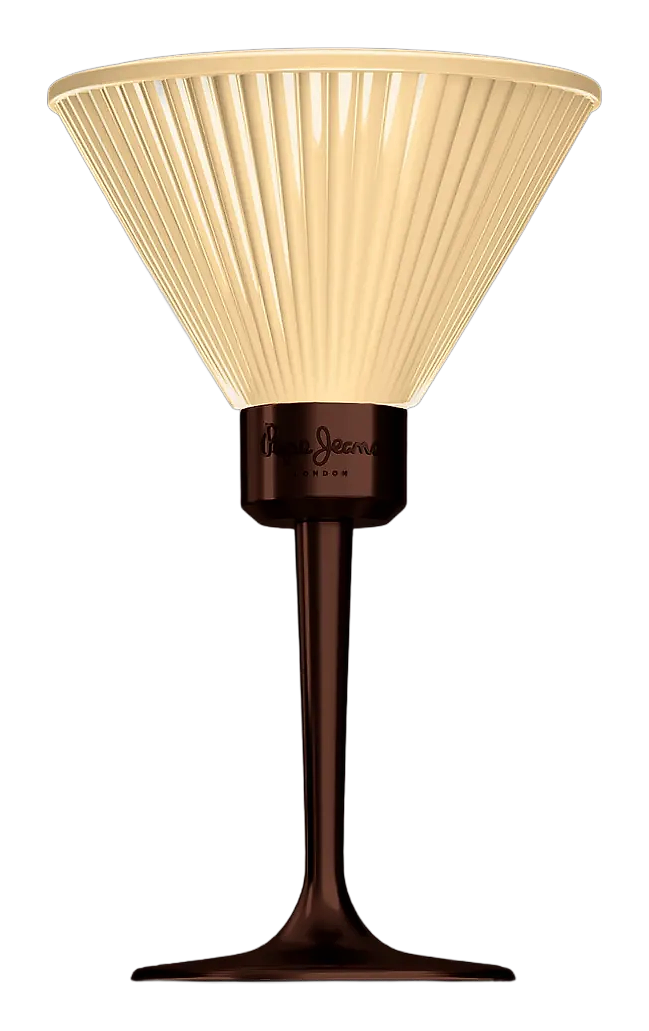
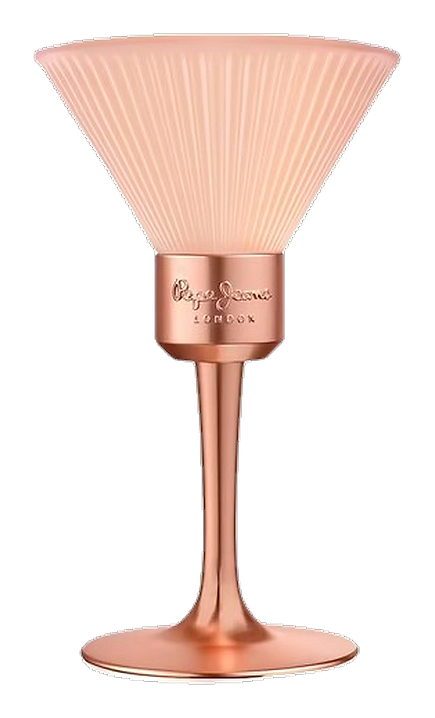
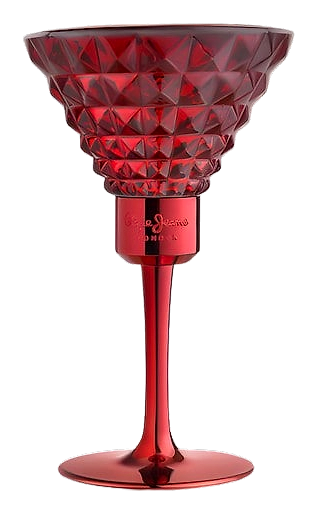
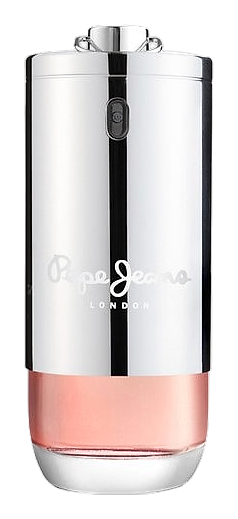
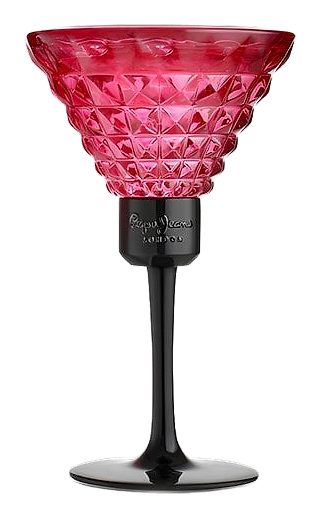
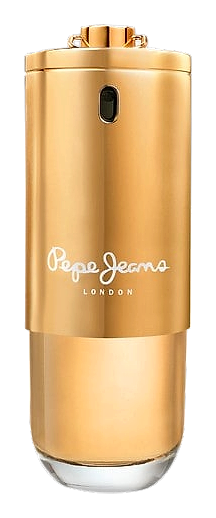
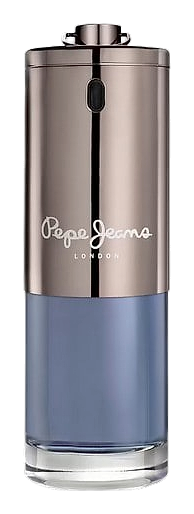
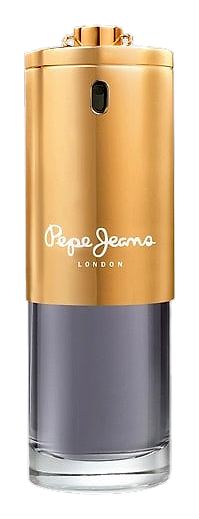
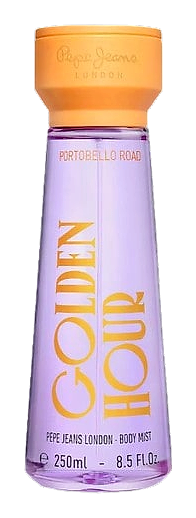
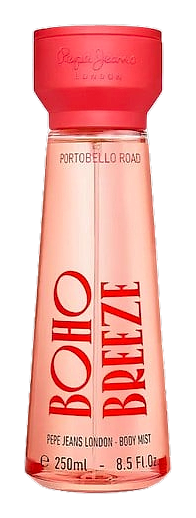
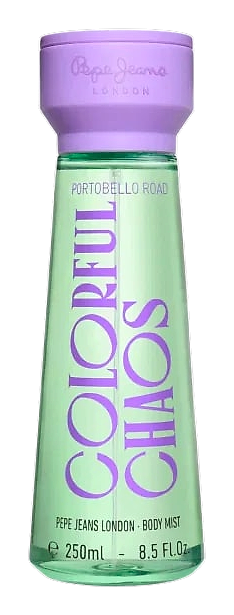
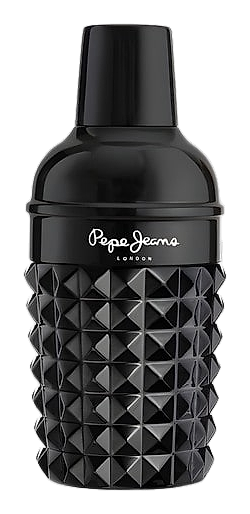
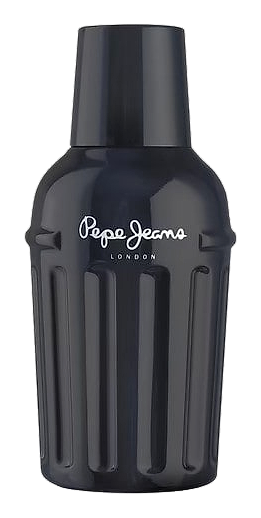
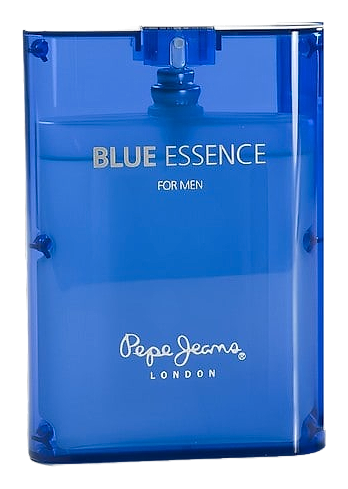
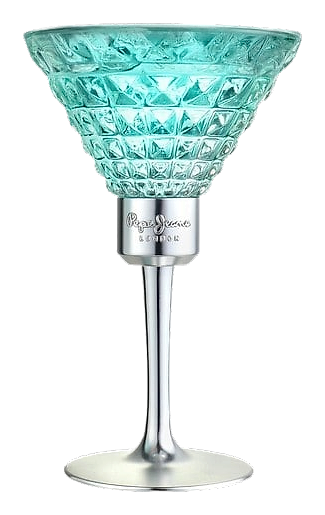
The visual language of Pepe Jeans fragrances mirrors the brand’s clothing aesthetic: clean lines, understated branding and a nod to street culture. Bottles are typically clear or lightly tinted glass, allowing the colour of the liquid to hint at the scent’s character—soft amber for Golden Hour, crisp teal for Jeans & Tonic. Labels employ a sans‑serif typeface that matches the logo used on denim tags, and the brand name appears in a modest size, letting the bottle shape take centre stage. Caps are often matte‑finished metal or brushed aluminium, echoing the hardware found on jean pockets. The packaging box uses recycled cardboard with a single‑colour print, reinforcing the minimalist approach. Photographic campaigns feature models in casual attire, often photographed against urban backdrops such as brick walls or city streets, reinforcing the connection between scent and everyday life. This cohesive visual strategy positions the perfumes as an extension of the label’s broader lifestyle narrative rather than a separate luxury sub‑category.
Philosophy
The brand treats fragrance as an extension of its denim ethos: casual, accessible, and unapologetically youthful. Rather than positioning its scents as exclusive luxury items, Pepe Jeans aims to create everyday aromas that complement a street‑style wardrobe. The creative brief for each perfume often references a moment of urban life—whether it is a late‑night coffee on a London rooftop or a sun‑lit walk through a market. This narrative focus aligns with the label’s broader commitment to authenticity and self‑expression. In interviews, the company has said it wants its scents to “celebrate life” and to be worn without pretense, echoing the same straightforward attitude that defines its jeans. The fragrance team works closely with perfumers, notably Rosendo Mateu, to translate these concepts into scent structures that balance fresh citrus, aromatic herbs and warm woods. Sustainability also features in the brand’s philosophy; product pages note that many bottles use recyclable materials and that a high proportion of ingredients are sourced from natural origins. By keeping the scent portfolio approachable, the label reinforces its belief that style—whether in clothing or fragrance—should be inclusive and effortless.
Key Milestones
1973
Pepe Jeans London founded on Portobello Road, London
2000
Launch of the brand’s first fragrance in collaboration with perfumer Rosendo Mateu
2015
Corporate headquarters moved to Sant Feliu de Llobregat, Spain
2018
Release of Pepe Jeans for Him and Pepe Jeans for Her
2020
Introduction of Black Is Now for Him
2021
Launch of Pepe Jeans London Calling for Him
At a Glance
Brand profile snapshot
Origin
United Kingdom
Founded
1973
Heritage
53
Years active
Collection
1
Fragrances released
Avg Rating
4.1
Community sentiment
Release Rhythm


