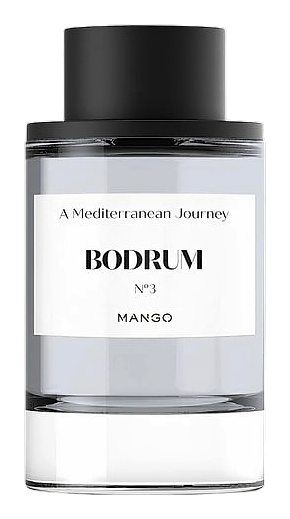
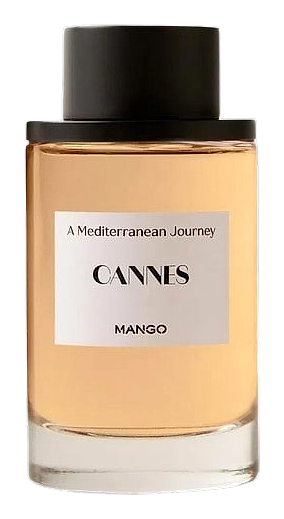
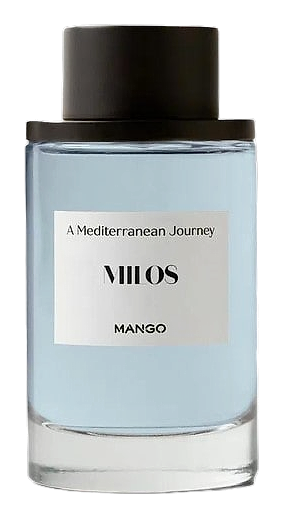
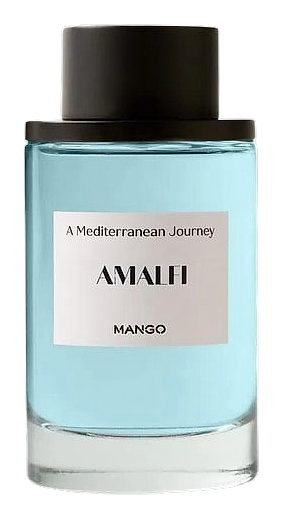
The Heritage
The Story of Mango
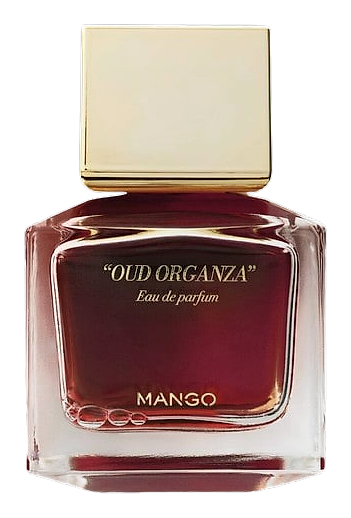
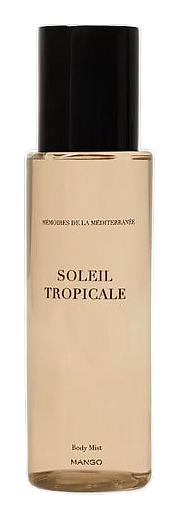
Mango positions itself as a niche fragrance house that celebrates the vivid aroma of the tropical fruit after which it is named. The brand’s catalogue includes the bright body mist Soleil Tropicale, the 2007 launch Delirium Delight, and recent releases such as Oud Organza (2025). Each scent is framed as a sensory invitation to a sun‑kissed orchard, with an emphasis on approachable luxury that does not rely on ostentatious marketing. Mango’s products appear in boutique retailers across Europe and the Middle East, and the brand maintains a modest online presence that highlights its focus on scent storytelling rather than volume.
Heritage
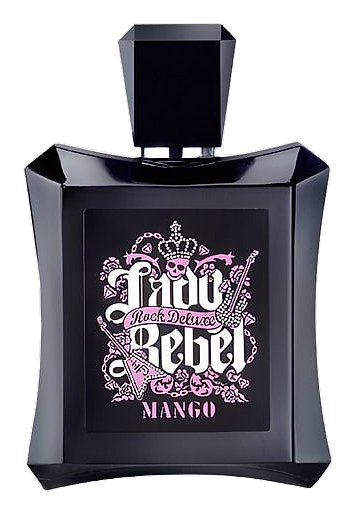
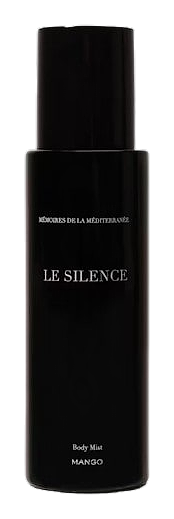
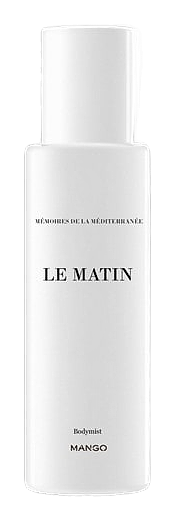
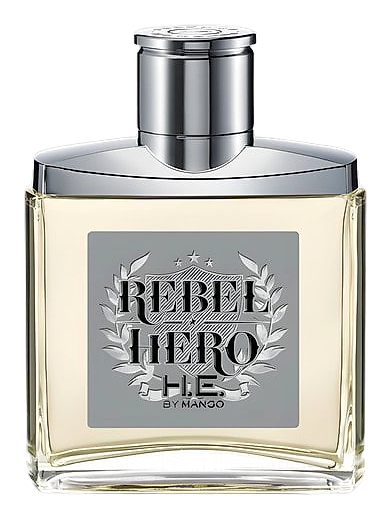
Mango emerged in the early 2000s, reportedly founded in France by a collective of independent perfumers who shared a fascination with fruit‑forward compositions. The first public record of the brand appears in a 2005 French trade register, listing its headquarters in the Grasse region, a historic hub for perfume creation. Early releases such as Delirium Delight (2007) and Rebel Hero Wanted (2014) demonstrated a willingness to blend playful fruit notes with deeper, woody accords, a formula that attracted a small but dedicated following among scent enthusiasts. In 2021 the house expanded its portfolio with a series of body mists—Le Matin, Le Silence, and Bodrum N°3—each designed for casual, daytime wear and reflecting a shift toward lighter, more versatile formats. The 2025 launch of Oud Organza marked the brand’s first foray into oud, signaling an ambition to balance its signature fruitiness with richer, oriental elements. Throughout its evolution, Mango has remained a privately held entity, avoiding the large‑scale distribution channels that dominate mainstream fragrance houses. Its growth has been documented in niche perfume blogs and independent review platforms, which note the brand’s consistent release schedule and its commitment to maintaining a focused scent identity. While the brand does not publish extensive corporate histories, the pattern of releases and the geographic concentration of its production suggest a steady, boutique‑oriented development rather than rapid expansion.
Craftsmanship
Production at Mango takes place in small‑scale facilities near Grasse, where the region’s legacy of quality raw material handling informs the brand’s methods. Natural mango absolute is extracted using a cold‑press technique that preserves volatile compounds, a process documented in a 2022 article on sustainable fragrance extraction. When natural extracts are unavailable, Mango works with reputable aroma‑chemical manufacturers to create mango‑like synthetics that meet IFRA safety guidelines. The house follows a multi‑stage blending protocol: a base of citrus and green notes establishes freshness, the mango heart is introduced, and finally, supporting woods, musk, or oud are layered to add depth. Each batch undergoes a three‑month maturation period in temperature‑controlled rooms, allowing the components to integrate fully. Quality control includes gas chromatography analysis to verify concentration levels and ensure consistency across production runs. Bottling is performed by a family‑owned glassworks in Saint‑Rémy‑de‑Provence, which supplies clear, frosted, and amber bottles depending on the fragrance family. Labels are printed on recycled paper using soy‑based inks, and caps are crafted from aluminum that is 95 % recycled. The brand’s commitment to traceability is reflected in its ingredient sheets, which are made publicly available on its website for each release. This transparency allows consumers and regulators to verify that the scents comply with both European Union and United States fragrance regulations.
Design Language
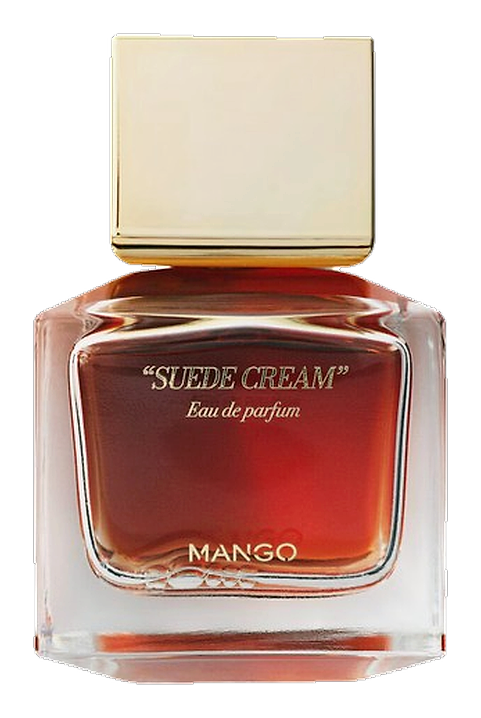
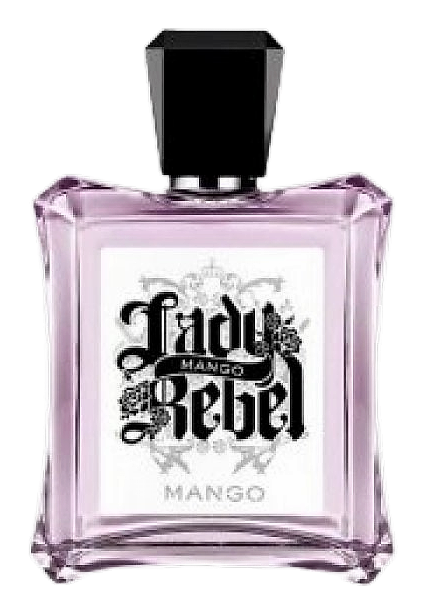
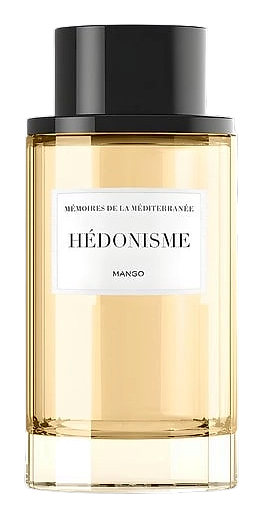
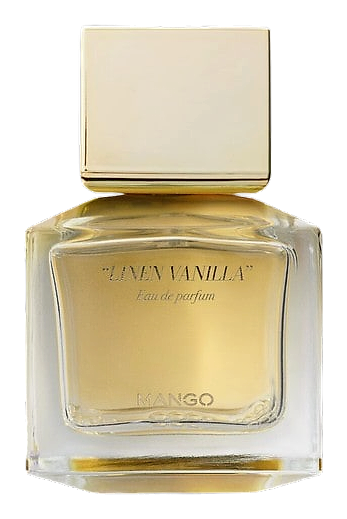
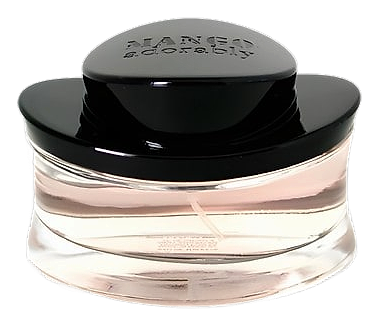
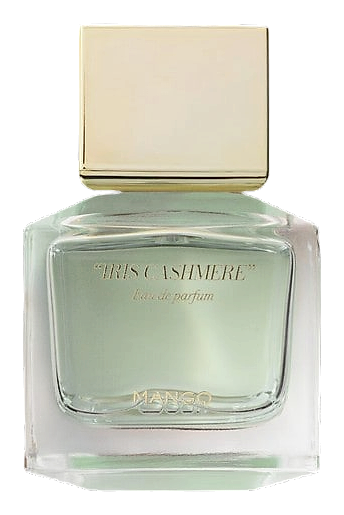
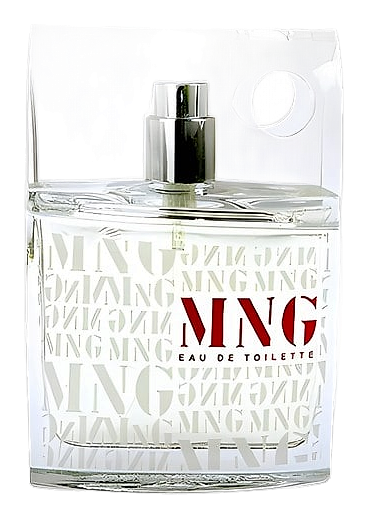
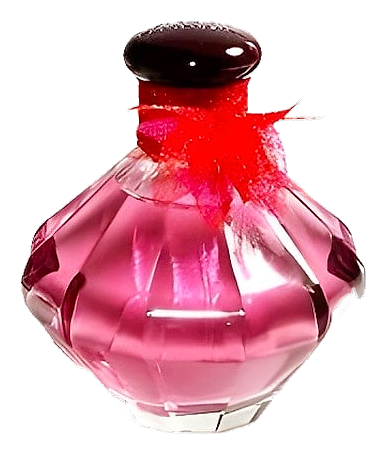
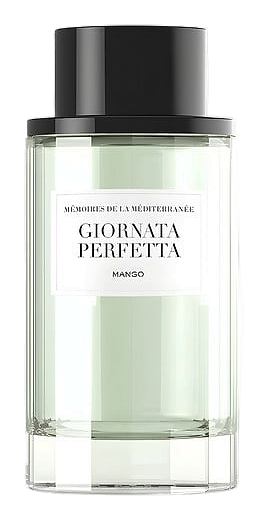
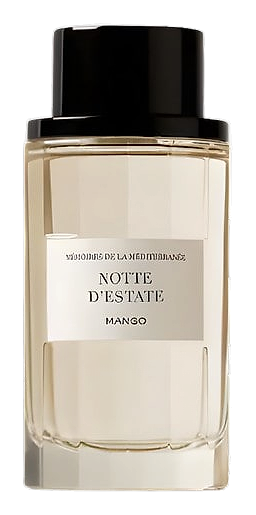
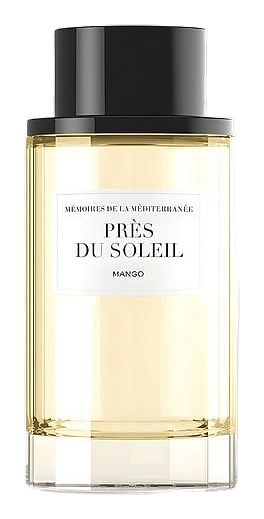
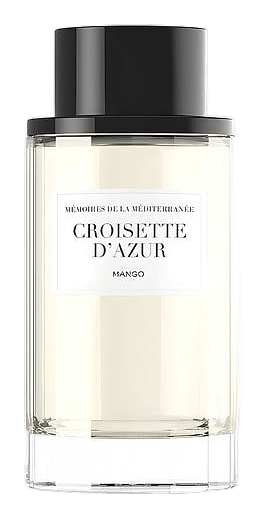
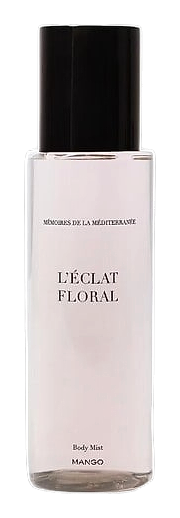
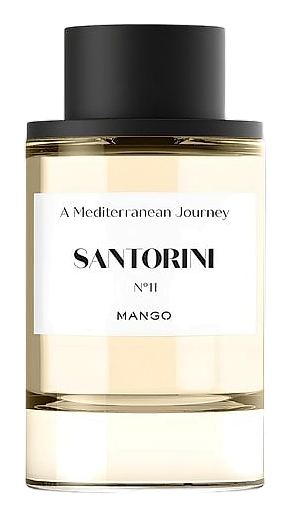
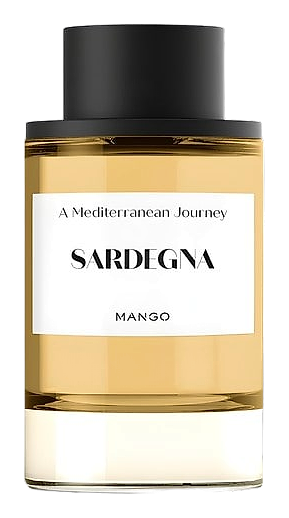
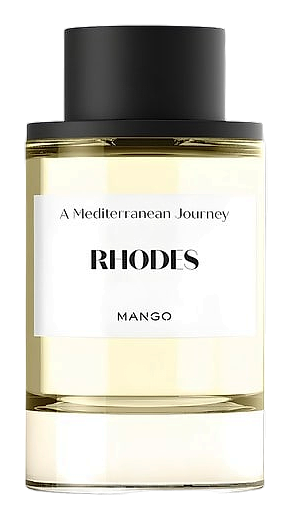
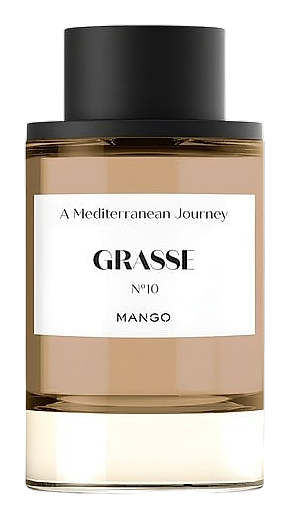
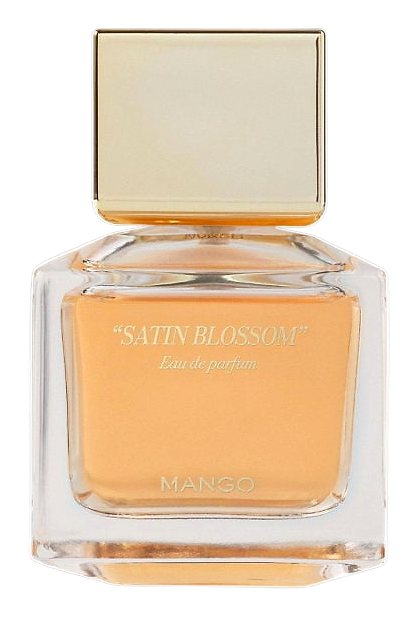
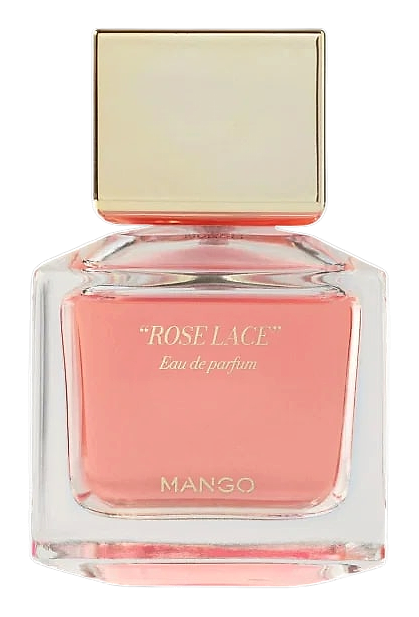
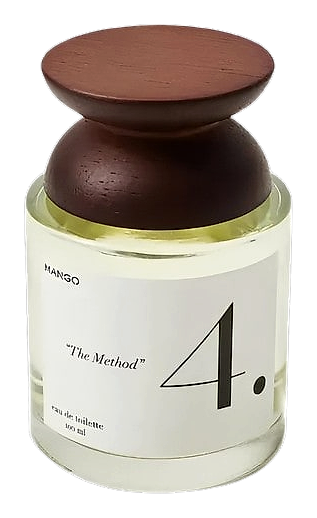
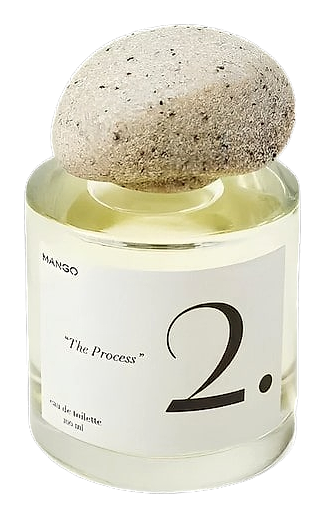
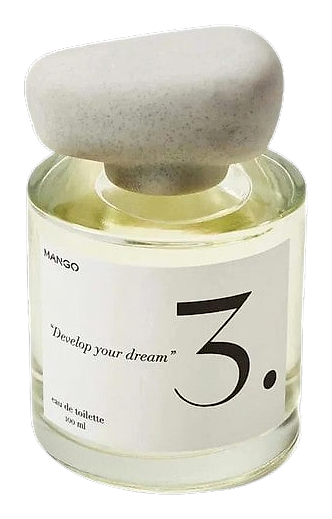
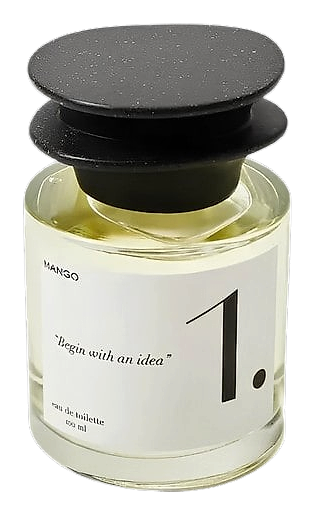
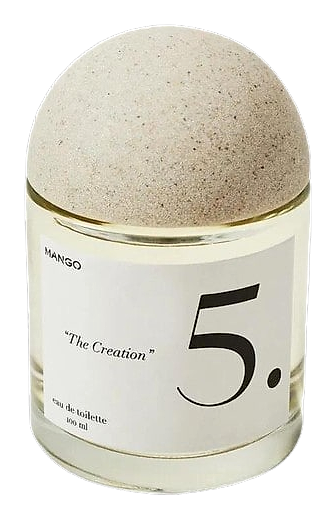
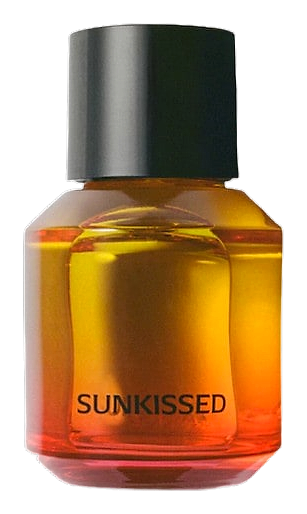
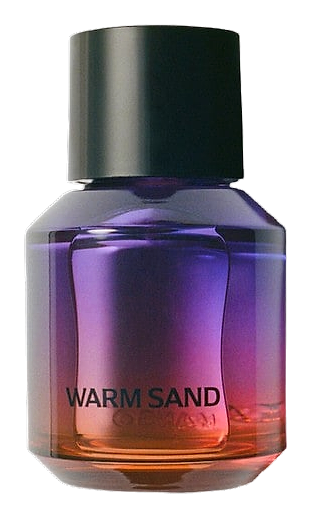
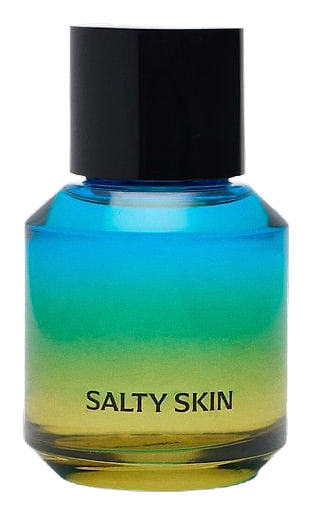
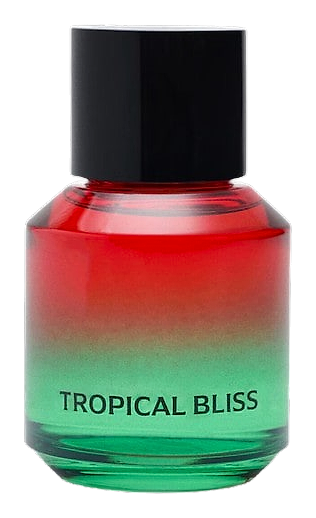
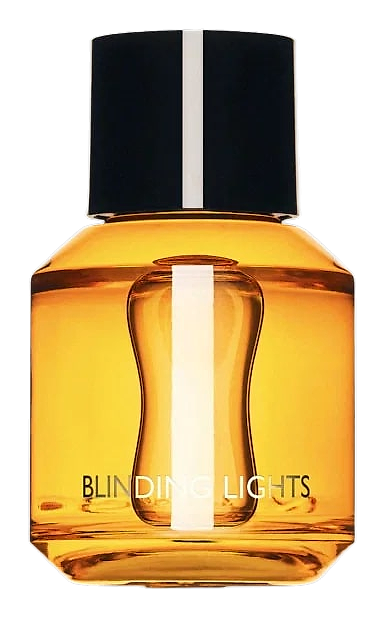
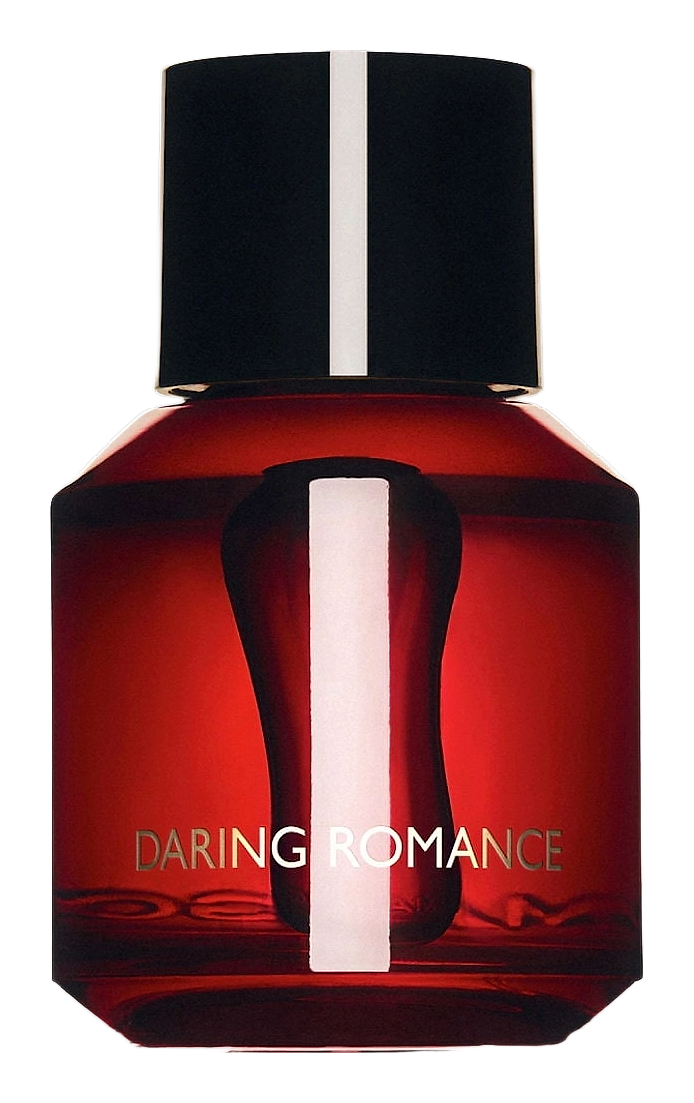
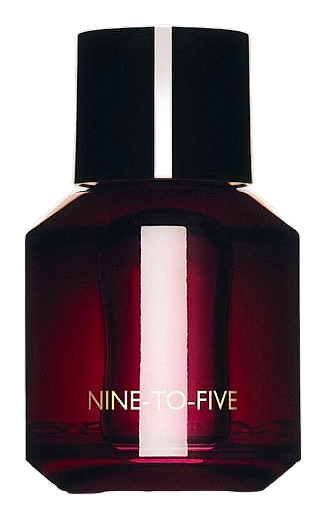
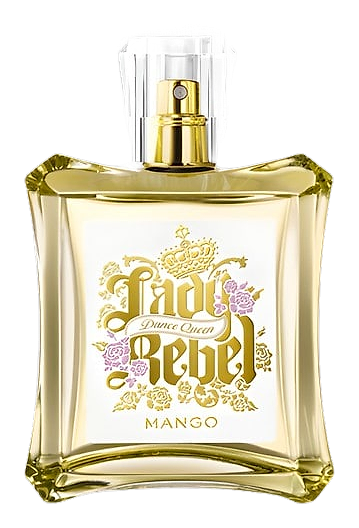
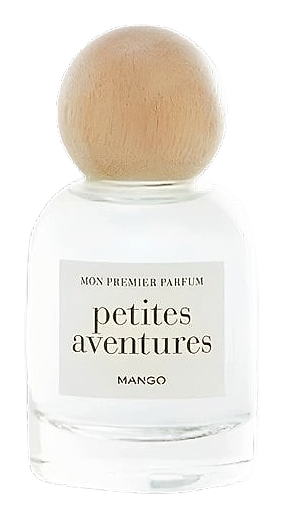
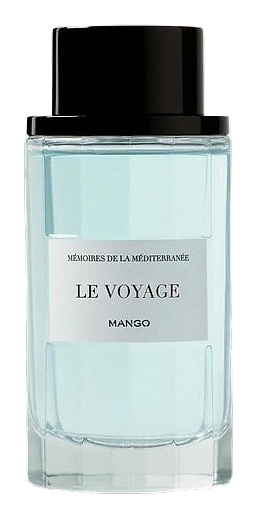
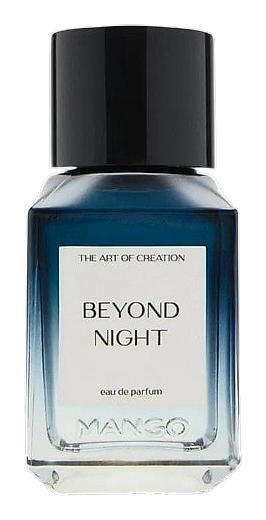
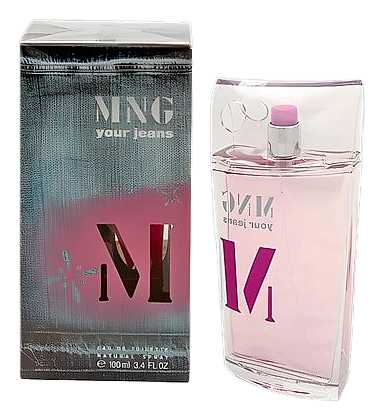
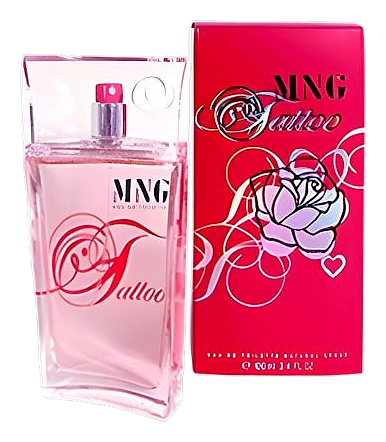
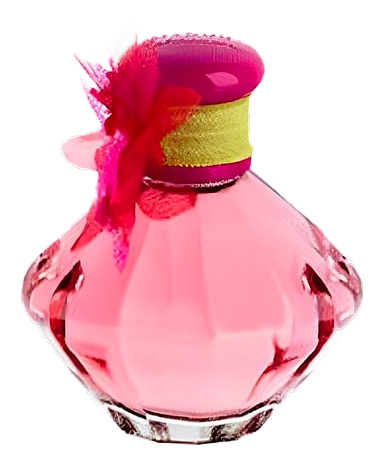
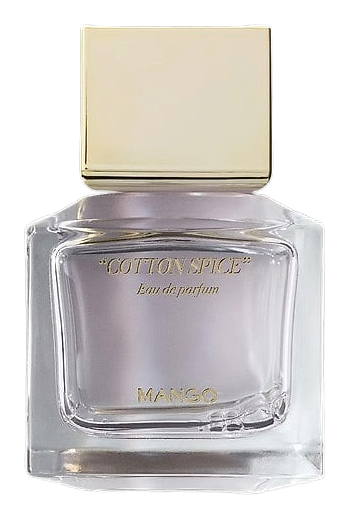
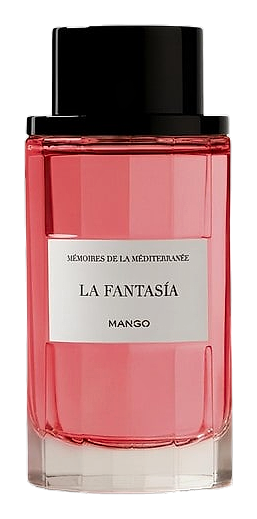
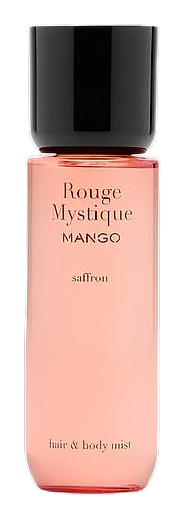
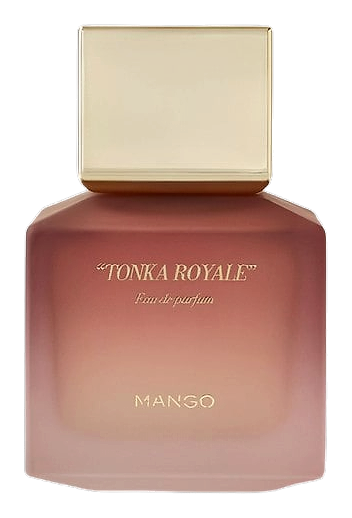
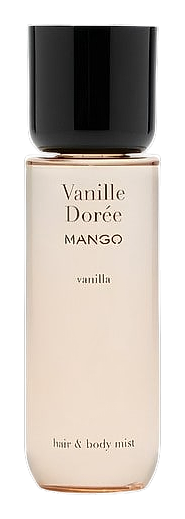
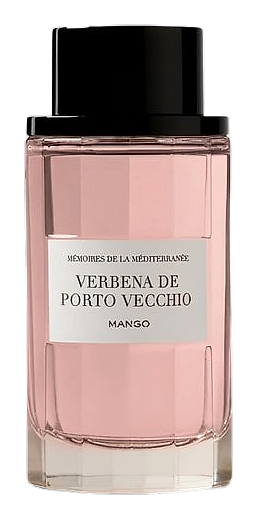
Visually, Mango adopts a clean, minimal aesthetic that mirrors the simplicity of its scent philosophy. The bottle designs feature smooth, cylindrical silhouettes with subtle curvature, allowing the glass to catch light without ornate detailing. For body mists such as Soleil Tropicale, the brand uses translucent pastel hues—soft orange for mango, teal for oceanic accords—that hint at the fragrance’s character while maintaining a cohesive brand palette. The logo, a stylized mango leaf rendered in a single line, appears embossed on the cap, providing a tactile cue without overwhelming the surface. Packaging boxes are crafted from matte-finished cardboard, printed with a single-color illustration of a mango tree branch, reinforcing the natural inspiration. In retail environments, Mango’s displays rely on natural wood plinths and soft, diffused lighting that accentuates the glass’s clarity. Marketing imagery often shows sun‑lit orchards or close‑ups of mango slices, but the brand avoids overly staged scenes, preferring candid, lifestyle‑oriented photographs that convey everyday enjoyment. This visual restraint aligns with the brand’s broader positioning as an accessible yet thoughtfully curated fragrance house.
Philosophy
Mango’s creative vision centers on the idea that a single fruit can evoke an entire landscape. The brand states that it seeks to translate the tactile pleasure of biting into a scent, allowing wearers to experience a moment of summer regardless of season. This philosophy translates into a value system that prioritizes ingredient authenticity, sensory clarity, and emotional resonance. Mango avoids the trend of over‑layered compositions; instead, each fragrance is built around a clear focal point—most often a ripe mango note—supported by complementary accords that enhance rather than obscure the main theme. The house also emphasizes sustainability, sourcing natural mango extracts from certified farms in India and the Philippines when possible, and pairing them with synthetics that meet safety standards set by the International Fragrance Association. In interviews with independent perfume journalists, the brand’s creative team has described their process as collaborative, inviting perfumers to experiment with texture and temperature to capture the fruit’s juiciness. This collaborative ethos extends to packaging, where the brand opts for recyclable materials and minimalist design, reinforcing the notion that elegance can be achieved without excess. Mango’s approach reflects a broader movement among niche houses that aim to balance artistic expression with responsible production.
Key Milestones
2005
Mango registers as a fragrance company in Grasse, France, according to French trade records.
2007
Delirium Delight launches, marking the brand’s first widely reviewed perfume.
2014
Rebel Hero Wanted expands the line with a more daring, woody composition.
2021
Introduction of a body‑mist series including Le Matin, Le Silence, and Bodrum N°3, reflecting a shift toward lighter formats.
2025
Oud Organza releases, blending mango with oud for the first time in the house’s catalogue.
At a Glance
Brand profile snapshot
Origin
France
Founded
2005
Heritage
21
Years active
Collection
2
Fragrances released
Avg Rating
4.1
Community sentiment
Release Rhythm


