Raymond Chaillan
Raymond Chaillan was born in 1935 in Barrême, a Provençal town whose economy revolved around lavender cultivation. His grandfather grew lavender and clary sage, so aromatic raw materials became childhood companions rather than abstract concepts. After studying the craft at Antoine Chiris in Grasse in 1962, Chaillan rose through the ranks to perfumer. He relocated to Paris in 1969 to join Roure Bertrand Dupont, where he spent a decade deepening his technical expertise. His career later took him to Firmenich and eventually into international director roles at Dragoco and Sozio. But Chaillan's defining chapter arrived with Cacharel, where he created Anais Anais in 1980. The fragrance arrived at precisely the right cultural moment, capturing the spirit of a generation with its bold white floral heart and unprecedented layering of transparency and warmth. It became one of the defining feminine scents of its era and secured Chaillan's place among the great noses of the twentieth century. His son, Jean-Marc Chaillan, followed him into the profession, joining IFF as a perfumer, continuing a rare father-son lineage in French perfumery.
The hits
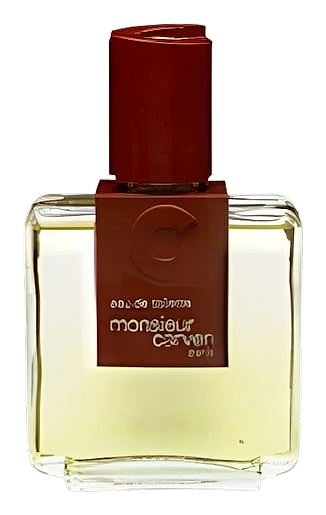
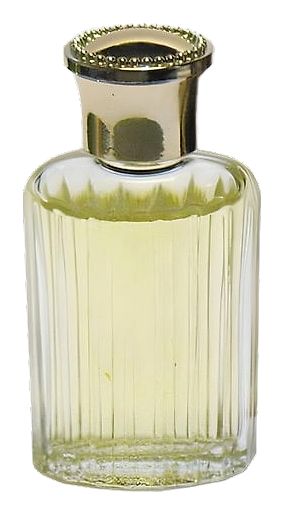
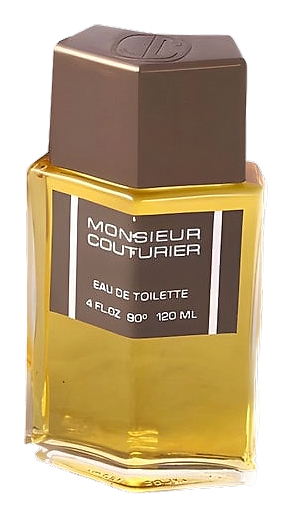
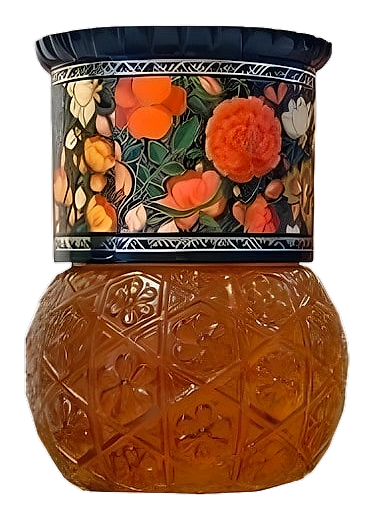
Notable creations
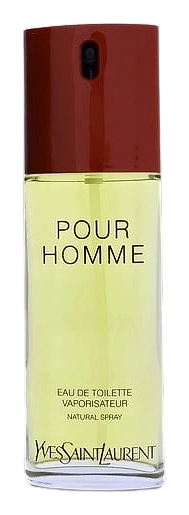
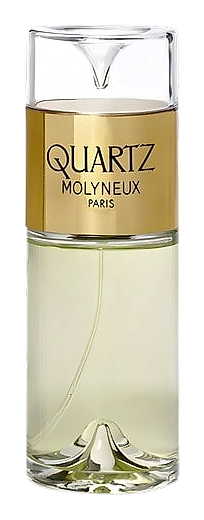
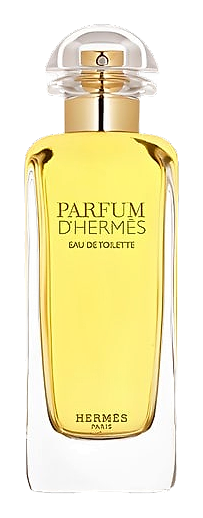
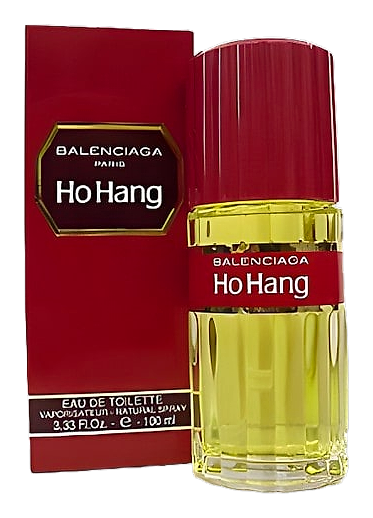
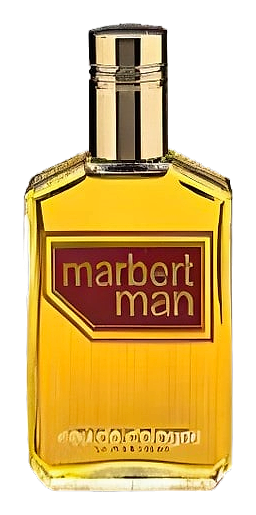
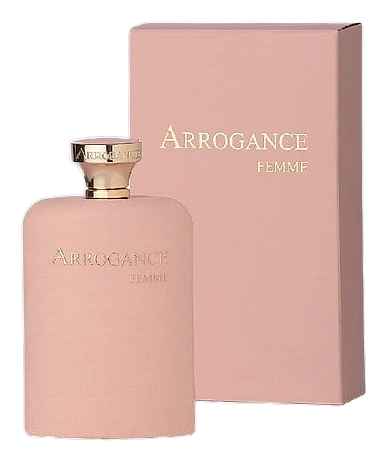
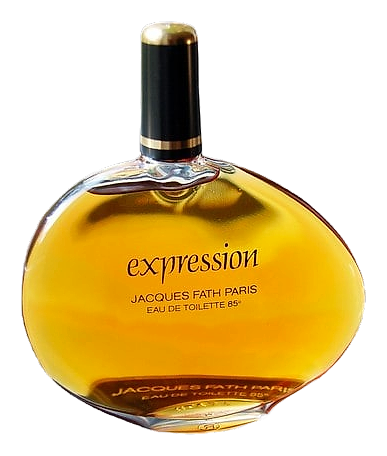
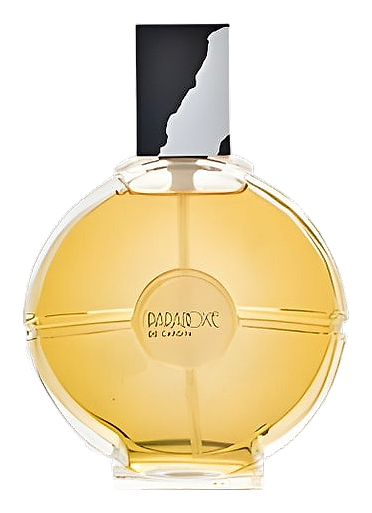
The signature
How Raymond composes
Lavender runs through Chaillan's signature like a golden thread. He treats it not as a static material but as a living one, coaxing unexpected facets from fields he knew as a boy. His white florals carry a crystalline quality, structured yet seemingly weightless. Anais Anais demonstrates his ability to combine innocence with sophistication, wrapping heady tuberose and orange blossom in a veil of softness that never becomes cloying. His work tends toward warm, powdery drydowns with a quality he describes as both intimate and confident. He favors materials that feel familiar yet somehow fresher than expected, the product of a man who sees old ingredients through new eyes.
Philosophy
What drives Raymond
Chaillan believes in the slow revelation of excellence. He speaks openly about creating thousands of formula variations before arriving at a final composition, a process that demands both rigor and humility. His work centers on emotional truth; he asks whether a fragrance makes someone feel something genuine rather than simply whether it impresses on first sniff. Trained in the classical Grasse tradition, he treats perfumery as a dialogue between heritage and invention. He respects the old formulas while remaining curious about what hasn't been tried. This balance of reverence and restlessness defines his creative philosophy.
The houses