








































Heritage
A house, in its own words
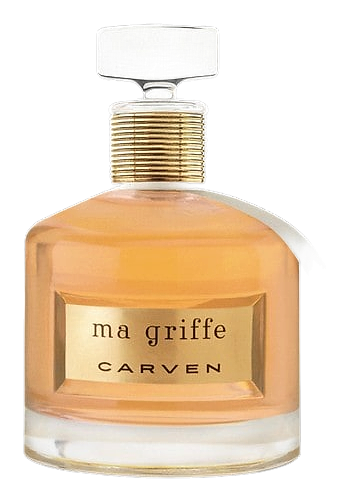
Carmen de Tommaso, who adopted the professional name Madame Carven, founded the House of Carven in Paris in 1945 at the close of World War II. Sources vary on her birth name, with some citing Carmen de Tommaso and others referring to her as Marie-Louise Carven, though the fashion press consistently referred to her as Madame Carven during her lifetime. The house initially focused on couture, creating youthful and wearable designs that differentiated it from more established Parisian houses. In 1946, Madame Carven launched Ma Griffe, her first perfume, which reportedly helped establish the house's broader reputation. The green chypre fragrance, described as fresh and modern for its era, was notable for capturing a certain Parisian spirit that resonated with women seeking something new after the war years. Carven expanded its ready-to-wear offerings in 1950, the same year it introduced Chasse Gardée. The house continued releasing fragrances through the latter half of the twentieth century, including Monsieur Carven (1978), a rare masculine offering, and Guirlandes (1982). Madame Carven reportedly possessed marketing acumen that helped promote the house's scents, though specific campaigns are not well-documented in available sources. The house maintained its fashion operations while continuing to develop new fragrances into the 1990s and 2000s. In recent years, Carven released seven new perfumes reportedly intended as homage to its founder, with the Paris collection representing a geographic and emotional return to the house's roots. Carven's approach to perfumery appears rooted in the same values that guided its fashion design: youthful energy, wearability, and an emphasis on elegance that does not feel inaccessible. The house seems to have rejected pretension in favor of creating scents that could function as everyday companions rather than occasional luxuries. Madame Carven reportedly believed in designing for real women, and this pragmatic philosophy extended to her fragrance work. The Paris collection demonstrates a desire to evoke specific places and memories, suggesting an interest in narrative fragrance rather than purely abstract compositions. The house appears to balance tradition with contemporary relevance, drawing on French perfumery heritage while remaining open to new interpretations. Carven's fragrance strategy has included releasing scents in limited editions and special vessels, indicating attention to the complete sensory experience rather than focusing solely on juice composition. The house's decision to create a seven-fragrance tribute collection suggests an understanding of its own historical importance and a willingness to celebrate its legacy explicitly.