
The Story
Why it exists.
The beginning
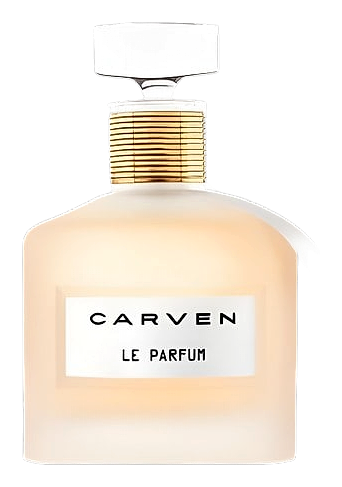
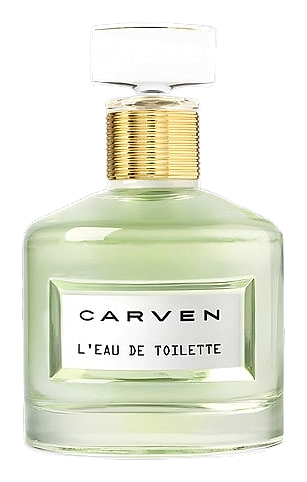
Francis Kurkdjian designed Carven L'Eau de Toilette in 2014 as the younger sibling to Carven Le Parfum, launched just a year prior. Kurkdjian himself described the result as a lightweight piece of clothing, as easy to wear as the original but made of a different fabric, probably more airy. The brief was simple: take the house's signature floral-musky signature and strip it back until only the essential charm remained. Not a reformulation. A re-edition, aimed at a woman who wanted Carven's elegance without the weight of it. Thierry de Baschmakoff handled the bottle, maintaining the visual language of the Paris collection while keeping the EDT's visual identity distinctly its own, frosty, minimal, appropriate.
What makes this work is Kurkdjian's decision to anchor the composition around sweet pea and white hyacinth, two notes that don't often carry a fragrance's weight but here hold the whole thing together. The sweet pea keeps the citrus from sharpening. The hyacinth keeps the freesia from cloying. Wisteria bridges them both, adding that slightly powdery, almost green undertone that makes the heart feel fuller than it actually is. On paper it's a modest pyramid. In practice, the materials talk to each other in a way that suggests more complexity than the note list implies.
The evolution
The opening arrives quickly: Italian lemon, sweet pea, and a peony that softens everything before you can identify each part. Within twenty minutes the citrus retreats and the heart takes over, freesia leading, wisteria adding that trailing, slightly powdery lift, hyacinth holding the center. This is the longest phase. Two to three hours of white floral that never quite peaks, never quite softens. Then the handoff: sandalwood arrives first, creamy and warm, followed by white musk settling into the skin. The drydown isn't dramatic. It doesn't transform. The musk simply becomes the fragrance, intimate and close, lasting another two hours on most skin before it becomes something you have to press your wrist to your nose to find.
Cultural impact
As the lighter counterpart to Carven Le Parfum, L'Eau de Toilette found its audience among women looking for an everyday floral that didn't perform. It arrived during a period when approachable luxury was becoming the defining conversation in accessible perfumery, fragrances that could function as daily companions rather than occasion pieces. Reviewers consistently describe it as charming, fresh, and modern, with the caveat that it skews safe. That safety is, for many wearers, the entire appeal.