Sweet Pea
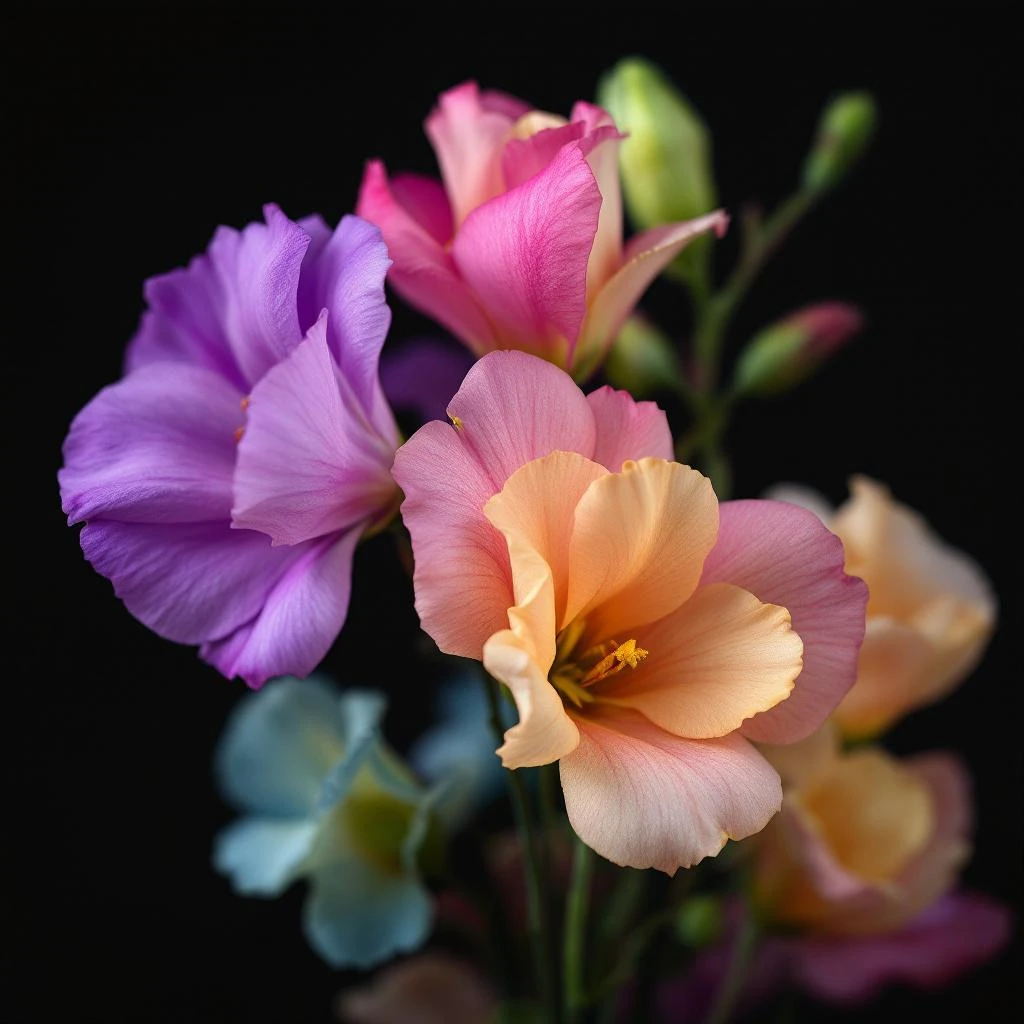
Sweet pea flowers smell so intensely fragrant that every perfumer wants to capture them—yet they yield no extractable oil at all. The entire sweet pea note exists only as a perfumer's act of creative reconstruction, making each interpretation a tribute to one of nature's most enchanting scents.
Character
How it smells
A flower so fragrant it can never be bottled
Despite being one of the most scented cultivated flowers, sweet peas contain essentially zero extractable aromatic material, forcing perfumers to rebuild the scent entirely from other ingredients.








Origin
Italy
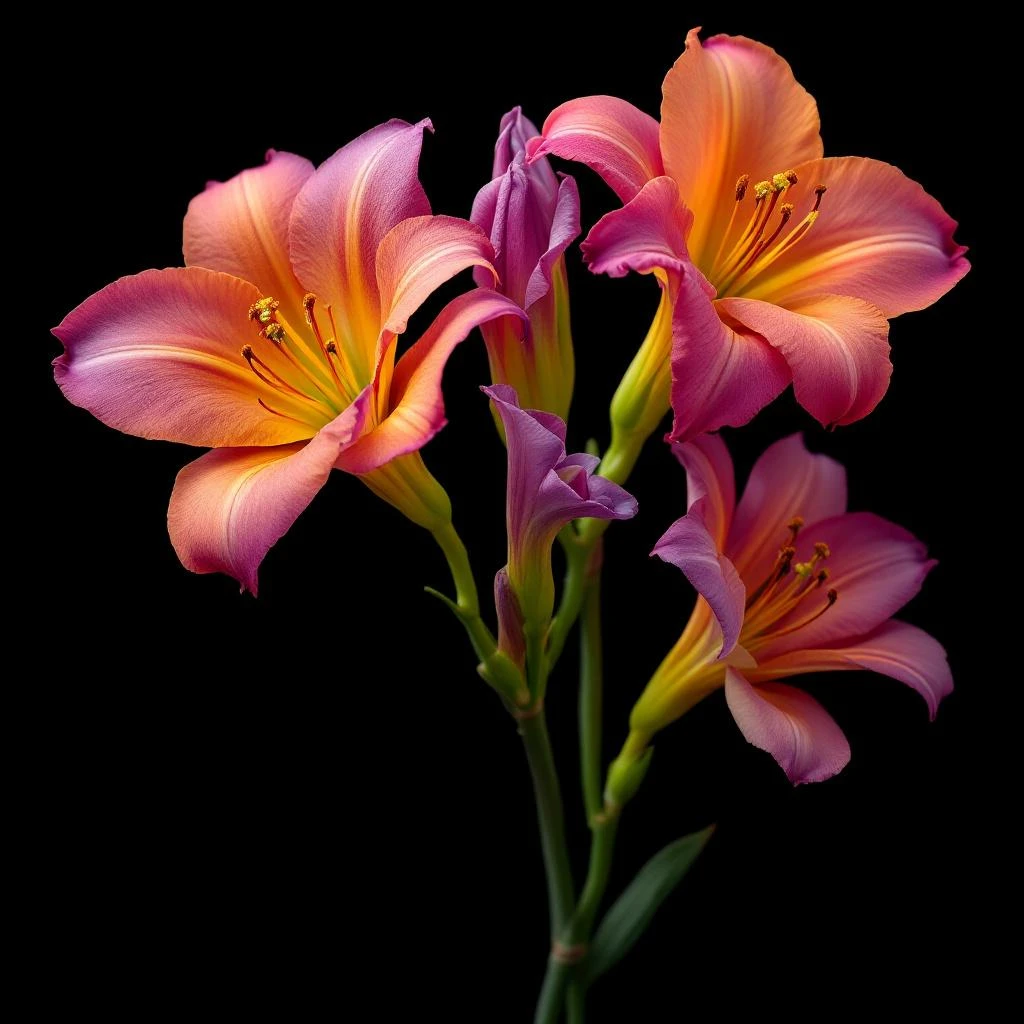
In the 1690s, a Sicilian monk and botanist named Francesco Cupani discovered what would become one of the most beloved garden flowers in the Western world. He found the intensely fragrant purple blooms growing wild in Sicily and sent seeds to English correspondents, establishing sweet pea's (Lathyrus odoratus) first toehold in European gardens.
The flower spread rapidly through aristocratic estates and cottage gardens alike, prized for its intoxicating scent and delicate beauty. By the nineteenth century, plant breeders began developing the hundreds of cultivars we know today, selecting for color, size, and—crucially—fragrance.
Yet as the flower's popularity grew in perfumery, a frustrating reality emerged: sweet peas produced no extractable aromatic material. The very quality that made them beloved—their powerful, distinctive scent—existed in a form that science could not capture. This paradox defined sweet pea's role in perfumery for over a century, forcing perfumers to work entirely through creative interpretation. By the 1990s, sweet pea became a staple of accessible body care and feminine fragrances. Contemporary niche perfumery has since elevated it, treating the note as the sophisticated, nuanced ingredient it was always meant to be.
Wears it best
Fragrances featuring Sweet Pea
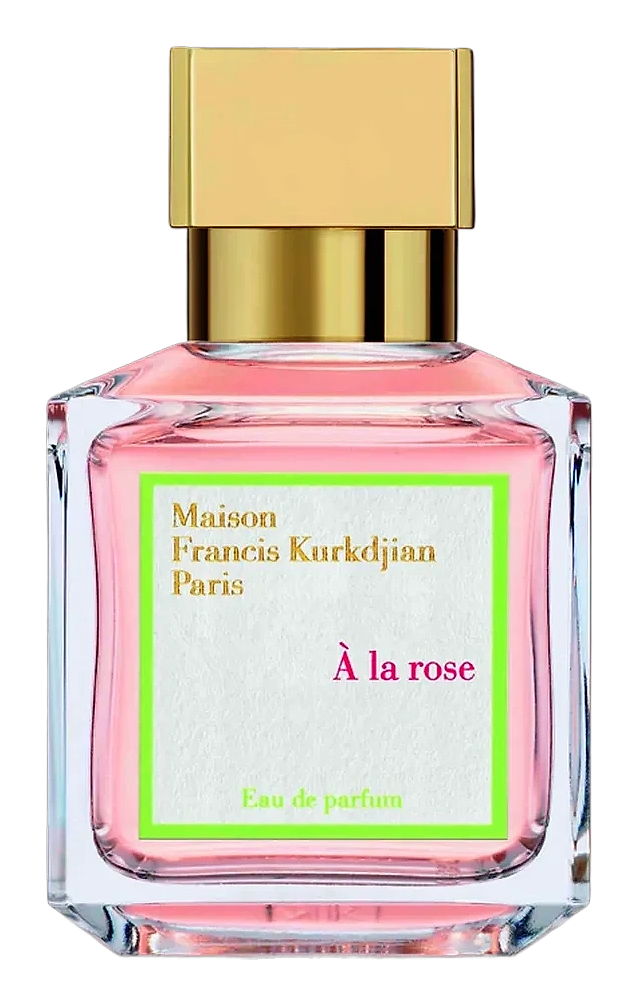
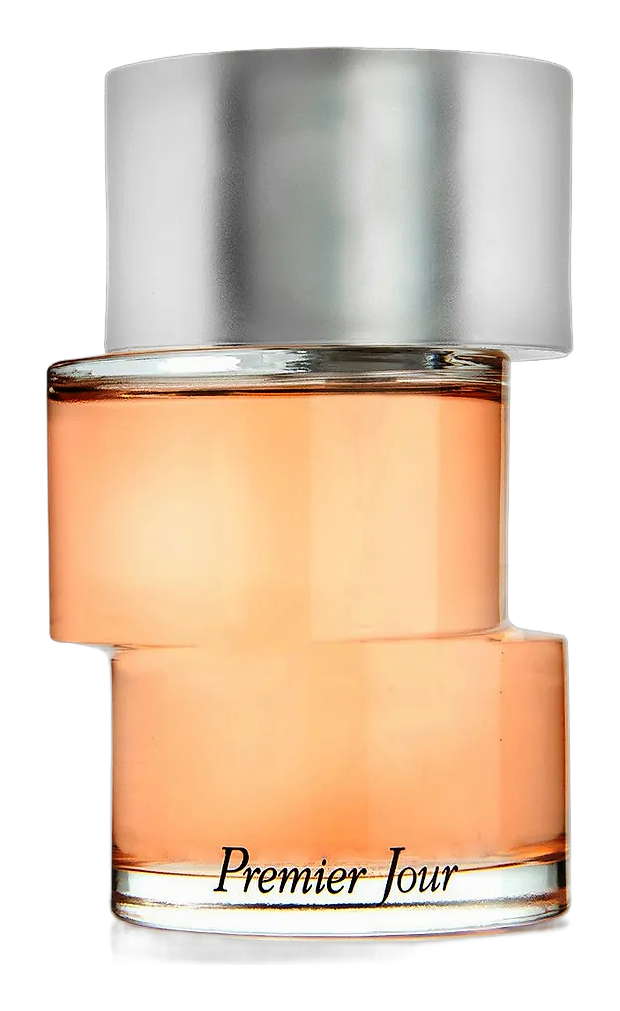
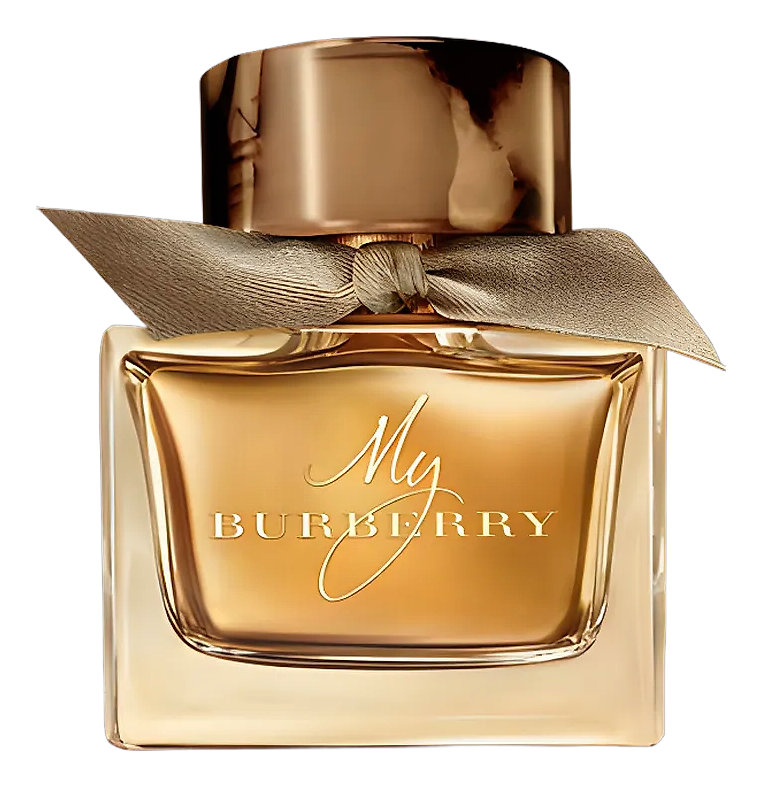
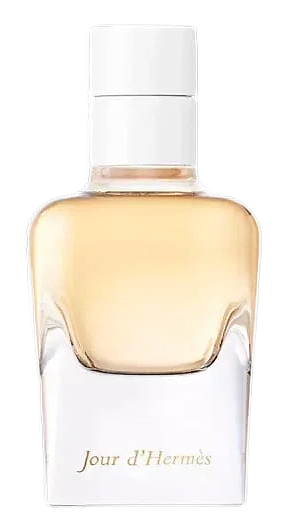
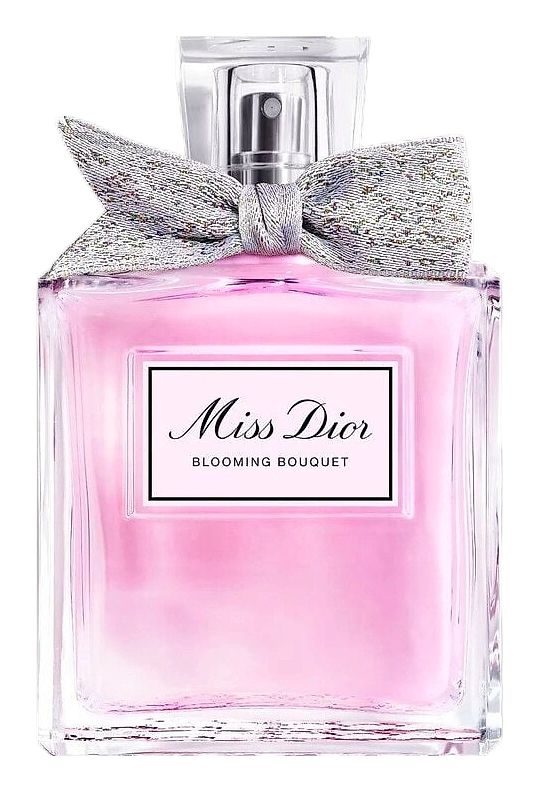
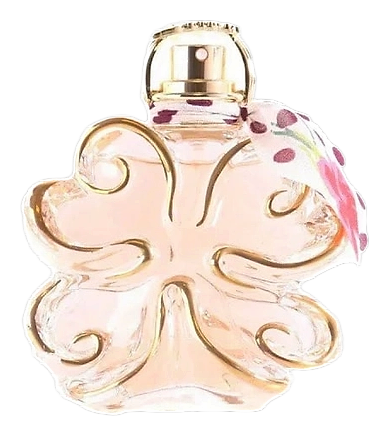
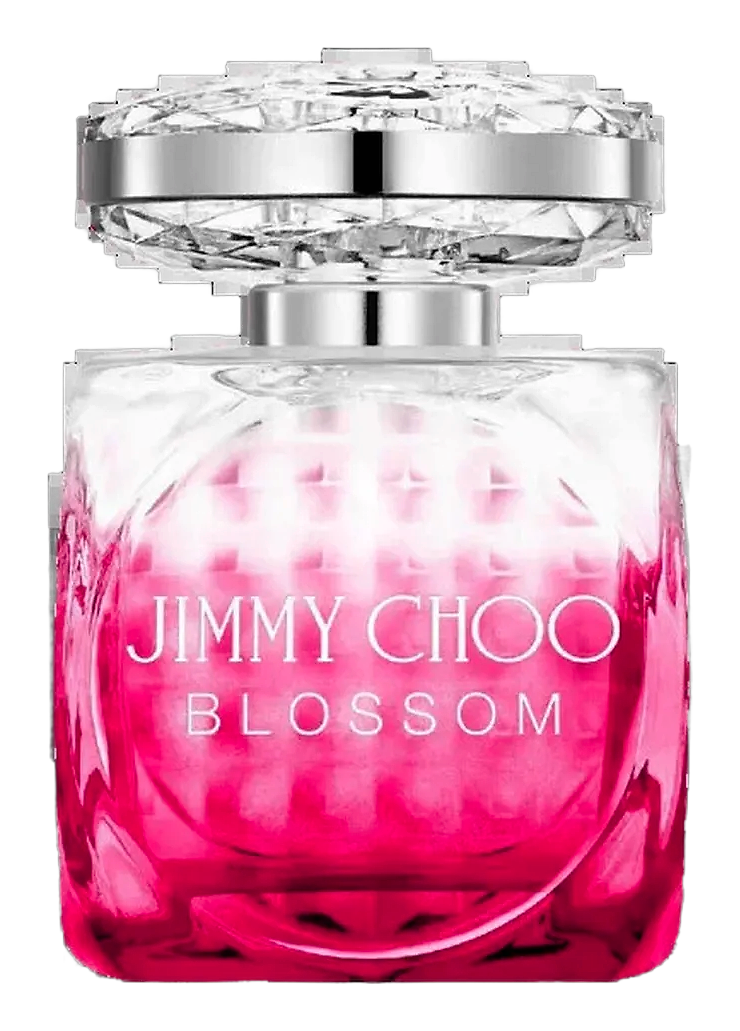
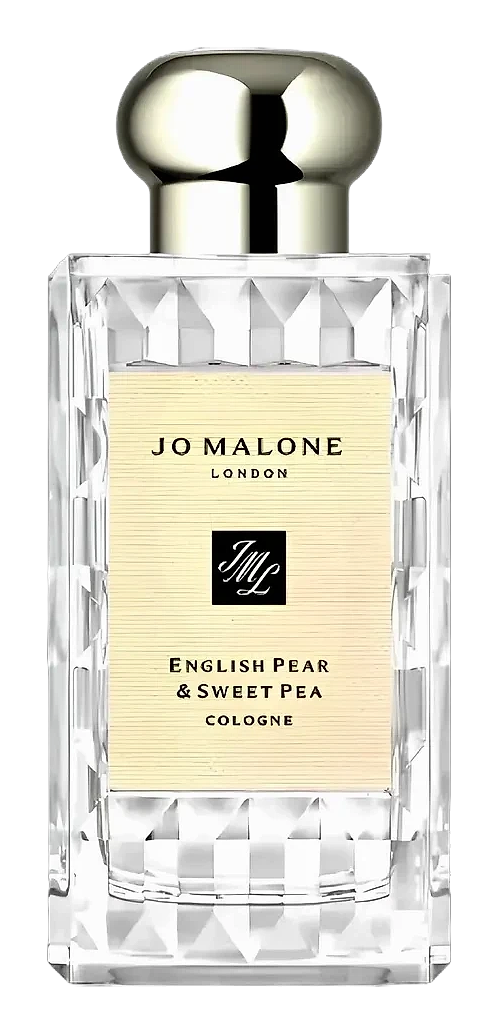

Brands
Brands known for Sweet Pea
Good to know
Questions, answered
The essentials on Sweet Pea in perfumery: how it smells, where it comes from, and how it behaves on skin.
Can sweet pea actually be extracted for perfume?
No. Sweet pea produces essentially no extractable aromatic material despite being one of the most fragrant cultivated flowers. Perfumers recreate the note entirely through synthetic accords, making every sweet pea fragrance an act of creative interpretation.
How do perfumers create the sweet pea smell?
Perfumers build sweet pea accords by blending soft florals like lilac, freesia, and lily of the valley with dewy green notes and honey-like sweetness. Each perfumer interprets the flower differently, creating varied expressions of the same botanical inspiration.
What does sweet pea smell like?
Sweet pea offers gentle but distinctive floral character with dewy freshness and honey-like sweetness. Wearers often describe it as nostalgic, evoking childhood gardens, vintage powder rooms, and long spring afternoons with remarkable specificity.
Is sweet pea a top note or a base note?
Sweet pea functions primarily as a heart note in perfumery. Its gentle floral character makes it an excellent complement to other florals like jasmine and rose, while also harmonizing with fruity notes such as peach or pear.
What fragrances feature sweet pea prominently?
Jour d'Hermès (2013) is perhaps the most famous sweet pea fragrance, using the note as its key signature. The flower also appears in many accessible feminine fragrances and body care ranges from the 1990s and 2000s.
When was sweet pea first discovered for perfumery?
The flower was discovered in the 1690s by Sicilian monk and botanist Francesco Cupani, who sent seeds to English correspondents. However, its use as a perfumery note developed much later, once perfumers began working with synthetic recreations.
Why is sweet pea considered nostalgic?
The note carries strong associations with grandmothers' gardens, cottage aesthetics, and vintage powder rooms. This nostalgic quality developed through decades of use in accessible fragrances and home products, embedding sweet pea deeply in collective scent memory.
Has enfleurage been used to extract sweet pea?
Historical attempts used enfleurage, pressing petals into fat to absorb their fragile scent compounds before washing with alcohol. While technically possible, the method proved impractical for commercial production due to the flower losing potency quickly once picked.



