White Hyacinth
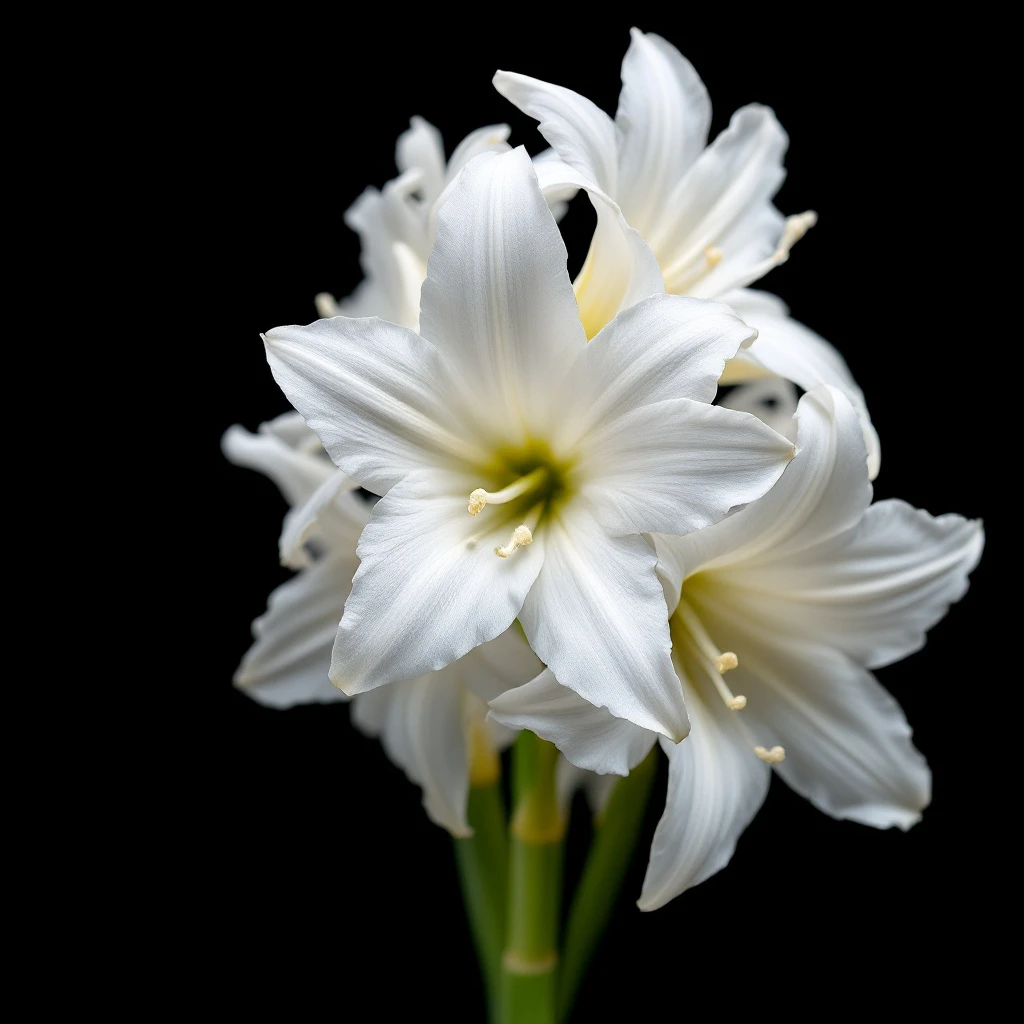
White hyacinth captures the cool, dewy freshness of spring's most transient bloom. Its green-floral profile cuts through heavier base notes, adding lift and crystalline clarity to fragrance compositions.
Character
How it smells
A cool spring morning, crystallized in scent
Each hyacinth bulb produces only one flower stalk, making every bloom a concentrated expression of spring's briefest moment.






Origin
Netherlands
Hyacinth holds a singular place in fragrance history. Ancient Greeks associated the flower with Apollo, and Hyacinthus orientalis traces its roots to the foothills of Anatolia. The Ottoman Empire cultivated the flower extensively, spreading it along trade routes into European gardens.
By the seventeenth century, Dutch breeders had developed thousands of bulb varieties, transforming hyacinth into a cultural obsession across the Low Countries. Its entry into perfumery followed centuries of horticultural appreciation. The flower's powerful scent made it a natural candidate for extraction once solvent-based methods became available in the nineteenth century.
Today, hyacinth remains a signature note in spring-oriented fragrances, valued for its ability to evoke renewal and outdoor freshness without heaviness.
Wears it best
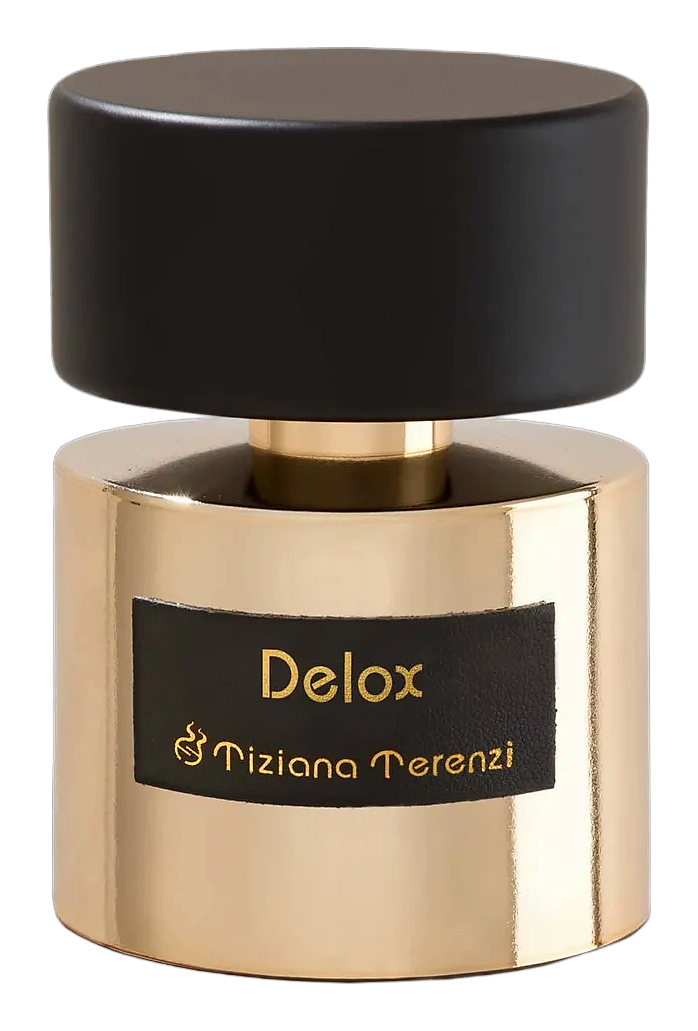
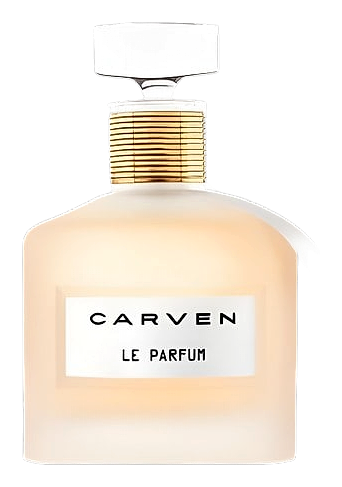
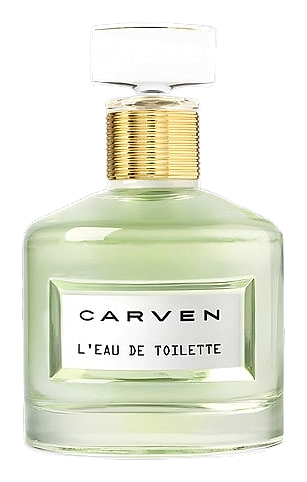
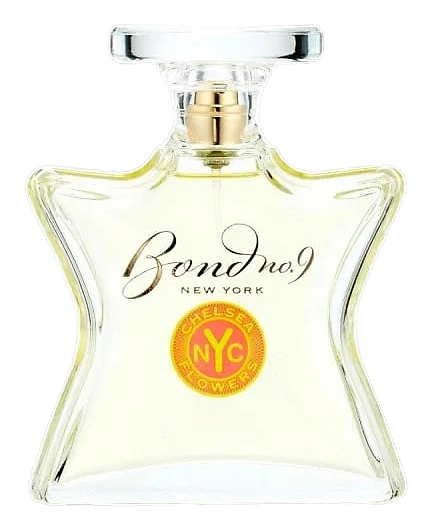
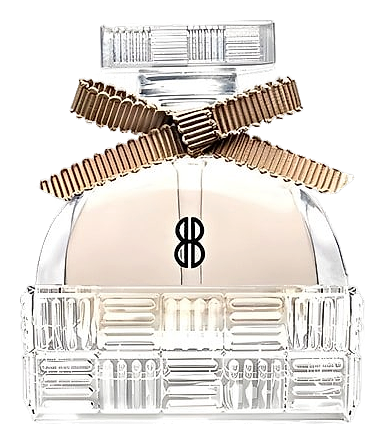
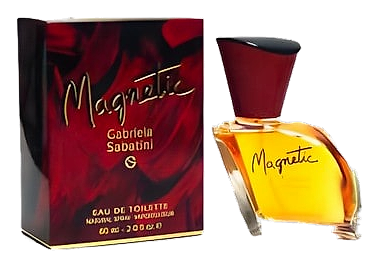
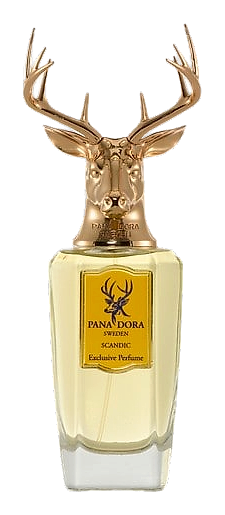
Fragrances featuring White Hyacinth
Brands
Brands known for White Hyacinth
Good to know
Questions, answered
The essentials on White Hyacinth in perfumery: how it smells, where it comes from, and how it behaves on skin.
Is white hyacinth a natural or synthetic ingredient?
Both forms exist. Natural white hyacinth absolute comes from solvent extraction of Hyacinthus orientalis flowers. Synthetic versions use lab-created aromachemicals that replicate the distinctive green-floral signature. Most commercial fragrances combine both approaches.
What does white hyacinth smell like?
White hyacinth reads as intensely green and crisp, with a floral sweetness that surfaces on the drydown. The combination mimics fresh-cut stems and morning dew on a garden border. It rarely appears alone due to its sharp intensity.
Why doesn't steam distillation work for hyacinth?
Steam distillation destroys the delicate molecules responsible for hyacinth's characteristic green note. Solvent extraction preserves these aromatics, yielding a concrete and absolute that better represent the living flower's scent profile.
Which fragrance families use white hyacinth?
White hyacinth appears in white floral, green, and chypre compositions. It adds brightness and lift to heavy bases, making it a common bridge note in spring and summer fragrances. It pairs naturally with jasmine, lily of the valley, and muguet.
Where does hyacinth originate?
Modern botanists recognize only Hyacinthus orientalis, which originated in Asia Minor. Dutch breeders developed thousands of varieties during the seventeenth century, making the Netherlands the primary source for commercial hyacinth cultivation and extraction today.
Does white hyacinth have therapeutic properties?
Fragrance industry reviewers note that white hyacinth carries associations with clarity and renewal. It is generally considered non-irritating at perfume concentrations, though individuals with flower sensitivities should patch test products containing any floral absolute.
How should I store hyacinth absolute?
Keep hyacinth absolute in a cool, dark place in a tightly sealed container. Oxygen and heat degrade the aromatic compounds over time. Properly stored, the material retains its green, fresh character for several years.
Is natural hyacinth worth the premium over synthetic?
Natural hyacinth absolute offers a multidimensional scent that single synthetic molecules cannot fully replicate. However, high-quality synthetic blends capture the recognizable green character well enough for most fragrance applications. The choice depends on the perfumer's budget and composition goals.