

The Story
Why it exists.
The beginning
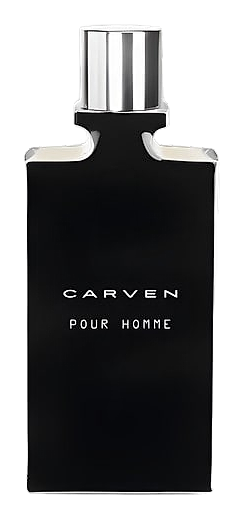
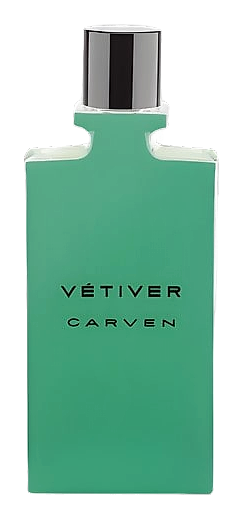
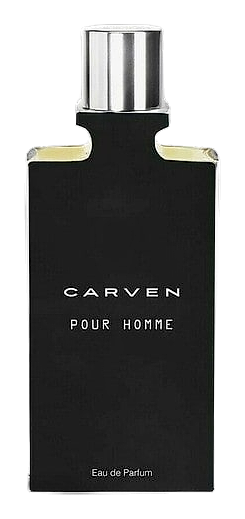
In 2020, Jérôme di Marino took the 2014 Carven Pour Homme and rebuilt it from the ground up, same name, different ambition. Where the original leaned into crisp citrus and wood, this version pushes toward something warmer, more deliberate. The brief seemed simple: take the house's Parisian ease and add a quiet confidence that didn't need to announce itself. Di Marino reached for violet leaf and grapefruit first, a cold, almost mineral clarity, before letting cypress and thyme take over the middle. The drydown was where the real work happened: vetiver, tonka, vanilla, labdanum. A base that could hold warmth without becoming heavy.
The combination of Java vetiver and labdanum absolute is rarer than it should be. Vetiver brings its signature earthy, slightly smoky character, the smell of roots pulled from tropical soil. Labdanum adds a resinous, ambery depth that smooths everything out. Together with vanilla and tonka, they create a base that reads as sweet from a distance but reveals its complexity up close. This isn't accidental layering. It's a composition that trusts you to lean in.
The evolution
The opening arrives crisp and bright, grapefruit cutting through violet leaf's green, almost waxy quality. Ten minutes in, the citrus recedes and the herbal heart takes over. Cypress dominates now, dry and slightly Mediterranean, with thyme threading through as a green, slightly medicinal counterpoint. By the second hour, the base announces itself. Vetiver's earthiness anchors everything while vanilla and tonka begin their slow climb upward. The sweetness doesn't overwhelm, it contextualizes. By hour four, you're in the drydown proper: warm, soft, close to the skin. Vetiver and labdanum linger longest, with vanilla occasionally surfacing like a memory. The next morning, there's a faint trace on the wrist, vetiver's earthy drydown refusing to fully disappear.
Cultural impact
Carven Pour Homme EDP occupies an interesting middle ground, fresh enough for daily wear, warm enough to feel intentional. It doesn't shout. It doesn't need to. Released in 2020 as a reformulation of the 2014 original, this iteration finds its place among contemporary masculine fragrances that prioritize restraint over volume, quiet confidence over bold statement. The house's French heritage and under-the-radar status give it a certain appeal in a market crowded with attention-seeking compositions.
The House
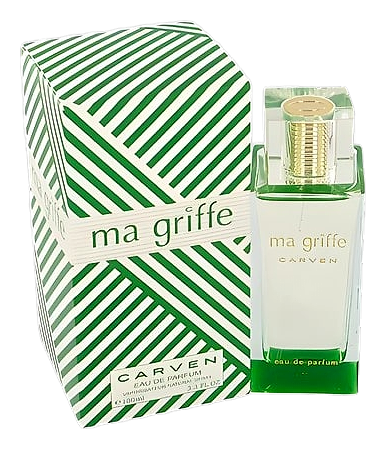
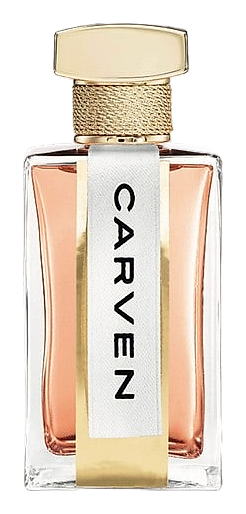
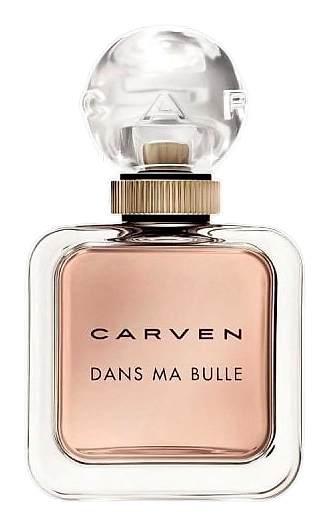
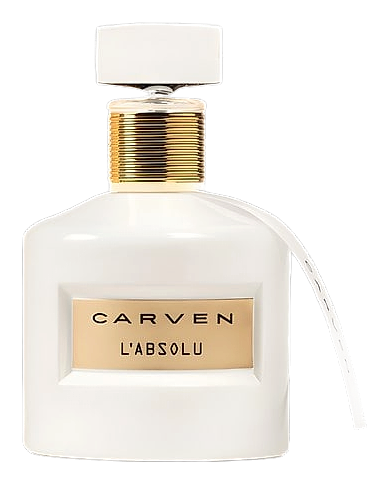
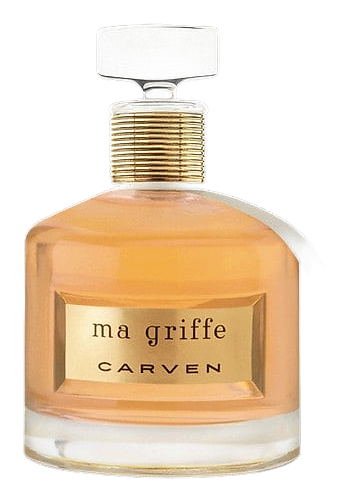
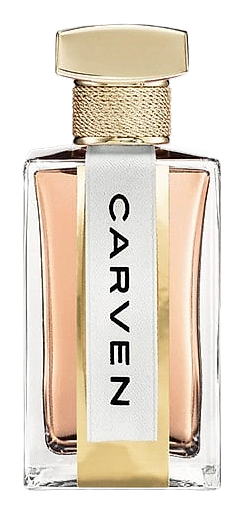
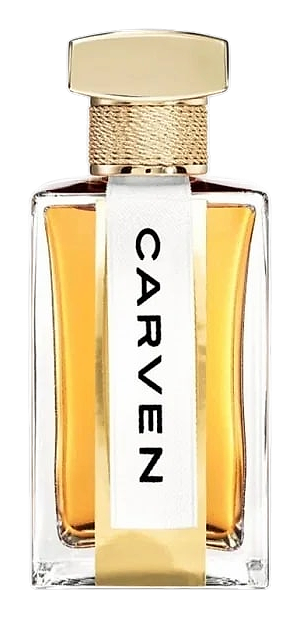
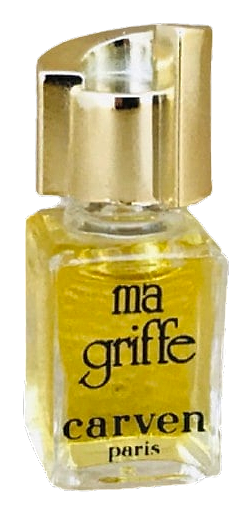
CarvenCarven is a Parisian fashion house founded in 1945 that built its early reputation on youthful, wearable couture before expanding into fragrance. The house became widely known through its 1946 launch of Ma Griffe, a green chypre that established Carven as a serious contender in post-war French perfumery. Over the following decades, the house maintained a consistent presence in both fashion and fragrance, releasing scents that reflected its broader design ethos of accessible elegance. Recent years have seen Carven expand its perfume line with the Paris collection, including releases such as Paris Alexandrie (2019) and Paris Sambava (2024), signaling a continued commitment to the fragrance market alongside its fashion operations.
The Creator
Jérôme di MarinoDi Marino's work spans from commercial powerhouses to more intimate niche creations, marked by confident structure and a taste for contrast. He gravitates toward sophisticated ingredients, particularly orris, which he has described as one of his favorites for its preciousness…