
The Story
Why it exists.
The beginning
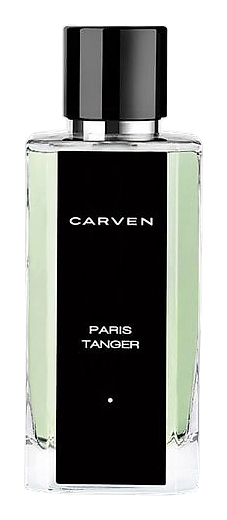
Paris Tanger exists because of an obsession with a single ingredient. Carven's Paris collection, launched in 2019 under perfumer Jérôme Di Marino, set out to capture specific places through scent, and Tanger gave the house something worth building around: Moroccan cypress, a rare and precious variety that doesn't appear in many compositions. The brief was straightforward on paper. Bathe this rare cypress in Mediterranean radiance. In Di Marino's hands, the execution became something more layered, a fragrance that opens with the sharpness of a coastal morning and settles into the warmth of weathered wood. The name says it all: Paris and Tanger, the cool intelligence of one city meeting the heat of the other.
What makes the composition structurally interesting is the contrast between its deliberately tight architecture and the natural abundance of its star material. Three top notes, three heart notes, three base notes, the pyramid is precise, almost formal, which makes the Moroccan cypress feel even more out-of-place and out-of-ordinary. The nana mint in the heart isn't commonly used in masculine fragrance, it's herbal, cool, slightly sweet, and here it functions as a counterpoint to the cypress's warmth rather than a replacement. Cardamom persists throughout, threading spice from opening to drydown, preventing the citrus from ever fully disappearing even as the cedar takes over.
The evolution
The opening hits immediately, fresh grapefruit and green mandarin arriving together, the kind of citrus that doesn't whisper. It smells like morning light on skin, bright without aggression. Within minutes, the mint announces itself, cool and surprising, running alongside the citrus like a current beneath the surface. The Moroccan cypress doesn't rush. It arrives gradually, taking over the heart by the 15-minute mark, its aromatic, slightly balsamic character pushing the citrus toward the edges. The elemi resin adds a faint resinous warmth that keeps everything grounded. By the second hour, the handoff is complete. Cedar and guaiac wood settle into the skin, creating a dry, woody trail that stays close, intimate sillage, not projecting. The cardamom lingers longest, a thread of spice that reminds you this wasn't just another fresh-wood fragrance. On fabric, it holds for 6-8 hours. On skin, expect the woody drydown to quietly accompany you through most of a workday.
Cultural impact
Paris Tanger draws from the rich artistic exchange between Paris and Tangier that flourished in the mid-20th century, when writers, painters, and musicians traveled between the two cities seeking inspiration. The fragrance captures that crossover energy, blending the refined elegance associated with Parisian fashion with the sun-drenched warmth of North African spice markets. This bridge between cultures reflects a moment when the Mediterranean served as a creative corridor rather than a boundary, and Carven's interpretation brings that spirit into a modern context. The choice of bright citrus and cardamom speaks to a globalized sensibility that was emerging during this period, one that would eventually reshape how fragrances were composed and marketed worldwide.