
The Story
Why it exists.
The beginning
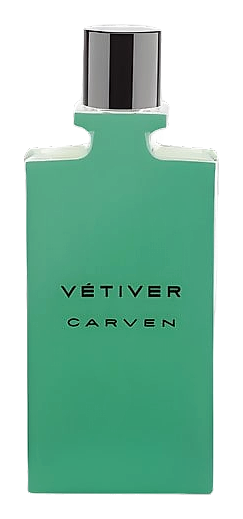
In 1957, Madame Carven created a fragrance for her husband Philippe Mallet, a tribute to his legendary elegance. That scent, simply called Vétiver, became the first vetiver-based fragrance ever released by a fashion house. It inspired decades of imitations. Then it disappeared. The 2009 Carven Vetiver brings the original formula back into rotation, same green-woody architecture, same quiet confidence, now in a flacon designed for men who remember what they like and don't need to announce it.
What makes this composition interesting is its restraint. The 1957 brief wasn't 'loudest vetiver', it was 'most elegant.' That meant balancing the root's natural earthiness against bright citrus and cool herbs, so the vetiver reads as refined rather than rustic. The absinthe in the heart is an unusual choice, adding a slight bitter edge that keeps the lavender from going too soft. Haitian vetiver in the base provides that characteristic smoky, almost mineral quality, but here it's layered with juniper berries, which add a dry, gin-like crispness that extends the scent's clean impression.
The evolution
The opening arrives fast, mandarin and mint arrive together, the citrus sharp, the mint providing an almost astringent freshness that wakes the nose. Twenty minutes in, the geranium emerges, threading green floral through the composition. The heart phase is where Carven Vetiver diverges from most modern vetivers: instead of settling into sweetness, the lavender and absinthe create a cool, slightly bitter middle that feels closer to a traditional fougère than a contemporary woody. The drydown is slow. Haitian vetiver anchors everything, but the juniper berries and patchouli keep it dry, earthy, and close to the skin. On fabric, it lingers past eight hours. On skin, it softens to a clean, green warmth that stays noticeable for most of a workday.
Cultural impact
Carven Vetiver occupies an unusual position: it's both a heritage fragrance and a quiet underdog. Released in 2009 as a revival of the 1957 original, it arrived in an era when vetiver had become a common note in masculine perfumery, but most of those derivatives came after Carven's original. Wearers who know the backstory appreciate it as a piece of fragrance history. Those who don't discover it blind tend to be surprised by its restraint.