Absinthe
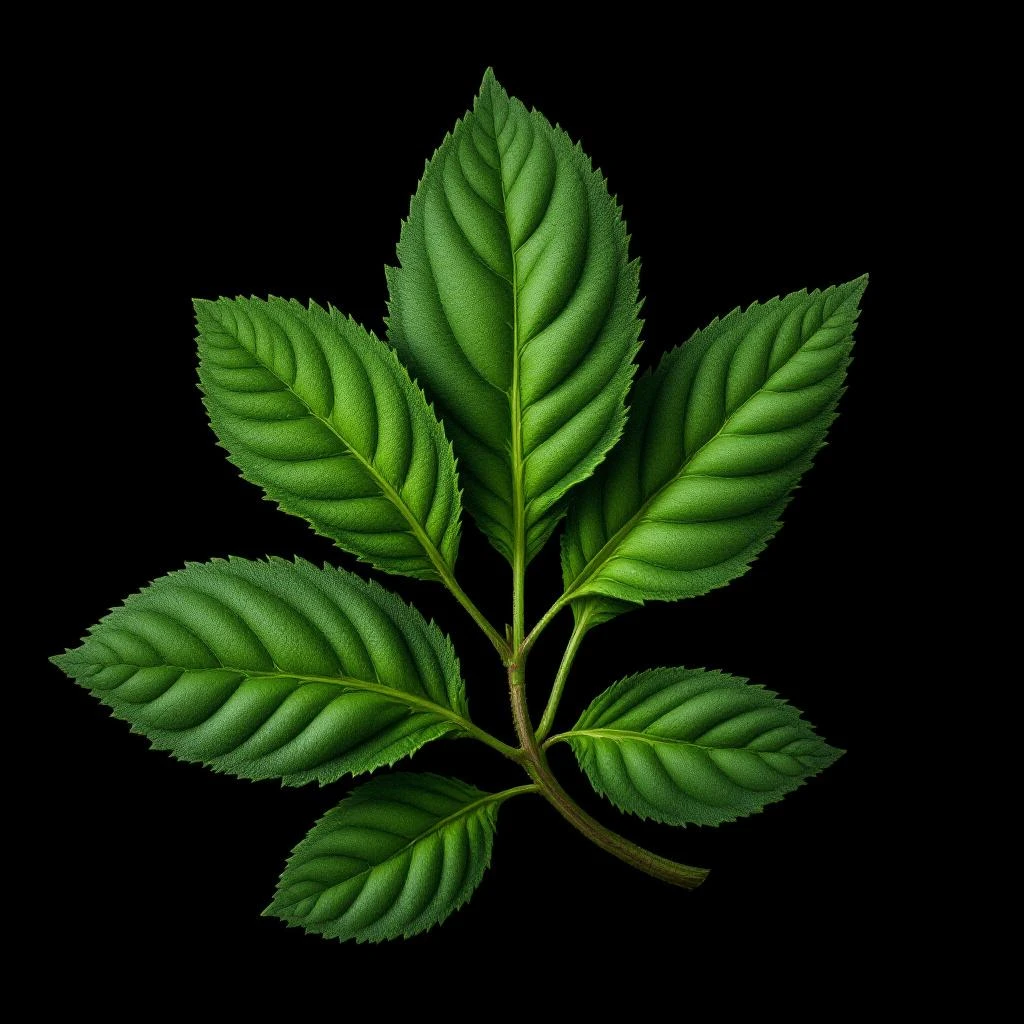
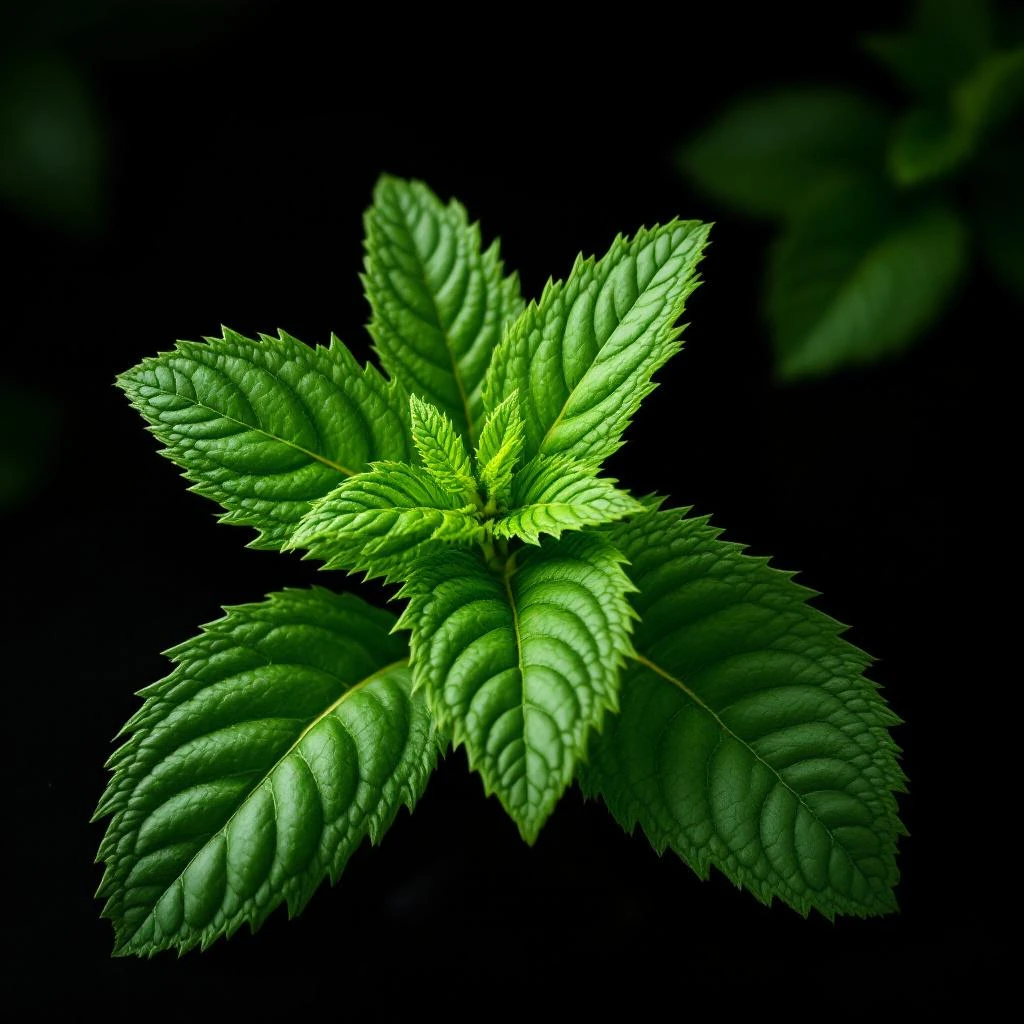
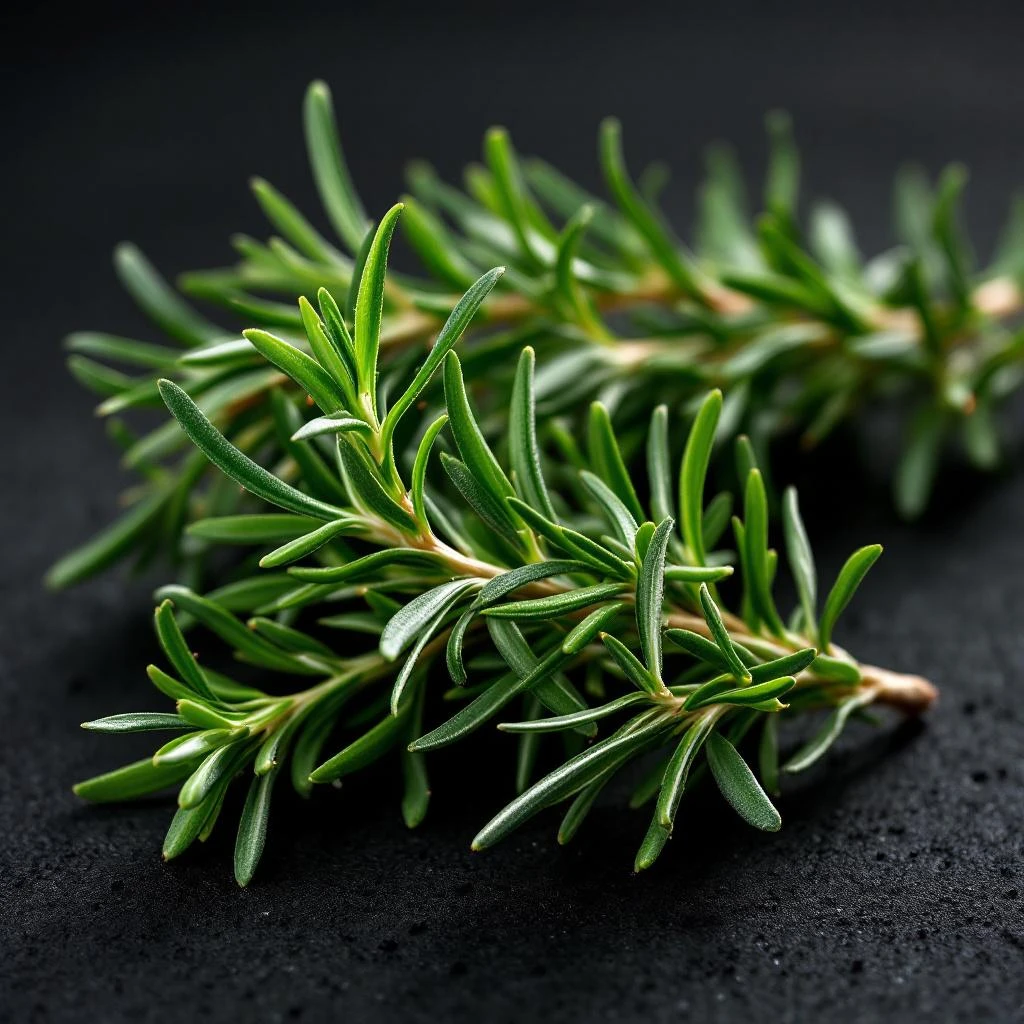
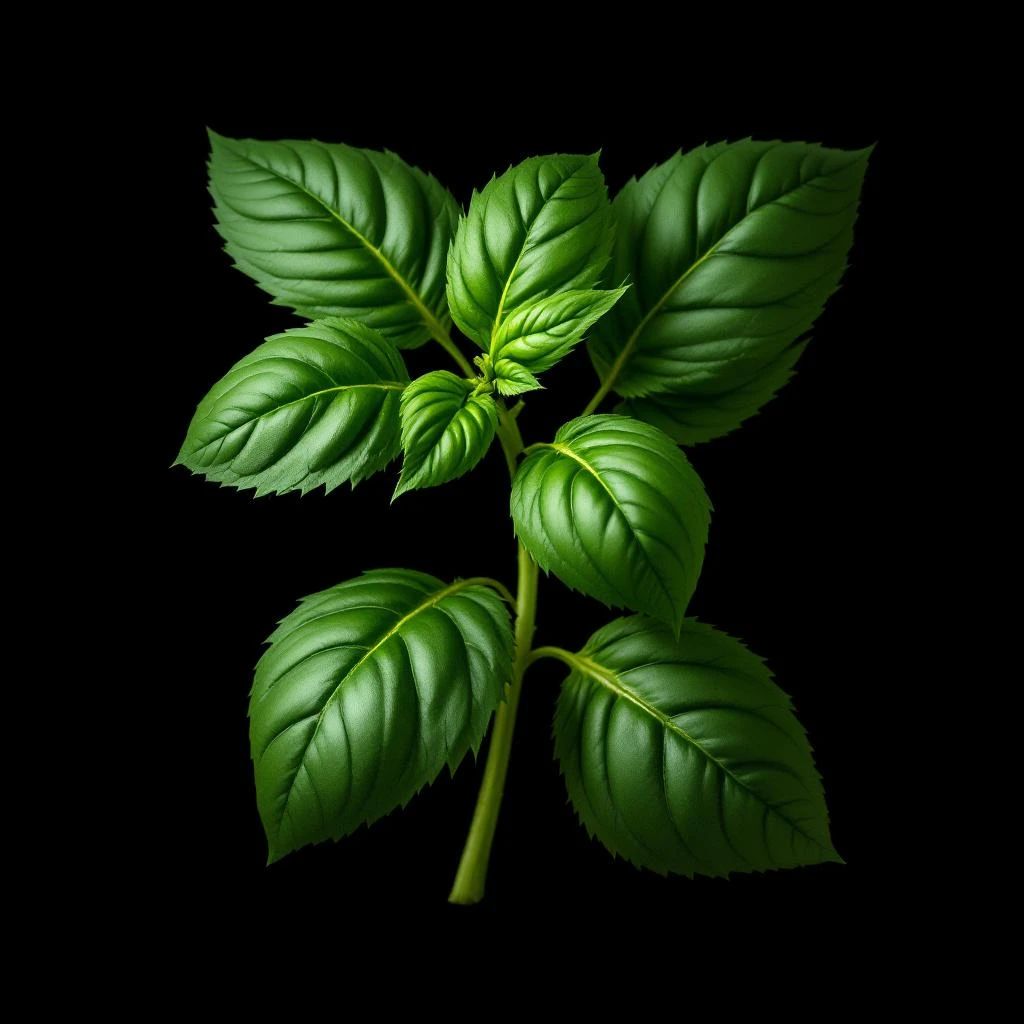
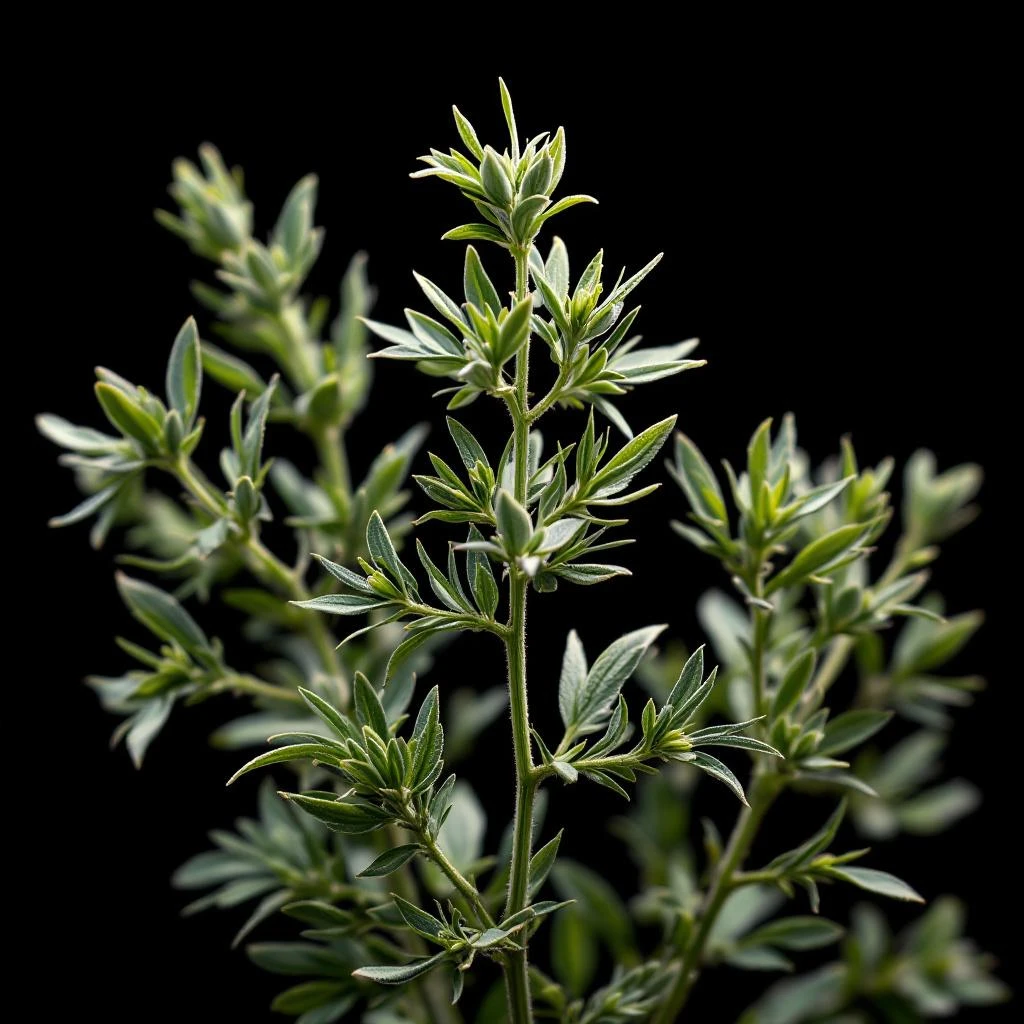
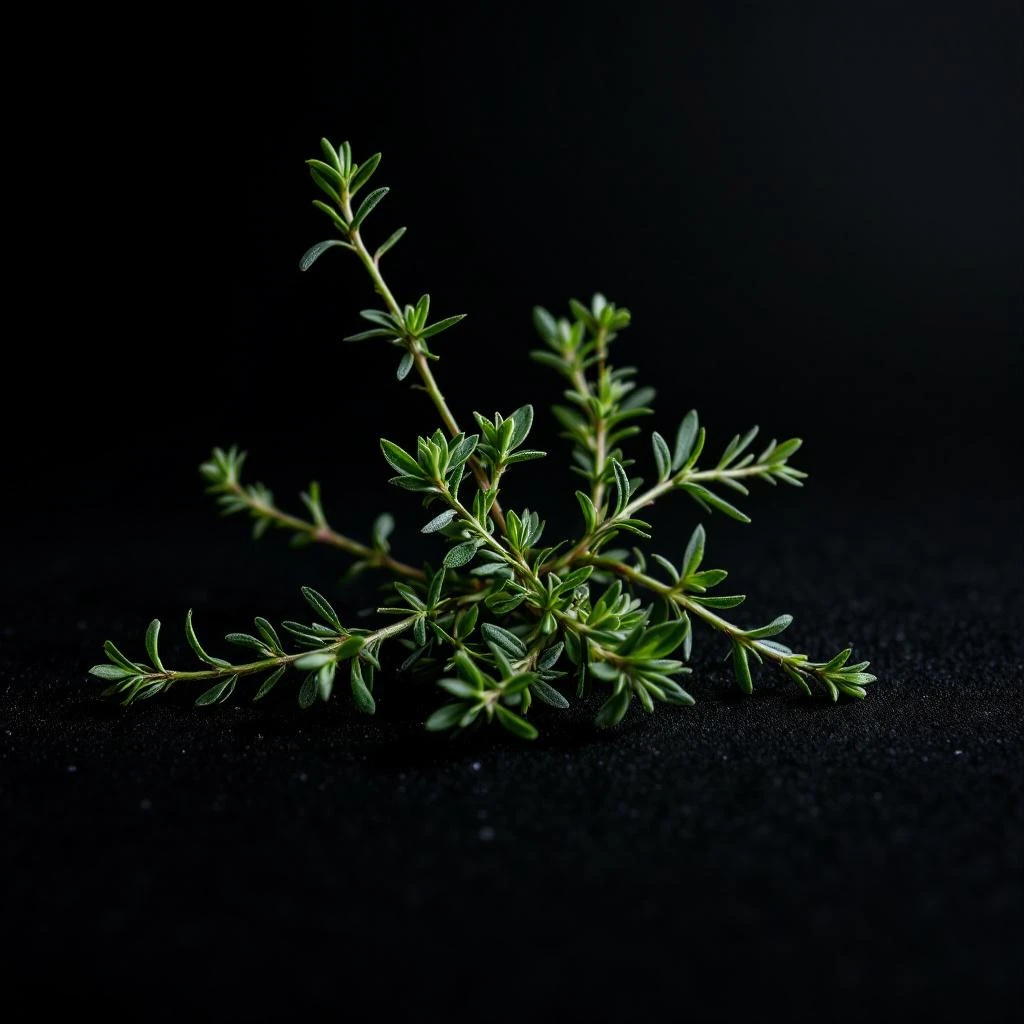
Absinthe brings an intoxicating herbal-green character to perfumery. Derived from Artemisia absinthium (wormwood) and harmonized with anise and fennel, this note delivers a bitter, aromatic intensity reminiscent of the legendary emerald spirit that haunted 19th-century Paris. Explore its legacy.
Character
How it smells
Intoxicating green herbal with bitter depth.
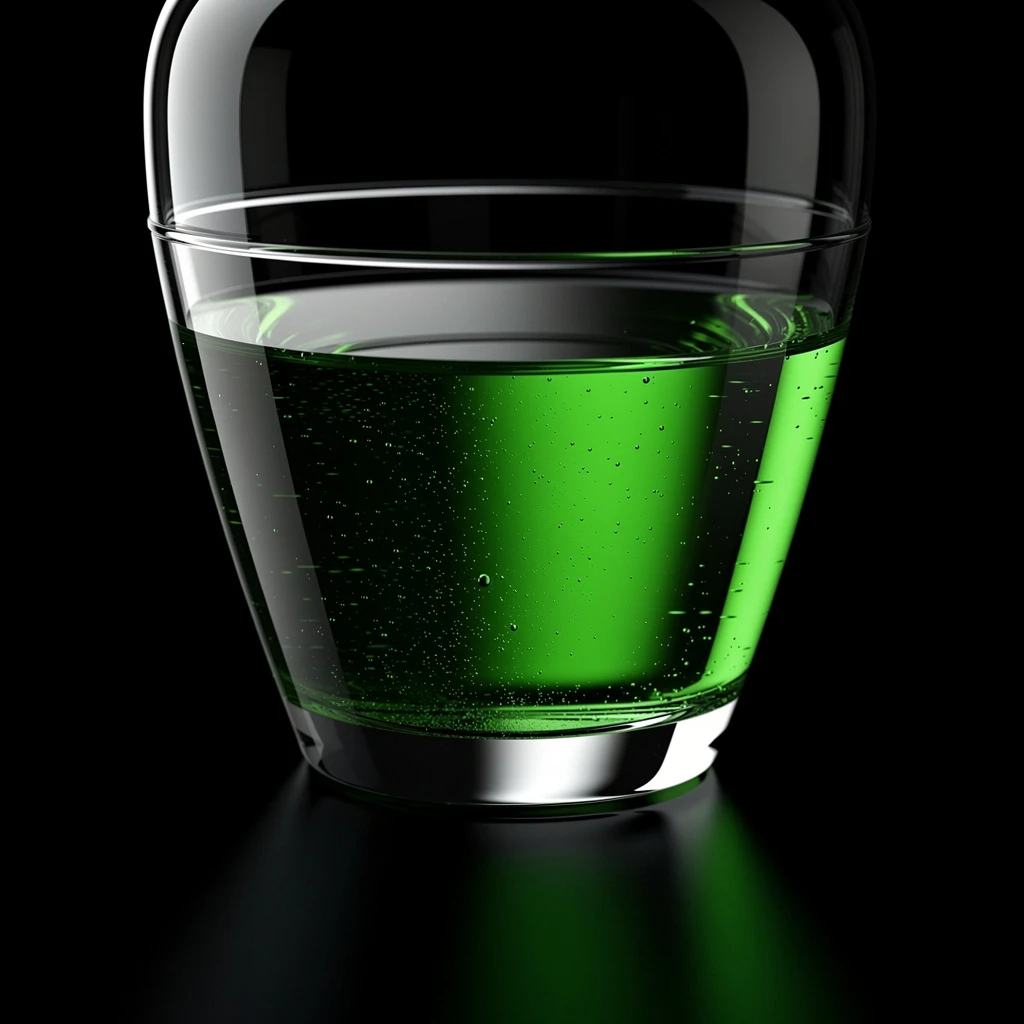
The characteristic emerald hue of traditional absinthe inspired its nickname: 'The Green Fairy.'








Origin
Switzerland
Absinthe as a beverage was created in the canton of Neuchâtel, Switzerland, in the late 18th century by French physician Pierre Ordinaire, who initially developed it as a medicinal tonic. The formula combined wormwood, anise, and fennel into an aromatic spirit that quickly gained devoted followers.
By the mid-1800s, absinthe had crossed into France, where it became intertwined with Parisian artistic and literary circles, becoming the drink of choice for figures like Van Gogh, Baudelaire, and Rimbaud. A combination of social factors, prohibition-era propaganda linking it to madness, and the controversial compound thujone led to its banning across Europe and the United States by 1915.
The ban was lifted in most countries by the 1990s after scientific consensus confirmed its safety at normal consumption levels. Today, absinthe lives on in perfumery as a captivating herbal-green note that evokes its storied history, lending perfumes a wild, aniseed freshness with an edge of bitter sophistication.
Wears it best
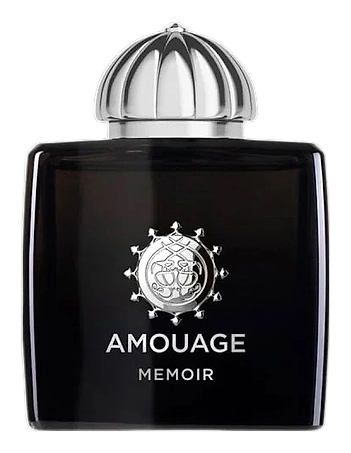
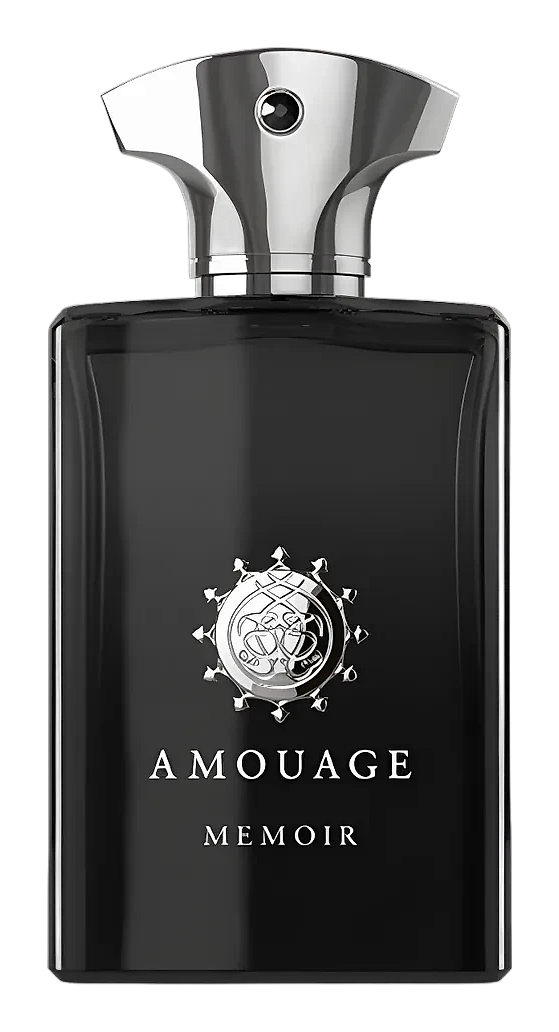
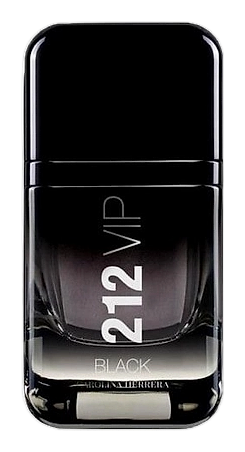
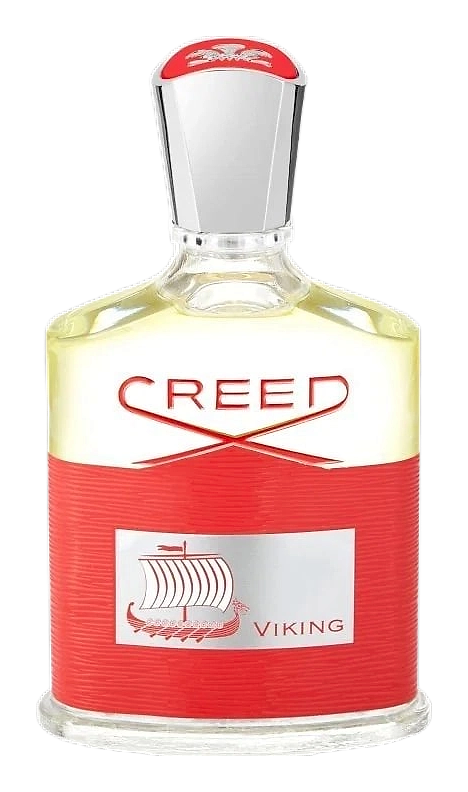
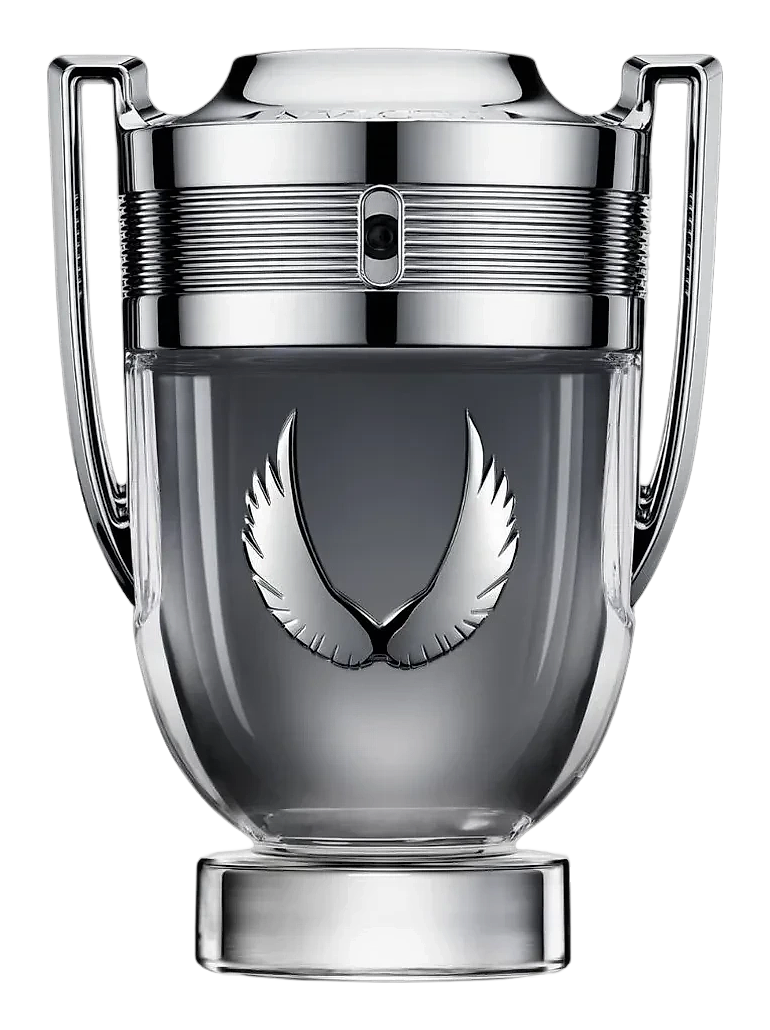
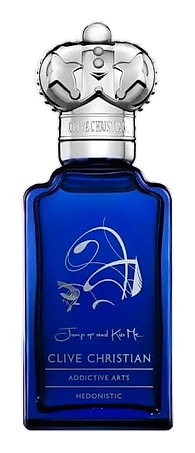
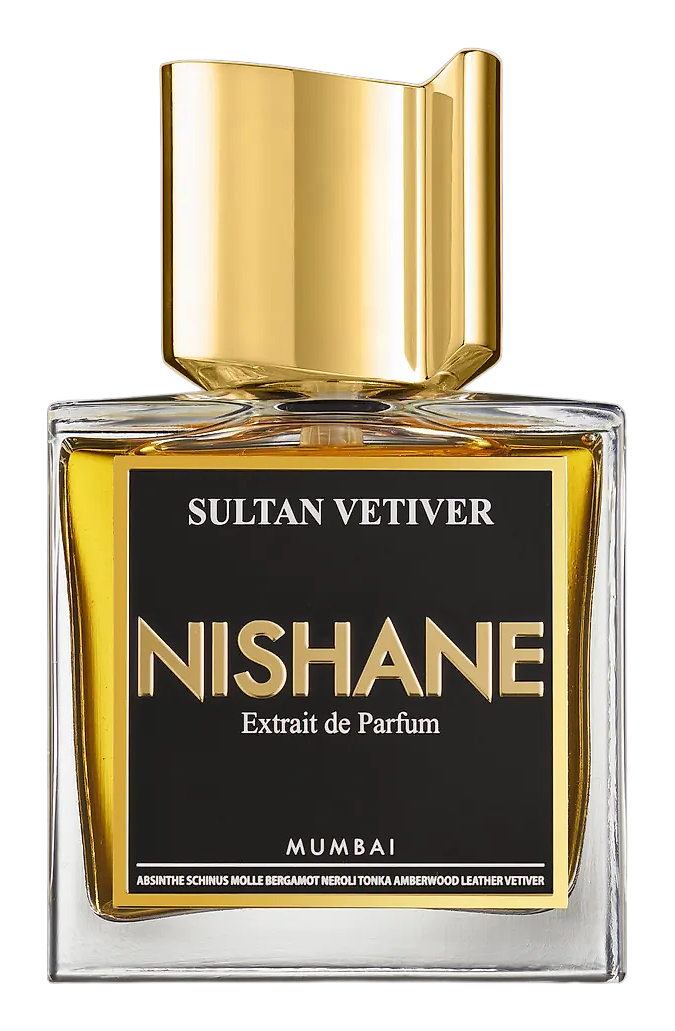
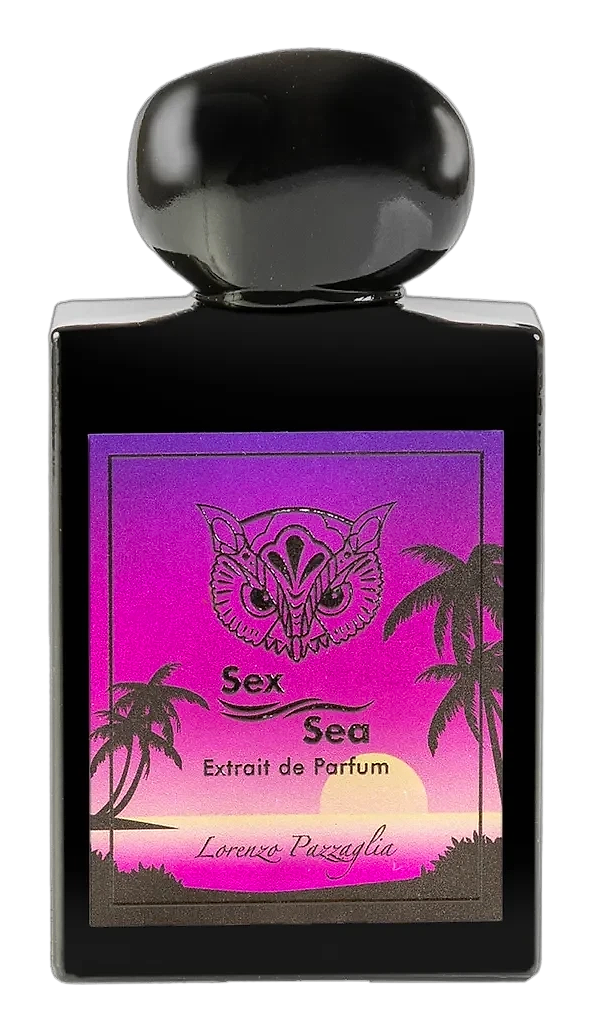
Fragrances featuring Absinthe
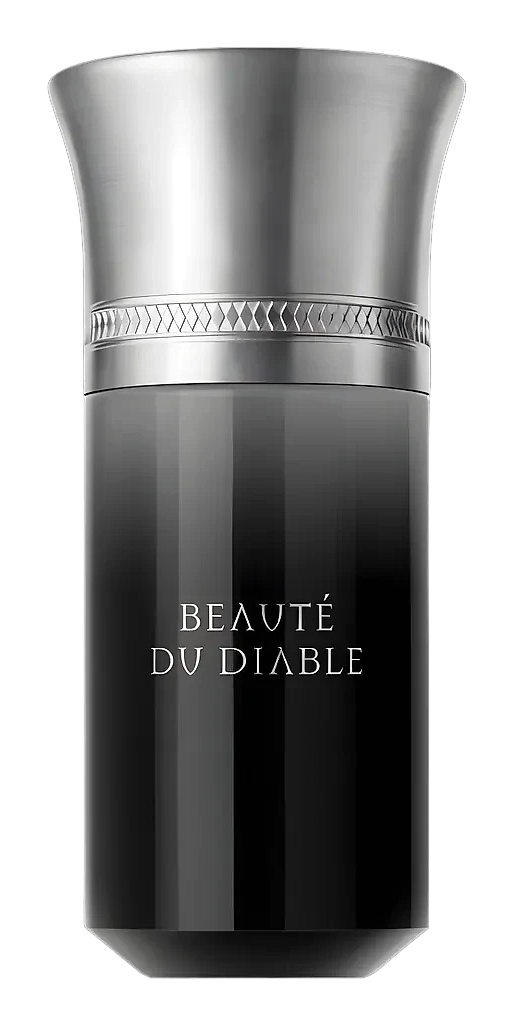
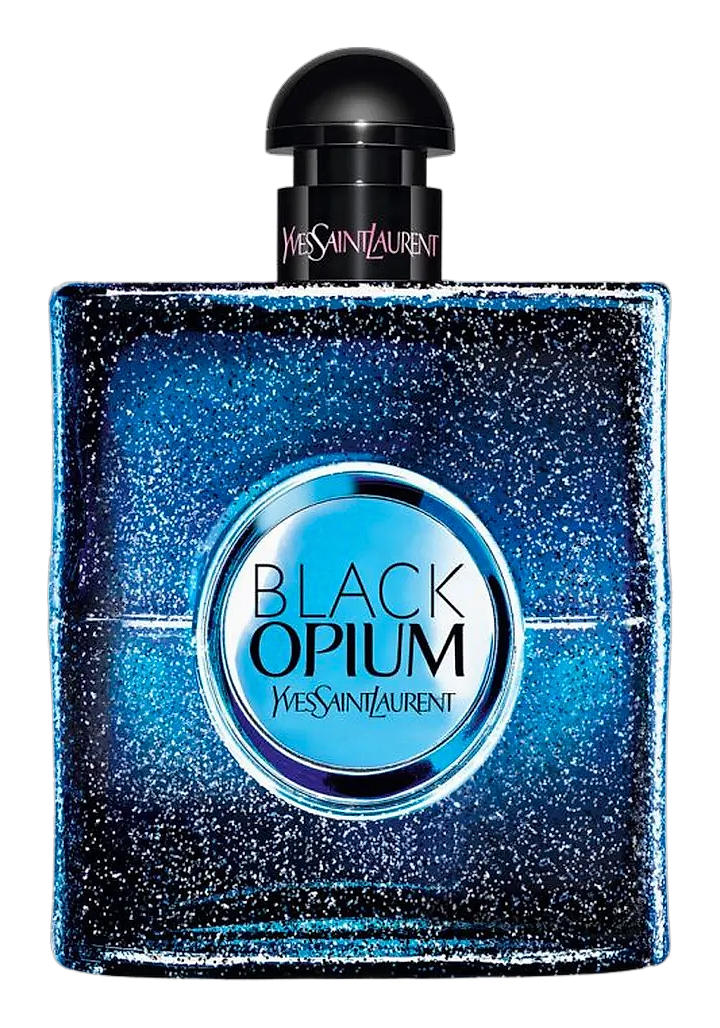
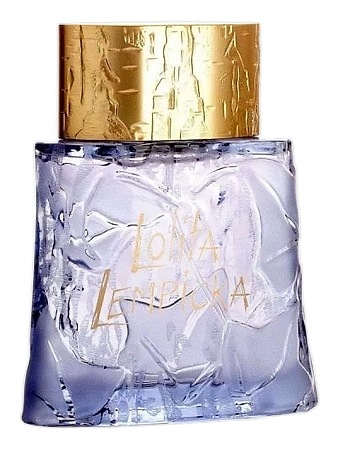
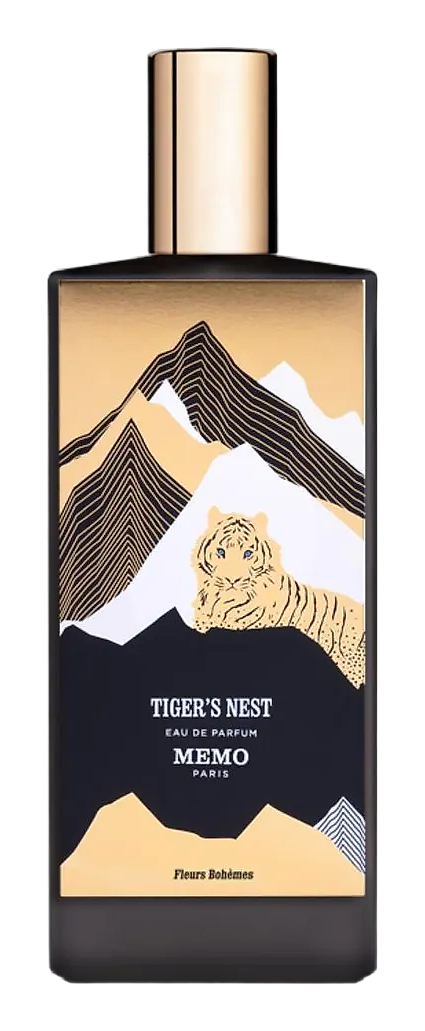
Brands
Brands known for Absinthe
Good to know
Questions, answered
The essentials on Absinthe in perfumery: how it smells, where it comes from, and how it behaves on skin.
What does absinthe smell like in perfume?
Absinthe delivers a bold herbal-green scent combining bitter wormwood with bright aniseed and licorice-like sweetness from fennel. The overall impression is aromatic, slightly medicinal, and distinctly spirited.
Is absinthe a natural or synthetic fragrance ingredient?
Both versions exist. Natural absinthe absolute comes from steam distilling the wormwood plant. Synthetic reconstructions combine wormwood materials with anethole and other aroma molecules to replicate the signature anise-herbal profile.
What part of the absinthe plant is used in perfumery?
Perfumers use the dried aerial parts of Artemisia absinthium: stems, leaves, and flowers. These portions contain the highest concentration of thujone and aromatic compounds that define absinthe's character.
Which fragrance families feature absinthe?
Absinthe appears most often in aromatic, fougère, and green fragrance families. It also shows up in oriental and chypre compositions where an herbal counterpoint balances sweeter or heavier base notes.
Does absinthe contain thujone?
Yes, thujone is a natural component of Artemisia absinthium. In perfumery applications, the concentration is controlled and differs significantly from spirit consumption levels. It contributes to the characteristic bitter-tasting, slightly camphoraceous edge.
How is absinthe related to wormwood and anise? Are they the same ingredient?
Absinthe is not a single ingredient but a blend. Wormwood (Artemisia absinthium) provides the bitter, camphorated base. Anise and fennel supply the sweet, licorice-like top notes that complete the signature absinthe aroma. All three work together.
What historical period made absinthe famous?
Absinthe rose to prominence in mid-1800s France, particularly in Paris. It became the beloved drink of avant-garde artists and writers, including Van Gogh and Rimbaud, before facing prohibition across Europe and the United States around 1915.
Can absinthe substitute for other green notes in perfume?
Absinthe offers a sharper, more bitter green character than most alternatives. Where accords like galbanum deliver pure green freshness, absinthe adds an aniseed complexity and a dry, almost medicinal edge that reads as wilder and more provocative.