Fougère Notes
Fougère is a fragrance family named after the French word for fern. The accord combines lavender, coumarin, oakmoss, and vetiver to create a fresh, aromatic profile. Despite its name, no actual ferns are used in fougère fragrances.
Character
How it smells
The fern that changed perfumery forever.
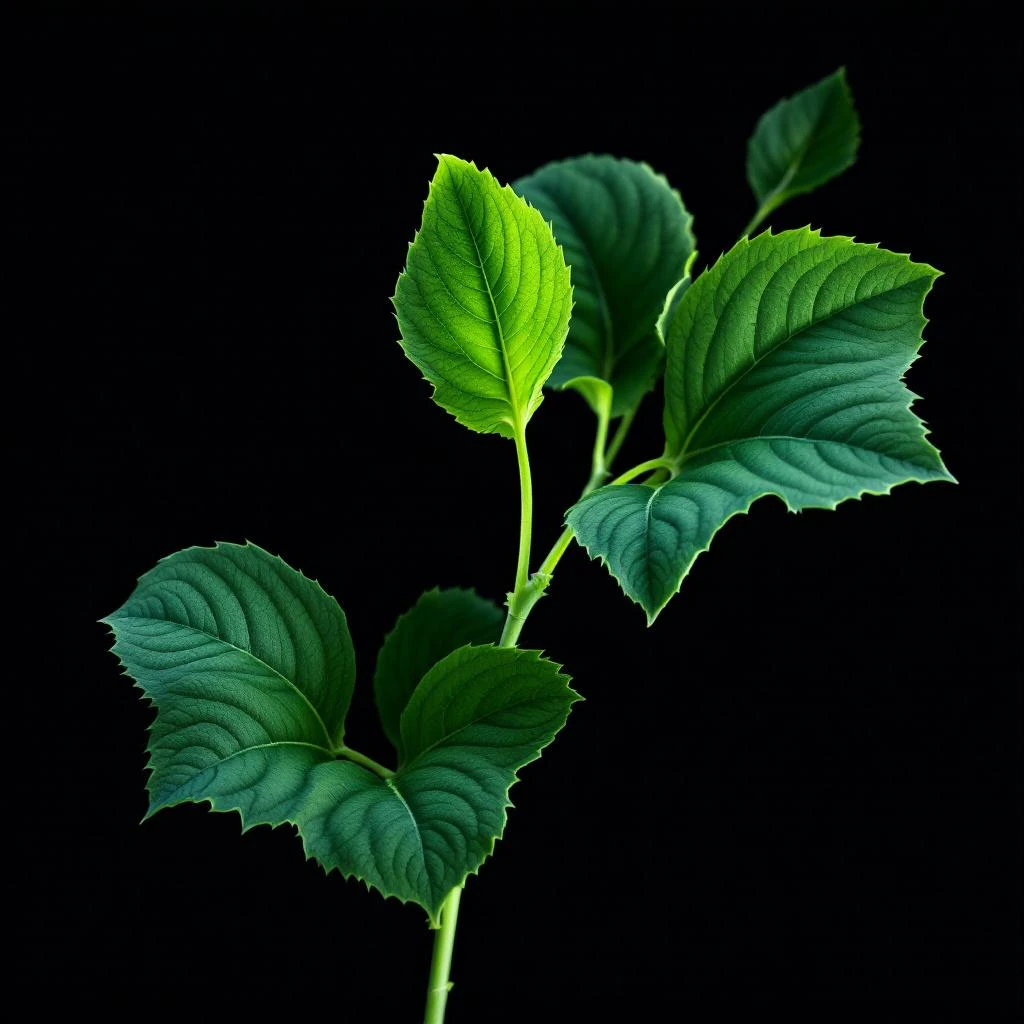
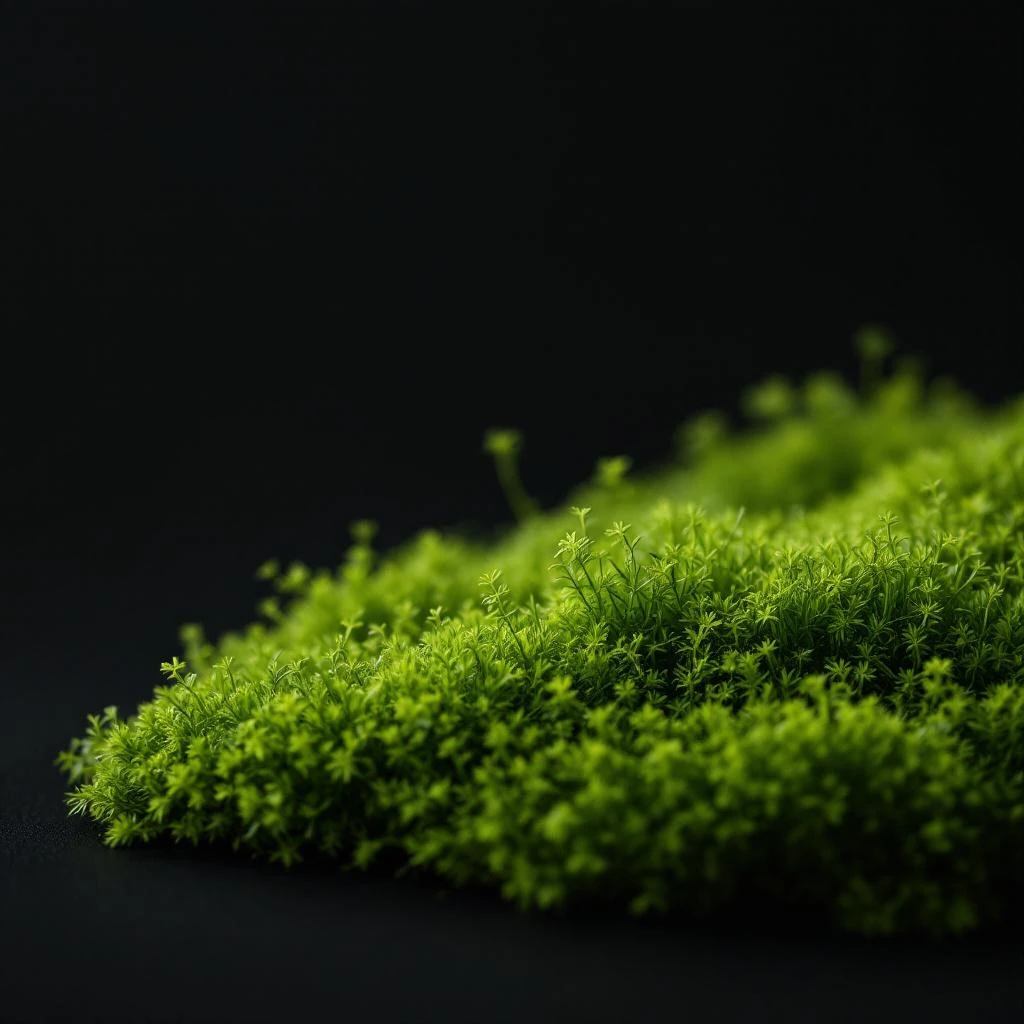
Fougère means fern in French, yet real ferns never appear in these fragrances. The name references the scent of ferns crushed underfoot in forests.







Origin
France
In 1882, French perfumer Paul Parquet created Fougère Royale for the House of Houbigant, and the fragrance world changed forever. This groundbreaking perfume introduced the fougère accord, combining lavender, coumarin, oakmoss, and vetiver. What made it revolutionary was Parquet's use of coumarin, one of the first synthetic aroma chemicals widely adopted in perfumery.
Before 1868, every perfume ingredient came from nature. Coumarin proved that chemistry could create fragrance materials with no natural equivalent. Fougère Royale marked a turning point—it became one of the first hybrid perfumes combining lab-created and natural ingredients.
Vanillin appeared in its 1884 formula alongside coumarin. The fragrance established the fougère family, still one of the most important fragrance classifications today, particularly in masculine perfumery. The name itself, meaning fern, reflects the scent of ferns crushed underfoot in forests—a green, fresh, slightly sweet impression that has defined masculine fragrance for over 140 years.
Wears it best
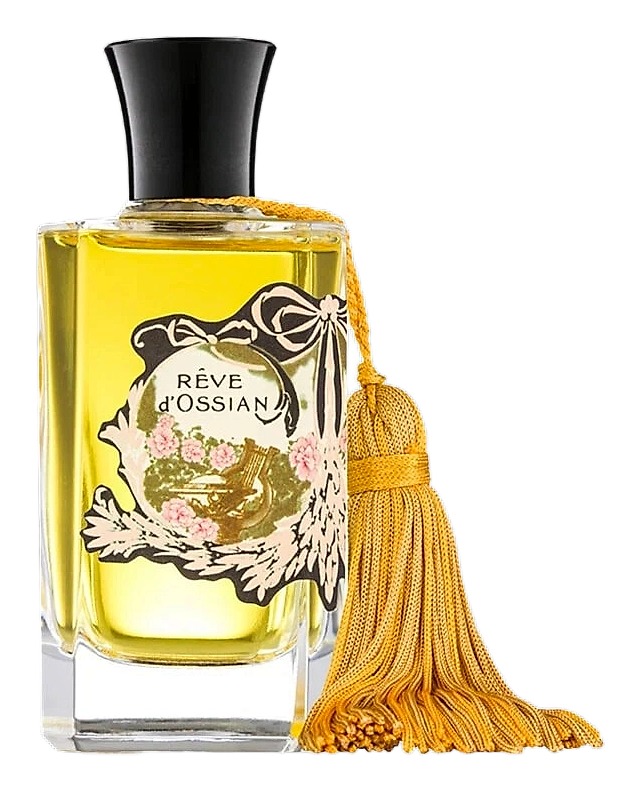
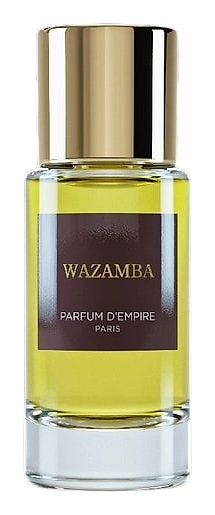
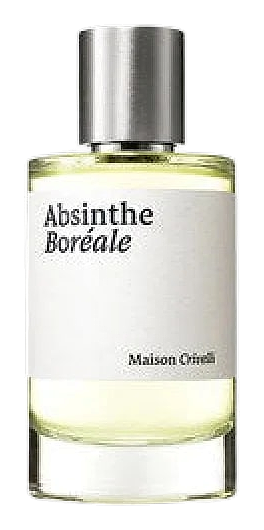
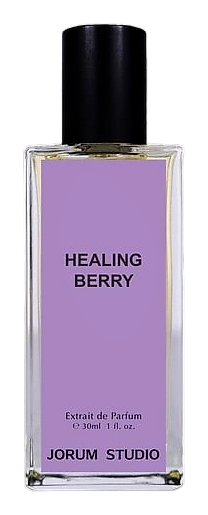
Fragrances featuring Fougère Notes
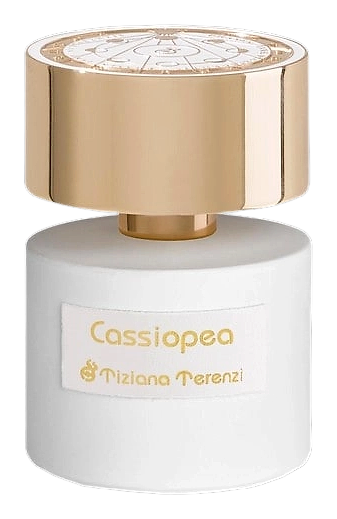
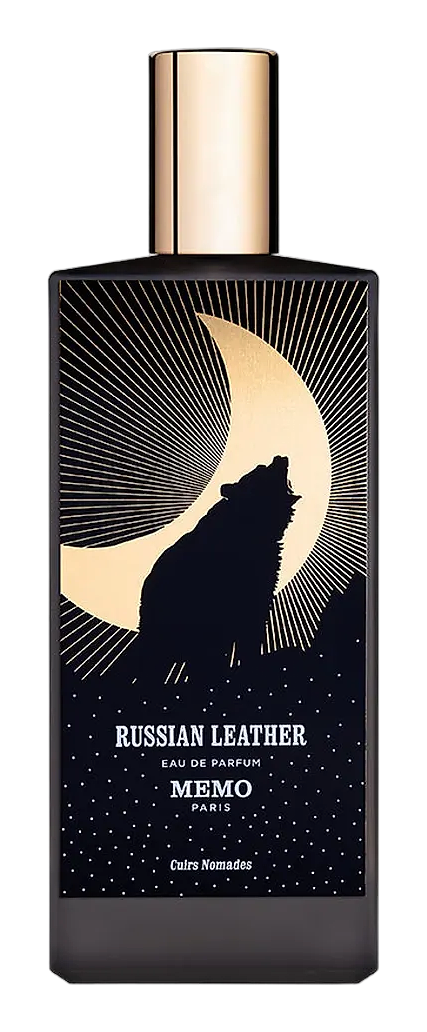
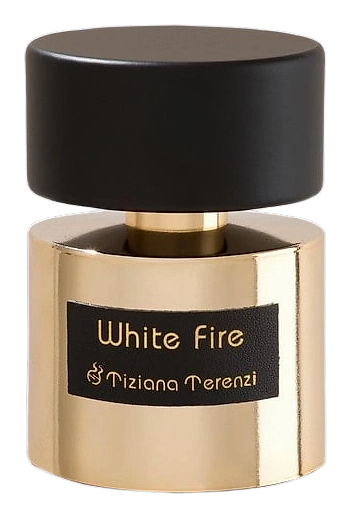

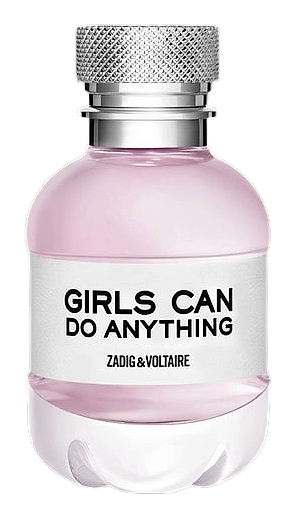

Brands
Brands known for Fougère Notes
Good to know
Questions, answered
The essentials on Fougère Notes in perfumery: how it smells, where it comes from, and how it behaves on skin.
What does fougère mean in perfumery?
Fougère means fern in French. In perfumery, it refers to a fragrance family characterized by a signature accord of lavender, coumarin, oakmoss, and vetiver.
Does fougère actually contain ferns?
No real ferns are used in fougère fragrances. The name references the scent impression of ferns crushed underfoot in forests—a fresh, green, slightly sweet aroma.
When was the first fougère fragrance created?
The first fougère fragrance was Fougère Royale, created in 1882 by perfumer Paul Parquet for the House of Houbigant. It remains one of the most influential perfumes ever made.
What makes fougère fragrances distinctive?
Fougère fragrances combine aromatic lavender, sweet coumarin, earthy oakmoss, and woody vetiver. This creates a fresh, clean, slightly sweet profile that reads as inherently masculine.
Is coumarin in fougère fragrances natural or synthetic?
Modern coumarin is primarily synthetic, created through chemical synthesis from catechol and acetic acid. Natural coumarin exists in tonka beans but is rarely used due to cost and regulatory considerations.
Why is fougère important in fragrance history?
Fougère Royale marked a turning point in perfumery history. Its 1882 creation demonstrated that synthetic chemistry could produce fragrance materials nature alone could not, reshaping the industry.
What ingredients define the fougère accord?
The classic fougère accord combines lavender, coumarin, oakmoss, and vetiver. Modern variations may include geranium, helichrysum, and herbaceous notes like artemisia for added complexity.
Why are fougère fragrances so popular in men's scents?
The fougère accord's fresh, clean, slightly sweet character with herbal and woody undertones aligns with traditional masculine fragrance preferences. Its versatility has made it a cornerstone of men's perfumery for over 140 years.